




Cast Iron Garden Ornaments
Cast iron garden ornaments bring weight and classical form to a lawn, most often appearing as Victorian campana urns and animal figures from the nineteenth century.
Cast Iron Garden Ornaments
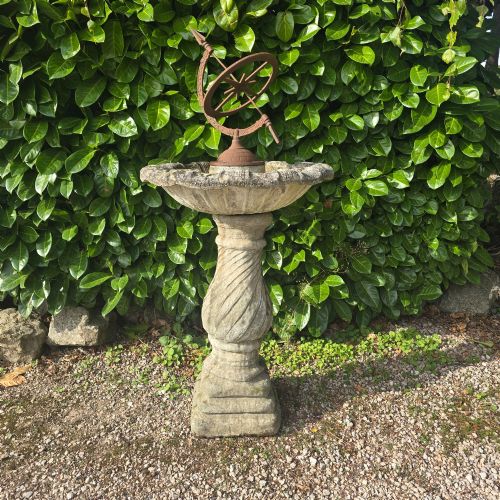
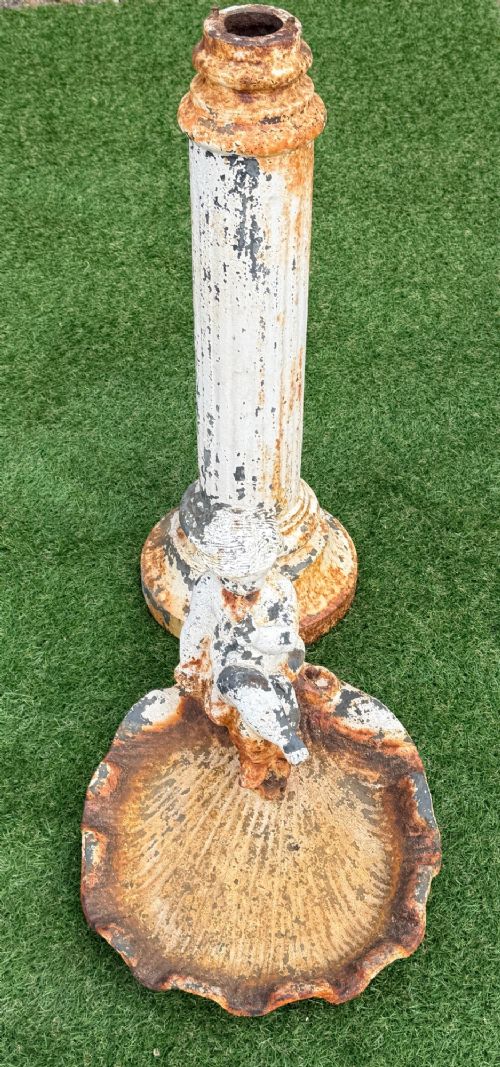
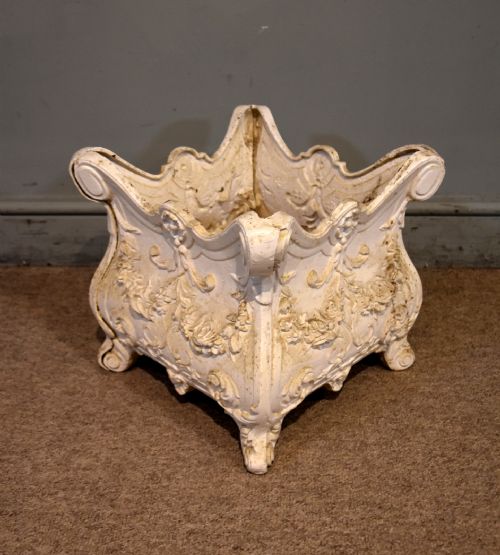
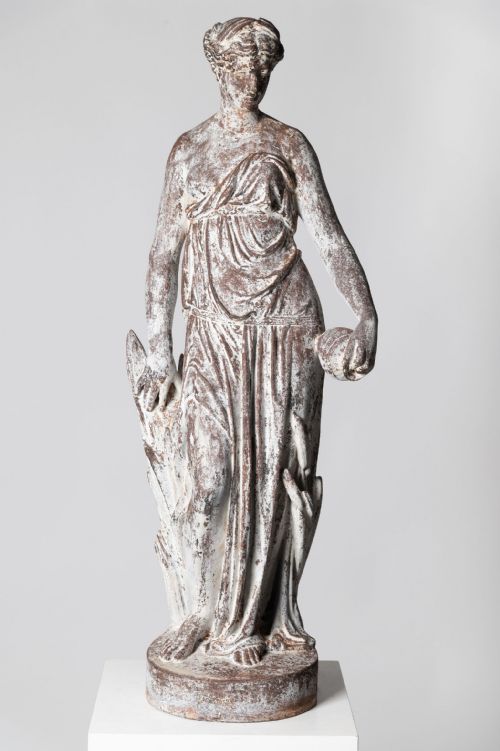
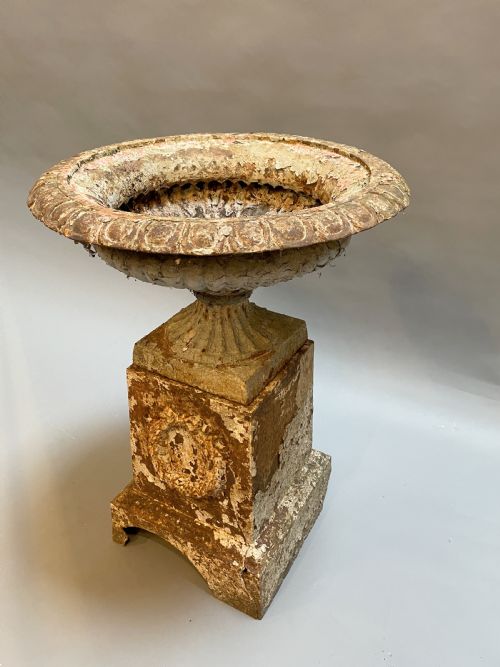
Cast iron garden ornaments span sturdy campana urns, bird baths with cherubs, figural statues, and utilitarian items like hitching posts and boot scrapers. These metal objects sit upon stone or iron bases, weathering outdoors through decades of exposure.
Nineteenth century pieces dominate the selection, heavily rooted in Victorian styles alongside Regency and Edwardian examples. Foundries such as Coalbrookdale and Andrew Handyside produced these durable outdoor works for domestic lawns and estate gardens.
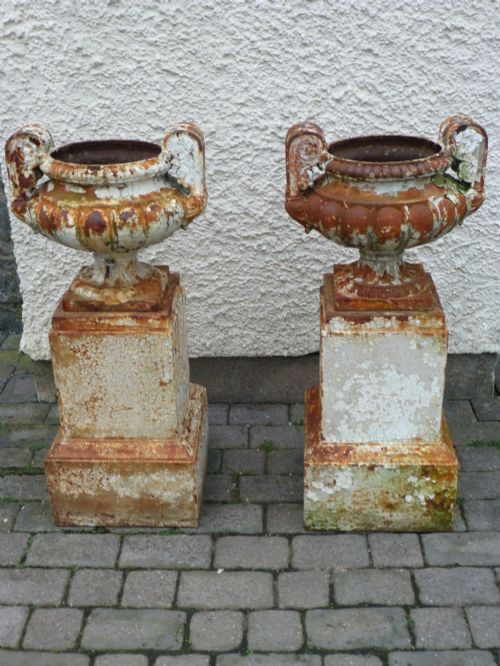
Form follows classical revival tastes, presenting shell motifs, animal figures including horses and dogs, and sculptural boys and girls. Buyers encounter matching pairs designed for formal pathways as well as single monumental vessels.
Distinctions in quality
Substance and thickness of the iron determine durability, with heavier castings providing greater stability against wind and ground moisture. Original matching pairs carry more weight with collectors than single assembled items.
Cast Iron Garden Ornaments Retail Price Guide 2026
Typical asking prices for cast iron garden ornaments among the pieces listed under this phrase on Sellingantiques today, from the lower quarter to the upper quarter. They describe what is for sale here now, not the wider market.
Some nineteenth century founders cast iron into the shape of giant shrimp and garden cannons, proving Victorian gardens had a sense of humour.
Falkirk Carron foundry·Coalbrookdale·Andrew Handyside·Val d’Osne foundry
The Cast Iron Garden Ornaments Glossary
- Campana urn
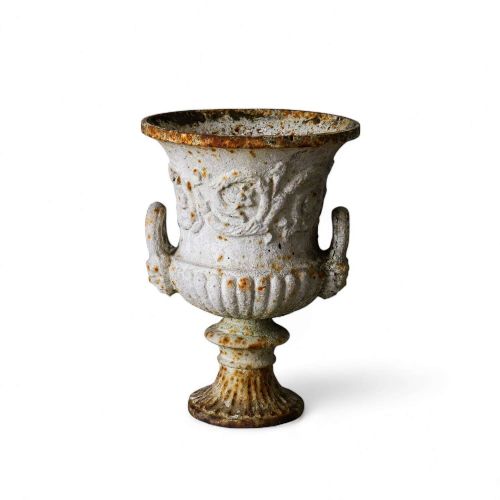
- A bell-shaped garden vessel with an everted rim, widely produced during the nineteenth century. These classical planters sit on pedestal feet for garden display.
- Hitching post
- A vertical post with a ring or decorative top, historically used for tying horses. Victorian examples often feature horse head sculptures in cast iron.
- Foundry mark
- Raised lettering or numbers cast into the metal indicating the producing ironworks. Marks link specific pieces to makers like Coalbrookdale or Andrew Handyside.
- Neoclassical
- A design style drawing on ancient Greek and Roman architecture and art. This aesthetic informs the urns and statues found across nineteenth century gardens.
Cast Iron Garden Ornaments: Frequently Asked Questions
How do I clean cast iron urns?
Brush away loose dirt and debris with a soft bristle brush, avoiding harsh chemical strippers that damage the protective surface. Preserve the historic painted or oxidized finish beneath.
Wash gently with mild soap and water if needed, ensuring the metal dries completely to prevent active rust formation.
Can these ornaments stay outside in winter?
Cast iron handles cold temperatures well, provided water does not collect and freeze inside deep hollow vessels. Elevate urns and planters on bricks or feet to allow proper drainage.
Empty soil from smaller containers during freezing months to protect the metal walls from expansion pressure.
How do I identify a nineteenth century piece?
Examine the casting quality for sharp, hand-finished details and look for foundry stamps or registration marks on the base. Heavy, thick iron sections distinguish older productions from modern lightweight copies.
Assess the depth and texture of the paint layers and rust patination accumulated through decades outdoors.
Where should I position large garden statues?
Place heavy urns and animal figures on firm, level foundations such as stone flags or reinforced gravel to prevent sinking into damp earth. Position pairs symmetrically along garden paths or framing terrace steps.
Allow enough surrounding clearance to view sculptural details from multiple angles in the landscape.