




Cast Iron Fire Insert
A cast iron fire insert provides the structural hearth furniture that anchors a period room, bringing heavy metalwork and traditional design into the fireplace opening.
Cast Iron Fire Insert
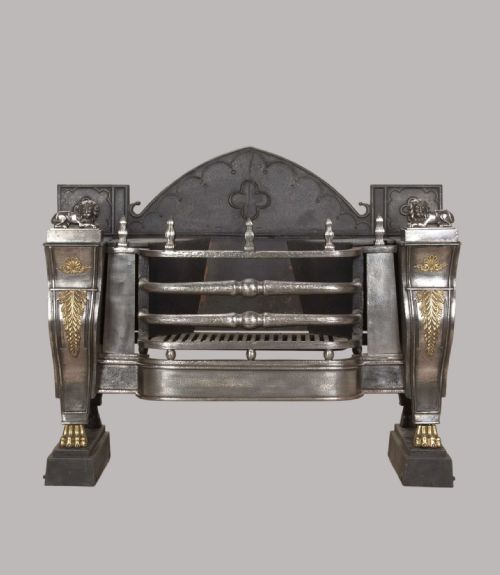
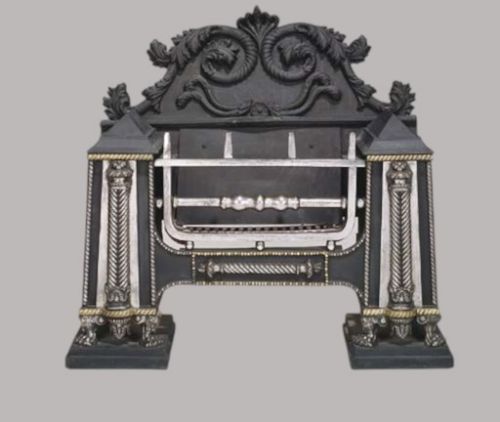
A cast iron fire insert represents the metal framework fitted directly into a fireplace opening, encompassing varieties such as register grates, hob grates, combination fireplaces, and fire baskets. These pieces originate across the Georgian, Regency, Victorian, and Edwardian eras, alongside later examples from the 1920s and 1930s.
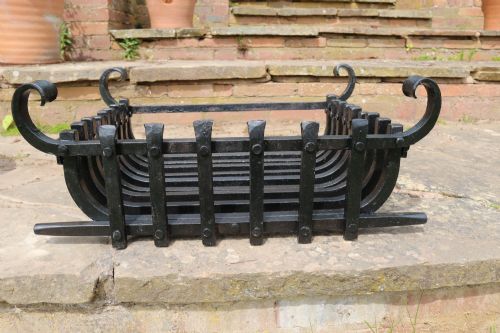
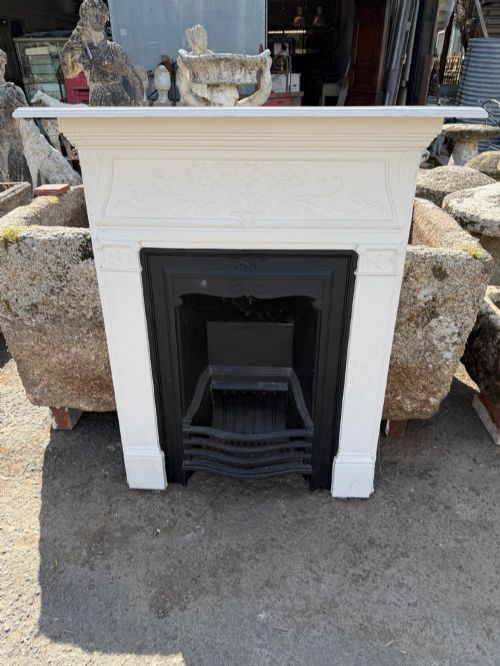
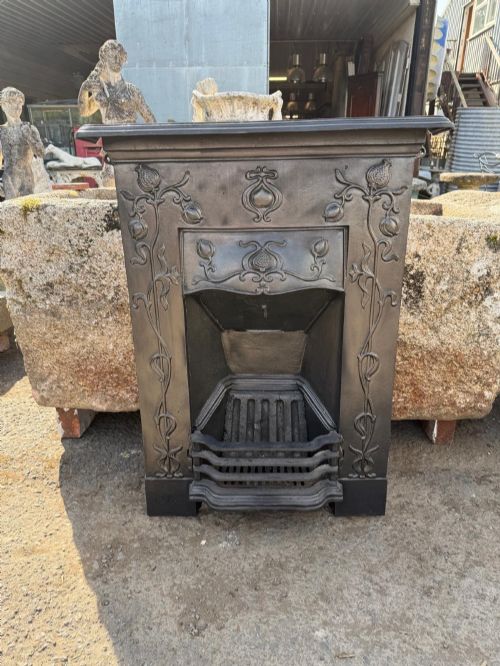
The version most commonly met on this page is the Victorian cast iron combination fireplace or fire basket, frequently paired with cast and wrought iron construction. Buyers also encounter freestanding grates and register grates spanning classical, Adam style, and Arts and Crafts designs.
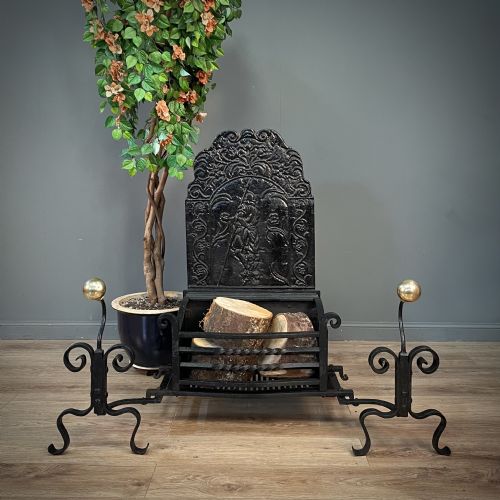
Object forms range from large fire grates with backs and miniatures to complete hearth sets featuring andirons and brass accents. Their presence spans centuries of domestic heating evolution, maintaining utility alongside distinct decorative periods.
Materials and construction
Foundry work relies heavily on cast iron for the main body and backplates, shaped through traditional casting methods to achieve structural rigidity and ornamental detail. Wrought iron frequently supplements these pieces for structural bars and baskets, offering tensile strength where the metal meets intense heat.
Cast Iron Fire Insert Retail Price Guide 2026
Typical asking prices for cast iron fire insert among the pieces listed under this phrase on Sellingantiques today, from the lower quarter to the upper quarter. They describe what is for sale here now, not the wider market.
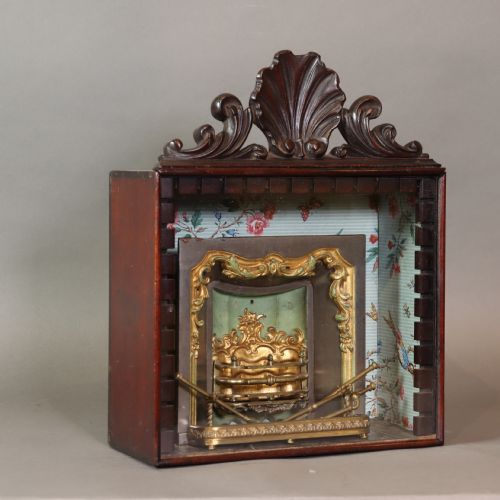
Salesmen once carried miniature brass and iron fireplaces from house to house, letting clients inspect the heavy metal goods right on the parlour table.
Assessing quality and manufacture
Quality rests in the crispness of the cast ornamentation and the structural integrity of the heavy iron components. Superior examples display refined classical proportions, clean neoclassical detailing, or precise Arts and Crafts handiwork without distortion from the casting process.
The distinction between standard utility grates and higher-grade pieces lies in the integration of brass elements, well-balanced wrought iron fire baskets, and complex register mechanisms that operate smoothly within the surround.
Coalbrookdale
The Cast Iron Fire Insert Glossary
- Register grate
- A fireplace grate featuring an adjustable plate or damper to control the draught up the chimney. This mechanical control sets it apart from open baskets.
- Hob grate
- A fireplace design featuring raised side shelves flanking the central fire basket, traditionally used for heating kettles. These surfaces define the domestic utility of Georgian and Regency interiors.
- Combination fireplace
- A single integrated unit where the mantel, insert, and grate form one continuous cast iron casting. This style gained widespread popularity during the Victorian period.
- Fire basket
- An open metal basket designed to hold coal or wood, standing independently or within a larger grate assembly. They often incorporate decorative brass elements and wrought iron bars.
- Firebrick
- A block of refractory ceramic material used to line the firebox and reflect heat back into the room. It protects the surrounding cast iron from extreme temperatures.
Cast Iron Fire Insert: Frequently Asked Questions
How do I measure for a fire insert?
Accurate measurement requires recording the height, width, and depth of the structural opening in the chimney breast before selecting an insert. Consideration must also be given to the clearance needed for register plates and surrounding hearth timber.
Matching the proportions of the insert to the room scale ensures the heavy cast iron presence sits correctly within the architectural context of the fireplace.
How do I clean cast iron safely?
Routine maintenance involves removing ash with a soft brush and wiping surfaces with a dry cloth to prevent moisture accumulation. Traditional grates benefit from occasional applications of grate polish to maintain the dark iron finish.
Harsh chemical cleaners and water should be avoided, as moisture causes rapid oxidation on unprotected cast and wrought iron surfaces.
Can I install an insert into a modern wall?
Fitting an antique insert into a contemporary wall requires creating a compliant builder's opening with adequate thermal insulation and a suitable hearth depth. Building regulations dictate the clearances required between hot metal surfaces and combustible materials.
Working with a qualified installer ensures the weight of the cast iron is properly supported and the flue connection operates safely.