


Cast Iron Base Table
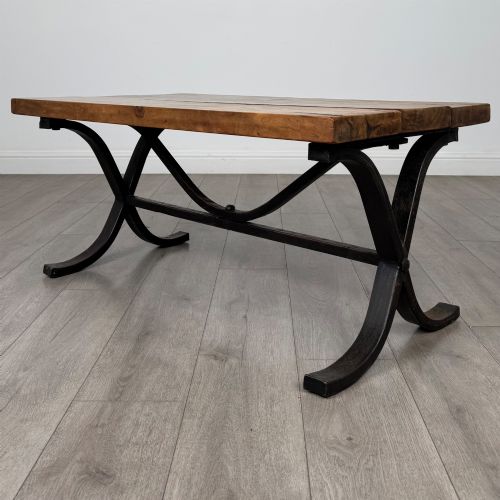
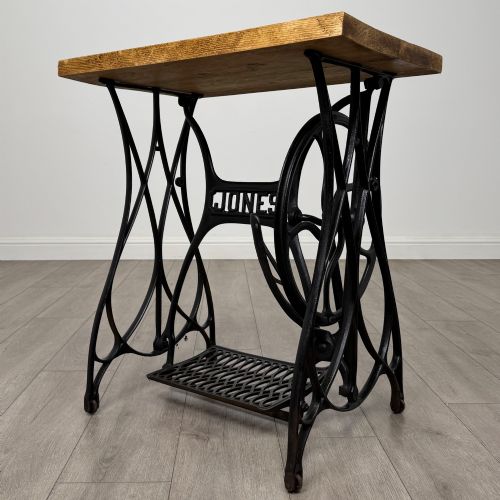
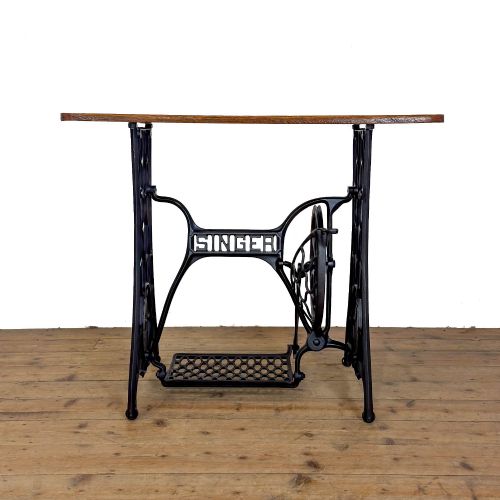
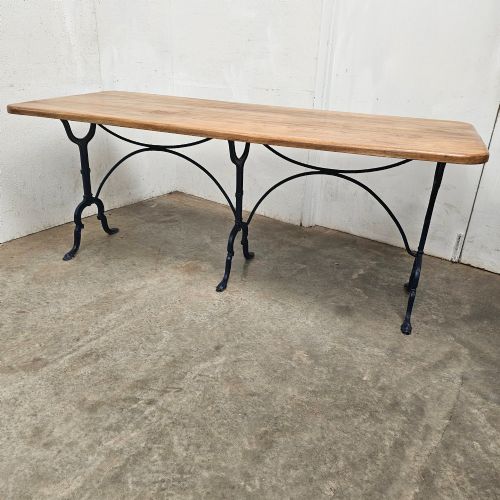
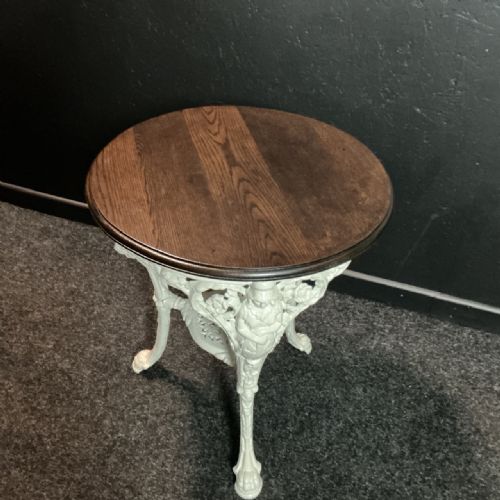
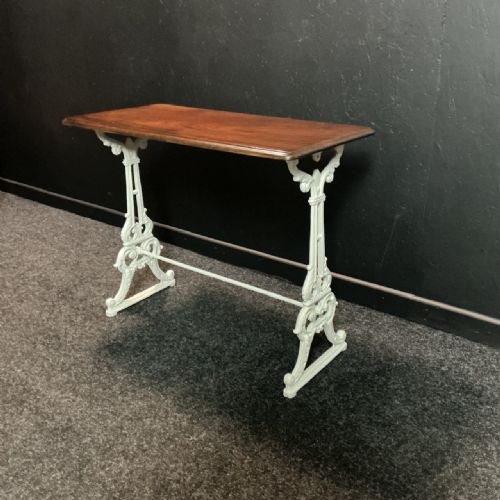
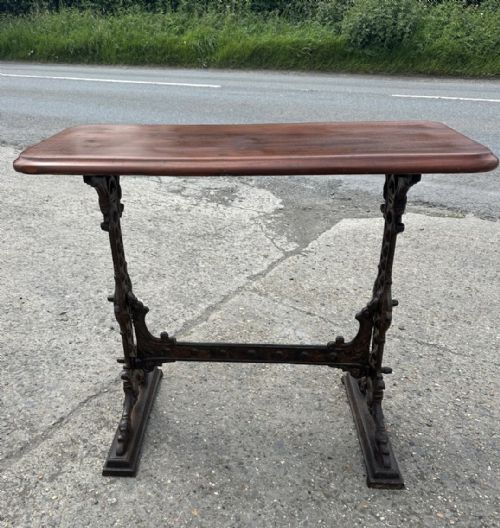
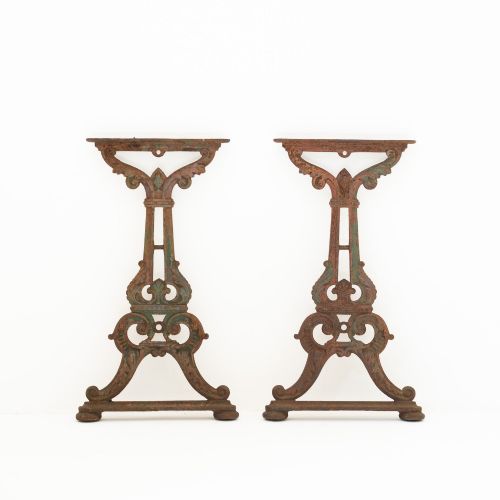
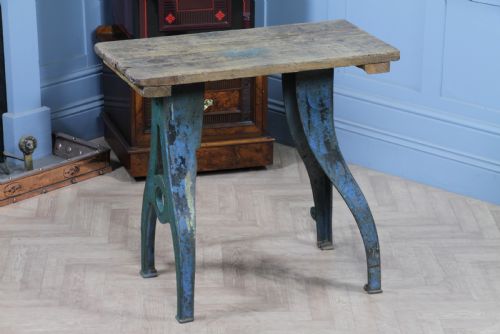
These cast iron base table examples combine industrial strength with domestic utility, offering heavy metal supports paired with timber or marble tops.
Understanding the cast iron base table
A cast iron base table combines a heavy metal foundation with a fitted wooden or marble top, originating primarily from the Victorian and Edwardian eras. These robust pieces served commercial and domestic functions alike, appearing in pubs, gardens, and workshops.
The most frequent configuration on this page is the Victorian pub table, which pairs a patterned metal pedestal with a solid mahogany or oak surface. Alongside these, coffee tables, bistro tables, and dining formats emerge from the nineteenth and early twentieth centuries.
Origins span British public houses and French establishments, with styles ranging from standard industrial utility to decorative garden patterns featuring rope and anchor motifs. Buyers encounter both period-matched timber surfaces and later adaptations utilising older ironwork.
Construction and Materials
Foundries produced the heavy metal supports through sand casting, pouring molten iron into moulds to create intricate scrollwork, tripod legs, or pedestal columns. This process allowed makers to incorporate detailed decorative motifs like ropes and anchors directly into the metal.
Tops were fashioned from durable hardwoods including mahogany, oak, burr walnut, and pine, as well as marble for conservatory and garden use. Cabinet makers secured these wooden and stone surfaces to the metal underframes using brackets and screws to withstand daily commercial or domestic strain.
Retail Price Guide 2026
Typical UK retail prices for cast iron base table, calculated from the Sellingantiques database of over a million retail prices indexed since 2003. This retail price guide relies exclusively on Sellingantiques data; no external sources or auction records are used, so the figures do not describe the wider market.
Some Victorian frames incorporate nautical rope and anchor motifs into the heavy iron casting, ready to steady a drink in any sea.
Distinctions in Quality
The sophistication of the foundry work dictates the visual merit of the metal support, with crisper casting and more elaborate sculptural detail separating ordinary frames from exceptional ones. Well-cast examples display sharp relief in their decorative patterns rather than softened edges from worn moulds.
The relationship between the top and the base influences the integrity of the piece, favouring original surfaces retained over generations above later replacements. Uniformity in wear across both timber and metal components indicates a cohesive history of use.
The Cast Iron Base Table Glossary
- Cast iron
- An iron-carbon alloy poured into moulds while molten to form rigid, heavy structural shapes. It provides the weighted foundation characteristic of these tables.
- Mahogany
- A durable tropical hardwood prized for its reddish-brown grain and stability. It frequently forms the primary surface on pub and dining tables.
- Tripod base
- A three-legged support structure designed to maintain stability on uneven floors. This configuration appears frequently on Victorian coffee and wine tables.
- Bistro table
- A small-scale table traditionally utilised in hospitality settings. These pieces often combine metal underframes with marble or timber tops.
- Burr walnut
- Wood harvested from walnut tree growths, featuring swirling, highly figured grain patterns. It provides an ornate surface aesthetic on select tables.
Frequently Asked Questions
Where were these tables used originally?
These tables served primarily in commercial and domestic environments, including public houses, conservatory spaces, and gardens. Their heavy metal construction prevented tipping in busy settings.
Pubs utilised smaller pedestal formats for standing or seated patrons, while larger dining and centre tables accommodated multiple guests.
Are the tops original to the bases?
Many pieces retain their original timber or marble tops, particularly those sourced from Victorian public houses and French establishments. Mahogany and oak surfaces often show matching age patination.
Other examples combine period metal underframes with replacement tops or later adaptations, which is common in coffee table conversions.
How do I care for the metal base?
Cast iron requires minimal maintenance beyond dusting and occasional light oiling to protect exposed metal surfaces from moisture. Painted bases benefit from gentle cleaning without harsh chemical solvents.
Avoiding excessive dampness prevents oxidation and preserves the original finish of the foundry work.
What woods appear on these tables?
Mahogany and oak are the most frequent timber surfaces found paired with these metal supports. These hardwoods provided the durability required for heavy daily use.
Burr walnut and pine also appear on specific occasional and dining formats, offering distinct grain textures and tones.