



Cast Iron Architectural Salvage
Cast iron architectural salvage brings the robust industrial and domestic ornamentation of past centuries straight into modern interiors and gardens.
Cast Iron Architectural Salvage
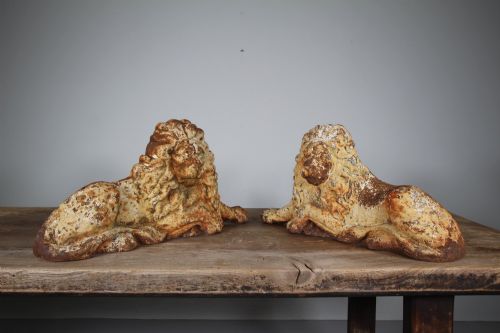
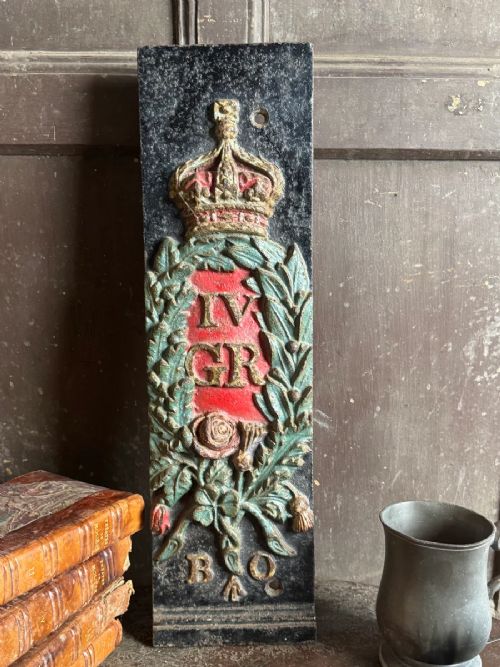
When you search for cast iron architectural salvage, you encounter structural fragments, garden elements, and decorative metalwork removed from period buildings. These objects range from practical items like boot scrapers and wall brackets to decorative fixtures such as ceiling roses, balustrade panels, and lamp posts.
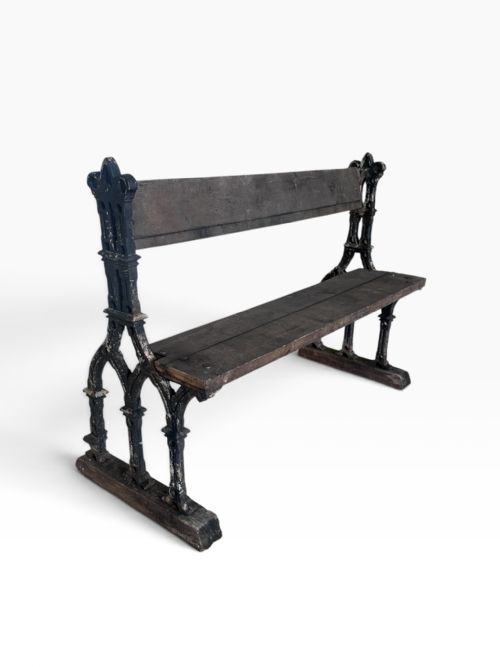
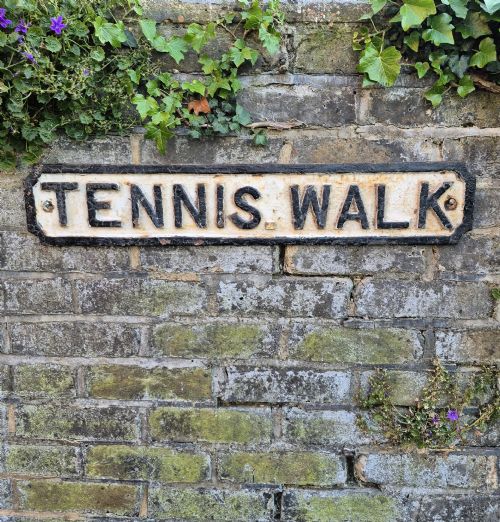
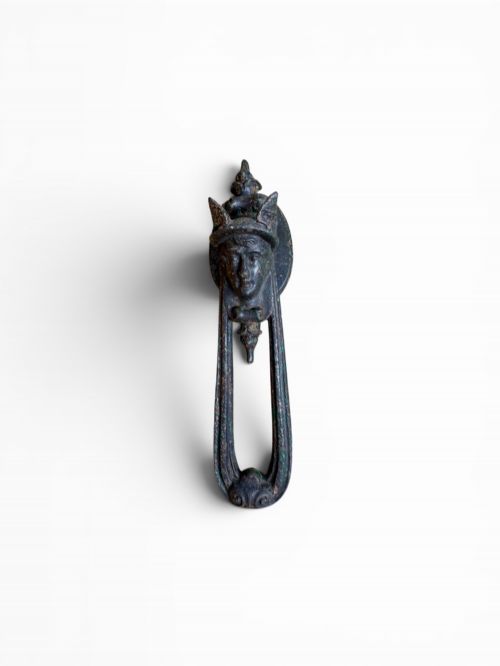
You are most likely to meet Victorian pieces on this page, alongside items from the Georgian, Regency, and 1930s periods. Forms span domestic accessories like fireplace furniture and door knockers to substantial outdoor items including gates, garden benches, and street signs.
The origins of these items reflect British and French manufacturing traditions, often showing the heavy utility of industrial or country house settings. Each piece carries the distinct marks of its original architectural context, whether mounted on a wall or embedded in stone.
What varies in quality
The integrity of the surviving material and the preservation of original surface finishes dictate the standing of a piece. Retaining early paint layers or mounting elements like original stone blocks adds depth to the historical record of the object.
Cast Iron Architectural Salvage Retail Price Guide 2026
Typical asking prices for cast iron architectural salvage among the pieces listed under this phrase on Sellingantiques today, from the lower quarter to the upper quarter. They describe what is for sale here now, not the wider market.
Listings feature items spanning the 15th century through to the 1940s, utilising cast iron, wrought iron, paint, stone, glass, wood, enamel paint, and gold leaf.
The Cast Iron Architectural Salvage Glossary
- Ceiling rose
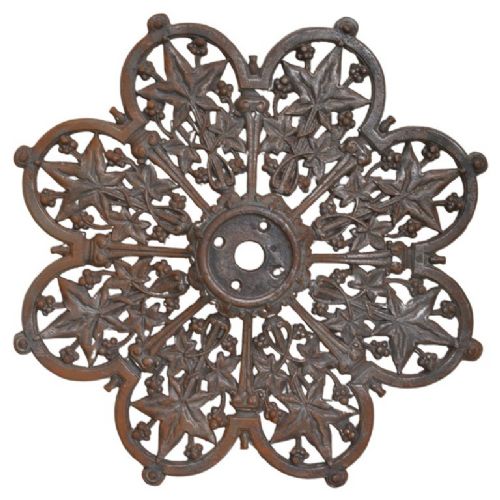
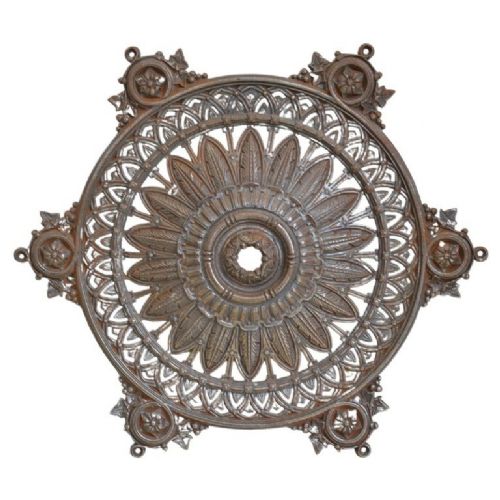
- A circular decorative moulding fixed to a ceiling around the centre point for a light fitting. Victorian examples frequently utilise cast iron with plant motifs like ivy or feathers.
- Boot scraper
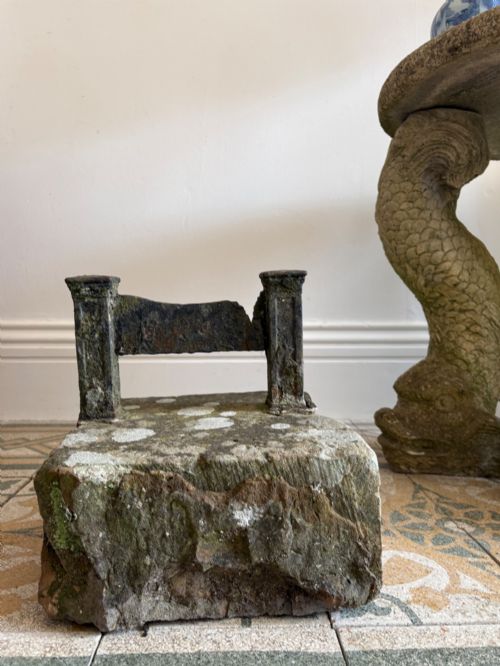
- A stationary metal blade or fixture placed near an entrance to remove mud from footwear. Many examples are inset directly into hewn stone blocks or mounted by doorframes.
- Balustrade panel
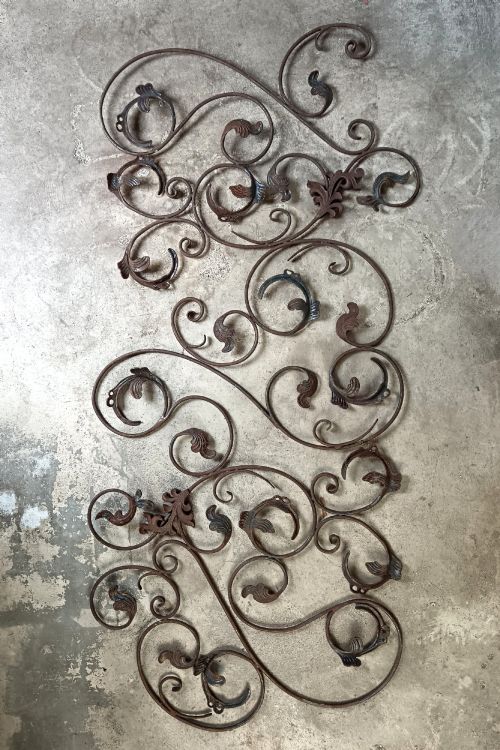
- A flat decorative section designed to fill the space between handrails and base rails on a staircase or balcony. French country and domestic pieces often display openwork scroll patterns.
- Fire back
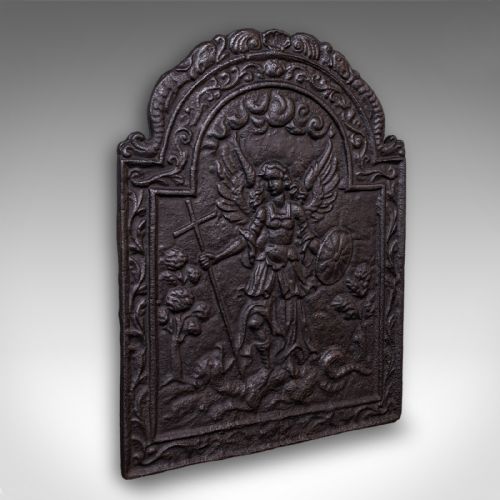
- A heavy cast iron plate placed at the back of an open hearth to reflect heat into the room and protect the masonry wall. These often feature armorial bearings or historical dates.
- Hitching post
- A sturdy vertical post with a ring or decorative top, such as a horse head, used for tethering animals. They stand as robust markers of nineteenth-century streetscapes and stableyards.
Cast Iron Architectural Salvage: Frequently Asked Questions
How do I clean cast iron salvage?
Gently brush away loose dirt and dust with a soft-bristled brush to preserve any historic paint layers or patination.
Avoid harsh chemical strippers or aggressive scrubbing that might strip away the weathered surface history accumulated over the centuries.
Can these pieces go outside?
Many items, such as lamp posts, boot scrapers, and garden benches, were originally designed for exterior conditions and naturally withstand outdoor weather.
Indoor elements like ceiling roses or fire backs require careful placement to prevent moisture damage and subsequent flaking of the iron.
How do I mount heavy wall brackets?
Secure heavy cast iron brackets directly into solid masonry or studwork capable of supporting substantial weight.
Consult a professional builder to ensure appropriate fixings are used for items like horse head wall bracket shelves or large architectural panels.
Are these items original?
The listings comprise authentic period items salvaged from historic buildings, streetscapes, and gardens rather than modern reproductions.
Each piece bears the casting marks, wear patterns, and material characteristics consistent with its stated period of origin.