




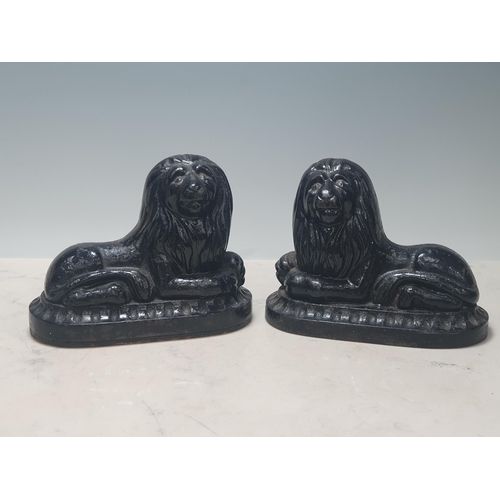


Cast Iron Animal
These cast iron animal figures bring sturdy utility and character to a room, ranging from doorstops to desk ornaments.
Cast Iron Animal
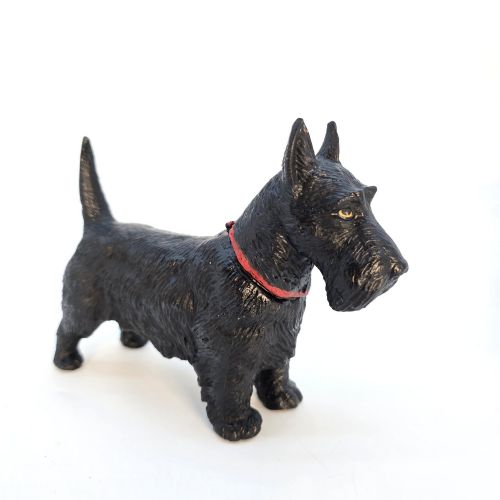
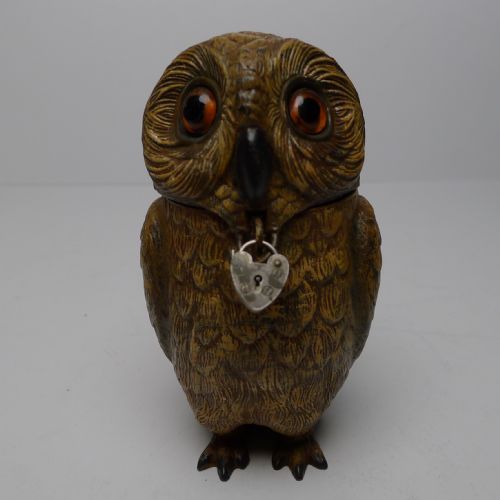
When you search for a cast iron animal, you are looking at functional and decorative metal objects shaped into beasts both domestic and wild. The selections here include nineteenth-century doorstops, table lighters, money boxes, and fireplace ornaments.
You are most likely to meet Victorian and early twentieth-century examples on this page. These pieces served practical household roles while doubling as decorative sculptures.
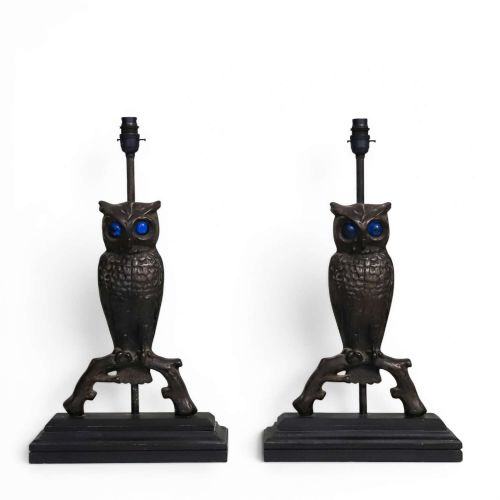
The range spans English country house items, French foo dogs, and American folk art lamp conversions. Each piece reflects the utilitarian aesthetic of its period.
How they were made
Objects in this category rely primarily on cast iron, cast metal, and spelter shaped through foundational foundry techniques. Makers poured molten metal into moulds to capture the detailed forms of lions, dogs, pigs, and birds.
Many items receive additional surface treatments such as hand painting, black paint, or a bronze finish patina. Certain pieces incorporate mixed materials like glass or brass alongside the primary metal body.
Cast Iron Animal Retail Price Guide 2026
Typical asking prices for cast iron animal among the pieces listed under this phrase on Sellingantiques today, from the lower quarter to the upper quarter. They describe what is for sale here now, not the wider market.
A mechanical bell shaped like a polished pig stands ready to summon attention across the desk.
What varies in quality
Original hand-painted surfaces and patination elevate a piece above later repainted or heavily worn specimens. The integrity of the casting marks the primary measure of quality.
The Cast Iron Animal Glossary
- Doorstop
- A heavy weight used to keep a door open. These take sculptural forms such as lions, foxes, and horses.
- Spelter
- An alloy of zinc and copper used as a substitute for bronze. It appears frequently in decorative money boxes and figures from the early twentieth century.
- Patina
- The surface appearance altered by age, wear, and exposure. A bronze finish patina indicates the intended metallic tone of the original piece.
- Foo dog
- A traditional Chinese guardian lion sculpture. French interpretations in cast iron appear among these listings.
Cast Iron Animal: Frequently Asked Questions
What were cast iron animals used for?
These items served various practical household functions alongside their decorative appeal. Common uses included propping open doors, lighting tables, holding money, and scraping mud from boots.
Heavier items like door stops and fireplace ornaments anchored everyday spaces, while smaller desk accessories and money boxes functioned in studies and parlours.
How do I date a cast iron animal?
Dating relies on stylistic markers, casting techniques, and surface finishes associated with specific periods like the Victorian era or the nineteen-thirties. Victorian pieces often display heavier utilitarian forms, while later items reflect art deco or folk art influences.
Documentation or specific construction methods help narrow the decade of production when maker marks are absent.
Are all these items made of cast iron?
While cast iron is predominant, the selection also includes related materials such as spelter, cast metal, and brass combinations. Some pieces incorporate glass elements or painted surfaces.
Each material dictates the weight and handling characteristics of the individual sculpture or functional object.
How do I care for antique cast iron?
Keep the metal dry and dust it gently with a soft cloth to preserve painted surfaces and patinas. Avoid harsh chemical cleaners that can strip original finishes.
Stable indoor humidity prevents oxidation and protects any applied hand-painted details or bronze patinas.