
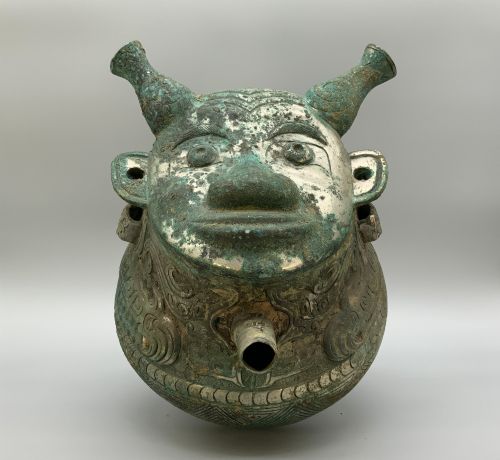


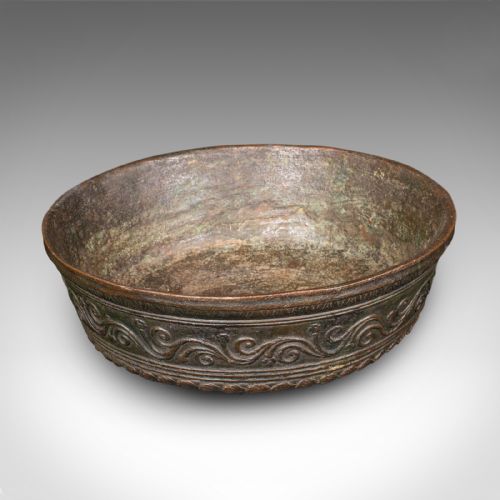


Cast Bronze Ritual Vessel
A cast bronze ritual vessel brings ancient form and heavy metal substance into a room, made for those who value enduring weight and historical resonance.
Cast Bronze Ritual Vessel
A cast bronze ritual vessel spans multiple eras and geographic traditions, taking forms such as tripods, wine vessels, food bowls, and censers. Buyers will encounter pieces ranging from Chinese archaic styles and Ming or Qing dynasty examples to Victorian interpretations, Japanese Edo period pieces, and West African tribal containers.
The primary forms on this page include incense burners, censers, vases, and ritual vessels used for ceremonial purposes. Many pieces incorporate traditional motifs like human faces, lion masks, and dragons, reflecting their origins in ancestral worship, scholarly pursuits, and temple rituals.
Materials and casting methods
These objects rely primarily on bronze and copper alloy, sometimes accompanied by brass and finished with a verdigris patina. The metal is poured to create thick, substantial walls that yield significant weight and bell-ring resonance.
The construction involves heavy casting techniques that produce complex shapes, such as lobed lotus forms and tripod legs. Artisans shaped these metals to withstand ceremonial use while developing rich surface textures over centuries.
Some vessels are so heavily cast they weigh over three kilograms and ring like a bell when struck.
Distinctions in quality
Quality rests in the precision of the casting and the density of the metal, where heavier pieces often demonstrate superior craftsmanship. The articulation of details, from lion masks to ritual motifs, separates standard decorative items from master-cast works.
The integrity of the form and the natural development of the verdigris patina contribute to a piece's visual depth. Superior examples maintain clear acoustic properties, such as resonance when struck, indicating purity in the alloy.
The Cast Bronze Ritual Vessel Glossary
- Censer
- A vessel designed for burning incense, often featuring a pierced lid or open bowl for smoke dispersal. These objects appear frequently in ritual and domestic settings.
- Tripod
- A vessel supported by three feet, typical of ancient ritual bronzes and designed for stability on stone altars. This configuration is common in wine and food vessels.
- Patina
- The surface coloration and texture developed through age and oxidation, including verdigris tones. This layer indicates the natural ageing process of the copper alloy.
- Gu
- A traditional Chinese ritual beaker or vase form characterised by a flared mouth and slender central stem. These pieces served ceremonial functions in ancestral rites.
- Gui
- A heavy ritual food vessel featuring a rounded bowl and loop handles, often cast with animal or mask motifs. These items held offerings during important ceremonies.
Cast Bronze Ritual Vessel: Frequently Asked Questions
What was a cast bronze ritual vessel used for?
These vessels served primarily in ancestral worship, temple ceremonies, and scholarly rituals for burning incense or holding wine and food offerings.
Over time, many transitioned from sacred functions into decorative objects and scholar's desk items valued for their aesthetic presence.
How do I identify the age of a bronze vessel?
Age is indicated by the casting technique, the style of the decoration, and the natural development of the patina over the metal.
Pieces often reflect specific stylistic periods, such as Ming or Qing dynasty designs, or later Victorian and European interpretations of those archaic forms.
Why do some bronze censers ring like a bell?
The bell-ring resonance comes from the specific proportion of copper and alloy metals used during the heavy casting process.
Master-cast pieces with dense, uniform walls produce a clear tone when struck, which indicates high quality in the metalwork.
Where should I display a heavy bronze ritual vessel?
Due to their substantial weight, often several kilograms, these vessels require sturdy surfaces such as low tables, heavy desks, or dedicated display stands.
Placing them away from high-traffic areas ensures the patinated surface and delicate cast details remain protected from accidental knocks.