



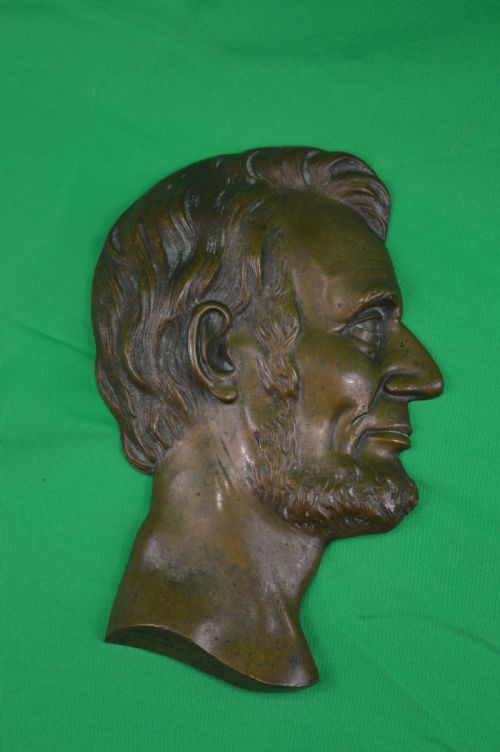


Cast Bronze Plaques
These cast bronze plaques bring deep relief portraiture and heraldic crests directly to the wall, offering tactile historical presence in metal.
Cast Bronze Plaques
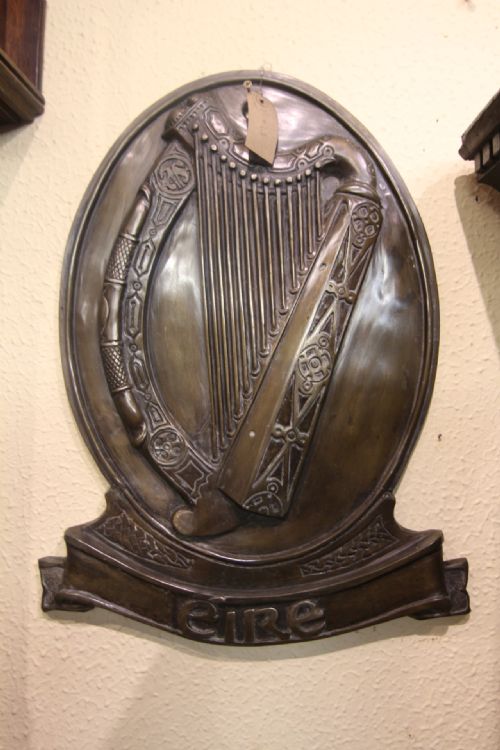
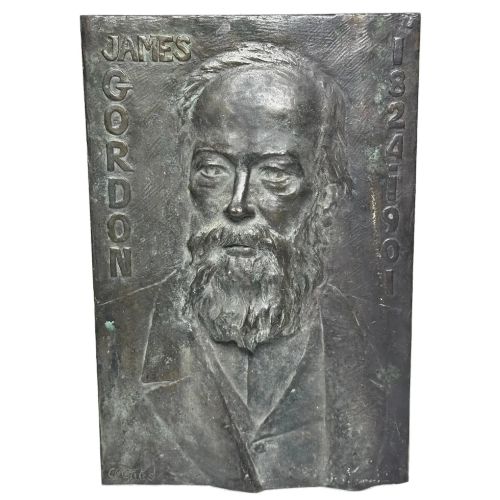
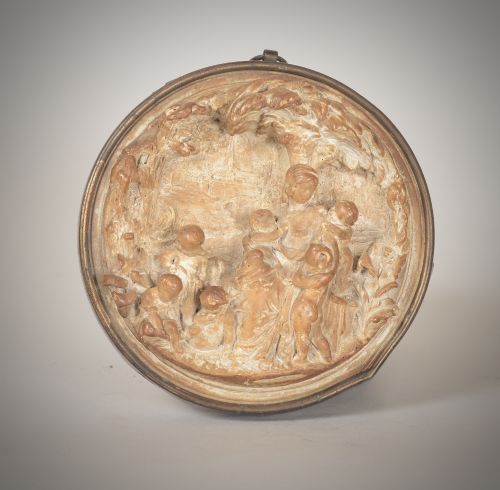
When you search for cast bronze plaques, you encounter a diverse array of relief sculptures, portrait roundels, and heraldic pieces spanning from the eighteenth century through to later twentieth-century designs. The examples you are most likely to meet on this page feature nineteenth-century portraiture, classical grand tour subjects, and armorial crests.
The selection ranges from large commemorative items to intimate profile heads of historical figures such as Abraham Lincoln and Charles Dickens. Alongside pure bronze, the pieces often incorporate associated metals like brass and cast iron, reflecting the varied output of European foundries.
Casting and finishing techniques
Secondary materials appear in specific contexts, such as turned timber frames housing roundels or polychrome paint applied to highlight particular decorative elements. The resulting surfaces display patinations achieved through natural ageing or chemical treatments applied in the workshop.
Cast Bronze Plaques Retail Price Guide 2026
Typical asking prices for cast bronze plaques among the pieces listed under this phrase on Sellingantiques today, from the lower quarter to the upper quarter. They describe what is for sale here now, not the wider market.
Shakespeare and Rubens stare at each other across matched iron portrait plaques, ready to judge your hallway decor.
Quality and execution
The distinction between ordinary and superior pieces rests entirely upon the crispness of the casting and the skill of the post-cast finishing work. Finer examples exhibit deep, clean undercuts and sharp lettering where inscriptions or signatures are present.
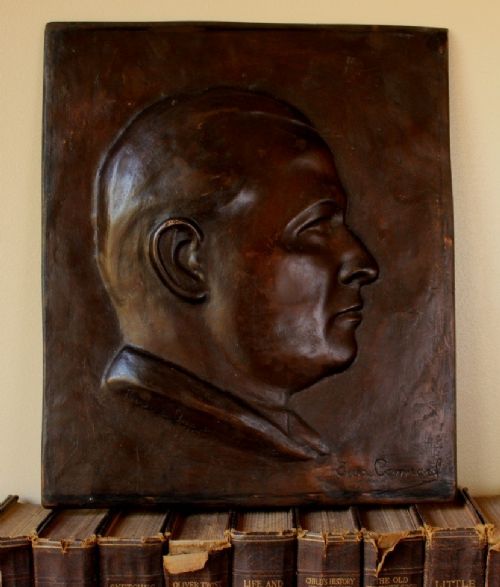
Provenance and documented authorship also elevate certain works, particularly signed portrait plaques by known modellers or specific foundry attributions. The depth of the relief and the weight of the metal itself further indicate the level of ambition in the original manufacture.
Eugene Canneel·Coalbrookdale
The Cast Bronze Plaques Glossary
- Relief
- Sculpture where the figures project from a flat background. High relief stands out strongly, while low relief remains closer to the surface plane.
- Grand Tour
- A cultural journey undertaken by wealthy Europeans in the eighteenth and nineteenth centuries. Souvenirs included miniature bronzes and classical plaques.
- Heraldic
- Pertaining to coats of arms and armorial bearings. These plaques display familial or institutional crests and mottos.
- Roundel
- A circular panel or plaque used for decorative wall display or framing. They frequently depict profile portraits.
- Maquette
- A preliminary model or sketch for a larger sculpture. These small studies reveal the initial working methods of the artist.
Cast Bronze Plaques: Frequently Asked Questions
How do I hang a heavy bronze plaque?
These metal pieces require secure wall fixings suited to their substantial weight, typically utilising heavy-duty picture wire attached to robust mounting loops or direct screw fixings into masonry plugs.
Avoid standard plasterboard hooks unless you anchor directly into wooden studs or use appropriate toggle bolts to ensure the plaque remains firmly supported.
Can I polish the bronze surface?
Polishing alters the historical character of the metal by removing the dark patination accumulated over decades or centuries. Most collectors prefer to leave the natural oxidation untouched, as it preserves the depth and tonal variation of the casting.
If cleaning is necessary, a gentle dusting with a soft brush is sufficient; chemical polishes should be strictly avoided on antique bronzes.
What is a grand tour plaque?
Grand tour plaques are portable works of art acquired by travellers visiting classical sites in Italy and Europe during the nineteenth century. They often reproduce famous ancient sculptures, architectural elements, or profile portraits of classical figures.
These pieces served as intellectual souvenirs and status symbols for educated collectors displaying their refined tastes at home.
How do I date a cast bronze plaque?
Dating relies on stylistic clues, costume details in portraits, typography on inscriptions, and the nature of the metal's patination. Nineteenth-century examples often display sharper neoclassical or Victorian design traits, while twentieth-century pieces shift towards Art Deco or modernist aesthetics.
Signatures, foundry marks, and accompanying frames also provide reliable chronological markers for attribution.