




Cast Bronze Desk Lamps
Cast bronze desk lamps bring heavy metal casting and functional period illumination to a workspace, offering solid construction alongside distinct historical ornament.
Cast Bronze Desk Lamps
Cast bronze desk lamps encompass heavy metal task and accent lighting produced primarily during the nineteenth and early twentieth centuries. Buyers searching this phrase encounter pieces ranging from plain traditional columns to elaborate figural sculptures adapted for illumination.
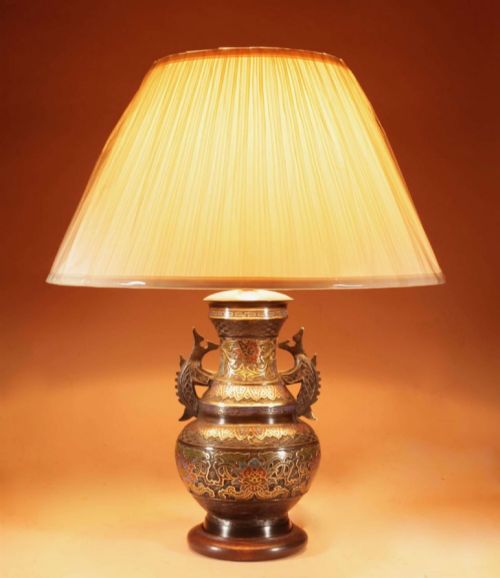
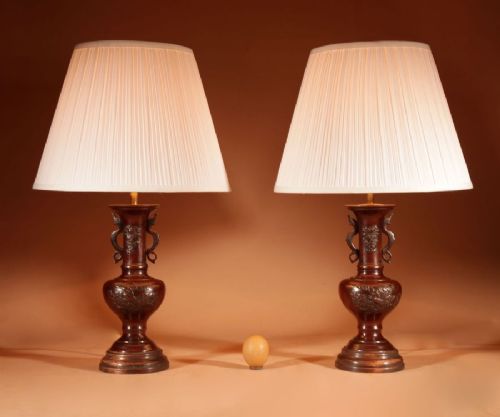
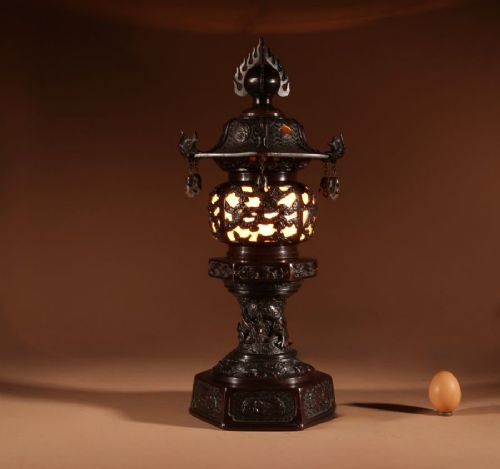
The selection on this page relies heavily on French and Japanese influences, featuring motifs from the Meiji period, Art Nouveau curves, and Art Deco geometric designs. Forms include standard table lights, patinated bronze figures, and specialised bases paired with fabric or glass shades.
Originating across Victorian and Edwardian workshops as well as continental European foundries, these lamps combine utility with decorative metalwork. They survive in various configurations, often retaining original gilding, patination, or mixed-media elements like marble bases.
Materials and construction
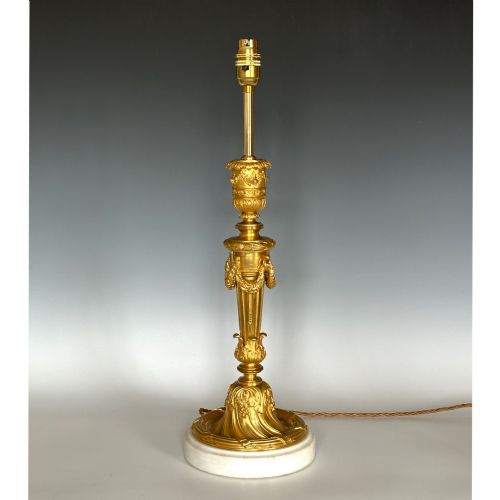
Foundries utilised traditional sand-casting and lost-wax techniques to shape molten bronze into complex figural or architectural components. Artisans then finished the metal surfaces through hand-chiselling, patination, or the application of gilt bronze and ormolu.
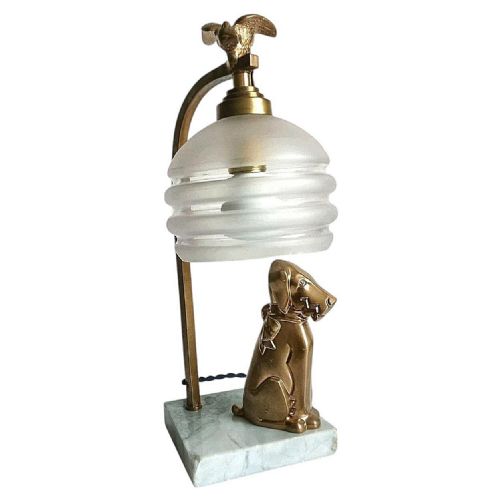
Makers integrated secondary materials such as marble for weighted bases, brass fittings for mechanical adjustments, and opaline or frosted glass for shades. Fabric elements and carved wood details also appear to complement the metal structures.
Wiring and electrical components represent later adaptations, as nineteenth-century examples originally held oil burners or gas fittings before conversion to electricity during the twentieth century.
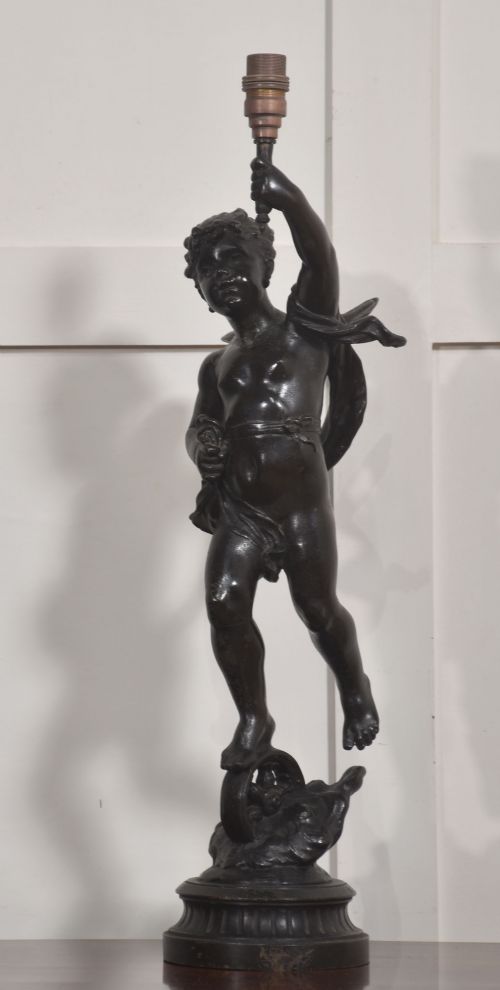
Several Victorian models feature cheerful cherubs, mischievous dolphins, and watchful dogs guarding the desk space.
Distinctions in craftsmanship
The choice of base materials and structural weight dictates durability, with solid bronze and heavy marble plinths outlasting hollow spelter alternatives. Original surface patination and intact fire-gilding also distinguish well-preserved historical specimens from later alterations.
L & F Moreau·Joseph Hinks·The Charles Parker Company·Aug. Moreau·P. Sega·Adrien Gaudez·Hawkins
The Cast Bronze Desk Lamps Glossary
- Patina
- The surface coloration and oxidation developed naturally over time or applied chemically by a founder. It protects the metal and indicates the age of the piece.
- Ormolu
- Gilt bronze produced by applying a finely ground mercury and gold amalgam to a bronze object before heating. This French finishing technique creates a brilliant golden surface.
- Spelter
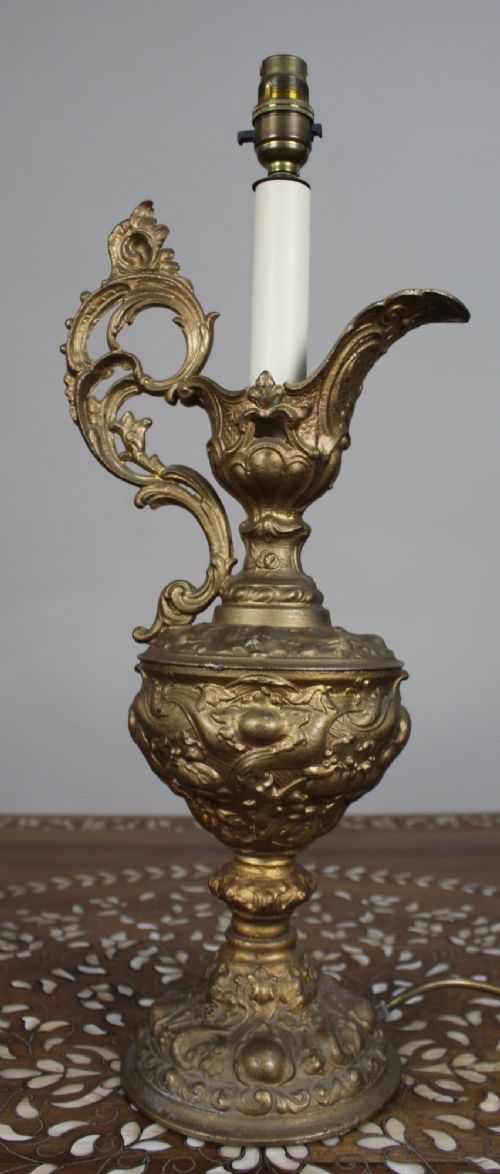
- An alloy of zinc and lead used as a cheaper substitute for bronze in decorative figures. It is softer and lighter than genuine bronze.
- Champlevé
- An enamelling technique where troughs are carved into the bronze surface and filled with vitreous enamel powder before firing. It frequently appears on Japanese export pieces.
- Chasing
- The manual post-casting process of refining metal details using hammers and punches. High-grade castings show deep, sharp toolwork rather than smooth, soft outlines.
Cast Bronze Desk Lamps: Frequently Asked Questions
How do I identify a true bronze lamp from spelter?
Genuine bronze feels significantly heavier and exhibits a resonant tone when tapped gently, whereas spelter is softer and more brittle. A magnet will not stick to either metal, but a small scratch on an unexposed underside reveals yellowish bronze beneath, compared to the silvery grey metal of spelter.
Bronze also holds patination differently and accepts sharper detail during the casting process. Many lesser nineteenth-century figures used spelter as an economical alternative to cast bronze while mimicking the same dark patinated finish.
Were these lamps originally electric?
Most nineteenth-century and early twentieth-century examples started life as oil lamps or gas lights before undergoing conversion to electricity. Makers adapted standard burners and font chambers to hold bulb holders and wiring as household electricity became common.
This history means buyers often encounter altered internal components and modern replacement cords. Examining the base or stem reveals how original oil founts or gas keys were adapted for modern switches.
What styles dominate these antique desk lamps?
French nineteenth-century designs, Art Nouveau, and Art Deco represent the primary visual styles found in this category. Art Nouveau examples favour flowing floral lines and organic female figures, while Art Deco pieces emphasise geometric angles and animal subjects.
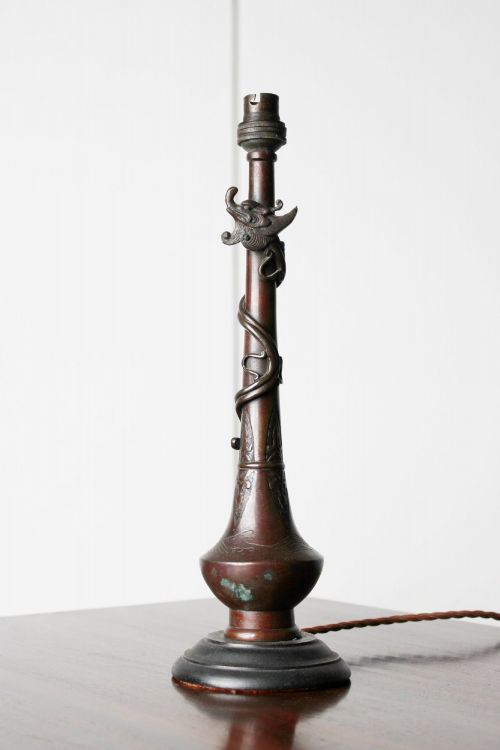
Japanese Meiji period bronzes introduce dragon, elephant, and temple lantern motifs. These diverse aesthetics reflect the global trade and revivalist movements of the Victorian and Edwardian eras.