


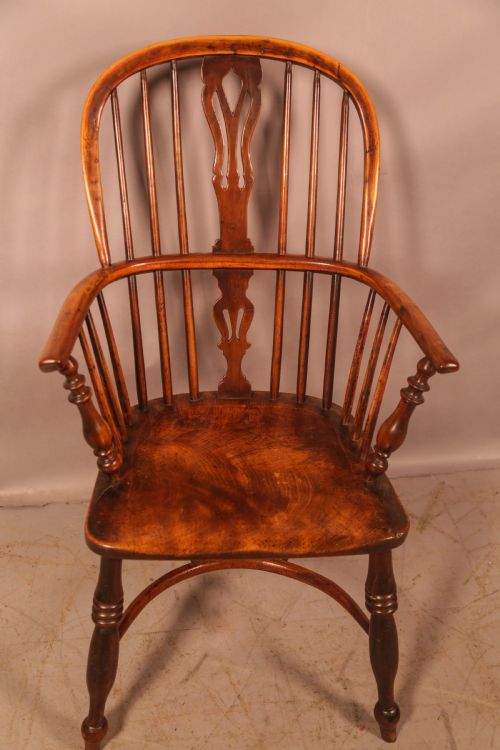
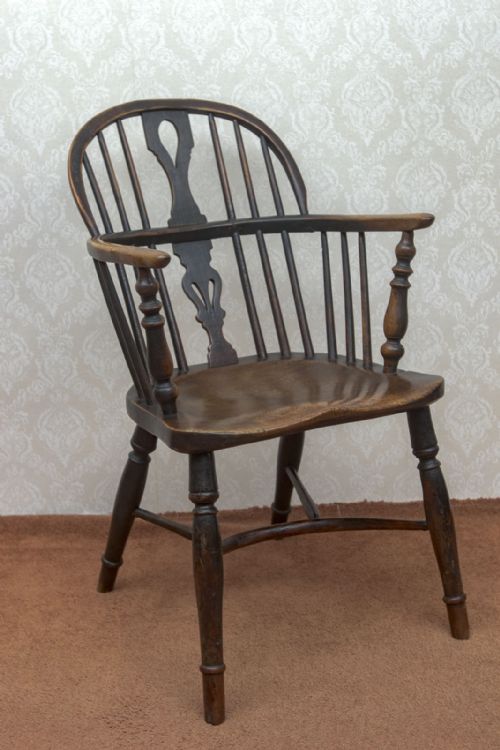


Carved Yew Wooden Armchair
A carved yew wooden armchair offers tactile grain and sturdy regional craft, bringing enduring warmth to a country interior.
Carved Yew Wooden Armchair
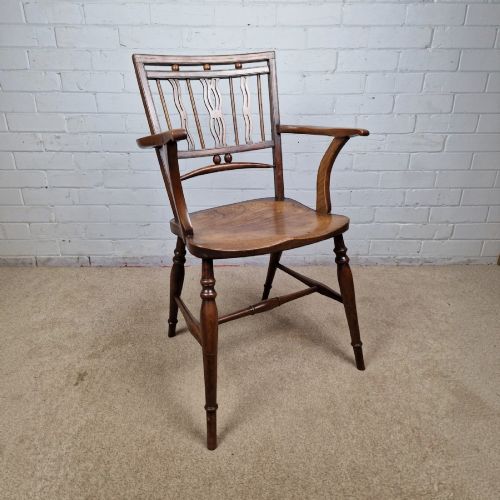
A carved yew wooden armchair represents the pinnacle of vernacular seating, combining rustic utility with sophisticated timber selection. Buyers seeking a carved yew wooden armchair typically encounter nineteenth-century English country examples, notably Windsor forms from regional hubs like the Thames Valley.
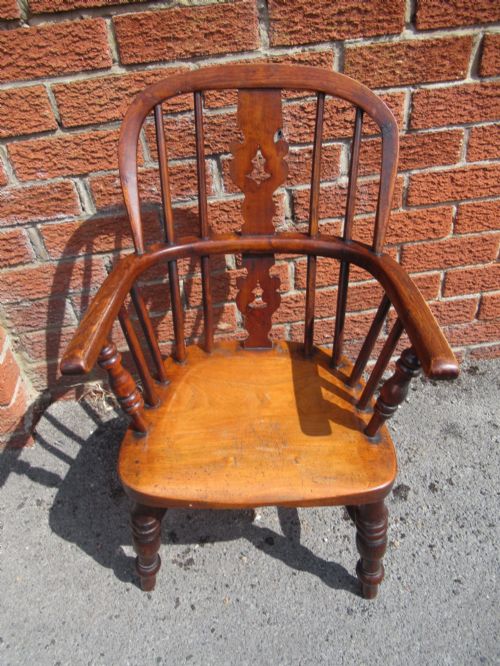
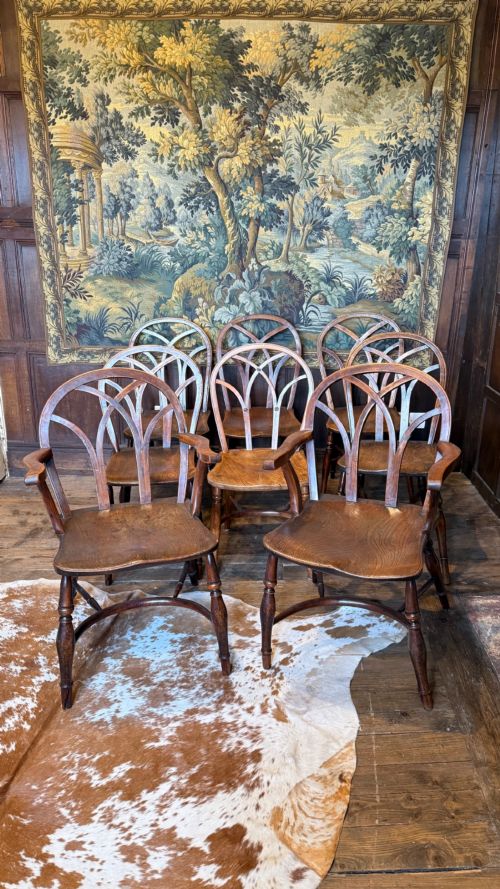
The selection ranges from low-back and high-back seating to broad arm variants and captain's chairs. Makers frequently combined yew with elm, ash, beech, and fruitwood to construct these resilient seats.
How they were made
Traditional makers utilised a combination of turned spindles and solid plank seats, often pairing yew wood frames with contrasting elm for the seat boards. Regional vernacular workshops shaped these timbers using specialised hand tools to achieve robust joints without metal fasteners.
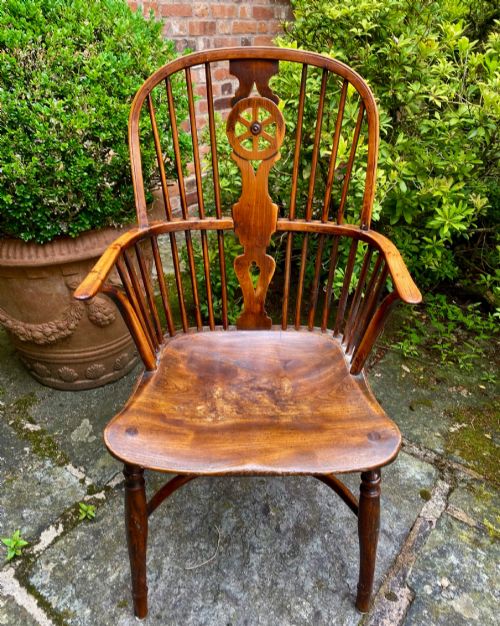
Carved details such as snake head motifs or wheel-back splats required skilled hand-carving directly into dense hardwoods like yew and fruitwood. Frame components were steam-bent or turned on pole lathes before being assembled with wedged tenons.
What varies in quality
The distinction between ordinary and exceptional pieces lies in the choice of timber and the complexity of the turning and carving. Richly figured yew grain paired with contrasting secondary woods elevates a chair above standard regional production.
Structural integrity combined with refined proportions determines the standing of each armchair. Pieces featuring unusual elements, such as broad arms or detailed serpent carvings, demonstrate greater ambition from the maker.
The Carved Yew Wooden Armchair Glossary
- Windsor chair
- A chair built with a solid wooden seat into which the legs and back spindles are direct-inserted. This construction method defines the vernacular seating tradition.
- Thames Valley
- A geographical style attribution associated with high-quality nineteenth-century Windsor chairs. Pieces from this region often display superior timber selection and refined turning.
- Vernacular
- Architecture or furniture built by local craftsmen using traditional methods and native materials. These items serve practical functions without high-style academic pretension.
- Broad arm
- A chair arm widened significantly into a flat writing or resting surface. This feature appears on heavier regional armchairs.
Carved Yew Wooden Armchair: Frequently Asked Questions
Are these chairs comfortable for daily use?
Nineteenth-century wooden armchairs are surprisingly supportive due to their sculpted plank seats and supportive spindle backs. Adding a small cushion makes them suitable for regular sitting.
Their robust construction ensures they easily handle everyday living when placed in a study or sitting room.
How do I identify a Thames Valley piece?
Thames Valley chairs typically show exceptional yew wood grain and refined spindle turnings. Makers in this region employed superior joining techniques.
Look for elegant proportions and a combination of yew framework with a solid elm seat board.
Where should I place an antique armchair?
These armchairs anchor a room well when placed beside a fireplace or used as a desk chair. Their rich timber tones complement both rustic and traditional interiors.
Keep them away from direct heat sources to protect the historic yew and elm woods from drying.
What does vernacular primitive mean?
This term describes objects made by local artisans following regional traditions rather than academic design rules. These pieces prioritise functional strength and available native timber.
Each workshop added distinct local touches, making regional variations fascinating to compare.