


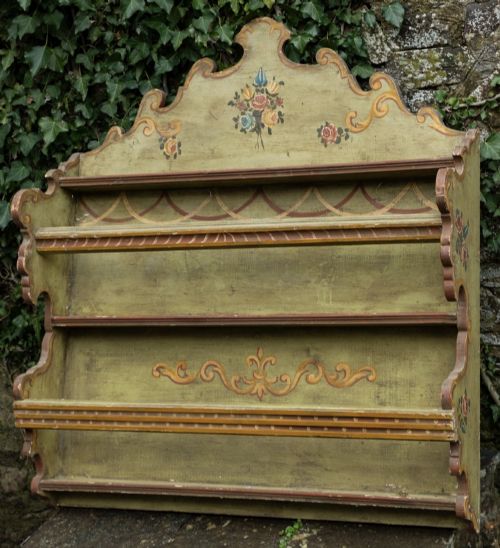

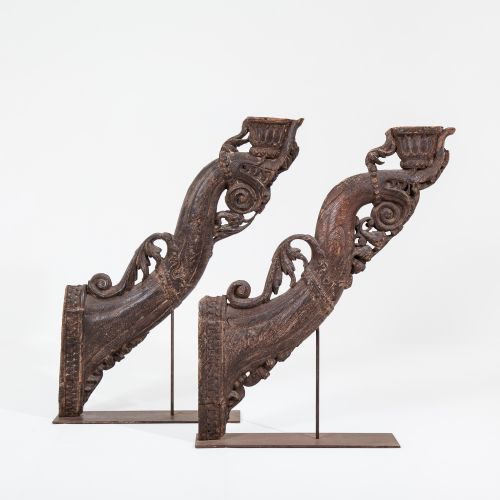


Carved Wooden Wall Shelf
These carved wooden wall shelf pieces offer practical display surfaces shaped by centuries of regional joinery and cabinet-making traditions.
Carved Wooden Wall Shelf
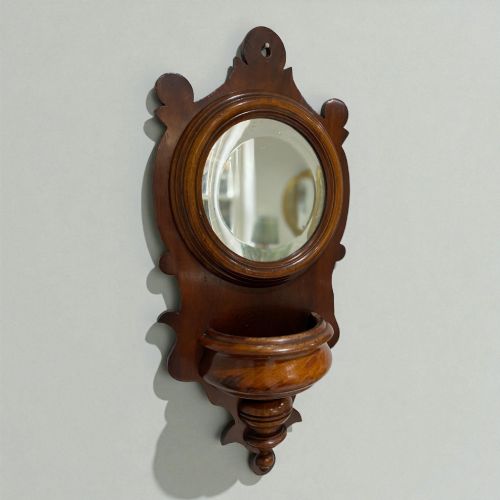
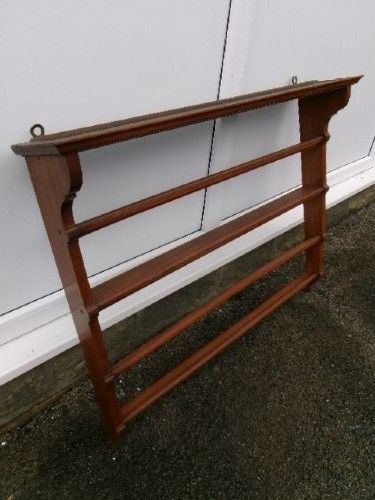
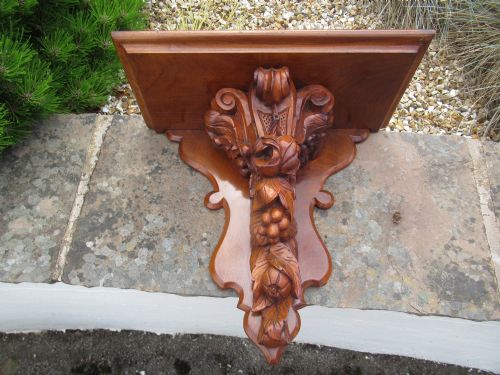
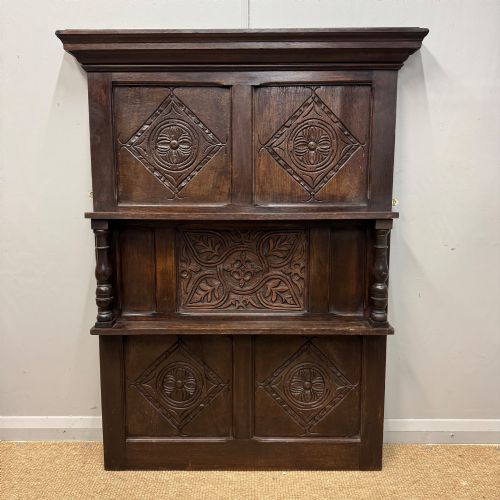
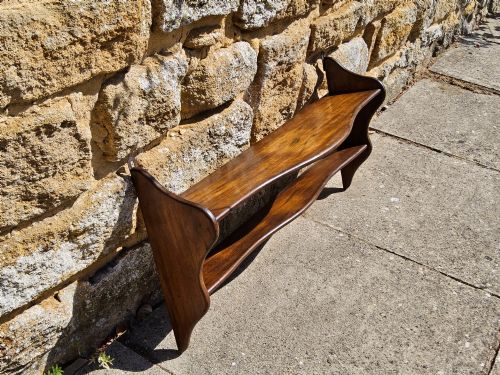
A carved wooden wall shelf serves to display ceramics, books or ornaments while taking up zero floor space in a room. You will encounter various forms across this selection, ranging from simple bracket supports to multi-tiered wall units and plate racks.
The pieces span multiple centuries, including examples from the eighteenth, nineteenth and early twentieth centuries. Styles stretch from Georgian and Victorian to Arts and Crafts and Moorish Revival designs.
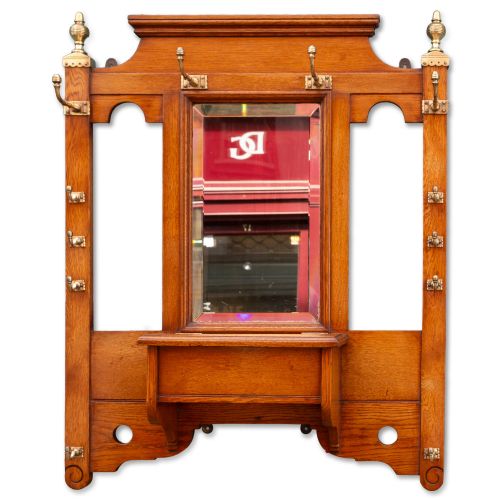
Origin materials vary widely, incorporating traditional timbers such as oak, walnut, mahogany and pine. Many incorporate functional elements like integrated mirrors, brass hooks or enclosed cabinets.
How they were made
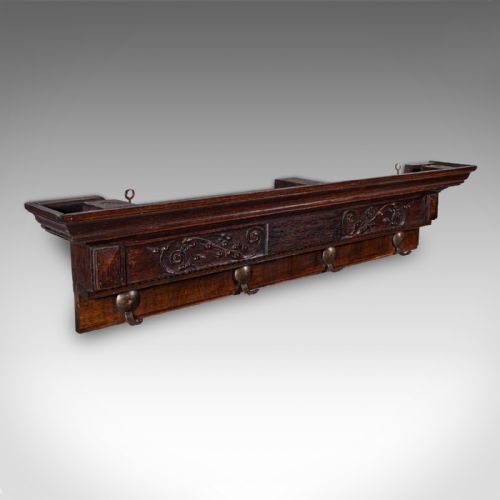
Cabinet-makers relied heavily on solid hardwoods like oak, walnut and mahogany, shaping them with hand chisels for deep relief carvings and architectural corbels. Softer timbers such as pine and lime wood were utilised for lighter wall brackets and delicate giltwood or gesso finishes.
Construction techniques combined traditional mortise and tenon joints with hand-cut dovetails for stability. Decorative flourishes often included applied hand-carved details, marquetry inlays or gilded surfaces applied to the raw wood base.
Carved Wooden Wall Shelf Retail Price Guide 2026
Typical asking prices for carved wooden wall shelf among the pieces listed under this phrase on Sellingantiques today, from the lower quarter to the upper quarter. They describe what is for sale here now, not the wider market.
Some shelves double as secretive shaving cabinets or key lockers for the Victorian hallway.
What varies in quality
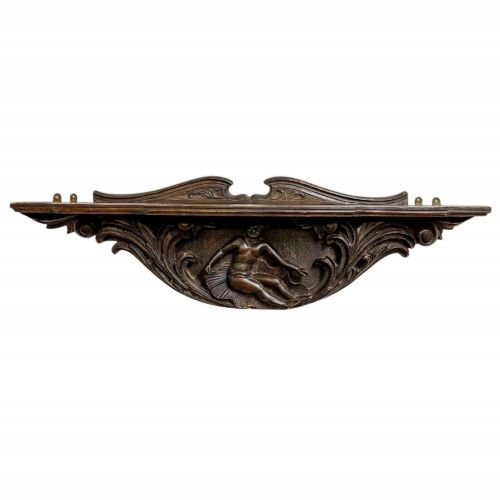
The distinction between standard utility items and finer pieces lies in the crispness and depth of the hand-carved enrichment. Crisp undercutting on foliage or figurative elements indicates a more accomplished hand than soft, mechanically smoothed contours.
Material selection and timber figuring also dictate the standing of a piece. Well-chosen grain patterns, choice hardwoods like figured walnut or mahogany, and intact original surface finishes elevate the status of any hanging shelf.
Liberty and Co·Luigi Frullini·Connell of London
The Carved Wooden Wall Shelf Glossary
- Corbel
- A structural or decorative bracket projecting from a wall to support a weight above it. They often feature carved scrolls or acanthus leaves.
- Delft rack
- A wall-mounted wooden shelving unit specifically designed with plate grooves and retaining rails to display ceramic plates.
- Gesso
- A plaster-based mixture applied to wood surfaces and smoothed before gilding or painting. It provides a crisp base for intricate decorative mouldings.
- Marquetry
- The art of applying pieces of veneer to a structure to form decorative patterns. Sorrento examples frequently showcase this technique using olive wood.
- Overmantel
- A decorative architectural fitting placed directly above a fireplace opening. Many include integrated shelving or mirrors.
Carved Wooden Wall Shelf: Frequently Asked Questions
How do I hang a heavy wooden shelf safely?
Heavy wall fixtures require direct attachment to wall studs or the use of appropriate masonry fixings depending on your wall type.
Ensure the weight is distributed evenly across the backplates or mounting brackets provided on the piece.
Were these shelves meant for books or plates?
Function depended entirely on the original room context, with deeper ledges serving for books and shallow grooved tiers holding plates or spoons.
Many designs combine multiple uses, such as incorporating small cabinets, mirrors or coat hooks beneath the main display surface.
How do I date an antique wooden wall shelf?
Dating relies on observing timber species, construction joinery methods and stylistic clues like Victorian Gothic Revival or Arts and Crafts motifs.
Tool marks on the reverse and the type of fixings or screws used also offer clear indicators of age.
How do I clean antique carved wood?
Dust the carvings gently with a soft, dry brush to prevent dirt from settling deep into the recessed details.
Avoid using modern liquid polishes or water, applying a traditional wax sparingly only when the timber appears dry.