


Carved Wooden Wall Sculpture
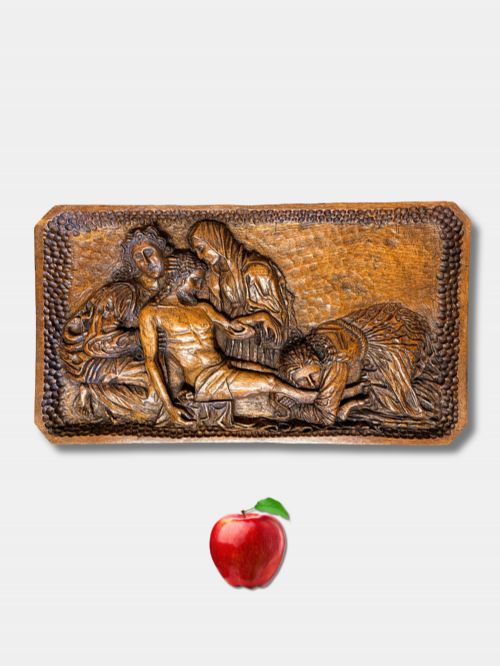
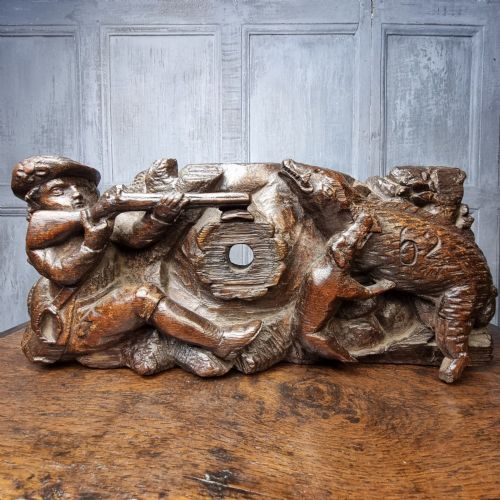
A carved wooden wall sculpture brings centuries of religious devotion, rustic animal carving and architectural timberwork straight onto your wall.
Carved Wooden Wall Sculpture
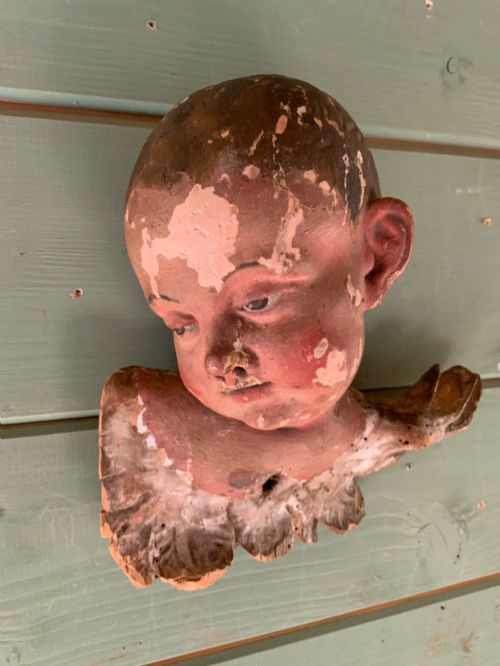
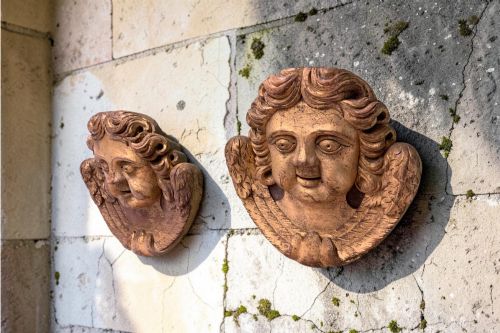
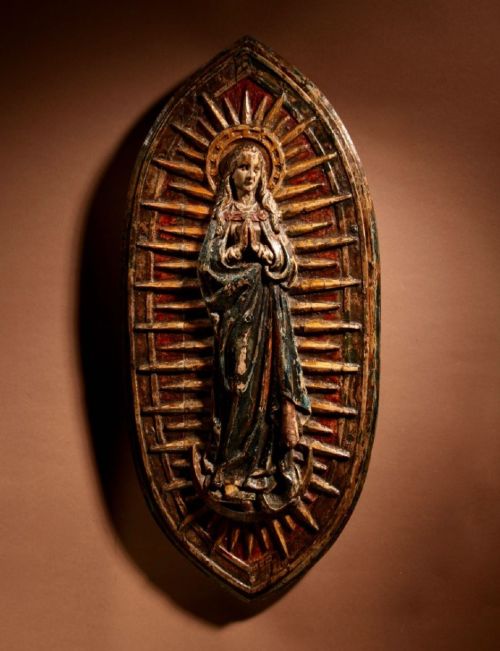
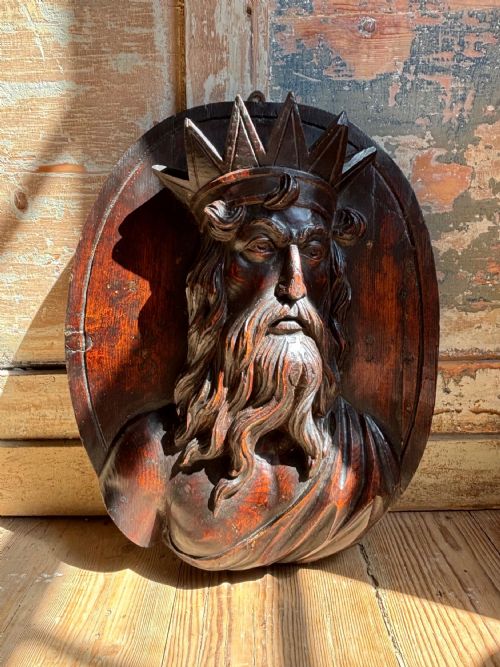
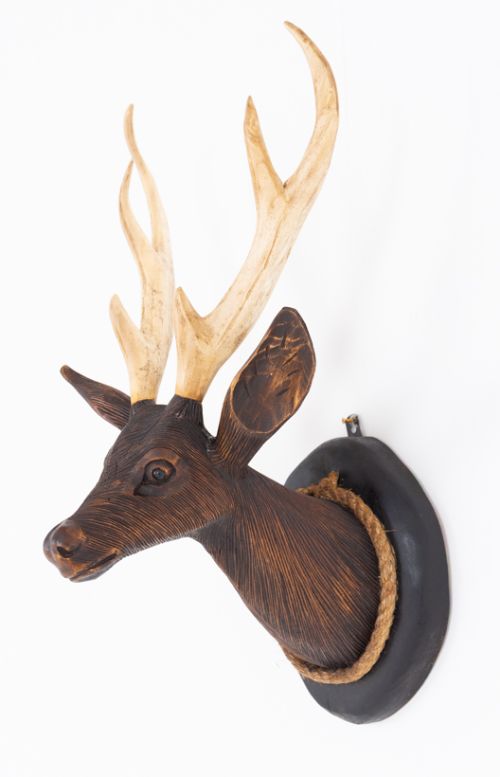
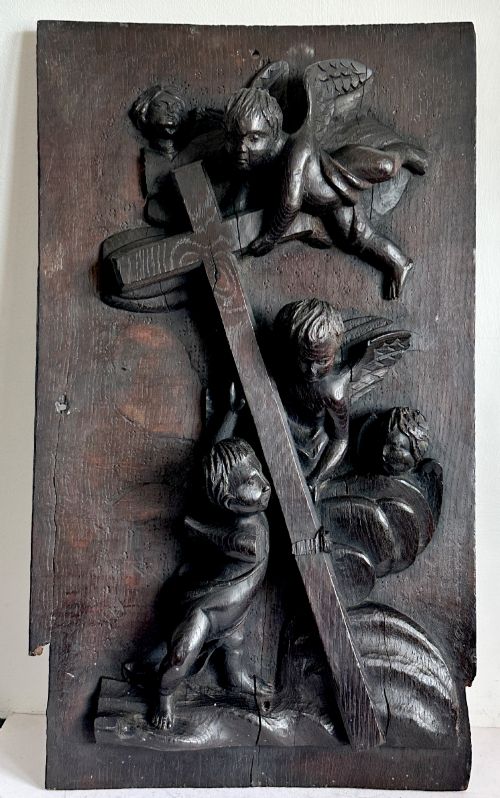
A carved wooden wall sculpture encompasses centuries of European and global woodworking, stretching from medieval architectural fragments and altarpiece panels through to Black Forest animal trophies and African tribal masks. When you search for carved wooden wall sculpture, you encounter diverse forms such as religious reliefs depicting saints and angels, decorative floral plaques, and dynamic animal carvings.
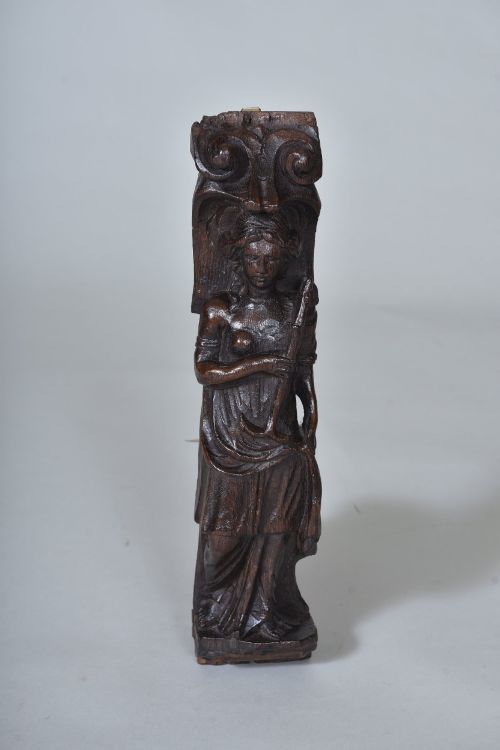
The pieces originating from the seventeenth and eighteenth centuries heavily feature solid oak, walnut and chestnut, often taking the form of overdoor panels, corbels or figures recovered from ecclesiastical settings. Later nineteenth-century examples introduce styles like Black Forest hunting plaques, Chinoiserie temple pediments and tribal art from the Ivory Coast, demonstrating the wide geographic spread of wall-mounted timber carving.
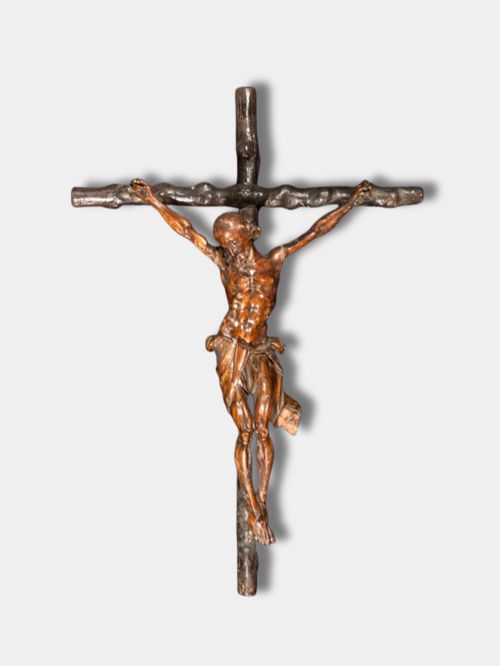
Most items on this page function as architectural salvage, wall panels or individual reliefs designed to be hung directly on plaster or wood-panelled walls. They range from small devotional depictions of Christ and cherubs to large structural elements like pediments and corbels.
How they were made
Woodcarvers predominantly utilised European hardwoods like oak, walnut and chestnut, selecting timber with tight grain patterns suitable for intricate chisel work. These foundational woods provided the structural integrity needed for architectural panels, corbels and heavy relief sculptures.
Surface decoration frequently involved applied gesso, gold leaf or polychrome paint, adding colour and theological significance to figures of angels, saints and cherubs. Master carvers employed gouges and chisels to achieve deep undercut reliefs on panels and masks, whilst later works relied on hand-carved detailing in teak or softer woods.
Listings feature timbers like oak, walnut, chestnut and teak alongside gesso, gold leaf and polychrome paint.
What varies in quality
The survival of original surface finishes, such as historic polychrome paint, gesso layers or gold leaf, heavily influences the character and integrity of a piece. Retaining these tactile historic layers preserves the original artistic intent of the carver.
Edward Pearce
The Carved Wooden Wall Sculpture Glossary
- Corbel
- A structural piece of stone or wood projecting from a wall, designed to carry a superincumbent weight. In timber carvings, these often take the form of anthropomorphic figures or stylized scrolls.
- Polychrome
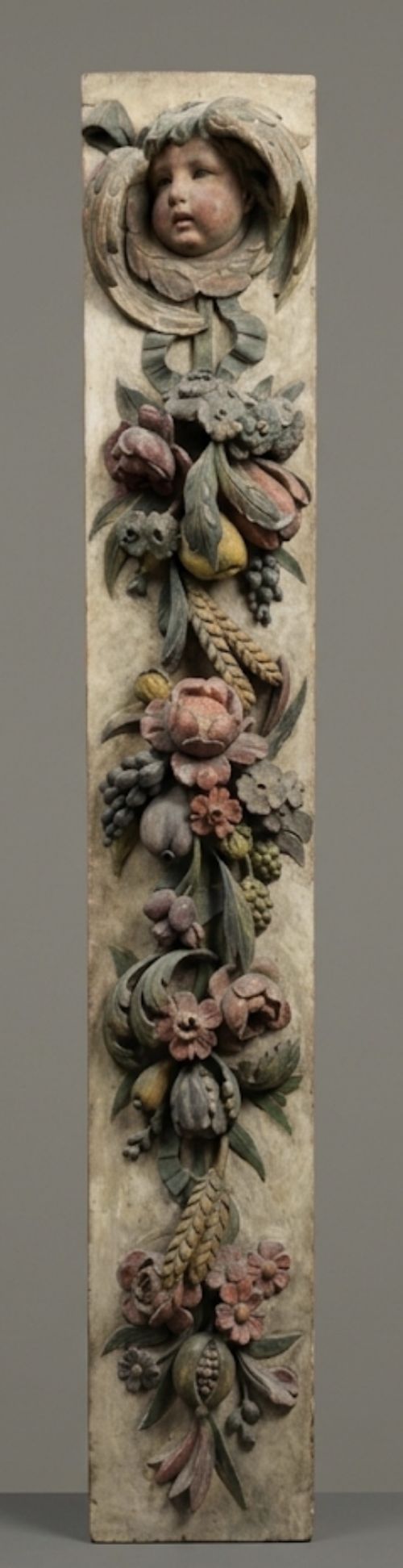
- Painted in several colours. This surface treatment brings medieval and baroque wooden figures to life with historical pigments.
- Gesso
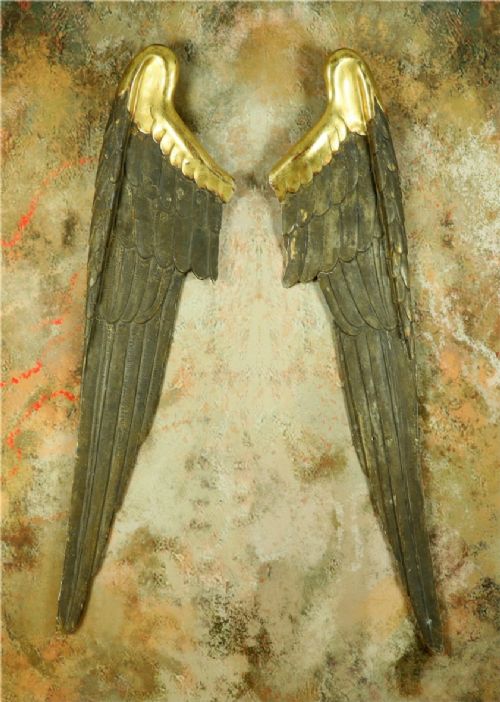
- A plaster mixture used as a base for painting or gilding on wood. It provides a smooth surface for laying down gold leaf on carved angel wings and decorative panels.
- Pediment
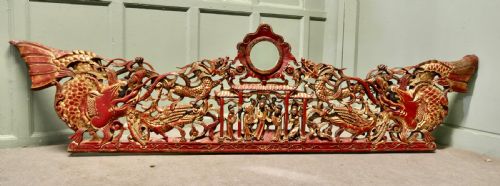
- An architectural element consisting of a gable, traditionally triangular, placed above the horizontal structure of the lintel. In Asian and European antiques, temple pediments often feature elaborate high-relief wood carvings.
Carved Wooden Wall Sculpture: Frequently Asked Questions
How should I clean historic wood carvings?
Dust timber surfaces gently with a soft, dry brush or a clean microfiber cloth to remove everyday particle buildup. Avoid using water, domestic polishes or chemical cleaners, as moisture and solvents damage fragile historic finishes, gesso and polychrome paint.
If a piece requires deeper conservation work, consult a professional restorer specialising in historic timber. Maintaining a stable indoor humidity prevents the dry wood from cracking over time.
Are these carvings suitable for modern interiors?
Antique wooden sculptures provide striking textural contrast against contemporary neutral walls, adding warmth and historical depth to modern rooms. A seventeenth-century oak panel or a nineteenth-century animal plaque anchors a minimalist space with organic form and narrative.
Placing timber sculptures away from direct heat sources and strong sunlight protects the ancient wood from warping and fading. Simple, thoughtful placement allows the craftsmanship of the carver to stand out.
How do I determine the period of a carved panel?
Examine the tool marks left by the carver, as hand-chiselled surfaces differ significantly from later machine-toothed or routed timber. The choice of wood species, such as early European oak or chestnut, also offers strong clues regarding the likely century of manufacture.
Stylistic indicators, like Baroque scrollwork or medieval iconography, help narrow down the historical era. Comparing the construction methods of the panel backing provides further verification of age.