





Carved Wooden Lid Box
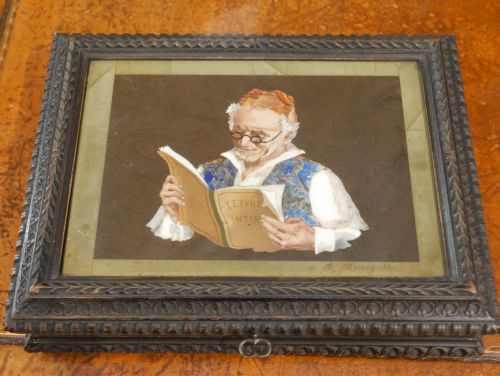
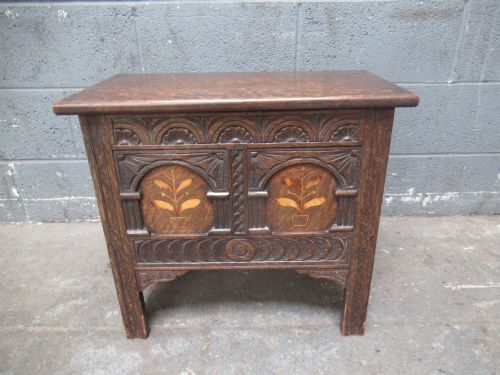
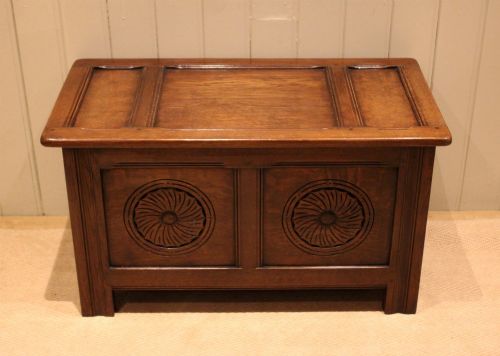
A carved wooden lid box brings tactile warmth and practical storage to a room, ranging from folk art trinket holders to substantial oak coffers.
Carved Wooden Lid Box
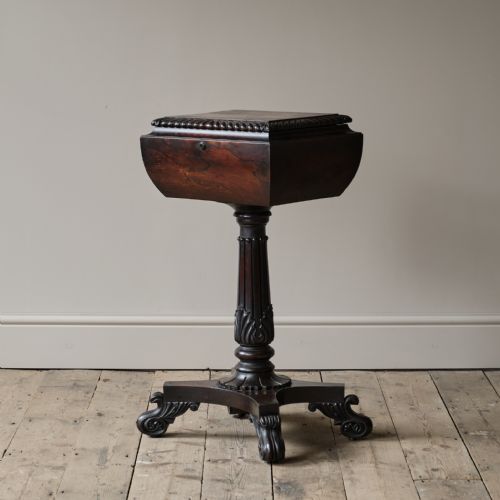
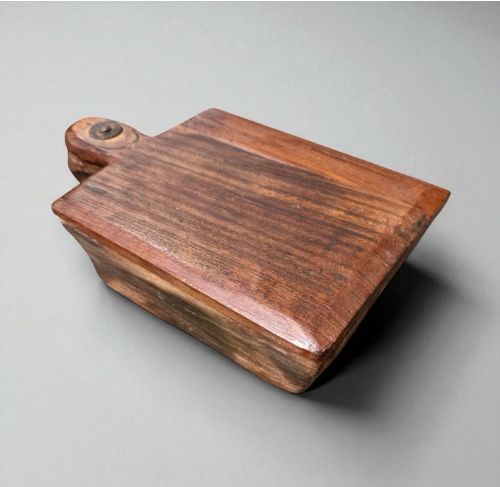
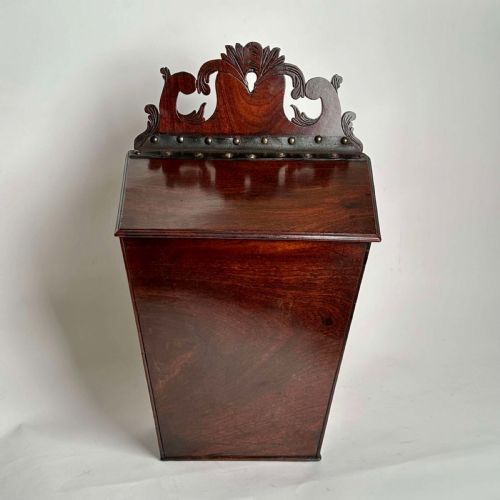
A carved wooden lid box combines functional storage with decorative craft, encompassing forms from small spice containers and tea caddies to larger coffers and wall-hanging candle boxes. These pieces serve as repositories for personal items, documents, or provisions, often featuring hinged or lifting lids designed to secure their contents.
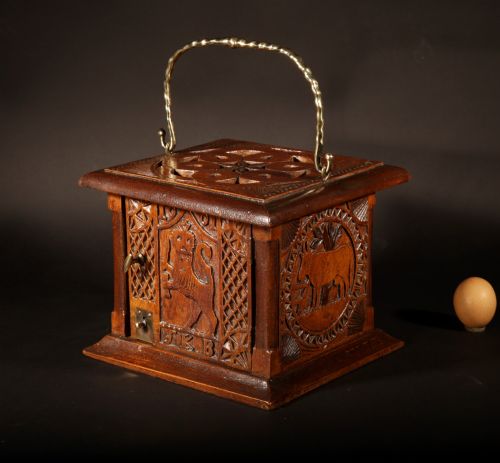
The versions most commonly met on this page span the seventeenth through the early twentieth centuries, reflecting diverse origins from English vernacular workshops to Indian vernacular and Black Forest ateliers. Common iterations include oak tea caddies, mahogany cutlery boxes, and chip-carved foot stoves produced across various periods.
Makers utilised native and exotic timbers to construct these vessels, applying hand-carving, chip-carving, and marquetry inlay to enrich the exterior surfaces. Whether shaped as a bear for tobacco storage or built as a miniature Bible box, each item demonstrates the traditional woodworking skills of its era.
What varies in quality
The distinction between standard utility vessels and superior examples lies in the depth and precision of the carving, alongside the selection of timber. Crisp relief work and well-figured burr walnut or linden wood elevate a piece well above plain, utilitarian containers.
Integrity of construction and the retention of original hardware, such as brass fittings and working locks, mark the upper tier of these objects. Pieces that maintain their original patination and structural cohesion without excessive replacement parts command greater appreciation among collectors.
Carved Wooden Lid Box Retail Price Guide 2026
Typical asking prices for carved wooden lid box among the pieces listed under this phrase on Sellingantiques today, from the lower quarter to the upper quarter. They describe what is for sale here now, not the wider market.
Listings feature oak, mahogany, walnut, and teak across periods spanning the seventeenth to the twentieth century.
The Carved Wooden Lid Box Glossary
- Treen
- Small handmade wooden domestic objects and utensils. This category covers items like snuff boxes and turned containers.
- Caddy
- A small box or chest once used for storing tea. These often featured internal compartments and lockable lids.
- Coffer
- A sturdy wooden chest with a lid, traditionally used for storing valuables or documents. Many examples feature hinged lids and raised framing.
- Marquetry
- The art of applying pieces of veneer to a structure to form decorative patterns. This technique frequently appears on Victorian walnut boxes.
- Humidor
- A specialised box designed to keep tobacco or cigars at the proper humidity. These often incorporate internal wooden linings.
Carved Wooden Lid Box: Frequently Asked Questions
What were carved wooden lid boxes used for?
These boxes served a multitude of domestic and commercial purposes, ranging from the storage of dried tea leaves and spices to holding candles, tobacco, and personal documents. Many were tailored for specific contents, such as specialised cutlery boxes or wall-mounted candle receptacles.
Over time, their functions evolved alongside changing household habits, transforming from strictly utilitarian containers into decorative display pieces and repository boxes for valuables.
How do I care for an antique wooden box?
Maintaining these objects involves keeping them away from direct sunlight and extreme fluctuations in temperature or humidity, which can cause the timber to warp or split. Gentle dusting with a dry, soft cloth preserves the surface without stripping the historic finish.
Applying occasional specialist wax can help nourish older hardwoods like oak and mahogany, provided the finish is suitable for treatment and the application is kept minimal.
How can I tell the age of a wooden lid box?
Dating relies on observing the wood species, construction methods, tool marks left by the maker, and the style of any carved ornamentation. Eighteenth-century pieces often display hand-sawn boards and pegged joinery, whereas later Victorian examples might feature machine-prepared timber alongside marquetry or complex hardware.
Comparing the hinge types, lock mechanisms, and overall form against documented vernacular styles helps narrow down the period of manufacture.
Are these boxes suitable for daily use?
Many sturdy containers, particularly those made from solid oak or mahogany, remain robust enough to hold small household items, letters, or trinkets on a daily basis. Fragile items, such as heavily carved Black Forest pieces or delicate tea caddies, benefit from more cautious handling and placement.
Ensuring that hinges and lids are operated gently prevents undue strain on original wooden pins and historic brass fittings.