




Carved Wooden Horology
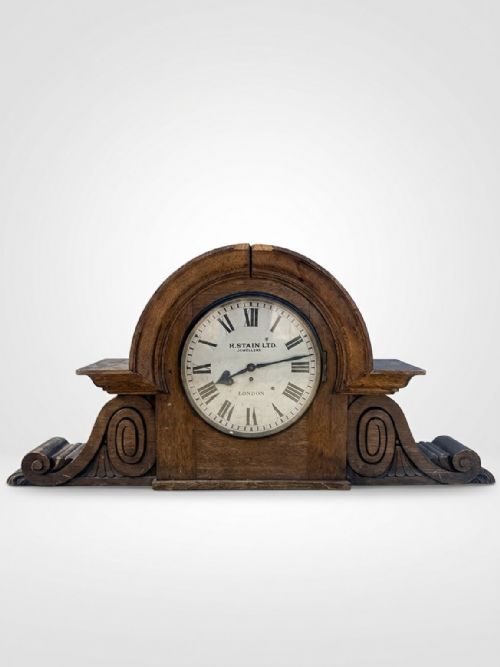
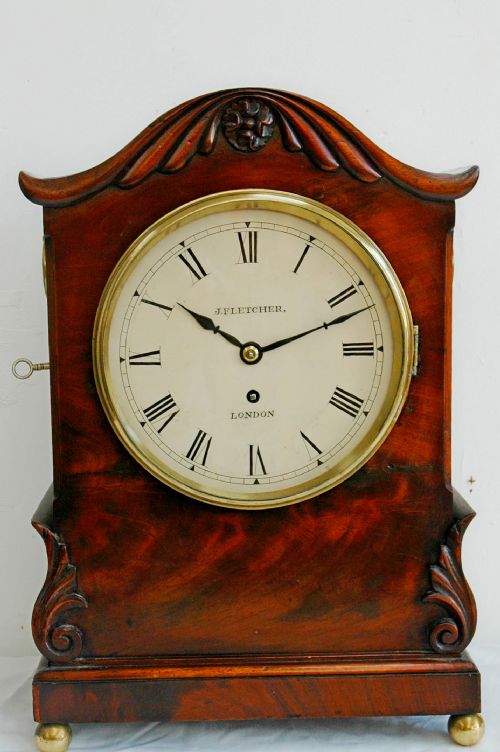
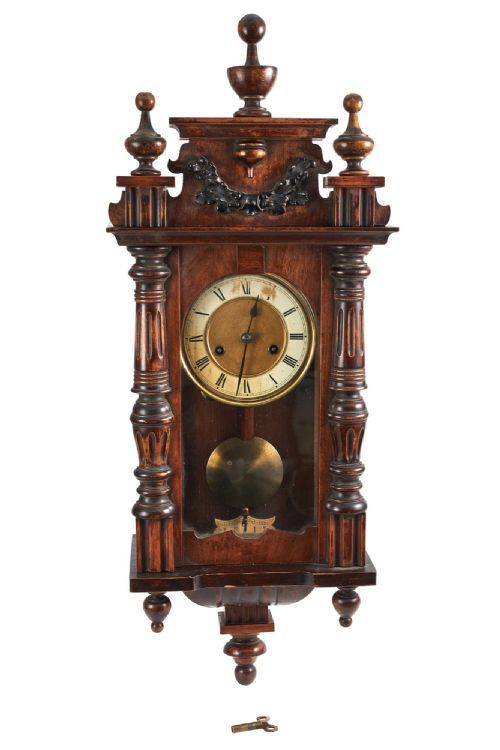
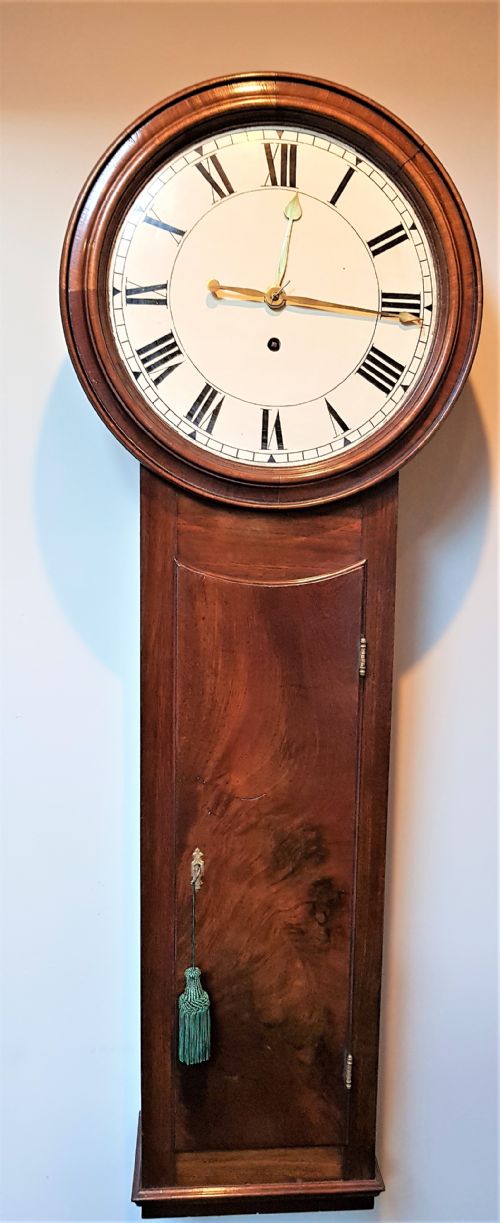
Carved wooden horology brings together timepieces shaped from oak, walnut, mahogany and linden wood across the eighteenth, nineteenth and early twentieth centuries.
Carved Wooden Horology
Carved wooden horology encompasses timepieces shaped from oak, mahogany, walnut, rosewood and linden wood across the eighteenth, nineteenth and early twentieth centuries. These pieces take forms ranging from tall longcase clocks and bracket clocks to wall clocks and mantel clocks.
The versions most commonly met on this page include Victorian wall clocks and nineteenth-century bracket clocks alongside earlier Georgian and Regency examples. Each piece relies on timber housings ornamented with hand carving, turned details or inlay.
Origins span English workshops in London and Norwich alongside Swiss Black Forest production and continental Vienna wall clocks. Buyers encounter movements driven by weights, springs and fusee mechanisms housed within timber cases.
Materials and construction
Cases rely on dense hardwoods including mahogany, walnut and oak, which were selected for stability and responsiveness to hand carving. Linden wood appears in Swiss Black Forest pieces, allowing deep, expressive relief work.
Movements incorporate brass plates and wheels paired with enamel or metal dials, often protected behind glass doors. Fusee movements and weight-driven systems regulate the timekeeping within the timber housings.
Night watchman clocks kept weary night shift workers honest by recording patrol rounds on internal paper dials while ticking through the dark.
Judging quality in timber timepieces
Quality rests in the crispness of the timber carving and the selection of figured wood veneers such as burr walnut or flame mahogany. Superior examples display balanced proportions and integrated ornamentation rather than applied decorative elements.
The standard of the mechanical movement and the signature of the maker elevate a piece significantly. Original components, legible dials and clean interior mechanics separate standard production clocks from masterwork timepieces.
Bergen and Co·Connell of London·Johann Baptist Beha·Balbiani Brookley·Joseph Windmills·Gustav Becker·Osborn of Bognor Regis
The Carved Wooden Horology Glossary
- Fusee
- A conical pulley used in spring-driven clocks to maintain even tension on the movement as the mainspring unwinds. This mechanism ensures consistent timekeeping throughout the duration of the wind.
- Bracket clock
- A portable table or shelf clock originally designed to sit on a wall bracket. These clocks typically feature brass carrying handles and fine timber cases.
- Longcase clock
- A tall pendulum clock housed in a wooden case consisting of a trunk and a hood. Also known as grandfather clocks, they were produced extensively from the seventeenth century onward.
- Vienna wall clock
- A precision weight-driven regulator clock developed in Austria during the nineteenth century. They are known for their elegant walnut or mahogany cases and long pendulums.
- Linden wood
- A pale timber favoured by Swiss carvers for its fine, even grain and lack of prominent growth rings. It permits intricate undercutting and high-relief sculptural detail.
Carved Wooden Horology: Frequently Asked Questions
How do fusee clocks work?
A fusee clock uses a cone-shaped pulley connected to the mainspring by a cord or chain. As the spring unwinds and loses power, the cord pulls on a wider part of the cone to maintain steady torque.
This clever mechanical compensation prevents the clock from running fast when fully wound and slow as it runs down.
Where were Vienna wall clocks made?
Vienna wall clocks originated in Austrian workshops during the nineteenth century, though the style was also interpreted by makers across Europe. They gained renown for exceptional timekeeping accuracy and refined architectural cases.
These clocks were designed to hang in prominent domestic spaces, displaying elaborate wood veneers and glass inspection panels.
What is Black Forest carving?
Black Forest carving refers to the distinctive wooden sculpture produced in the mountainous regions of Switzerland and Germany. Artisans utilised soft linden wood to carve deep, naturalistic scenes featuring foliage, animals and scrollwork.
This decorative tradition was frequently applied to clock cases during the nineteenth century to create striking visual displays.
How do I identify a Regency clock?
Regency clocks date from the early nineteenth century and typically exhibit restrained neoclassical proportions, dark mahogany cases and brass inlay. They favour clean architectural lines over excessive ornamentation.
Dial faces often feature convex glass and Roman numerals framed by cast brass bezels.