
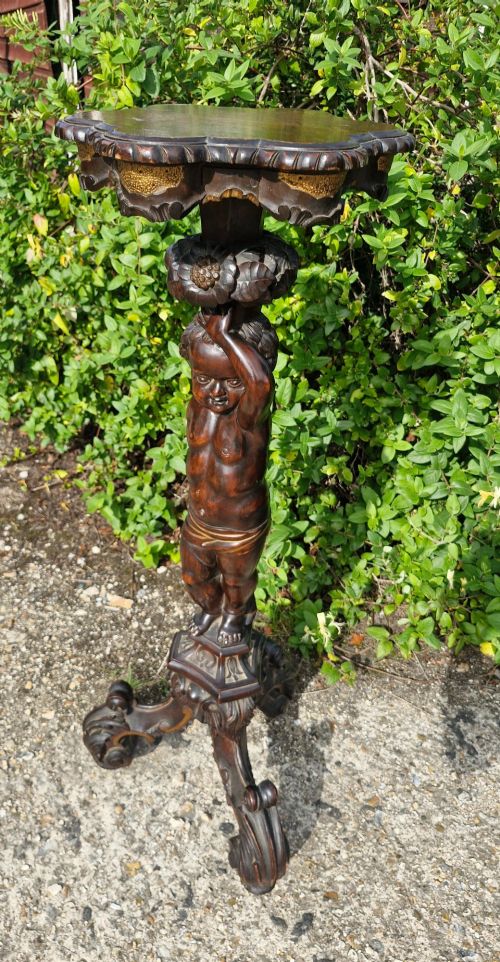
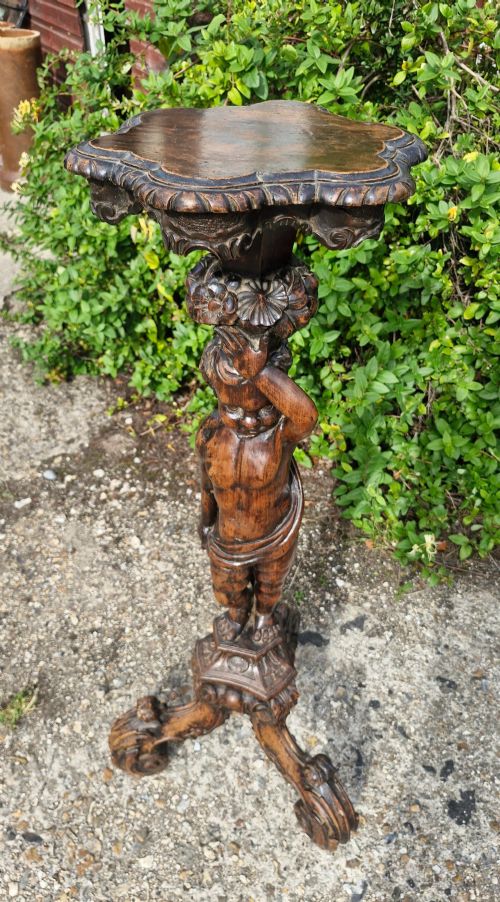
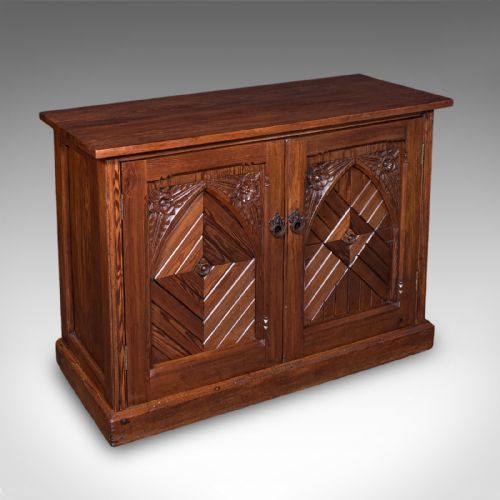
Carved Wooden Furniture
Carved wooden furniture brings warmth and texture into a room through rich timber and detailed chisel work.
Carved Wooden Furniture
Carved wooden furniture encompasses seating, storage and display pieces spanning multiple centuries and regions. The selection here leans heavily towards seating like hall chairs and benches, alongside occasional tables, cabinets and chests of drawers.
The periods represented stretch from the seventeenth century through to the Edwardian era, taking in Georgian, Victorian, Regency and Arts and Crafts styles. Pieces originate from British workshops as well as continental Europe, Japan and the Middle East.
Buyers will find substantial oak furniture, refined mahogany dining sets and intricate inlaid items from diverse stylistic traditions. This variety allows collectors to source everything from a formal hall stand to an unusual folk art chair.
Materials and Technique
Makers utilised dense timbers such as oak, mahogany, walnut, rosewood and various hardwoods to provide a stable base for deep relief carving and turned elements. These woods were selected for their grain and durability, ensuring the structure supported elaborate ornamentation.
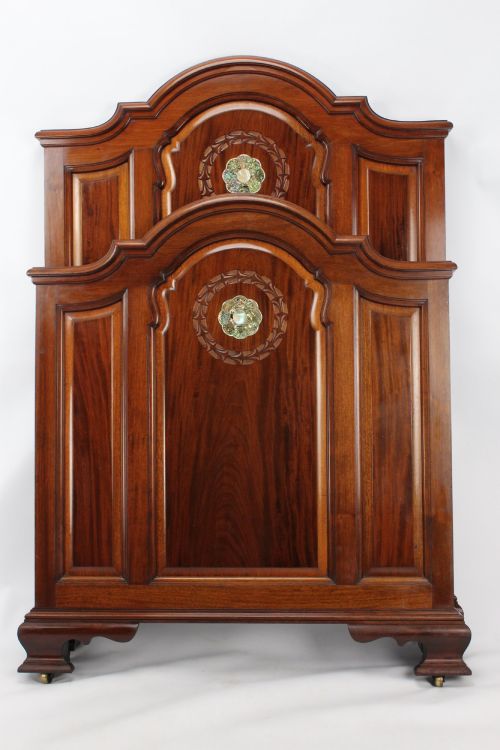
Decoration often relied on hand chiselling directly into the timber, supplemented by specialised techniques like mother-of-pearl and abalone inlay, brass fittings, and painted crests. Artisans combined structural joinery with surface carving to produce both domestic utility and ornate focal points.
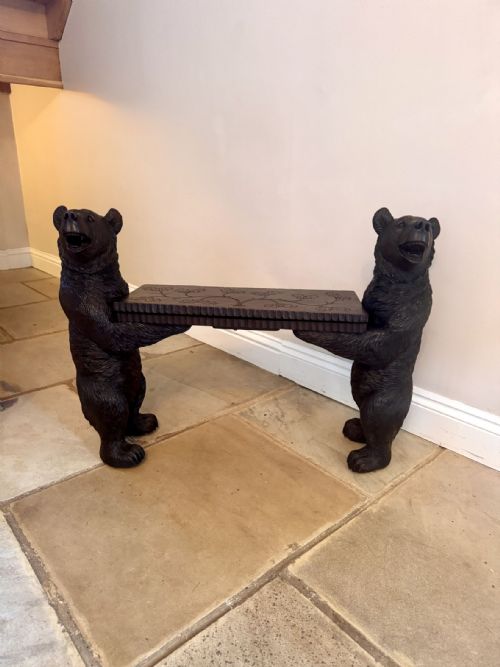
A nineteenth century Black Forest bear musical seat stands ready to serenade anyone fortunate enough to take a rest.
Judging Quality
The calibre of a piece rests upon the crispness and depth of the hand carving, where sharper chisel work and balanced proportions elevate an item above simpler production. Finer examples show thoughtful integration of decorative elements with the underlying timber grain.
Material selection and historical integrity dictate value, with superior pieces retaining their original surfaces, mounts and structural joinery without heavy modern intervention.
Strahan and Co
The Carved Wooden Furniture Glossary
- Purdonium
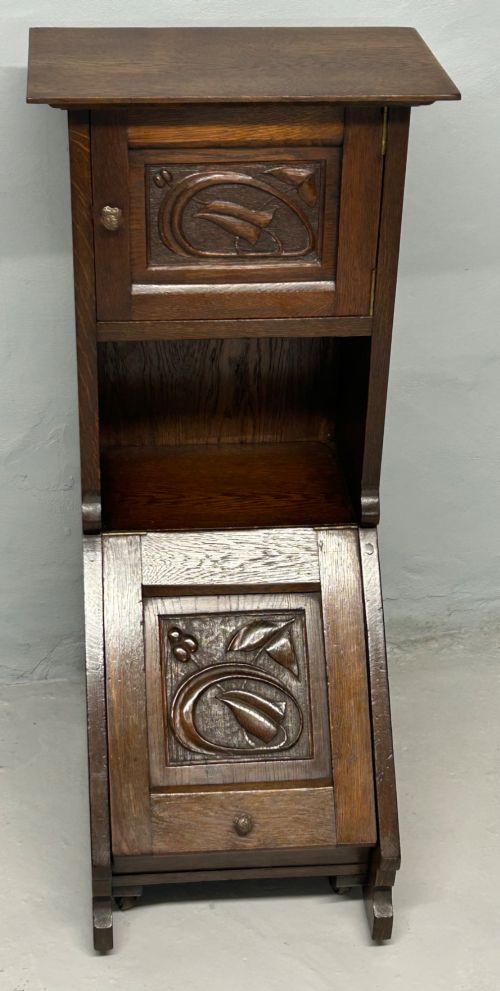
- A specialised cabinet designed to hold coal for a fireplace, typically featuring a sloping front and a metal liner. These items were common in late Victorian and Edwardian interiors.
- Scabello
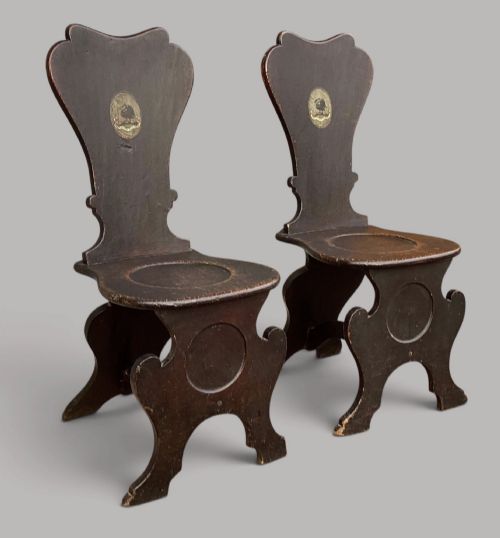
- An Italian Renaissance style of chair characterised by a flat wooden seat, a tall panel back and trestle supports instead of standard legs. They are frequently adorned with armorial painting or relief carving.
- Cheval mirror
- A full-length freestanding mirror suspended on a swivel frame within a vertical stand. This allows the glass to tilt to various angles.
- Joint stool
- An early form of wooden stool constructed using mortise and tenon joints with pegged wooden dowels. These sturdy items preceded lighter seating designs.
- Abalone inlay
- The practice of embedding thin, iridescent shell fragments into the wooden surface of furniture to create shimmering decorative patterns. It appears frequently on nineteenth-century statement pieces.
Carved Wooden Furniture: Frequently Asked Questions
How do I date carved wooden furniture?
Dating relies on examining the timber species, tool marks left by the maker, and the structural construction methods used in the piece. Secondary woods in hidden areas often provide reliable clues to the exact period of manufacture.
Stylistic shifts, such as the heavy geometric motifs of the seventeenth century compared to the refined lines of Regency design, also help establish a timeline for each item.
Where should I place a carved hall bench?
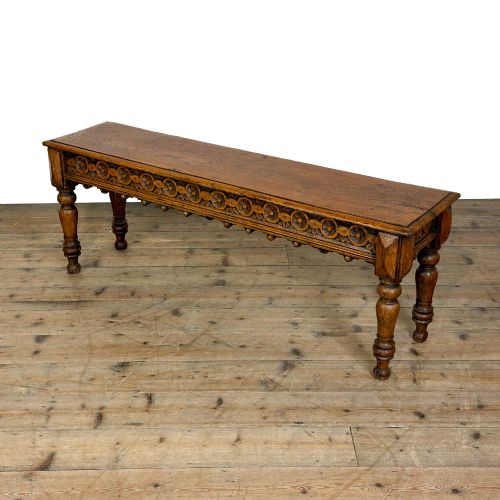
Hall benches and settles suit entrance halls, wide corridors or large living spaces where their substantial backs and decorative carvings can be viewed properly. They offer practical seating alongside historical character.
Ensure the piece sits away from direct heat sources and strong sunlight to protect the aged timber and any delicate inlay work from drying out.
How do I clean antique carved wood?
Dust carved wooden furniture regularly with a soft, dry brush to prevent dirt from settling deep into the recesses of the relief work. Avoid modern silicone sprays and harsh chemical polishes that can damage traditional finishes.
Apply a microcrystalline wax occasionally to feed the timber and maintain a soft, protective sheen without building up a heavy, cloudy layer.
What is the difference between oak and mahogany pieces?
Oak furniture tends to date from earlier periods, displaying a prominent grain and a robust structure well suited to deep, rustic carving and linenfold panels. It brings a grounded, historic presence to a room.
Mahogany became popular later, offering a smoother, denser surface that allowed cabinetmakers to execute crisp, refined details and rich polished finishes suited to formal dining and drawing rooms.