

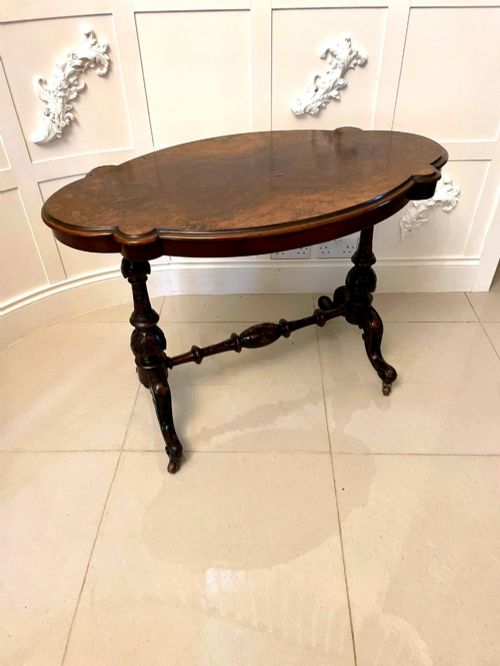
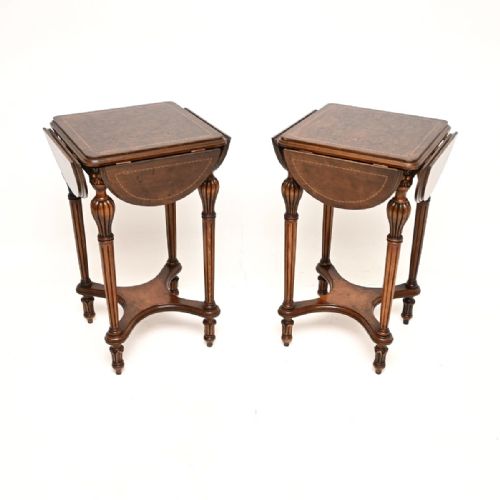
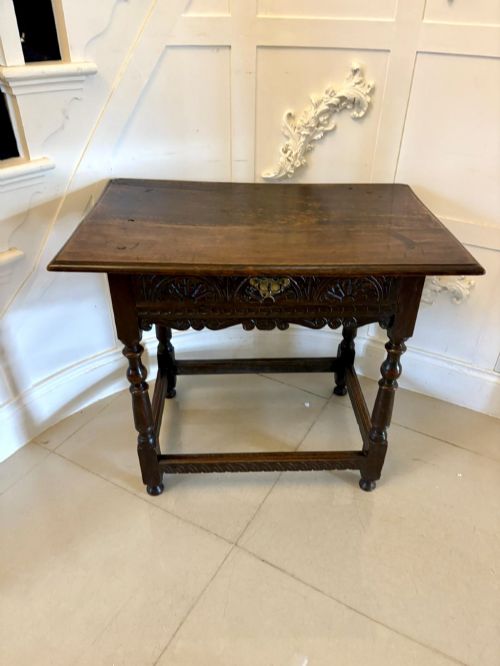
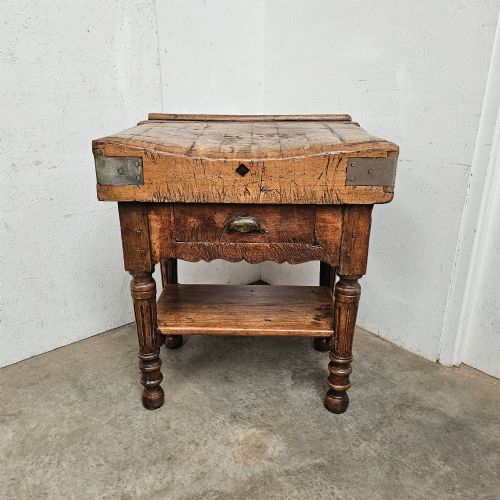
Carved Wooden End Table
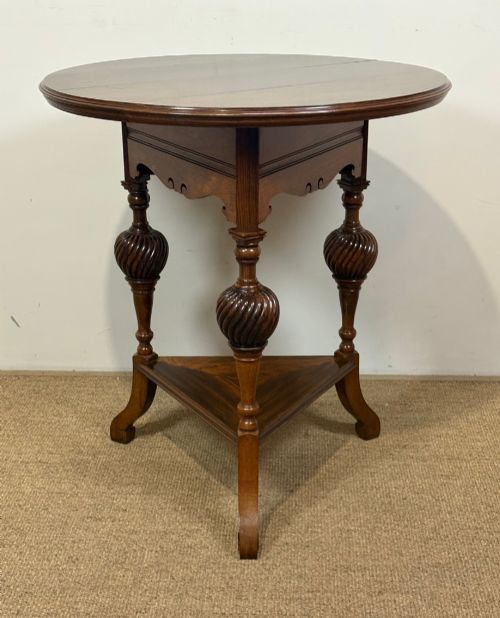
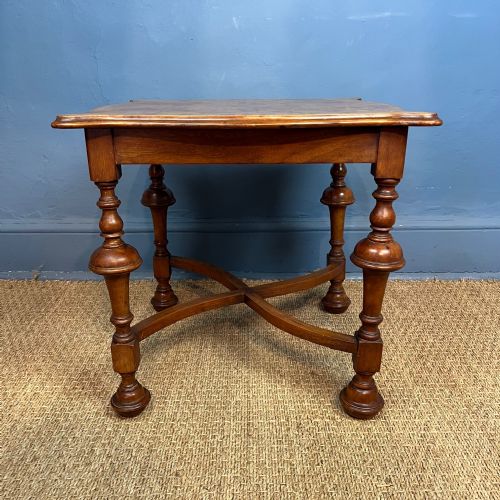
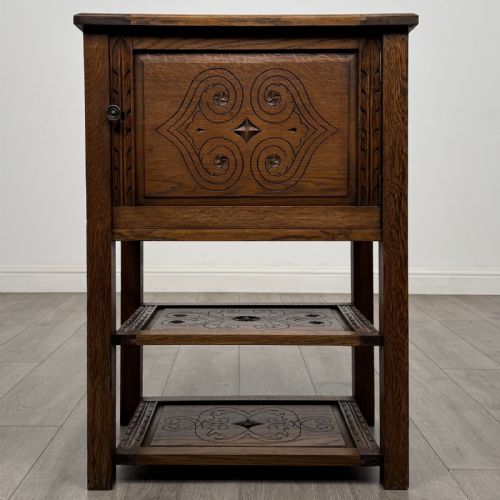
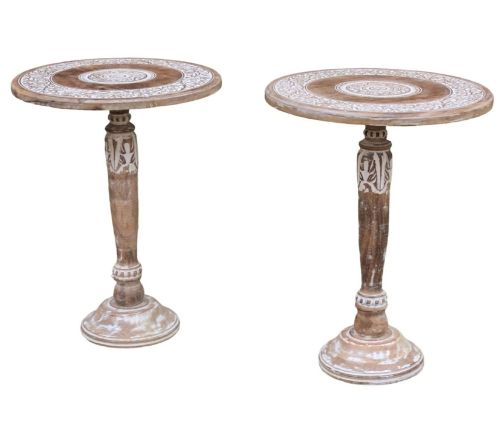
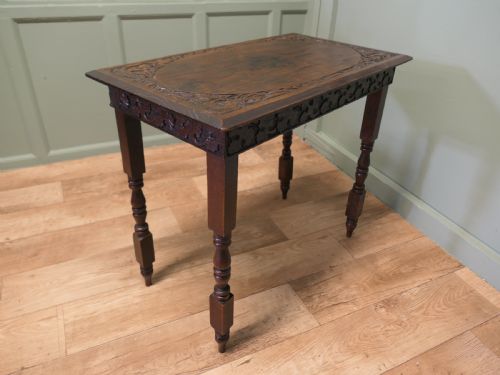
Carved wooden end table examples span multiple centuries, bringing texture and character to domestic spaces through detailed handwork.
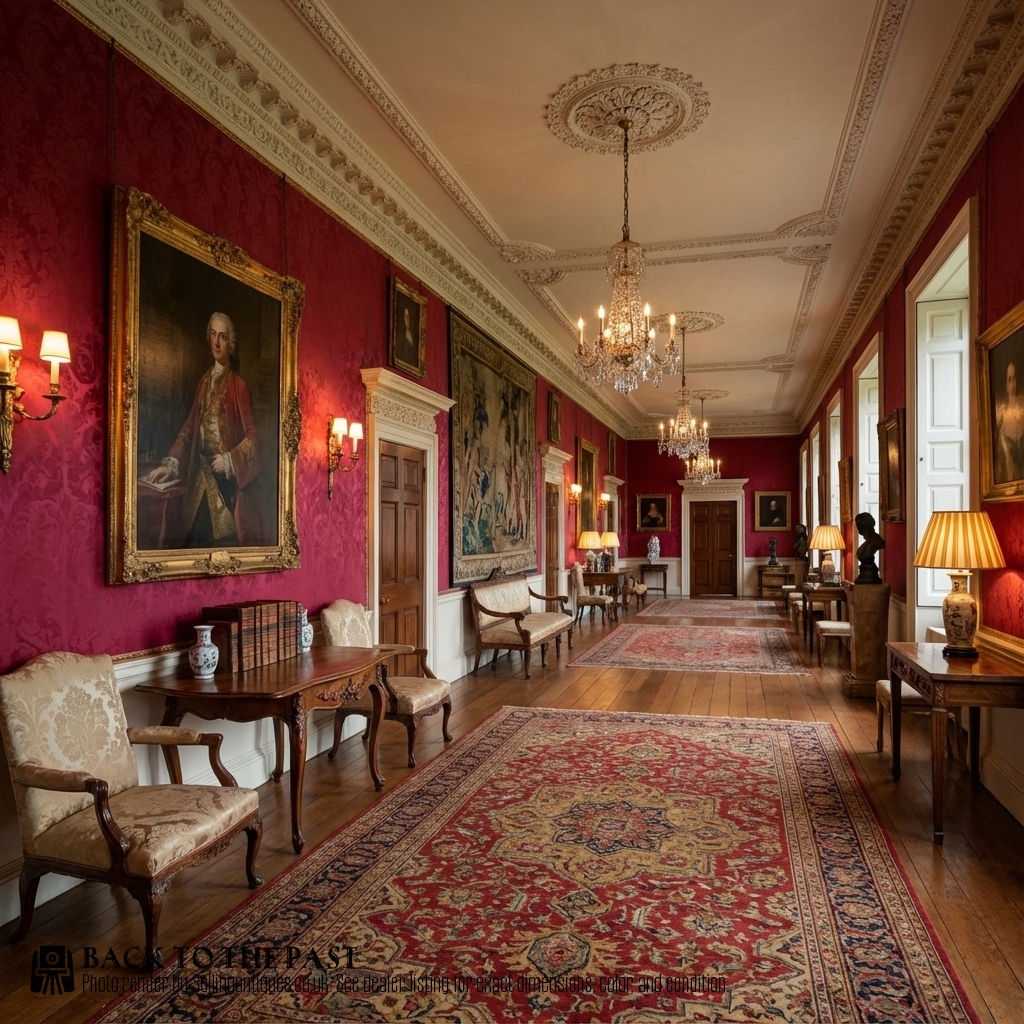
Carved Wooden End Table
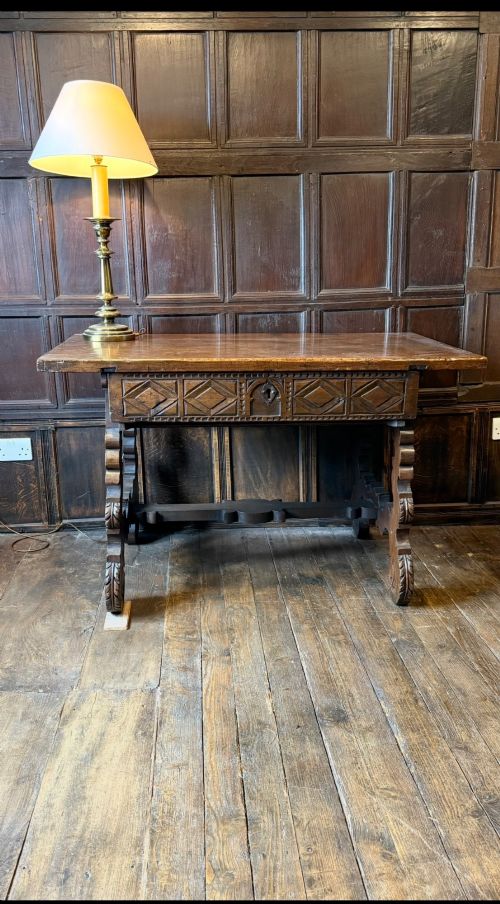
A carved wooden end table serves as a functional surface for lamps and daily items while introducing distinct regional styles and decorative carving into a room. These items range from compact occasional tables to nesting sets and bedside stands, originating from various periods including the Victorian era, the Edwardian years, and the early twentieth century.
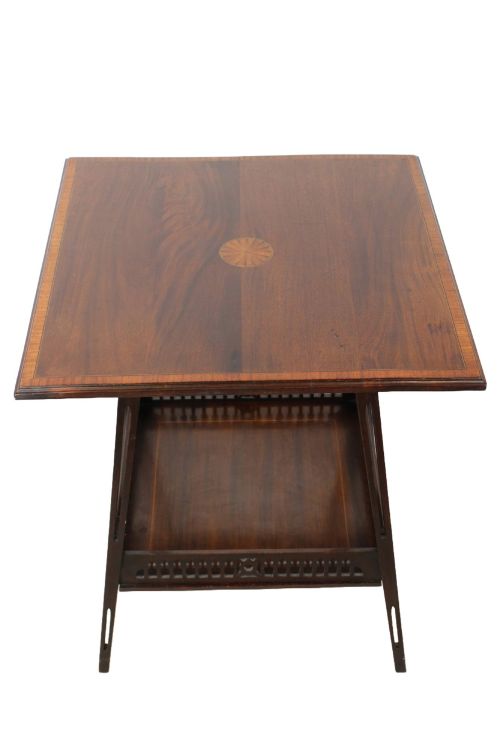
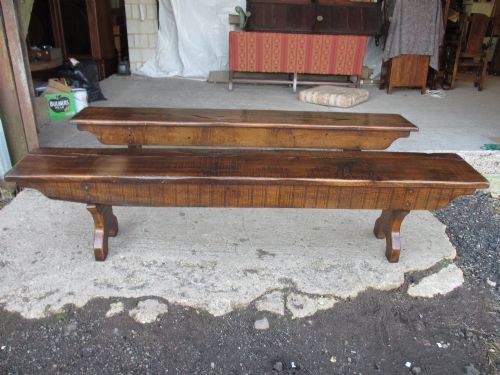
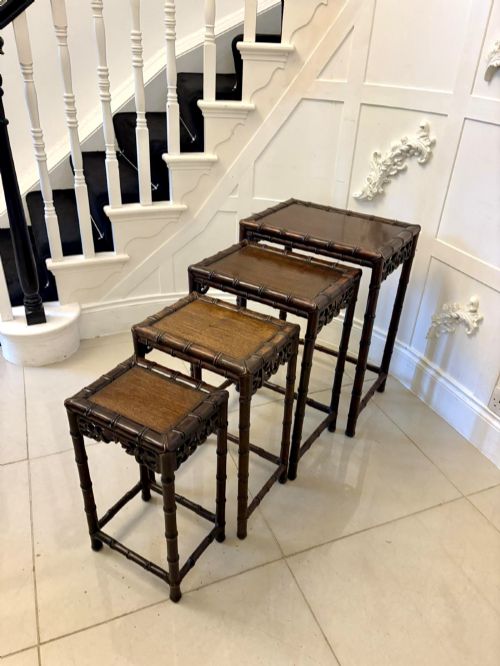
The pieces appearing on this page most frequently take the form of side tables, occasional tables, and nesting sets produced in oak, mahogany, walnut, and various hardwoods. Stylistic influences stretch from British revivals like Jacobean and Georgian to international designs such as Anglo-Indian, Moorish, and Chinese regional forms.
Buyers select these items to anchor a corner or sit beside a seating group, utilising the carved surfaces and varied timbers to complement existing room schemes. The inventory spans straightforward oak constructions from the twentieth century alongside intricately inlaid tables from the nineteenth century.

Materials and construction methods
Cabinetmakers and regional artisans utilised a selection of domestic and imported timbers, including oak, mahogany, walnut, rosewood, beech, and padauk. These woods were chosen for their grain patterns and structural stability, often enhanced with brass inlay, faux bamboo turning, or painted finishes.
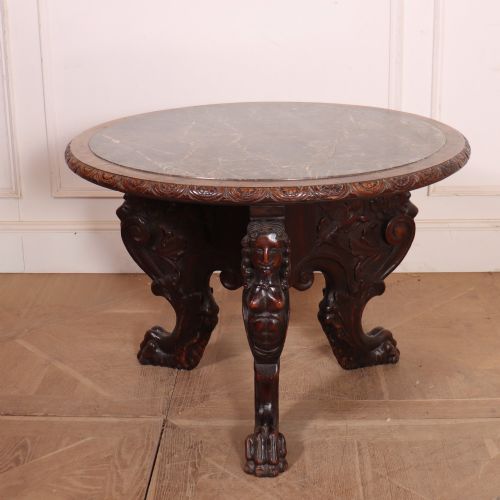
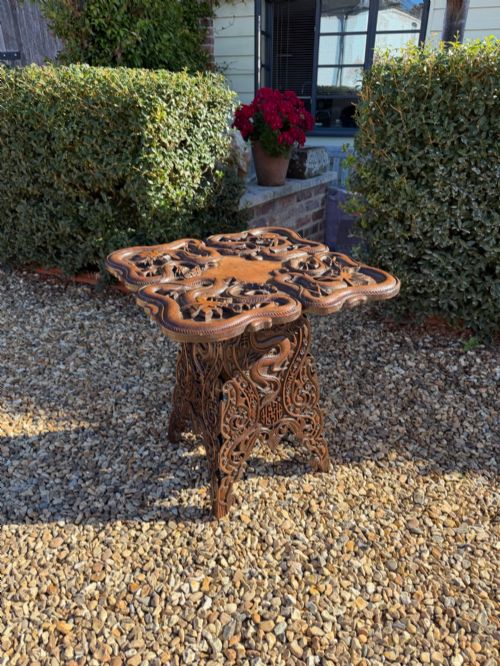
Construction relied on traditional joinery methods combined with surface embellishment such as chip carving, fretwork, and hand-applied relief work. Tables originating from overseas workshops often featured dense exotic hardwoods carved with intricate foliage, geometric patterns, or figurative motifs before reaching European markets.
Carved Wooden End Table Retail Price Guide 2026
Typical asking prices for carved wooden end table among the pieces listed under this phrase on Sellingantiques today, from the lower quarter to the upper quarter. They describe what is for sale here now, not the wider market.
Materials documented across the listings include oak, mahogany, walnut, rosewood, brass, and paint.
Factors influencing quality
Quality in a carved wooden end table rests primarily on the crispness and depth of the hand carving, alongside the selection of timber figure and grain. Tables with deeply undercut foliage or precise geometric inlay demand greater skill from the maker than simpler pressed or shallow incisions.
Structural integrity and the retention of original surfaces dictate the standing of individual pieces. Examples that maintain their original polished finish, stable joinery, and complete inlay without replacement sections command greater attention from collectors.
Trevor Page & Co
The Carved Wooden End Table Glossary
- Chip carving
- A form of relief carving where small triangles or chips are removed from a wooden surface to create geometric patterns. This technique appears frequently on nineteenth- and twentieth-century occasional tables.
- Inlay
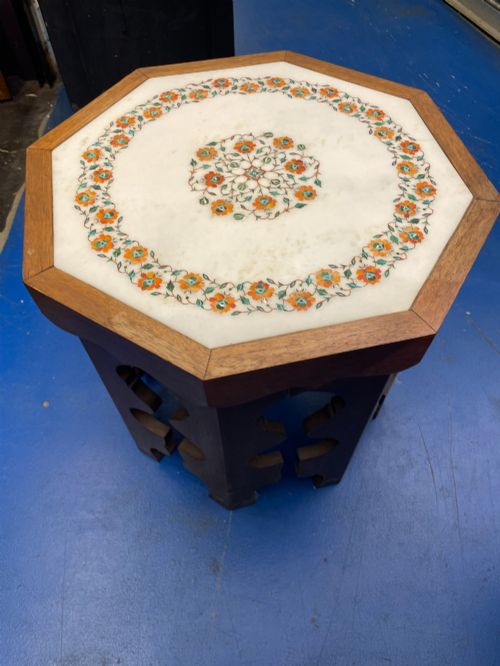
- A decorative technique where contrasting materials such as brass, lighter woods, or bone are set into recesses flush with the surrounding surface. It is characteristic of many Anglo-Indian and Edwardian tables.
- Hongmu
- A traditional Chinese term translating to red wood, used to describe dense and durable timbers such as rosewood. Pieces made from this material often exhibit exceptional natural grain and colour.
- Nest of tables
- A set of graduated tables designed to fit neatly beneath one another when not in use. They became popular in various stylistic revivals during the Victorian and Edwardian periods.
- Occasional table
- A small, movable table intended for intermittent use within a living space. These pieces take many forms, including lamp tables, side tables, and coffee tables.
Carved Wooden End Table: Frequently Asked Questions
What rooms suit a carved wooden end table?
These tables find a natural home beside sofas, armchairs, or beds where a surface is required for lighting, books, or small decorative objects. Their compact footprints allow them to fit into corners or narrow alcoves without dominating the floor plan.
The distinct decorative carving and regional styles also make them effective focal points in hallways or studies, where they can stand alone as display pieces.
How do I care for antique wooden tables?
Maintenance involves keeping the timber away from direct heat sources and strong sunlight, which can dry out the wood and fade polished finishes. Regular dusting with a soft, dry cloth is usually sufficient to maintain the surface.
Application of traditional beeswax can nourish older hardwoods periodically, though heavy modern polishes should be avoided to preserve the original patina.
What is an Anglo-Indian table?
An Anglo-Indian table is a piece of furniture made in India during the nineteenth or early twentieth century, typically designed to suit European tastes while retaining traditional local craftsmanship. They frequently feature dense hardwoods like teak or padauk and elaborate hand-carved foliage.
Many examples incorporate folding bases or octagonal tops, reflecting portability and the tastes of the British colonial period.
How do I identify an Edwardian table?
Edwardian tables, produced in the first decade of the twentieth century, often reflect lighter proportions and refined classical revivals compared to heavy Victorian predecessors. They commonly feature mahogany or oak construction with subtle inlay or fretwork detailing.
Construction methods from this era combine machine assistance with traditional hand-finishing, resulting in neat joinery and balanced, elegant silhouettes.