



Carved Wooden Element
A carved wooden element brings the texture of historic architecture and discarded ornament directly into a room, offering fragments from panels, finials and columns.
Carved Wooden Element
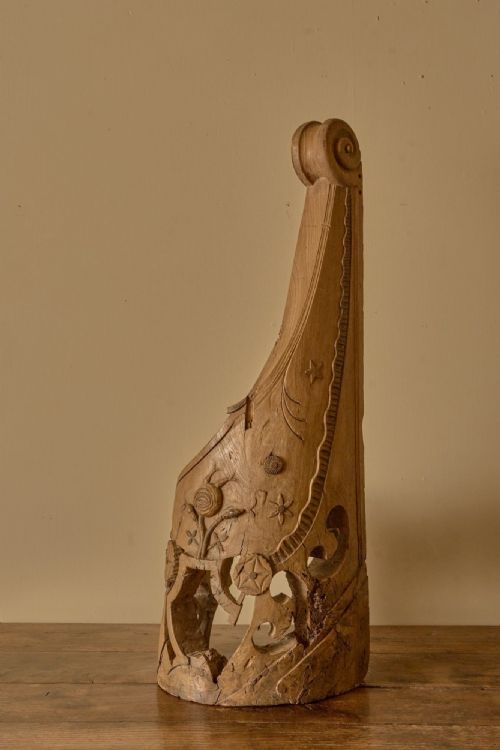
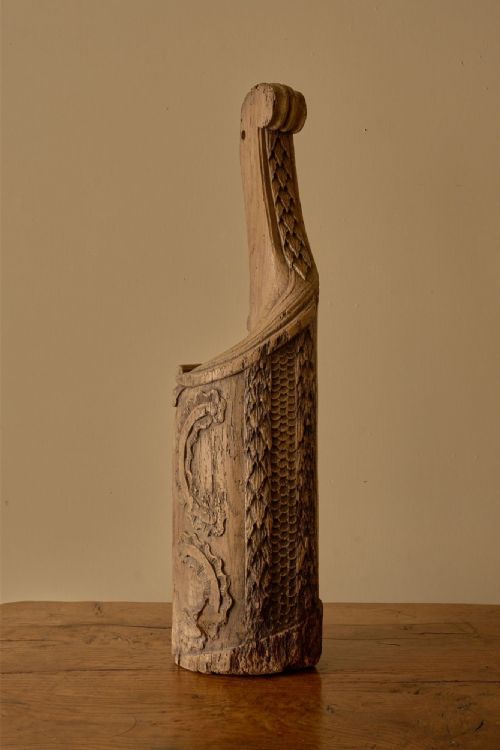
When searching for a carved wooden element, a buyer encounters architectural salvage, wall brackets, ceiling boss panels and sculptural fragments drawn from centuries of building decoration. These pieces originate from domestic and institutional settings, shifting from structural supports to purely decorative ornaments.
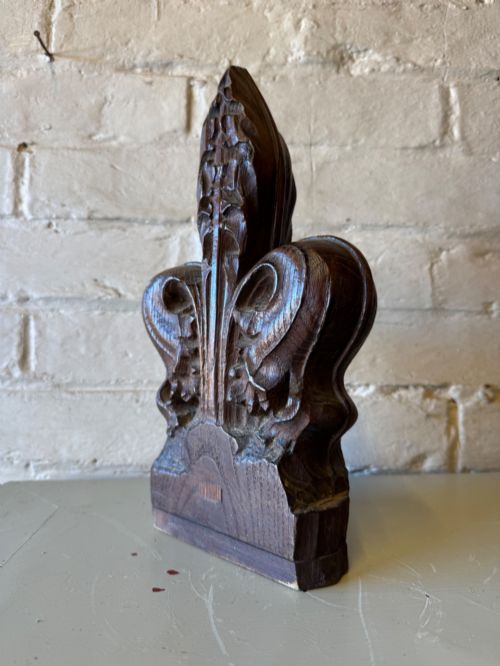
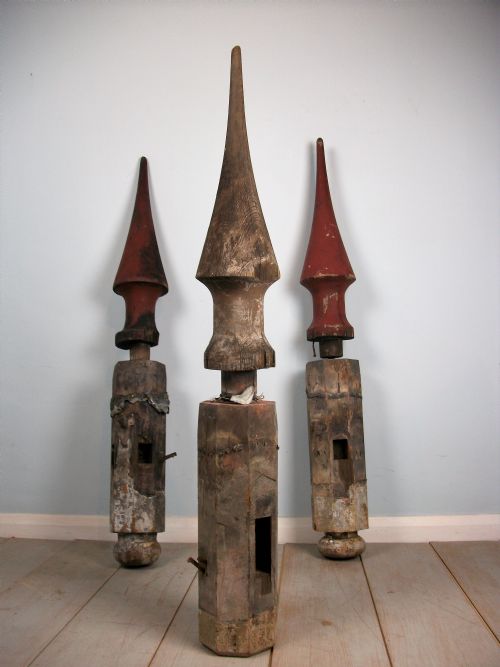
The most frequent items on this page are oak and walnut carvings spanning the seventeenth, eighteenth and nineteenth centuries. Examples range from Gothic revival panels and finials to Italian Baroque capitals and Indian roof decorations.
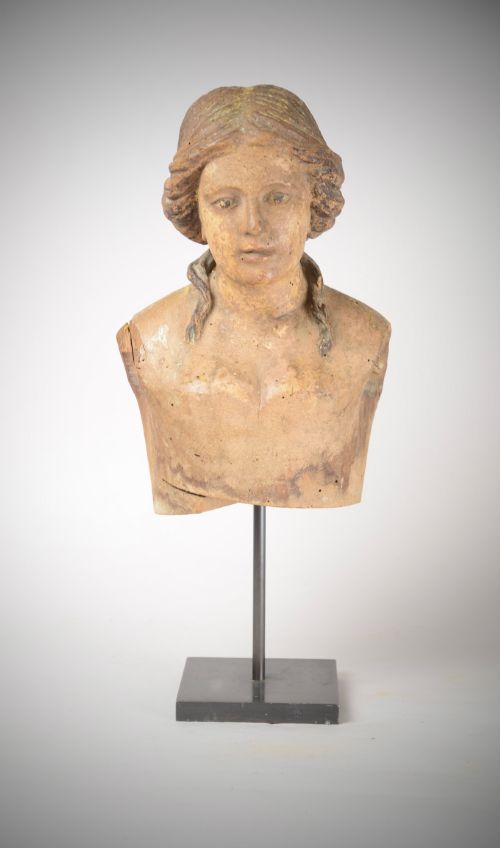
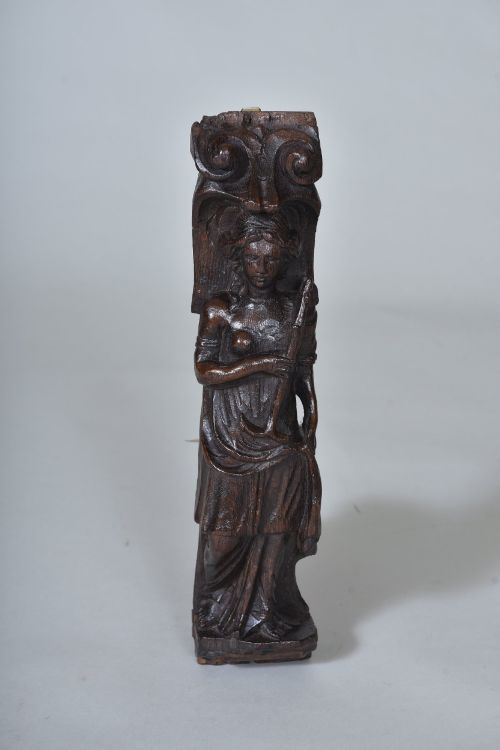
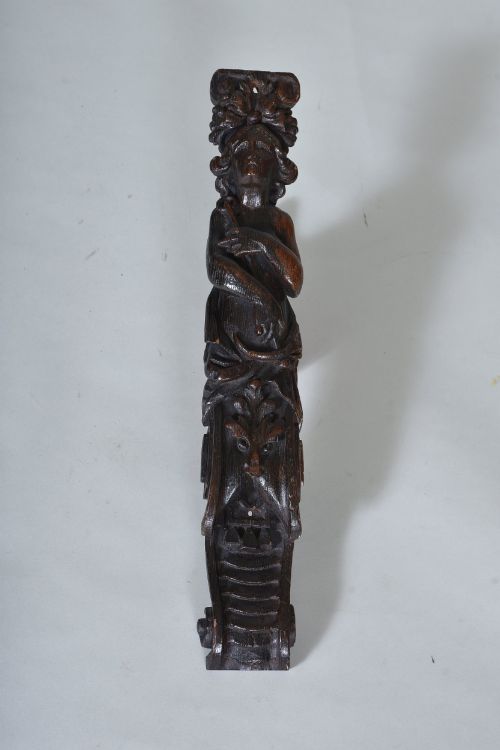
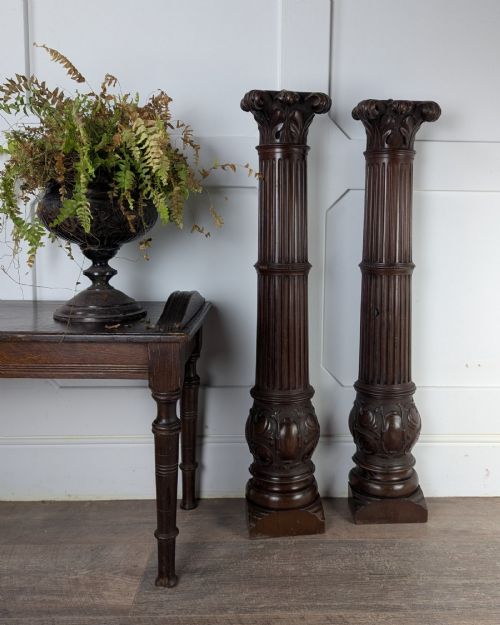
Objects appear in various forms, including newel posts, caryatids, architectural fragments and columns. Each item represents a detached piece of a once-larger structure, repurposed for interior display.
Assessing quality in antique carvings
The standard of a carved wooden element depends upon the crispness of the chisel work and the depth of the undercut relief. Master carvers achieved anatomical precision in figures and botanical accuracy in foliage, whereas lesser examples rely on shallow, summary incisions.
Condition and completeness also separate pieces, as untouched surfaces with original polychrome or patination command attention over stripped or heavily restored timber. The integration of design elements, such as balanced symmetry in pairs of brackets or columns, elevates the overall execution.
Carved Wooden Element Retail Price Guide 2026
Typical asking prices for carved wooden element among the pieces listed under this phrase on Sellingantiques today, from the lower quarter to the upper quarter. They describe what is for sale here now, not the wider market.
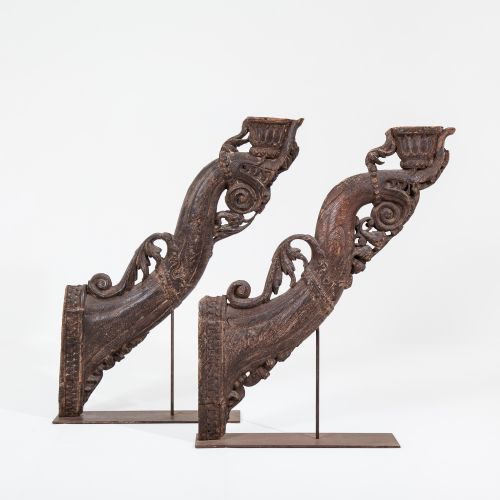
One fairground dragon ride fragment waits patiently among the architectural salvage to remind everyone that antique wood also once went very fast.
Luigi Frullini
The Carved Wooden Element Glossary
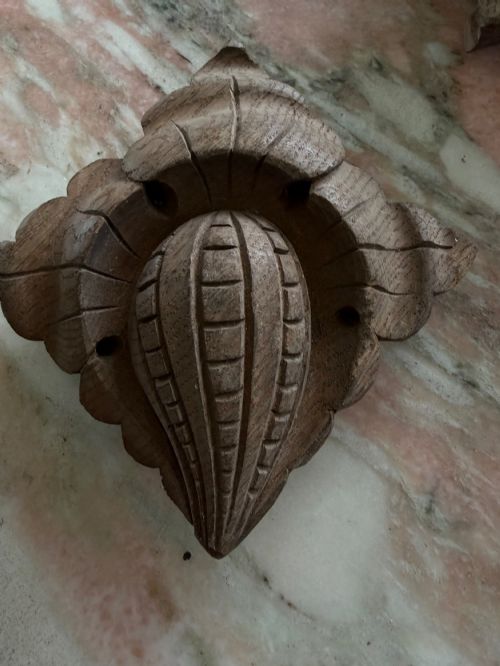
- Poppy head
- A carved ornament, typically leaf-shaped or floral, terminating the top of a bench end or finial.
- Ceiling boss
- A projecting block of wood at the intersection of rib vaulting or ceiling beams, often carved with floral or figurative motifs.
- Caryatid
- A sculpted female figure serving as an architectural support in place of a column or pilaster.
- Pediment
- A triangular or curved architectural gable above a door, window or decorative panel.
- Tracery
- Openwork pattern in stone or wood, typical of Gothic architecture, forming geometric designs in panels.
Carved Wooden Element: Frequently Asked Questions
How do I mount a heavy wooden carving on the wall?
Heavy architectural fragments require concealed steel brackets or sturdy batten systems screwed directly into wall studs. Weight distribution must rely on the solid timber sections rather than applied ornamentation.
Professional consultation ensures the wall structure safely supports dense hardwoods like oak and walnut without placing stress on historic joints.
Should I strip paint or gesso from an old carving?
Original finishes such as paint, gesso or silver leaf provide historical evidence of an object's decorative evolution. Removing these layers strips away centuries of patina and alters the surface texture recorded by the maker.
Conservation cleaning using dry methods is preferred to maintain the integrity of the remaining surface treatments.
How can I tell a seventeenth-century oak carving from a later revival piece?
Seventeenth-century pieces display tool marks consistent with hand-riving and early chisels, alongside natural timber shrinkage and dry oxidation. The grain patterns and peg construction reflect period joinery practices distinct from nineteenth-century machine assistance.
Comparing the depth of relief and the wear patterns helps distinguish genuine period fragments from later Gothic revival interpretations.
Where are architectural elements best placed in a modern interior?
Brackets, panels and finials suit prominent wall spaces where their relief work catches side lighting. Placing them above mantelpieces or along hallways allows the carved details to be viewed closely.
Stable indoor environments away from direct heat sources prevent the historic timber from splitting or warping over time.