






Carved Wooden Corner Cupboard
A carved wooden corner cupboard makes intelligent use of difficult angles, bringing warmth and fitted storage to any neglected room.
Carved Wooden Corner Cupboard
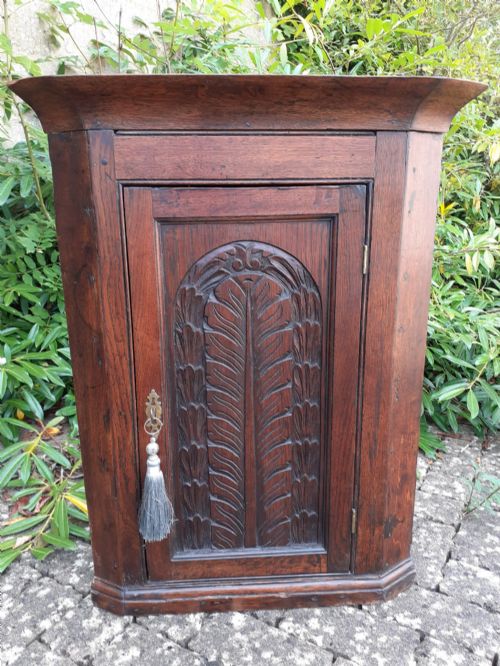
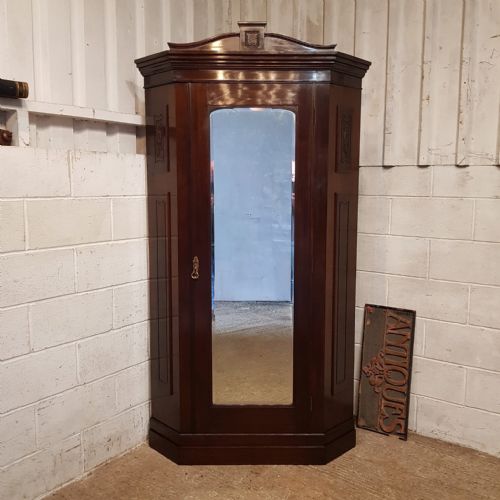
A carved wooden corner cupboard turns dead angles into practical storage by fitting neatly into room junctions, a practical solution seen across centuries of British and continental design. Buyers seeking a carved wooden corner cupboard encounter wall-mounted hanging versions from the eighteenth century alongside floor-standing and corner wardrobes from the Victorian period.
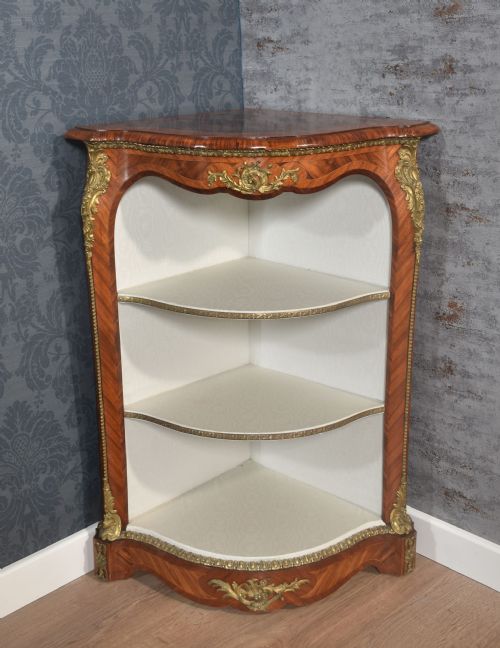
The form spans straightforward domestic oak pieces and ambitious continental iterations finished in walnut, mahogany, and marquetry. These cabinets often feature single panelled doors, brass hinges, and detailed carving that reflects the prevailing taste of the maker's era.
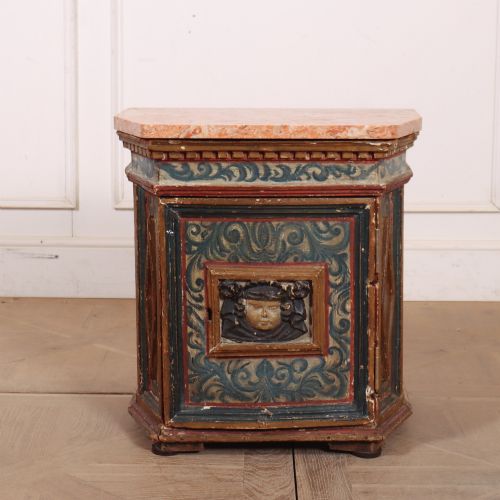
Georgian examples sit alongside Victorian iterations, Chippendale Revival interpretations, and rarer Anglo-Indian or Dutch Baroque models. The selection ranges from small wall cupboards designed to hold provisions or tableware to substantial floor-standing cabinets and corner wardrobes.
How they were made
Carpenters constructed these cabinets using sturdy timbers like oak, mahogany, and walnut, frequently housing them in solid frames designed to withstand decades of use. Joinery techniques varied from simple pegged joints in eighteenth-century pieces to more elaborate framing in nineteenth-century workshops.
Surface ornamentation relied on hand-carving directly into the wood, alongside inlaid marquetry, painted finishes, and occasional ormolu mounts. Brass hardware including hinges and escutcheons secured the doors while adding functional contrast to the dark wood grains.
Carved Wooden Corner Cupboard Retail Price Guide 2026
Typical asking prices for carved wooden corner cupboard among the pieces listed under this phrase on Sellingantiques today, from the lower quarter to the upper quarter. They describe what is for sale here now, not the wider market.
Current listings feature pieces spanning the mid eighteenth century through to the Victorian era, utilising oak, mahogany, walnut, and pine.
What varies in quality
Quality rests in the crispness of the hand-carved detail and the selection of timber, where tightly grained walnut or figured mahogany elevates a piece above standard domestic pine or utilitarian oak. The integrity of the internal shelving and the original fit of the door within its frame signal skilled cabinet-making.
The sophistication of the stylistic influence sets finer examples apart, moving from plain provincial work to intricate Chippendale Revival carving, Dutch marquetry, or specialised Anglo-Indian craftsmanship. Original brass mounts and unaltered structural timber preserve the historical integrity that collectors value.
Liberty & Co.
The Carved Wooden Corner Cupboard Glossary
- Marquetry
- Inlaid wood veneers arranged in decorative patterns on the surface of a cabinet. This technique requires considerable skill to fit contrasting timbers seamlessly together.
- Ormolu
- Gilt bronze mounts applied to furniture for decorative effect. It appears frequently on finer nineteenth-century continental pieces.
- Escutcheon
- A protective plate surrounding a keyhole, usually fashioned from brass. It guards the surrounding wood from wear caused by the key.
- Cornice
- The moulded projection that crowns the top of a cabinet. It provides a finished architectural transition between the wall and the furniture piece.
Carved Wooden Corner Cupboard: Frequently Asked Questions
Where should I place a corner cupboard?
These cabinets suit awkward room junctions, empty hallways, and dining rooms where floor space remains at a premium.
Hanging versions mount securely to wall studs at eye level, while floor-standing variants anchor directly against skirting boards.
How do I care for antique wood?
Keep wooden surfaces away from direct heat sources and strong sunlight to prevent the timber from drying out and splitting.
Apply a traditional beeswax polish occasionally to nourish the grain and maintain a soft, protective lustre.
Can these cabinets hold heavy items?
Most interiors feature fixed or adjustable wooden shelving capable of supporting everyday crockery, glassware, or books.
Wall-mounted models require secure fixings into solid masonry or stud work to bear the combined weight of the cabinet and its contents safely.
How do I distinguish eighteenth-century pieces?
Look for hand-cut dovetails, pegged joints, and timber surfaces showing deep patination developed through centuries of handling.
Earlier examples often rely on native oak or walnut with simpler, sturdier fastenings before revival styles introduced heavier ornamentation later.