



Carved Wooden Bed Posts
Carved wooden bed posts are architectural elements and structural supports offering a glimpse into historic bedroom design.
Carved Wooden Bed Posts
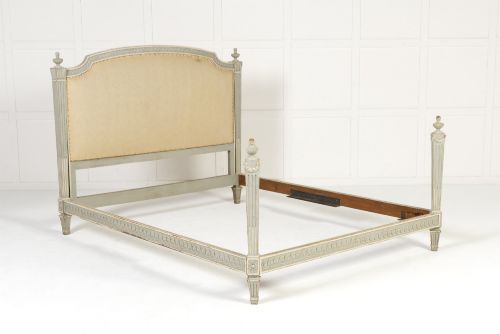
Carved wooden bed posts represent architectural fragments and structural components drawn from historic bedsteads, primarily originating from the nineteenth century. These elements appear as pairs of carved columns, often separated from their original four poster frames to serve as standalone decorative objects or architectural salvage.
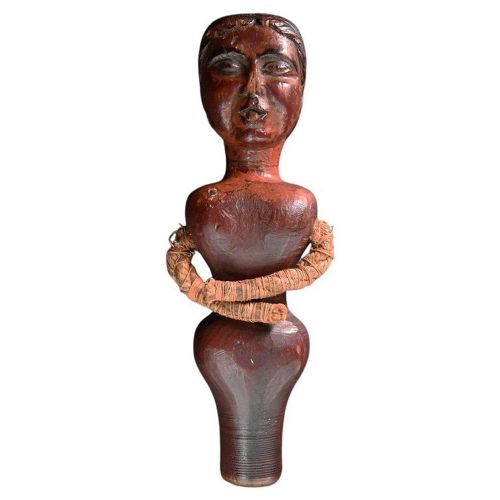
The selections span various periods including the Regency, Victorian, and Edwardian eras, alongside revival styles such as Georgian Revival and Portuguese Baroque Revival. Buyers encounter forms ranging from freestanding pairs of mahogany and oak posts to distinct folk-art bedpost figures.
What varies in quality
The depth, crispness, and execution of the hand carving dictate the distinction between standard joinery and exceptional craftsmanship. Crisp fluting, well-defined capitals, and balanced proportions on turned shafts separate superior architectural elements from simpler production.
The choice of primary timber influences the standing of a piece, with figured mahogany and dense hardwoods commanding greater presence than basic or painted alternatives. The integrity of the surviving timber surface and the originality of any applied finish complete the assessment of overall merit.
Mahogany and oak appear most frequently among the timber options recorded in these listings.
Howard & Sons
The Carved Wooden Bed Posts Glossary
- Bed Post
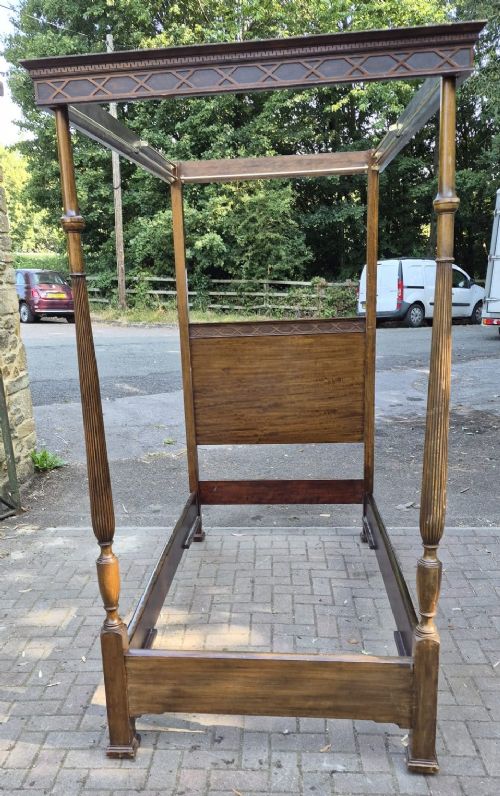
- The vertical pillar supporting the canopy of a four poster bed or framing the head and footboards. These structural members frequently survive independently as decorative architectural salvage.
- Four Poster Bed
- A large bedstead featuring four vertical posts that rise to support an upper canopy or tester. Examples range from classical Regency designs to ornate colonial interpretations.
- Mahogany
- A durable tropical hardwood prized for its reddish-brown colour and stable grain, heavily utilised in fine British and colonial furniture manufacture. It takes a high polish and accepts intricate carving without splintering.
- Regency
- A stylistic period spanning the early nineteenth century defined by classical restraint, archaeological revival, and elegant proportions. Pieces from this era often incorporate refined turning and subtle architectural details.
- Folk-Art
- Objects created by self-taught or vernacular makers outside academic traditions, often displaying idiosyncratic charm and direct carving techniques. Bedpost figures belong to this expressive category.
Carved Wooden Bed Posts: Frequently Asked Questions
What are carved wooden bed posts?
Carved wooden bed posts are vertical support pillars, frequently salvaged from nineteenth-century four poster bedsteads. They serve as decorative architectural elements or freestanding display pieces.
These items showcase historical woodworking styles, ranging from Regency turning to Victorian oak carving and folk-art figures.
How were bed posts used originally?
Originally, these posts functioned as the structural corners of large beds, supporting wooden testers, cornices, and fabric hangings that kept warmth inside the sleeping space.
Today, surviving pairs often stand alone as pedestals, architectural ornaments, or sculptural objects within a room.
How do I identify the period of a bed post?
Dating relies on timber selection, turning profiles, and carving motifs that align with specific eras like the Regency or Victorian periods. Heavier oak work often points to mid-nineteenth-century manufacture, while refined mahogany reflects earlier Regency or Georgian design.
Comparing the style of the capitals and the depth of the fluting helps place the piece within its historical context.
How do I live with bed posts at home?
Bed posts adapt well to interior spaces when displayed on pedestals, mounted against walls, or used to frame architectural doorways. Their vertical presence draws the eye upward, adding height and historic texture to modern or traditional rooms.
Placing them in corners or hallways allows the carved details and timber grains to be appreciated without requiring functional support duties.