




Carved Wooden Artwork
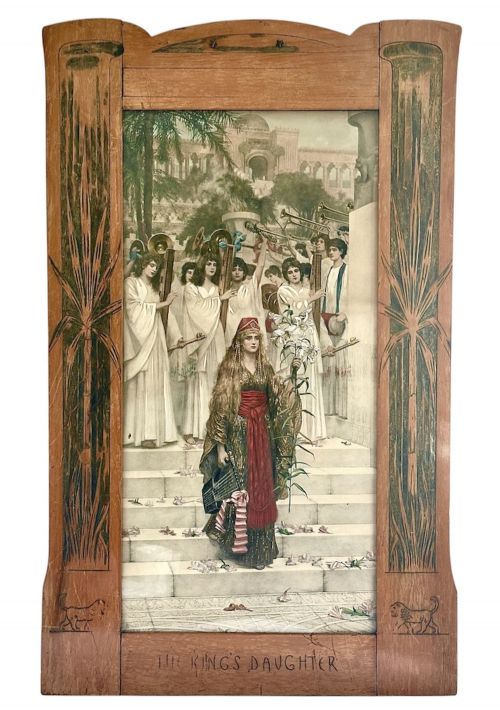
Carved wooden artwork brings together centuries of skilled handiwork, offering substantial decorative presence through relief panels, figures, and ornate picture frames.
Carved Wooden Artwork
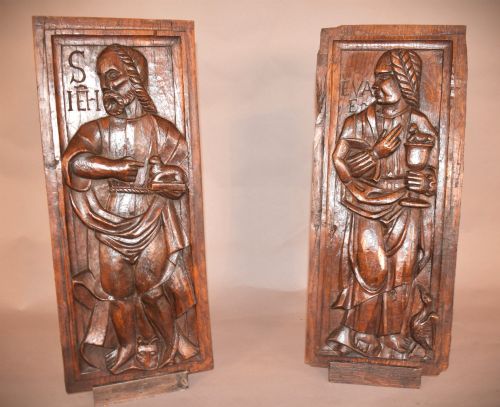
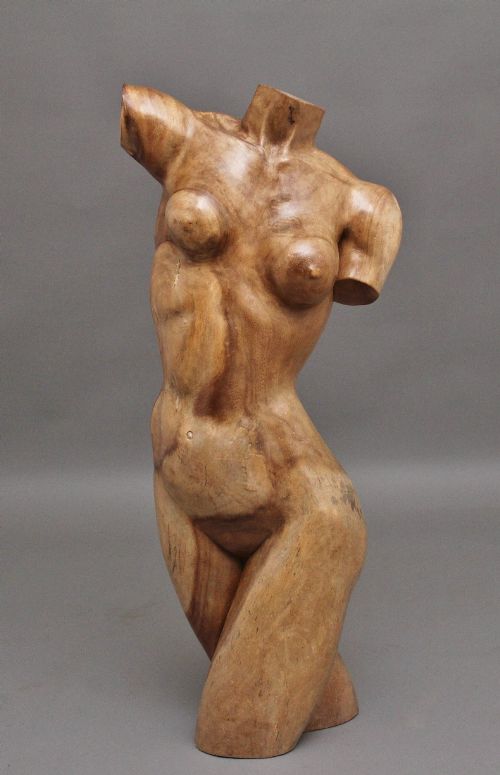
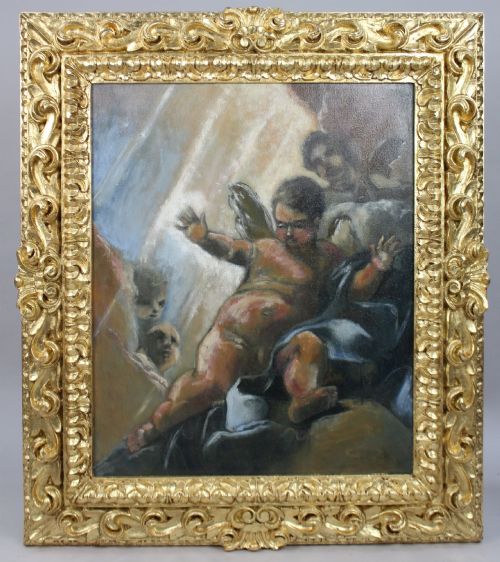
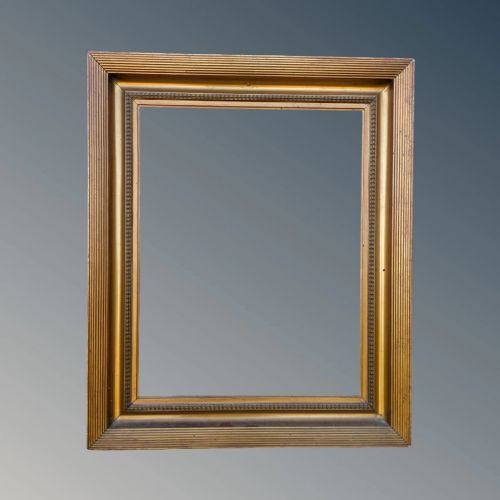
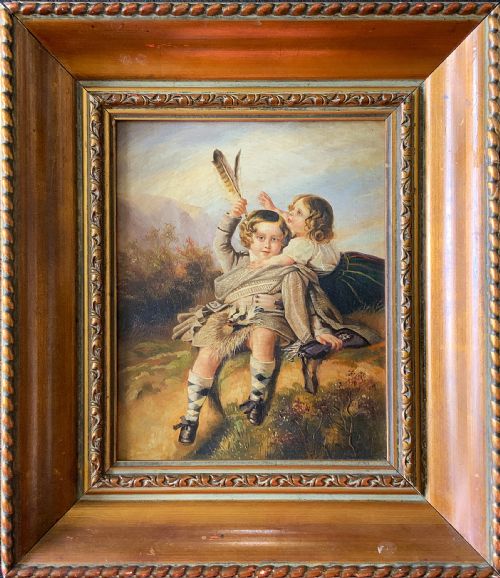
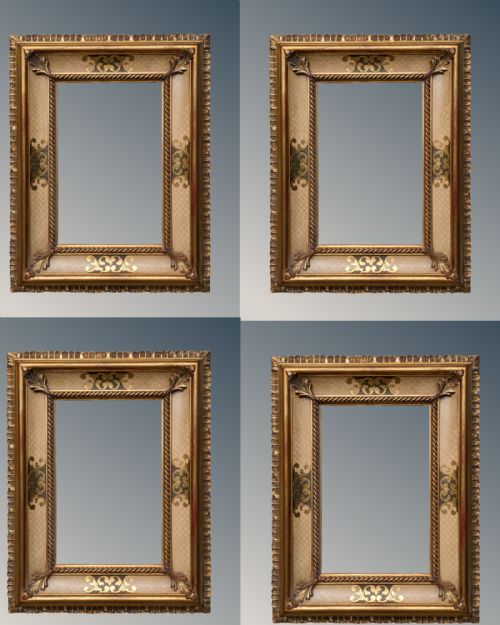
When you search for carved wooden artwork, you encounter a diverse assortment of objects ranging from architectural wall panels and religious figures to sculptural animal studies and grand gilded picture frames. These pieces span multiple centuries, originating from European workshops, Asian traditions, and African makers.
The most common forms on this page include decorative panels, ecclesiastical figures, and architectural fragments fashioned from lime wood, pine, oak, and exotic hardwoods. Many incorporate surface treatments such as gesso, gold leaf, and lacquer to enhance their visual depth.
How they were made
Maker's methods rely on traditional hand tools such as gouges, chisels, and knives applied to seasoned timber blocks and planks. Artisans select woods based on grain density, utilising lime wood and pine for intricate European relief work, and denser hardwoods for durable sculptural forms.
Surface finishes complete the construction, often involving layers of gesso preparation followed by applications of gold leaf or polychrome paint. Lacquered panels integrate mother-of-pearl and abalone inlay into the wooden base, combining joinery with surface artistry.
Carved Wooden Artwork Retail Price Guide 2026
Typical asking prices for carved wooden artwork among the pieces listed under this phrase on Sellingantiques today, from the lower quarter to the upper quarter. They describe what is for sale here now, not the wider market.
Materials span plain wood, gesso, gold leaf, lacquer, glass, paper, and canvas across pieces dating from the seventeenth century onward.
What varies in quality
Quality rests upon the depth of the carving and the dexterity shown in rendering anatomical or botanical details. Superior examples exhibit crisp undercutting and confident tool marks that bring texture and movement to the subject matter.
The preservation of original surface treatments also determines value, distinguishing pieces retaining their authentic gilding, polychrome, or lacquer from those subjected to later overpainting or aggressive cleaning.
The Carved Wooden Artwork Glossary
- Gesso
- A plaster-like mixture applied to wood surfaces to prepare them for painting or gilding. It provides a smooth ground that accepts gold leaf or pigment.
- Gilding
- The application of fine gold leaf or powder to a wooden surface. This technique creates a luminous finish often seen on elaborate picture frames and religious panels.
- Polychrome
- Decorated in multiple colours. This term describes carved wooden figures and panels painted with various pigments.
- Relief
- Sculptural work where figures or designs project from a flat background. High relief projects substantially, while low relief remains closer to the surface plane.
Carved Wooden Artwork: Frequently Asked Questions
How do I clean carved wood?
Dust surfaces gently with a soft, dry brush to prevent debris settling into deep crevices. Avoid liquid cleaners and harsh chemicals that can strip original finishes.
Keep pieces away from direct sunlight and excessive humidity to prevent the timber from warping or splitting over time.
Are these pieces hand carved?
Most antique and traditional pieces rely entirely on hand tools operated by skilled artisans. Evidence of individual chisel strokes often remains visible on the reverse or in recessed areas.
Closer inspection reveals subtle irregularities that distinguish genuine handwork from later machine-produced replicas.
How do I hang heavy wooden panels?
Substantial wall plaques and panels require secure fixings anchored directly into wall studs or masonry. Heavy frames benefit from professional mirror plates distributed evenly across the weight-bearing points.
Consult a professional installer if the piece exceeds standard domestic weight limits to ensure structural safety.
Can I date wood by appearance?
Colour changes, patination, and tool marks offer reliable clues to a piece's age. Older timber develops a dry, rich surface sheen accumulated through decades of handling and atmospheric exposure.
Comparing construction joints and fastener types helps confirm the period indicated by the style and material.