
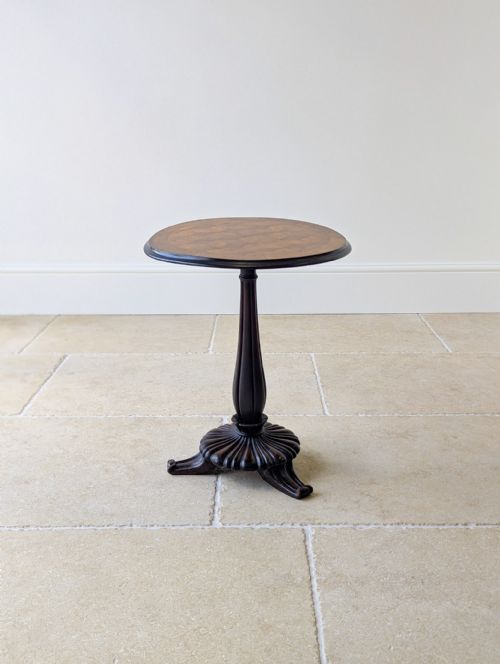
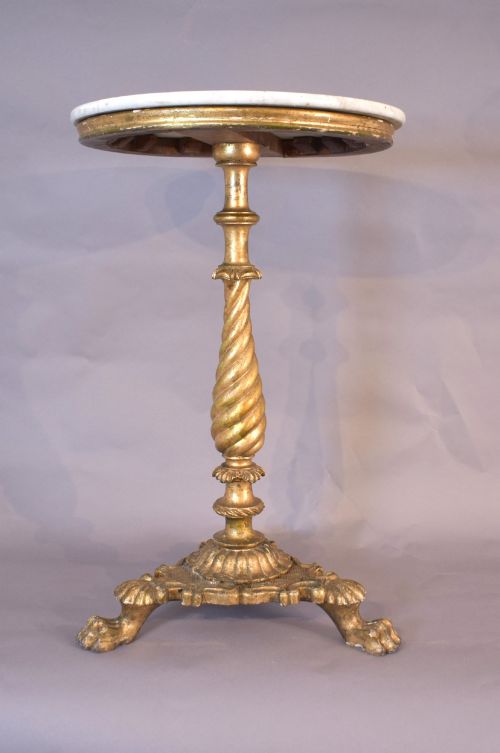
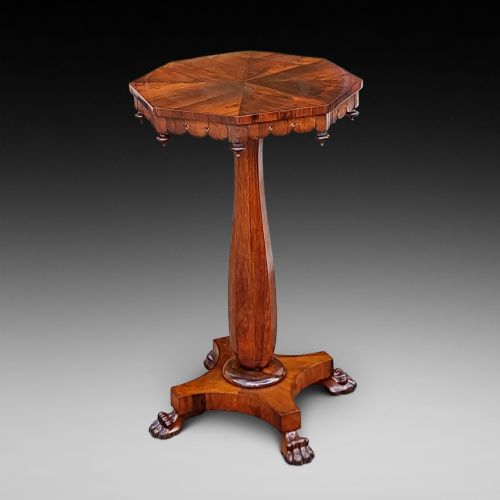
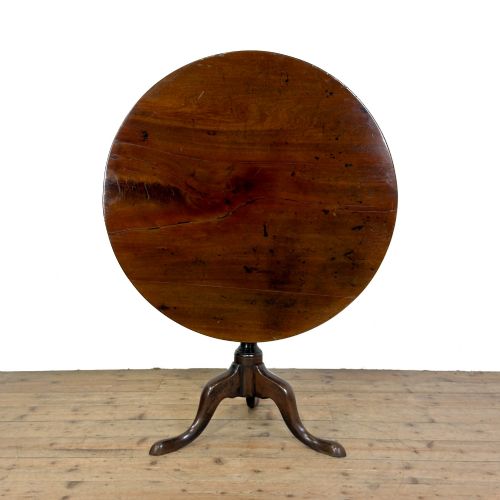
Carved Wood Wine Stands
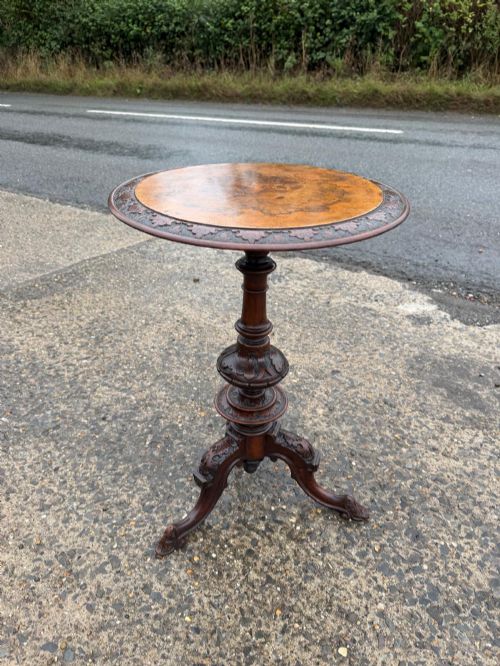
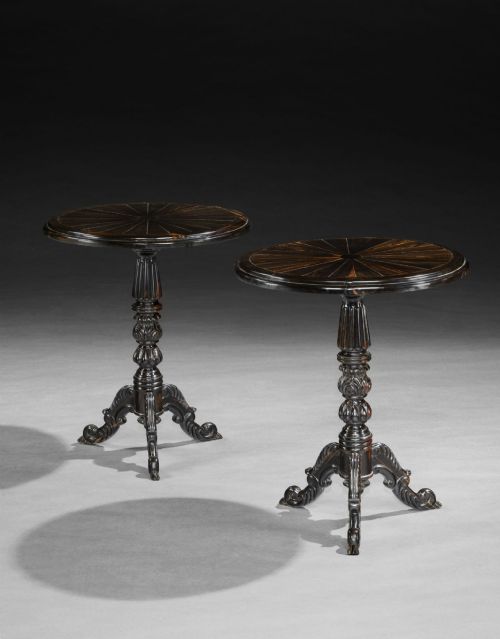
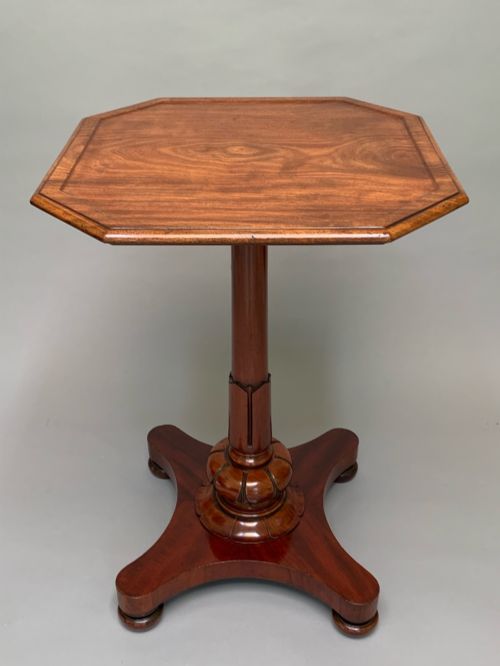
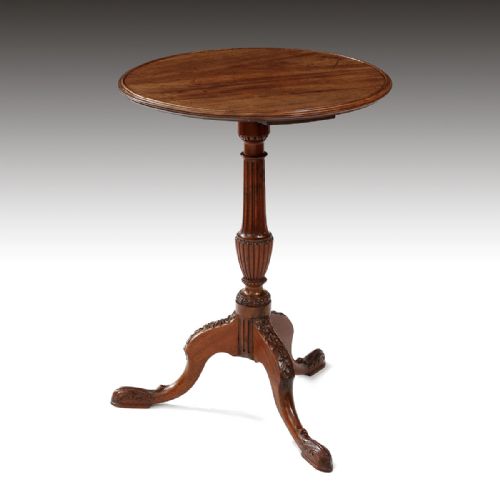
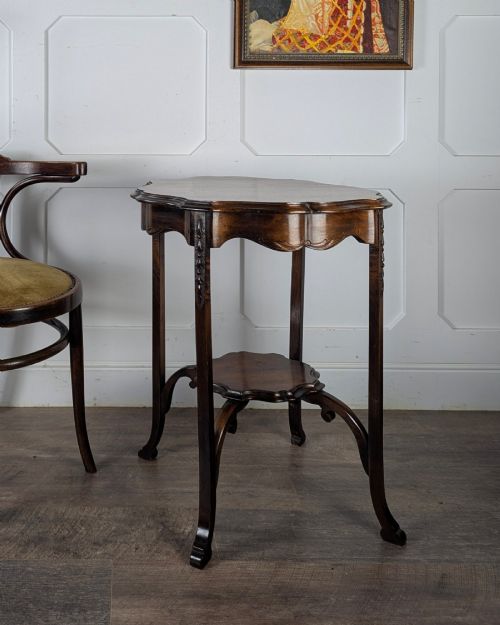
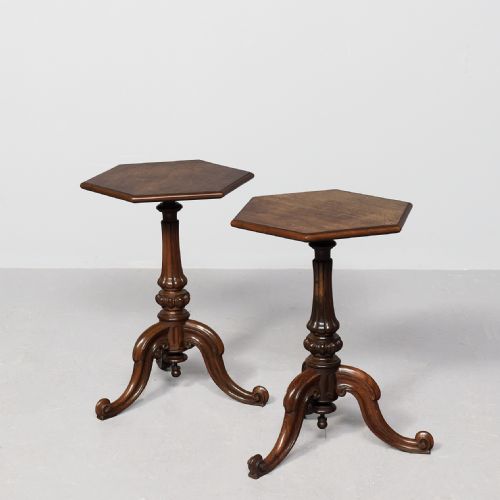
These carved wood wine stands offer practical surface space and solid timber construction for period rooms.
Carved Wood Wine Stands
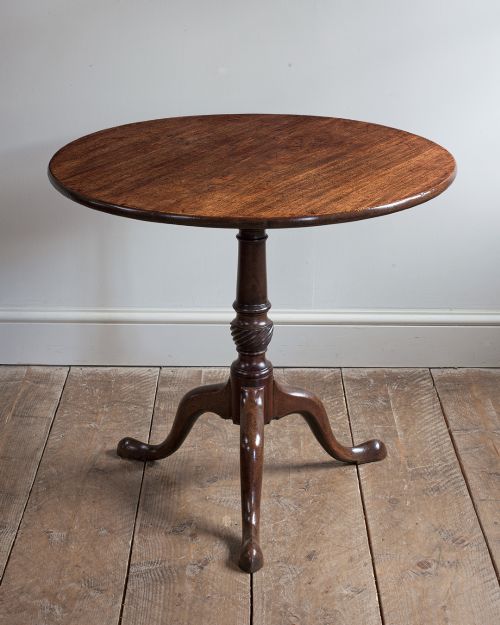
Buyers seeking carved wood wine stands will encounter small tables designed for domestic use, predominantly appearing as tripod tables, occasional tables, and side tables across this page.
The selection spans periods from the 18th century through the Georgian, Victorian, and Edwardian eras, leading up to the 1920s and 1930s.
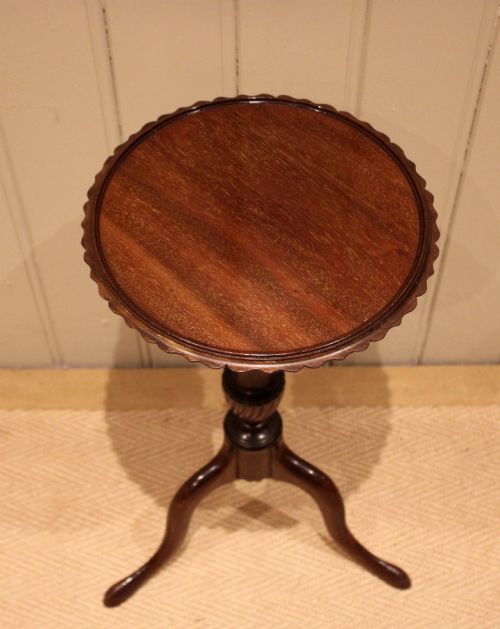
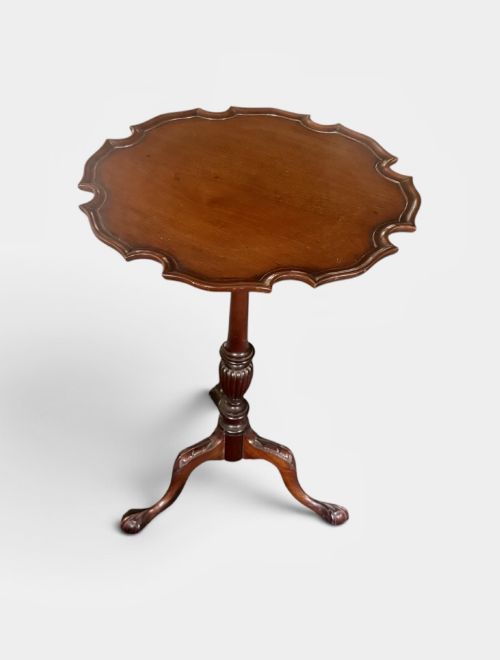
Most examples function as compact surfaces for lamps or small decorative items, taking forms such as dishtop, pie crust rim, and tilt top configurations.
How they were made
Cabinet makers utilised dense timbers such as mahogany, oak, rosewood, walnut, and ebony to construct these small tables.
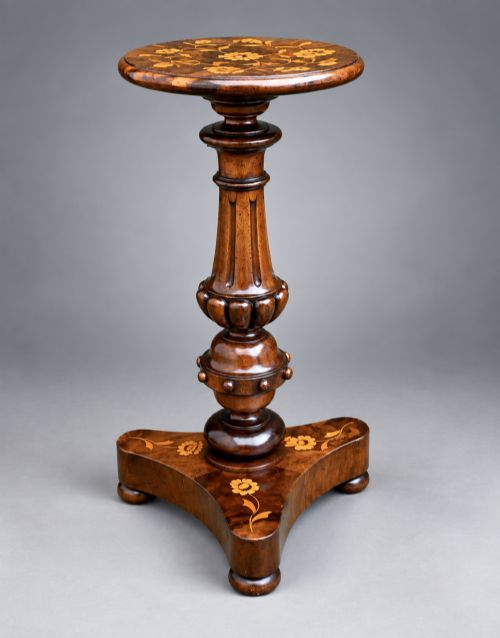
Surface decoration frequently involved hand carving, inlay work, and occasionally marble inserts or brass fittings.
Listings span the 18th, 19th, and early 20th centuries, featuring mahogany, oak, rosewood, walnut, and marble.
What varies in quality
The standard of timber selection and the precision of the joinery establish the grade of each piece.
Hand carving detail and the execution of specific edge treatments, such as pie crust rims, separate standard utility pieces from finer items.
Attribution to documented makers or specific stylistic periods influences the standing of individual tables.
Gillow·Shapland and Petter·Liberty of London
The Carved Wood Wine Stands Glossary
- Tripod table
- A small stand supported by a central pillar resting on three legs. This format dominates the earlier 18th and 19th-century listings.
- Pie crust table
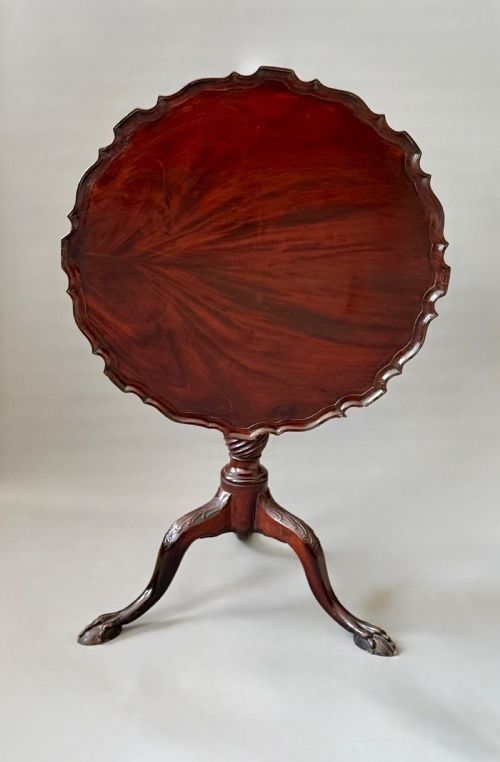
- A small round table featuring a raised, carved edge resembling pastry work. This decorative rim appears on George III and Edwardian examples.
- Tilt top table
- A table with a hinged top that can be folded vertical when not in use. This mechanism appears on pieces from the early 19th century.
- Occasional table
- A small, movable table intended for flexible placement around a room. These serve similar functions to lamp and wine tables.
- Barley twist
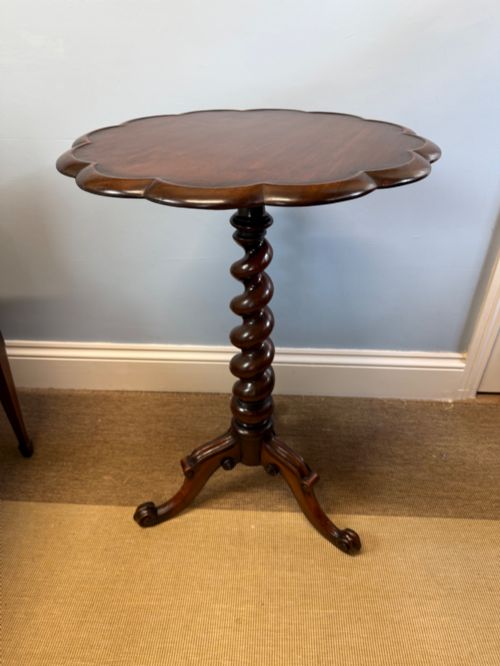
- A spiral turning technique applied to table pedestals. This form appears on Victorian and Edwardian oak and walnut pieces.
Carved Wood Wine Stands: Frequently Asked Questions
What is a wine table used for?
These small stands were historically placed beside seating to hold glasses or bottles during social gatherings.
Today they function primarily as lamp tables or occasional display surfaces in living spaces.
How do I identify a Georgian wine table?
Georgian pieces typically date from the 18th century and often feature solid mahogany timber with tripod bases.
Details like dishtops or carved pie crust edges help distinguish these earlier examples from later Edwardian reproductions.
What is a tilt top table?
A tilt top table incorporates a mechanism beneath the surface that allows the wooden top to rotate and lock vertically.
This design enabled the furniture to stand flat against a wall to save space when not in active use.
Are these tables solid wood?
The listings on this page consist of solid timbers including mahogany, oak, rosewood, walnut, and ebony.
Construction methods reflect the period of origin, spanning from 18th-century workshops to early 20th-century production.