

Carved Wood Windsor Chairs
Carved wood windsor chairs bring vernacular seating traditions into domestic spaces through robust timber frames and sculpted seats.
Carved Wood Windsor Chairs
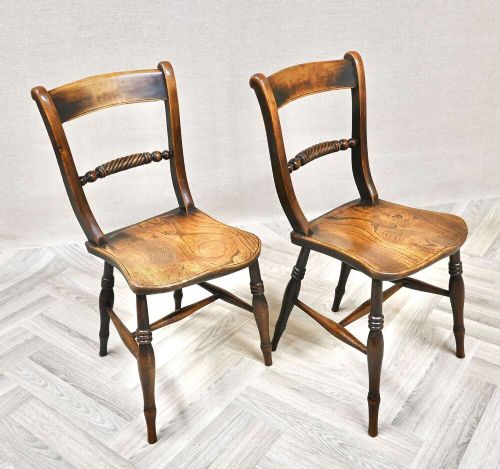
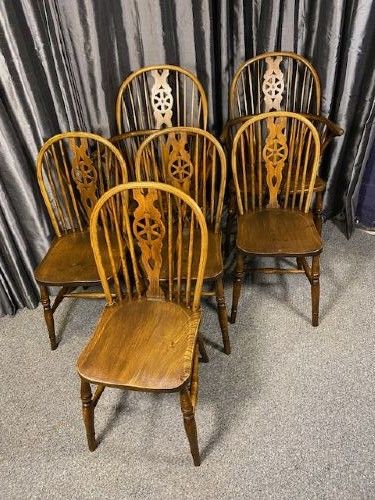
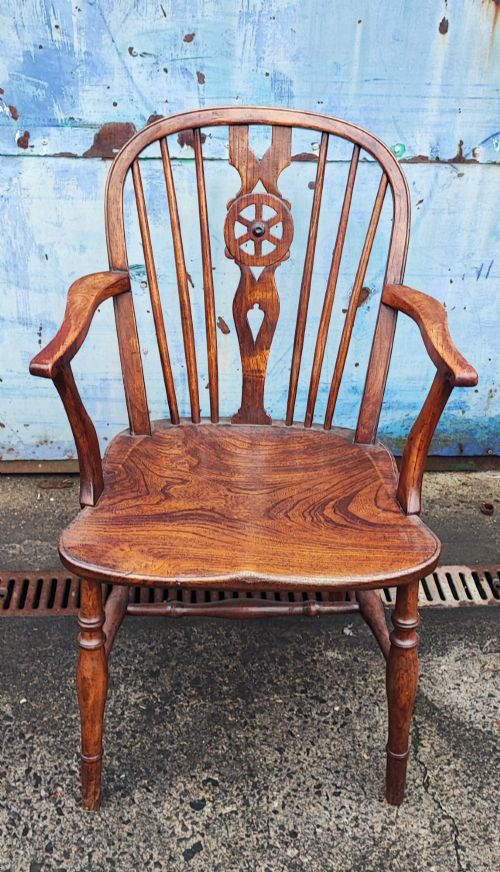
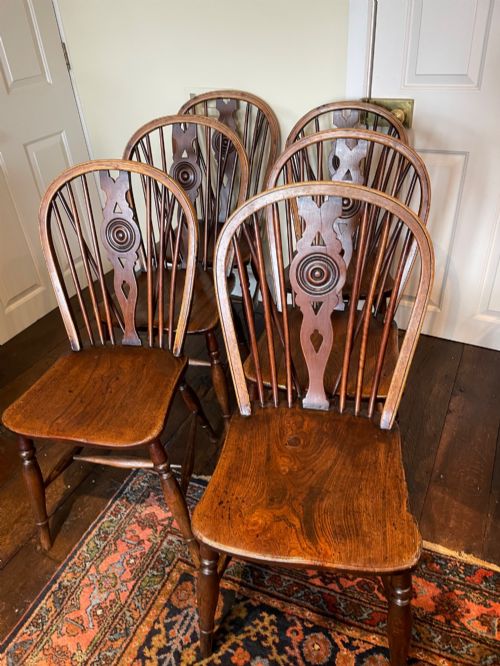
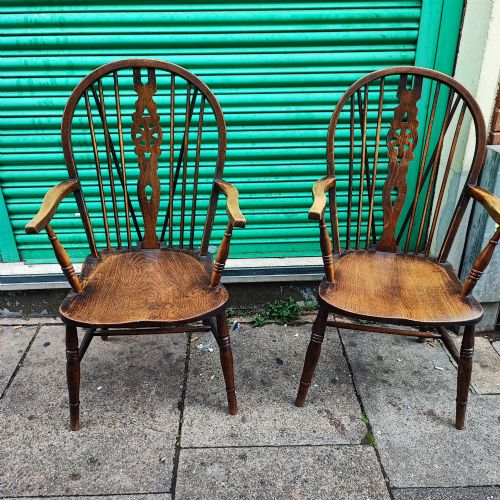
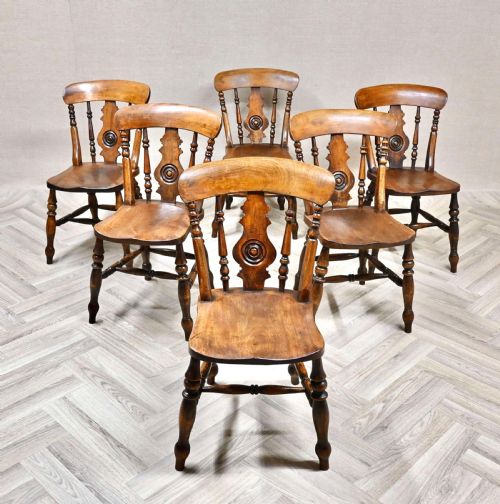
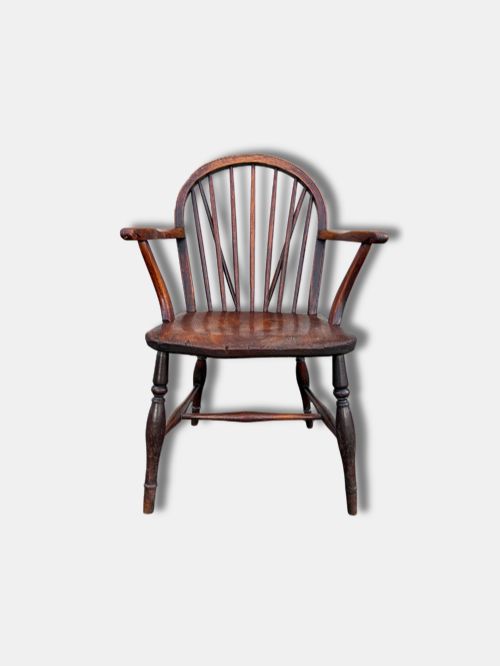
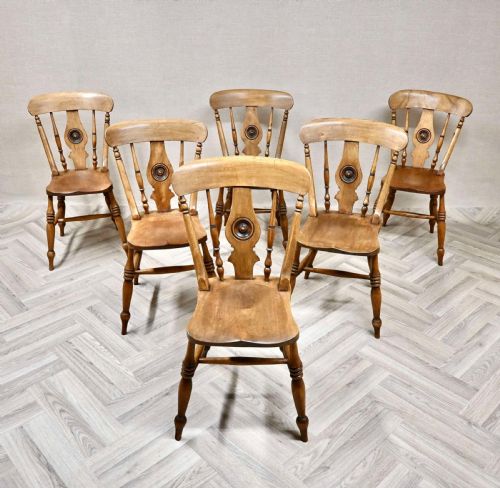
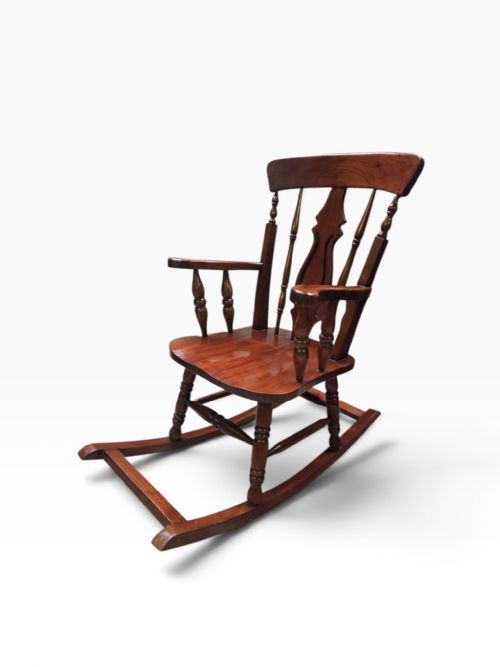
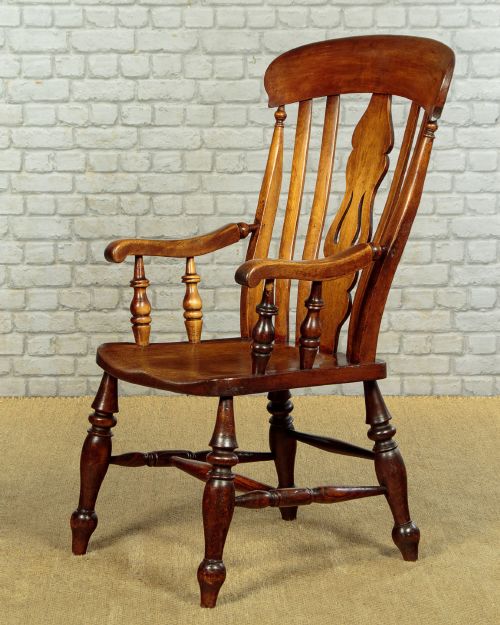
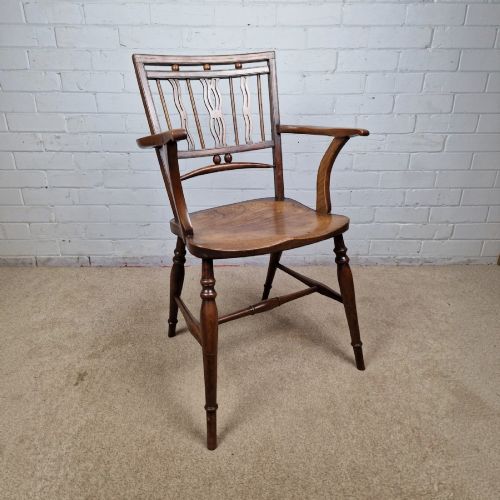
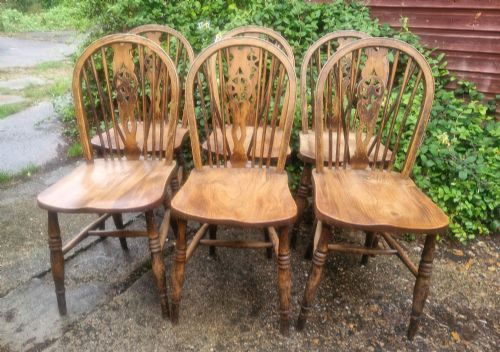
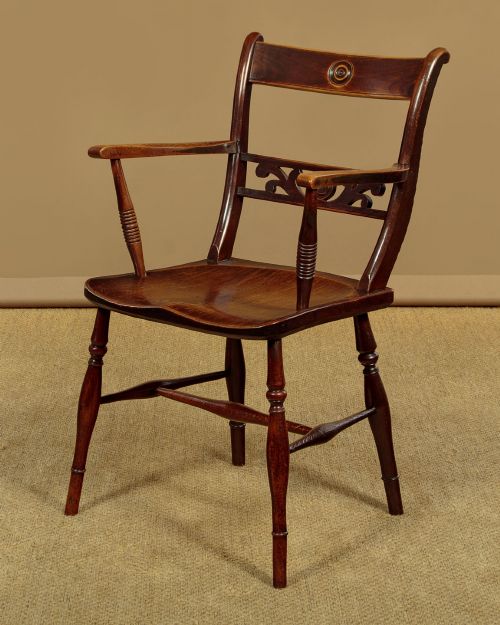
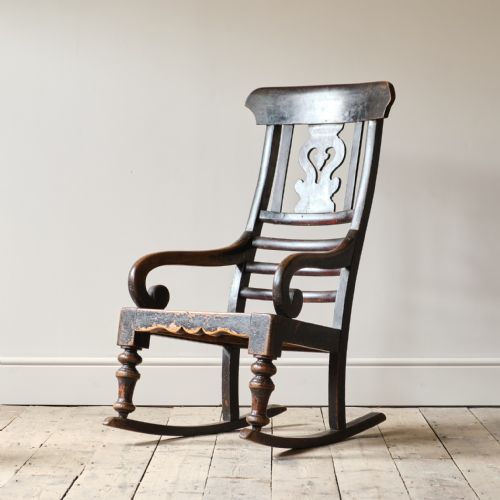
Carved wood windsor chairs are traditional seating forms defined by a distinct structural design where the legs and back are wedged directly into a solid wooden seat. Buyers seeking these pieces encounter a rich variety of forms ranging from low-back library models to high-back dining armchairs and rocking chairs.
The selections span the nineteenth century predominantly, alongside early twentieth-century examples, reflecting regional English country workshop traditions. Common configurations include wheel-back, comb-back, and smokers bow designs originating from centres such as the Thames Valley.
Makers utilised native timbers to construct sturdy domestic furniture intended for everyday use in kitchens, farmhouses, and parlours. These chairs offer a direct link to historical woodworking methods through their unpretentious yet sophisticated construction.
How they were made
Constructed using a combination of turned spindles and solid plank seats, these chairs rely on specialised joinery where legs and uprights fit into bored holes. Craftsmen selected contrasting timbers within a single piece to harness the specific structural properties of each wood.
Elm served as the primary choice for the solid carved seats due to its interlocking grain which resisted splitting under downward pressure. Ash, beech, and fruitwood provided flexible strength for steam-bent bows and slender spindles.
Yew appeared in finer regional examples, prized for its dense grain and rich warm tone. Secondary timbers like laburnum and oak occasionally supplemented the construction in primitive or vernacular workshop outputs.
Carved Wood Windsor Chairs Retail Price Guide 2026
Typical asking prices for carved wood windsor chairs among the pieces listed under this phrase on Sellingantiques today, from the lower quarter to the upper quarter. They describe what is for sale here now, not the wider market.
What varies in quality
The quality of carved wood windsor chairs depends heavily on the select choice of timbers and the sophistication of the seat carving. Superior examples feature deeply saddled elm seats and finely turned stretchers that demonstrate exceptional restraint and balance.
Regional attribution and timber rarity elevate certain pieces, particularly those fashioned from richly figured yew wood or displaying complex comb-back structures. Greater refinement in the tapering of spindles and the rake of the legs separates standard utilitarian seating from master regional output.
The Carved Wood Windsor Chairs Glossary
- Windsor chair
- A chair built with a solid wooden seat into which the legs and back components are separately inserted. This structural method distinguishes the form from standard framed furniture.
- Comb-back
- A chair back featuring a horizontal crest rail supported by vertical spindles that resemble the teeth of a comb. This style often incorporates extended arm rests.
- Smokers bow
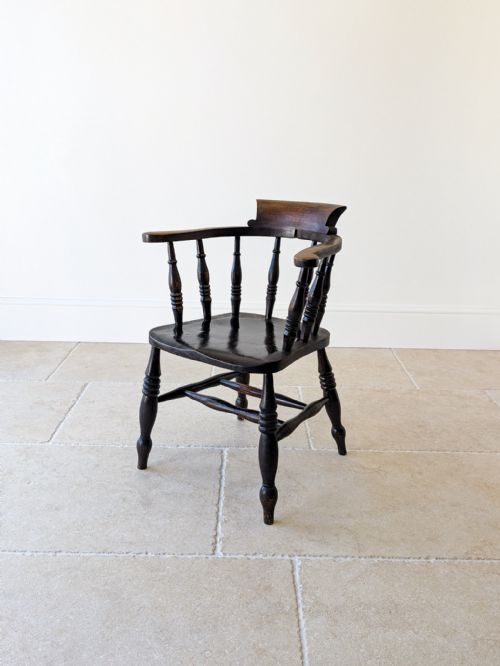
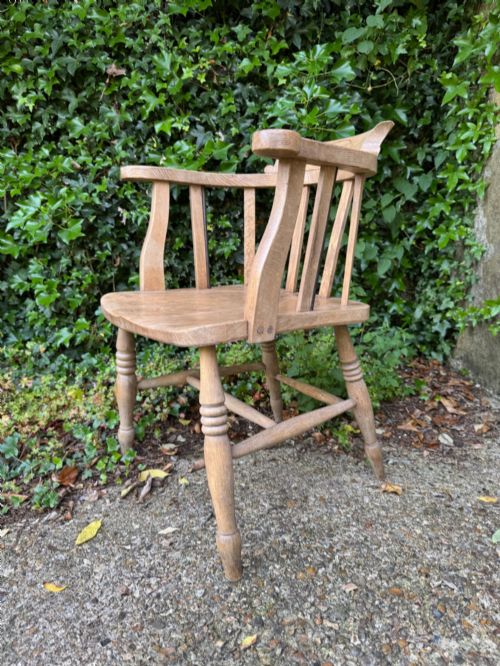
- A low-backed Windsor armchair with a rounded continuous arm rail, traditionally utilised in public houses and smoking rooms. These robust chairs offer compact domestic seating.
- Saddled seat
- A wooden seat base carved into a concave, ergonomic contour resembling a saddle. This shaping provides physical comfort while highlighting the thickness of the elm timber.
- Thames Valley
- A notable regional centre of production for nineteenth-century Windsor chairs. Pieces from this area often exhibit refined yew wood construction and distinctive central splats.
Carved Wood Windsor Chairs: Frequently Asked Questions
How do I identify a Thames Valley Windsor chair?
Thames Valley pieces are typically characterised by the use of rich yew wood and sophisticated turning on the legs and stretchers. They frequently display a central splat within the back bow and superior seat sculpting.
Look for refined proportions and regional design traits that set them apart from standard provincial kitchen chairs.
What is the difference between a low-back and high-back Windsor?
Low-back Windsor chairs feature a continuous arm and back rail set at a lower height, making them compact and easy to tuck beneath tables or desks. High-back versions extend further upward to support the head and shoulders, offering a more commanding presence.
Both styles utilise the traditional solid seat and wedged spindle construction characteristic of the form.
Can I use antique Windsor chairs for daily dining?
These robust timber chairs were originally built for heavy daily use in farmhouses and kitchens, making them remarkably durable today. Elm seats and ash spindles provide structural integrity well-suited to modern seating needs.
Ensure joints remain tight and stable before placing them into regular service around a dining table.
Why do Windsor chairs feature multiple wood types?
Cabinetmakers and regional joiners selected different timbers for specific structural properties within a single chair. Elm provided a split-resistant solid seat, while ash or beech offered flexible strength for bentwood bows and turned spindles.
Yew and fruitwood were chosen for their aesthetic grain patterns and density in high-status regional commissions.