






Carved Wood Weapon
These carved wood weapon pieces span global tribal traditions and gentleman's concealment, offering tangible history for the serious collector.
Carved Wood Weapon
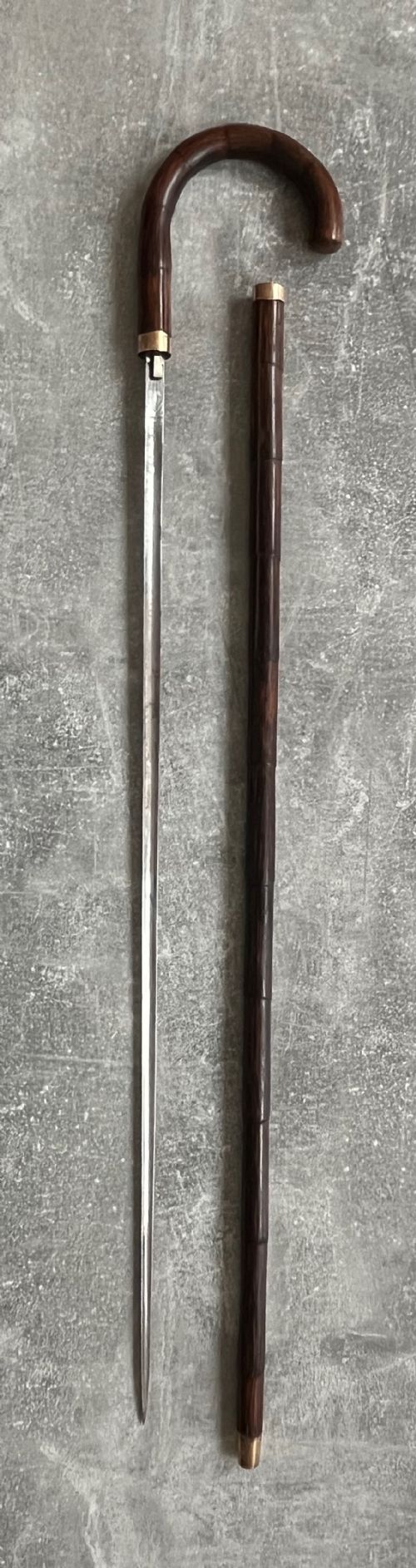
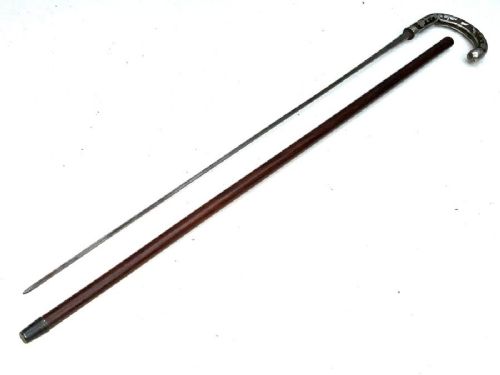
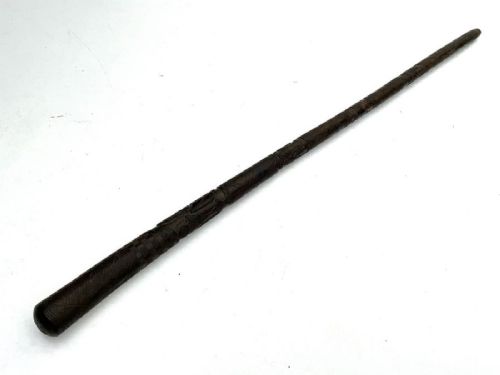
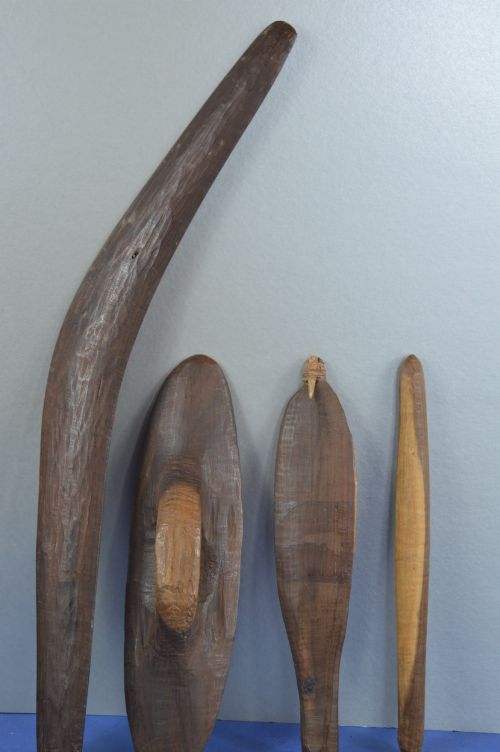
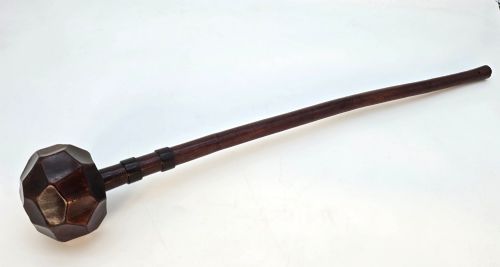
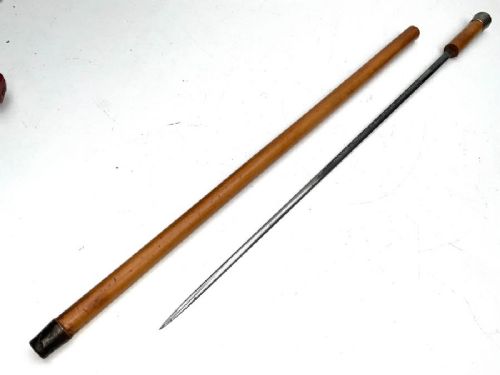
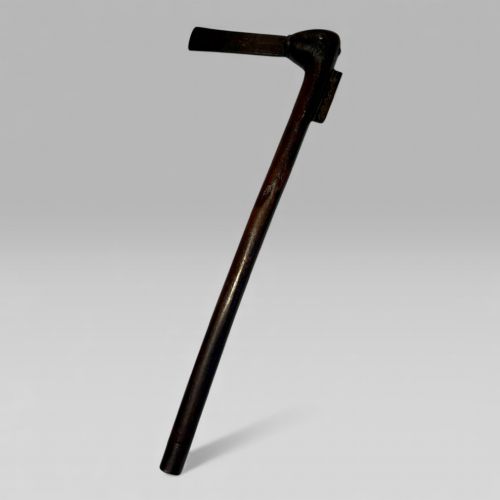
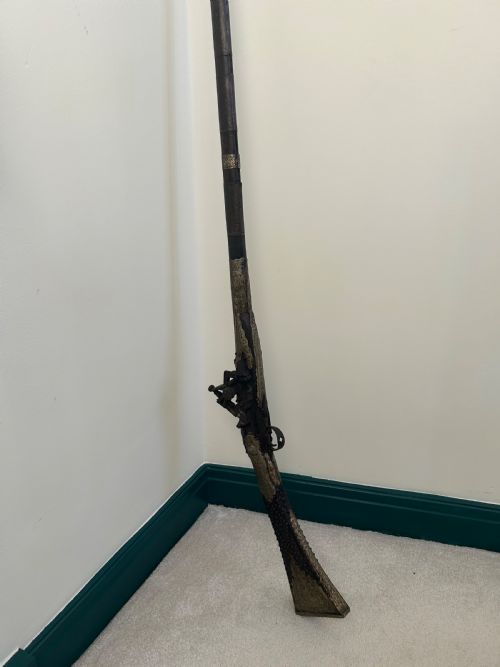
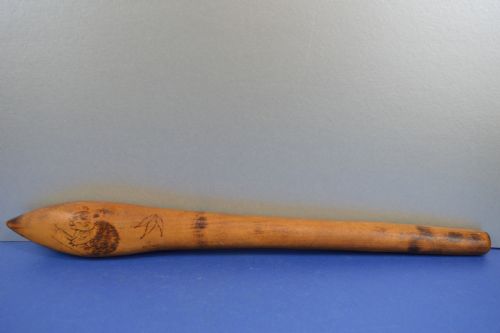
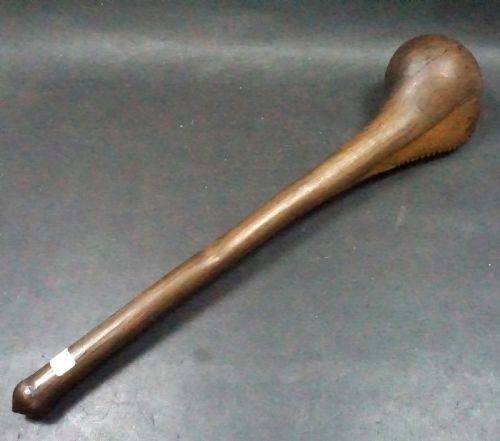
When you search for a carved wood weapon, you encounter a diverse array of ethnographic artefacts, tribal weapons, and gentleman's walking sticks spanning multiple continents. The selection encompasses Oceanic war clubs, African knobkerries, Aboriginal hunting sets, and discreet sword sticks housed within wooden shafts.
The pieces you are most likely to meet on this page date predominantly from the nineteenth century, reflecting global exploration, trade, and indigenous craftsmanship. Forms range from ceremonial axes and throwing clubs to functional fighting implements and martial practice pieces.
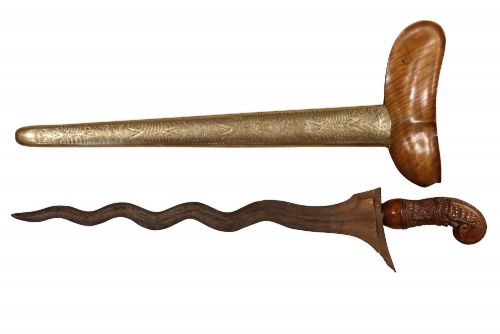
Geographically, the items originate from diverse cultures including Indigenous Australian, Oceanic, African, Japanese, and Southeast Asian traditions. Each regional form exhibits distinct stylistic markers and utilitarian designs specific to its maker's heritage.
How they were made
Makers utilised dense indigenous hardwoods, kashi oak, and root-ended timber to ensure durability in combat or utility. Wood selection was paramount, favouring resilient materials capable of enduring heavy impact without splitting.
Many items incorporate auxiliary materials such as steel blades for concealed swords, alongside brass, iron, and silver mounts. These metal elements were integrated into wooden hafts and handles with precise joinery.
Surface decoration involved meticulous hand-carving, ribbing, and shaping using traditional hand tools. Artisans employed carving techniques that honoured regional artistic conventions while maintaining structural integrity.
Carved Wood Weapon Retail Price Guide 2026
Typical asking prices for carved wood weapon among the pieces listed under this phrase on Sellingantiques today, from the lower quarter to the upper quarter. They describe what is for sale here now, not the wider market.
What varies in quality
The distinction between standard examples and exceptional pieces rests upon the crispness of the hand-carved detail and the authenticity of the material patination. Natural wear accumulated through genuine use enhances the surface character of tribal artefacts and walking sticks alike.
Construction integrity significantly influences the standing of a piece, particularly in composite items like sword sticks or ceremonial axes. Seamless integration between wooden shafts and internal steel blades or metal mounts demonstrates superior craftsmanship.
Provenance and cultural attribution elevate specific pieces, especially when makers or distinct regional styles are clearly identifiable. The balance, weight distribution, and tactile feel of a club or stick reflect the maker's mastery over the hardwood medium.
BRIGG
The Carved Wood Weapon Glossary
- Knobkerrie
- A traditional Southern African wooden club featuring a heavy knob at the striking end. These implements served both as throwing weapons for hunting and as close-combat tools.
- Bokken
- A Japanese wooden sword utilised for martial arts practice and training. These items replicate the shape and proportions of a katana while employing traditional hardwoods like kashi oak.
- Woomera
- An Australian Aboriginal spear-thrower designed to increase the velocity and range of a thrown spear. These wooden implements often double as carrying vessels or utility tools.
- Ula Drisia
- A specific type of throwing club from Fiji featuring a lobed head designed for warfare. Warriors traditionally tucked these carved wooden weapons into ceremonial belts.
Carved Wood Weapon: Frequently Asked Questions
What is a carved wood weapon?
A carved wood weapon encompasses traditional tribal armaments, hunting implements, and concealed self-defence items fashioned from timber. These range from Oceanic war clubs and African knobkerries to nineteenth-century European walking sticks concealing steel blades.
Collectors prize these items for their cultural history, regional artistry, and the tangible link they provide to indigenous craftsmanship and historical martial traditions.
How do I care for antique wood weapons?
Preserving these pieces requires maintaining a stable indoor environment away from direct sunlight and dramatic humidity fluctuations. Apply microcrystalline wax sparingly to stable wooden surfaces to protect the historical patination.
Avoid using modern liquid polishes or aggressive cleaning agents that might strip the original surface finish or damage integrated metal components.
Were walking stick weapons meant for actual use?
Gentleman's sword sticks and gadget canes served as practical self-defence accessories during the nineteenth century. The integration of Toledo steel blades within faux bamboo or root-ended wooden shafts provided discreet protection for urban travellers.
While some served primarily as fashion statements, many house robust blades capable of serious utility.
How can I tell different tribal weapons apart?
Identifying regional origins relies on examining the specific carving styles, wood types, and structural silhouettes characteristic of particular cultures. For instance, Fijian ula clubs feature distinct lobed heads, whereas African knobkerries typically display smooth spherical striking knobs.
Consulting cultural art references and comparing surface patination helps distinguish genuine ethnographic artefacts from later reproductions.