






Carved Wood Washstand
A carved wood washstand brings solid period timber and practical historic design straight into the modern bedroom or hallway.
Carved Wood Washstand
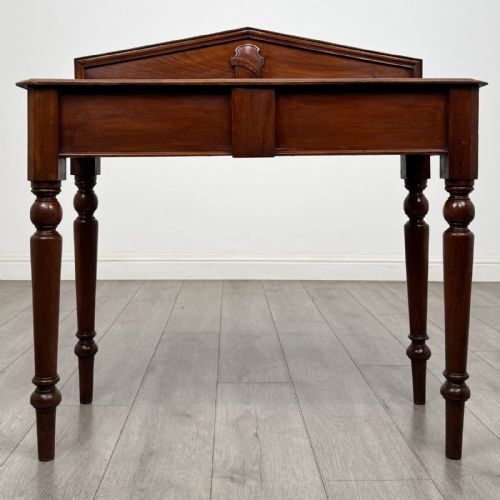
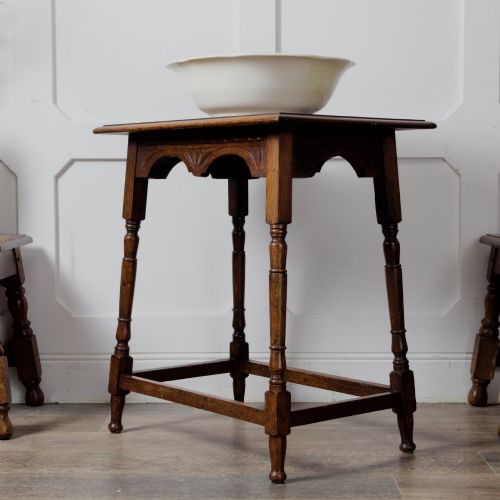
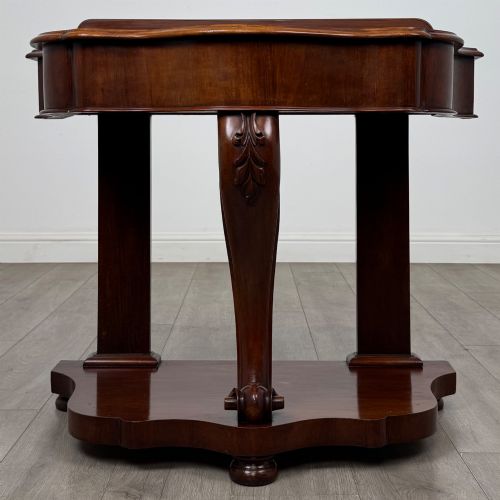
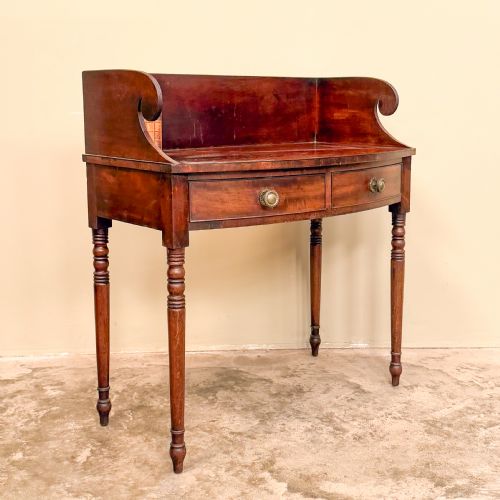
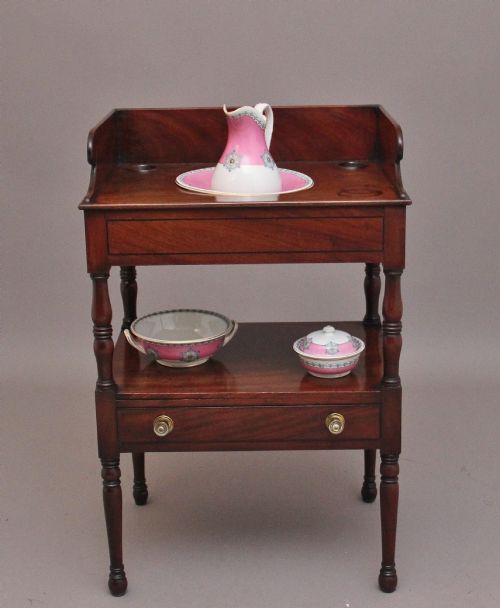
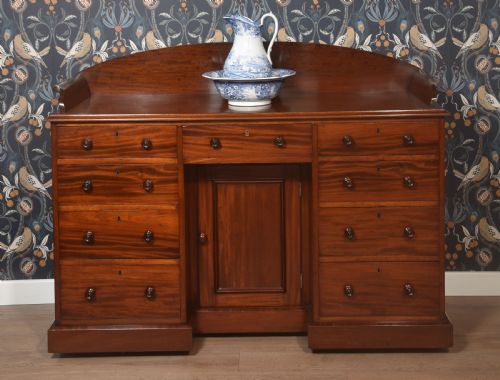
A carved wood washstand represents a utilitarian piece of historic bedroom furniture designed before indoor plumbing became universal, usually taking the form of a sturdy table or cabinet meant to hold a basin and pitcher. You will frequently encounter nineteenth-century iterations on this page, particularly Victorian examples alongside earlier eighteenth-century French provincial pieces.
The selection extends across various practical timber forms including mahogany, walnut, and oak, often accompanied by related items such as marble tops, side tables, and towel rails. While some retain their original utilitarian function, many now serve as versatile console tables or side writing desks in contemporary interiors.
How they were made
Cabinetmakers utilised dense hardwoods like mahogany, walnut, and oak, shaping the timber with traditional joinery to support heavy stone elements and water vessels. Surviving examples demonstrate careful hand-carving specific to styles ranging from Regency and Victorian Gothic Revival to Arts and Crafts.
Many iterations incorporate fitted marble tops and brass hardware, while specialist pieces feature integrated pewter cisterns and basins. The construction prioritises durability and weight distribution to manage the daily demands of nineteenth-century household ablutions.
Carved Wood Washstand Retail Price Guide 2026
Typical asking prices for carved wood washstand among the pieces listed under this phrase on Sellingantiques today, from the lower quarter to the upper quarter. They describe what is for sale here now, not the wider market.
The listings here span the eighteenth, nineteenth, and early twentieth centuries, recorded across multiple woods including mahogany, oak, walnut, ash, and chestnut.
What varies in quality
The distinction between standard examples and superior pieces rests largely on the quality of the timber selection and the crispness of the hand-carving. Richly figured mahogany or walnut and intact marble tops elevate a piece well above plain utilitarian counterparts.
Originality of integrated hardware, such as brass fittings and pewter basins, adds considerable merit to historic examples. The harmony between the structural woodwork and any decorative carving dictates the overall aesthetic success of the piece.
The Carved Wood Washstand Glossary
- Lavabo cabinet
- A historic French cabinet designed to house a water cistern and basin for washing. These pieces often feature chestnut timber and pewter plumbing fixtures.
- Marble top
- A stone surface fitted to the upper section of washstands and tables to provide a water-resistant workspace. This feature protects the underlying wood from moisture.
- Etagere
- An open piece of furniture with multiple tiers for displaying small objects or toiletries. It offers accessible storage space in a compact footprint.
- Pewter cistern
- A traditional metal water reservoir connected to a basin for hand washing. Pewter provides a durable, corrosion-resistant container in older plumbing setups.
- Gothic Revival
- A nineteenth-century design style drawing inspiration from medieval architecture. This aesthetic introduces pointed arches and heavy decorative carving to furniture.
Carved Wood Washstand: Frequently Asked Questions
What is a carved wood washstand used for now?
Modern interiors repurpose these sturdy timber pieces as hallway console tables, bedside surfaces, or decorative display units. Their historic character adds warmth and utility to contemporary rooms without requiring plumbing.
Buyers often place them in bathrooms or bedrooms where the surface space accommodates modern toiletries or decorative items. The lower shelves or cabinets provide practical storage for everyday household goods.
How do I care for a marble top washstand?
Marble surfaces require gentle cleaning with mild, neutral soap and warm water to preserve the stone polish. Avoid acidic cleaners or harsh chemicals that can etch or dull the natural finish.
Using coasters and mats prevents water rings and staining from daily use. Periodic sealing helps protect the porous stone from absorbing moisture and cosmetic marks.
How do I distinguish Victorian from Regency styles?
Regency furniture typically exhibits classical restraint, symmetrical lines, and influences from ancient Roman or Greek design. Mahogany remains a predominant timber choice during this earlier phase.
Victorian pieces often display heavier proportions, more ornate hand-carving, and a wider variety of revival influences like Gothic details. The introduction of pitch pine and diverse walnut finishes becomes more common in later Victorian output.
Are these pieces suitable for small bedrooms?
Many historic washstands were built with compact footprints specifically designed for modest nineteenth-century quarters. Their modest proportions make them practical for modern spaces lacking deep furniture.
Open lower shelves and narrow table depths prevent the room from feeling overcrowded. They offer surface area and storage without dominating the surrounding floor space.