
Carved Wood Wall Panel
A carved wood wall panel brings centuries of architectural depth and hand-carved detail straight into a modern interior.
Carved Wood Wall Panel
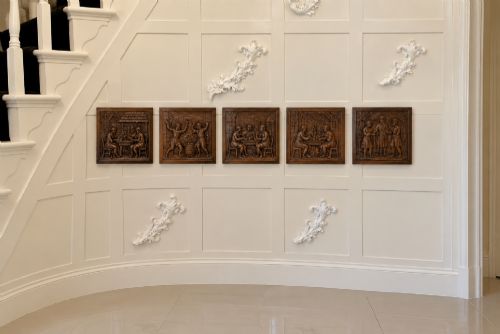
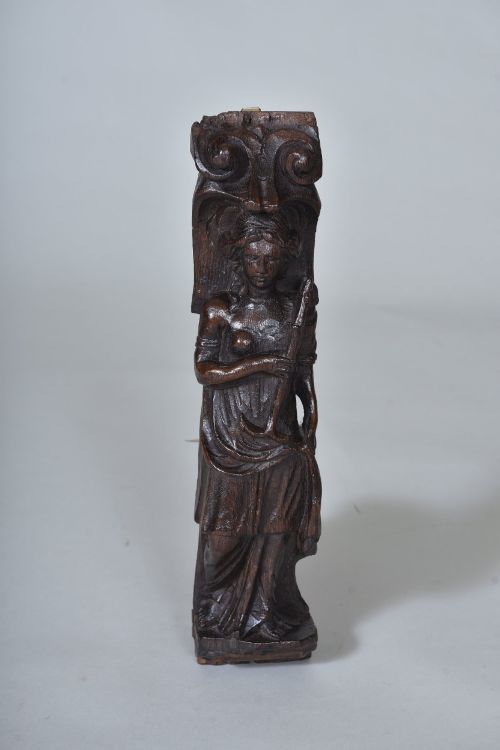
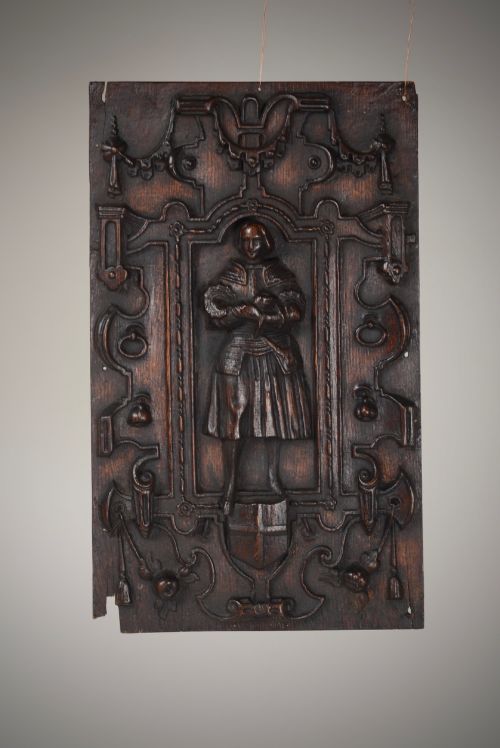
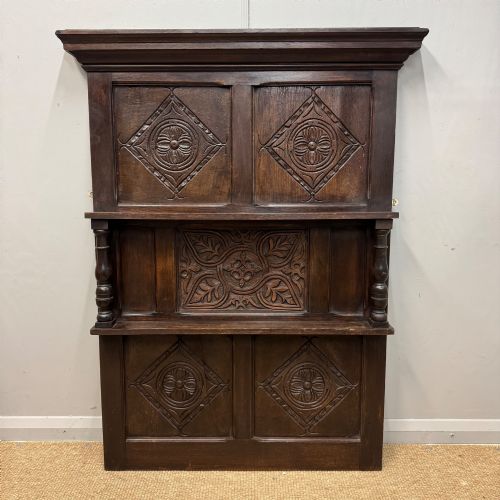
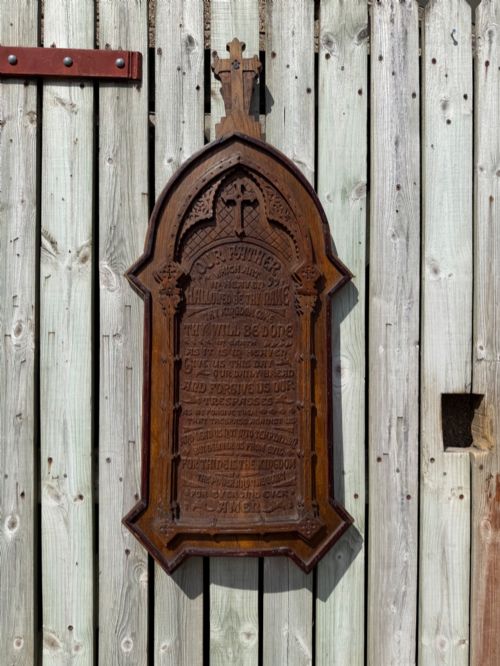
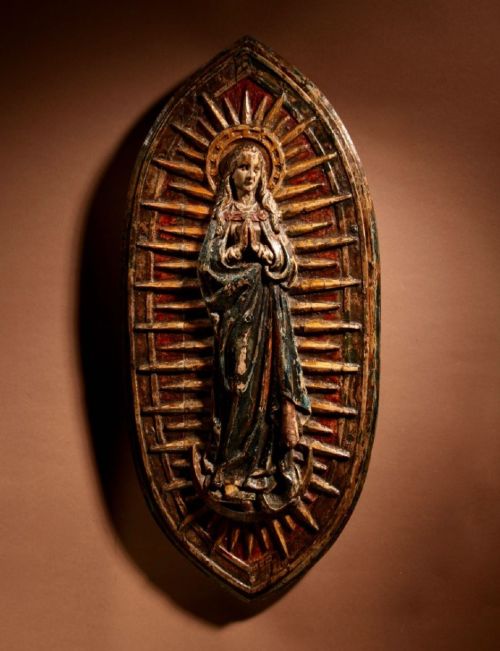
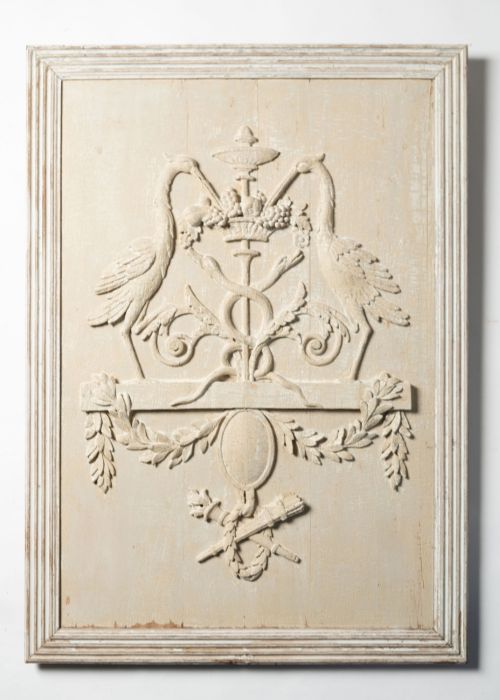
A carved wood wall panel covers a broad spectrum of decorative timber items originating from various periods including the 16th, 17th, 18th, and 19th centuries. Buyers examining this page encounter architectural salvage, wall plaques, overmantels, and framed wood carvings alongside specific regional forms like linenfold panels and marriage plaques.
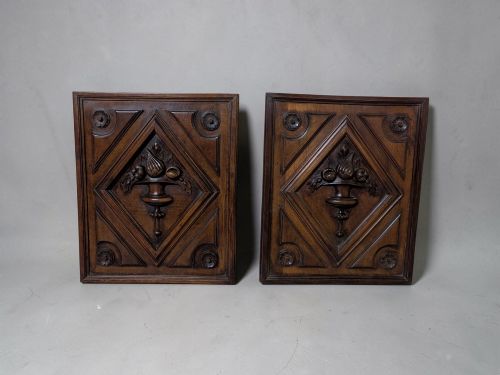
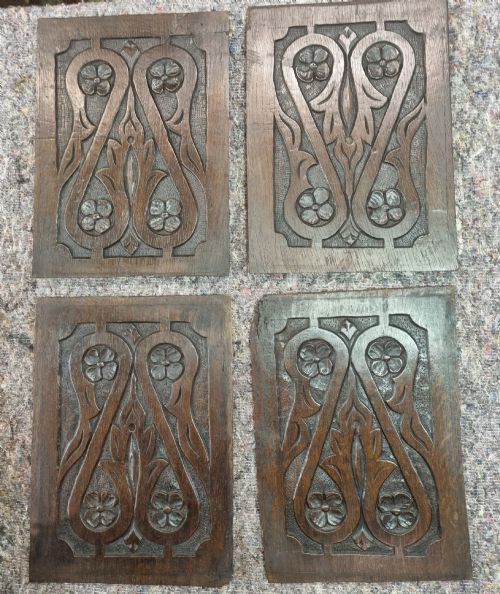
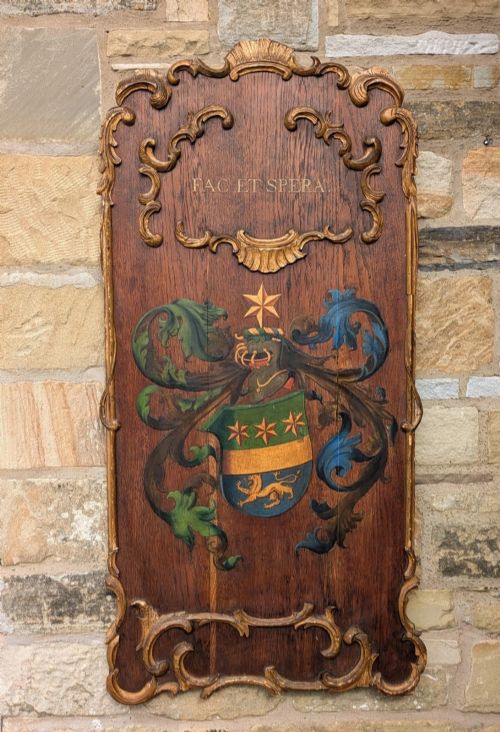
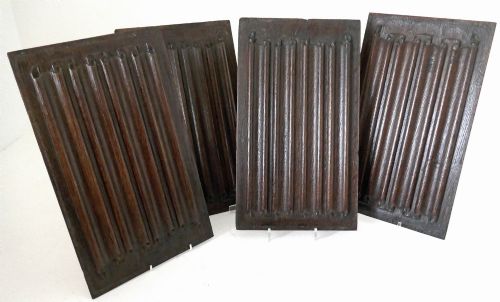
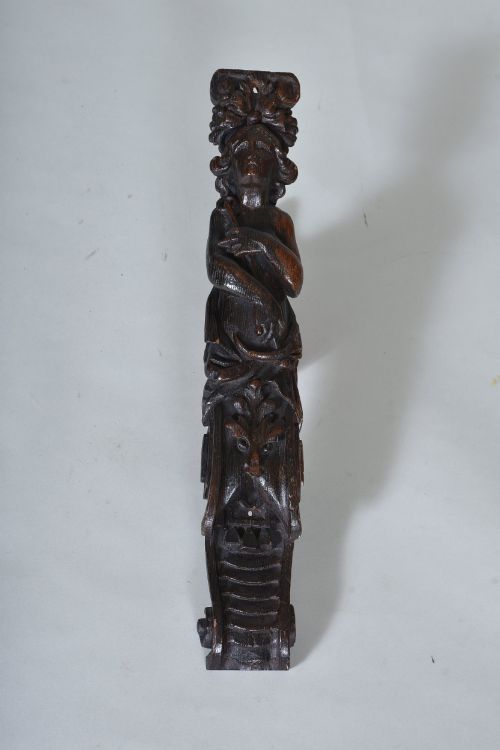
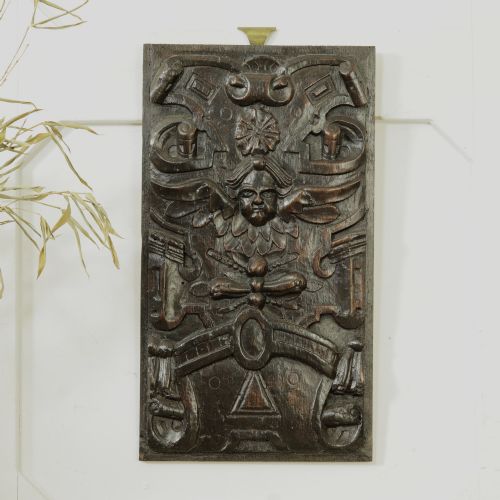
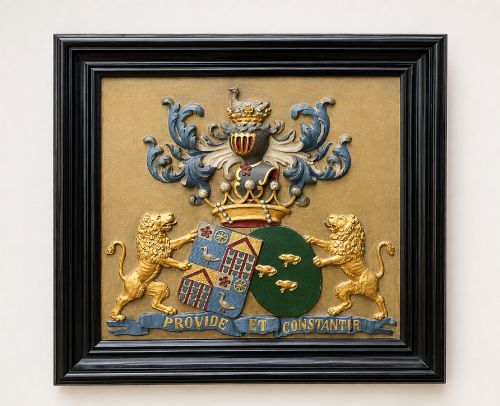
The oak 16th and 17th century examples demonstrate traditional English and European joinery, often featuring high-relief figural scenes, Green Man motifs, or geometric linenfold patterns. Later pieces span the Victorian era, Dutch heraldry, Chinese giltwood temple carvings, and Burmese or Anglo-Indian timber work.
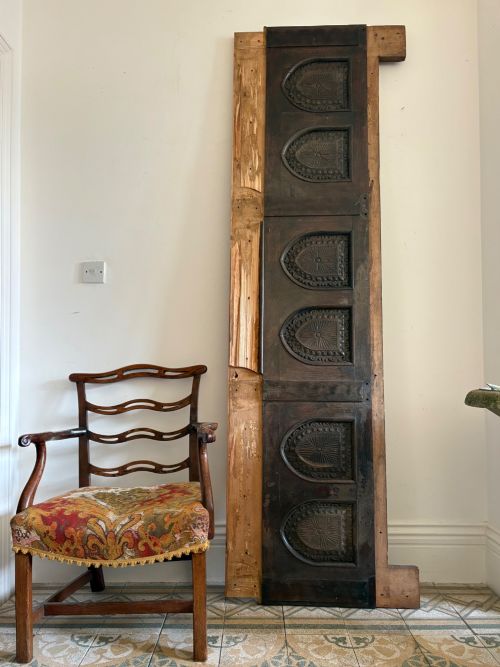
Objects on this page range from small individual fragments to large overmantel panels and complete doors. Buyers find works executed in oak, walnut, chestnut, mahogany, fruitwood, and painted pine, reflecting both domestic interior fittings and imported decorative items.
How they were made
These items rely principally on solid timber substrates such as oak, walnut, chestnut, and mahogany, shaped through manual chiselling, gouging, and relief carving. Makers utilised traditional joinery techniques to form panels, framing architectural elements, overmantels, and decorative wall plaques.
Surface treatments vary according to the period and region, incorporating exposed timber grain, polychrome paint, gold leaf, and gesso layers. Many older examples display the tool marks left by hand-driven chisels, whilst later pieces incorporate framed glass or intricate applied cresting.
Form categories include architectural salvage, wall plaques, overmantels, and framed temple carvings.
What varies in quality
The integrity of the original material and the extent of later alterations dictate the character of each piece. Retaining an original surface finish or early polychrome pigment elevates an item above examples stripped or heavily restored in subsequent centuries.
Van Rijckevorsel and Verheijen
The Carved Wood Wall Panel Glossary
- Linenfold
- A style of wooden panelling carved to resemble folded folds of fabric or linen. This motif appears frequently on 16th-century English and European oak panels.
- Overmantel
- A decorative panel, mirror, or painting placed directly above a fireplace mantelpiece. Surviving examples often incorporate extensive carved wood or giltwood frames.
- Green Man
- A sculptural architectural ornament depicting a human face surrounded by or sprouting from foliage and vines. These motifs surface on early relief-carved timber panels.
- Giltwood
- Timber treated with a thin layer of gold leaf or gold paint applied over a preparation layer such as gesso. This finish appears on Chinese temple panels and decorative wall pieces.
- Trumeau
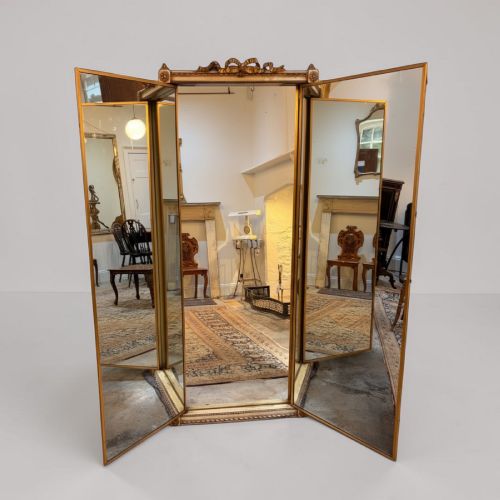
- A decorative wall mirror or painted panel placed in the architectural space between two windows or doors. These large vertical fittings date predominantly around the 1900 period.
Carved Wood Wall Panel: Frequently Asked Questions
Can I clean the carved surface safely?
Maintenance requires only a soft, dry brush or a gentle dusting with a dry microfibre cloth to remove surface particles from deep crevices. Avoid using liquid cleaners, polishes, or damp cloths, as moisture can damage aged timber, painted surfaces, and gold leaf.
Historic wood benefits from stable indoor humidity levels away from direct heat sources and strong sunlight. Excessive dryness causes timber to split, while damp environments encourage warping and deterioration of early gesso layers.
How are 16th and 17th-century panels identified?
Early pieces are generally distinguished by the use of solid oak, pegged mortise and tenon joinery, and hand-carved linenfold, geometric, or figural motifs. The presence of tool marks left by early chisels helps confirm traditional manufacturing methods.
Stylistic indicators such as Tudor or Jacobean ornamentation align with the period evidence found in surviving architectural salvage. Tracing construction details against dated comparative examples provides a reliable guide to age.
What is an architectural salvage panel?
Salvage panels are decorative wooden sections removed from historic buildings, churches, or domestic interiors during demolition or remodelling. These items include over doors, friezes, and altarpiece components that once formed part of a larger structure.
Rescuing these elements preserves historic craftsmanship and allows them to be displayed as standalone wall art or decorative plaques. Each piece carries the patina and wear accumulated through centuries of prior architectural use.