








Carved Wood Wall Cabinet
A carved wood wall cabinet brings architectural depth and practical storage to a room, offering a neat way to display treasured objects at eye level.
Carved Wood Wall Cabinet
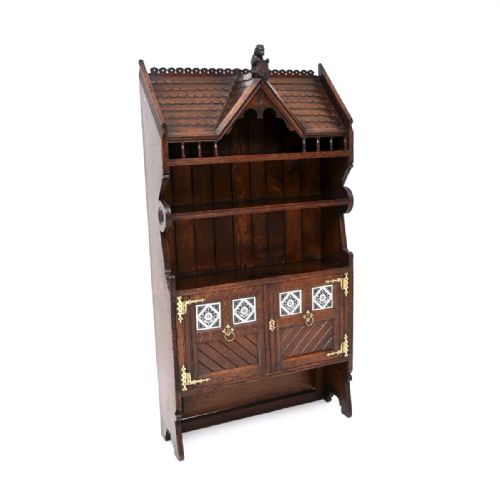
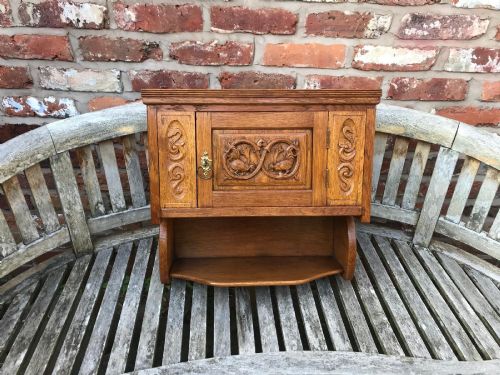
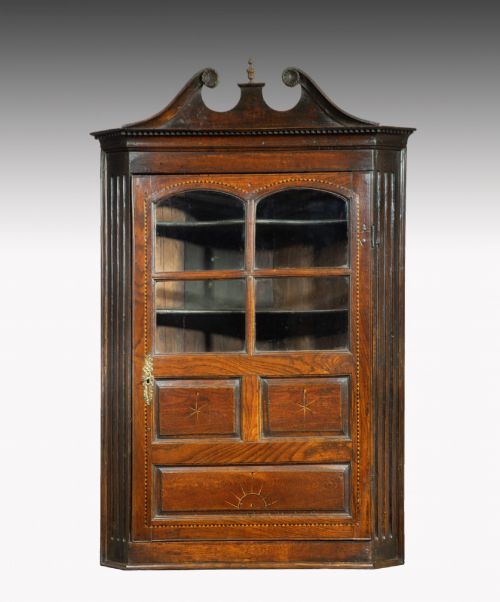
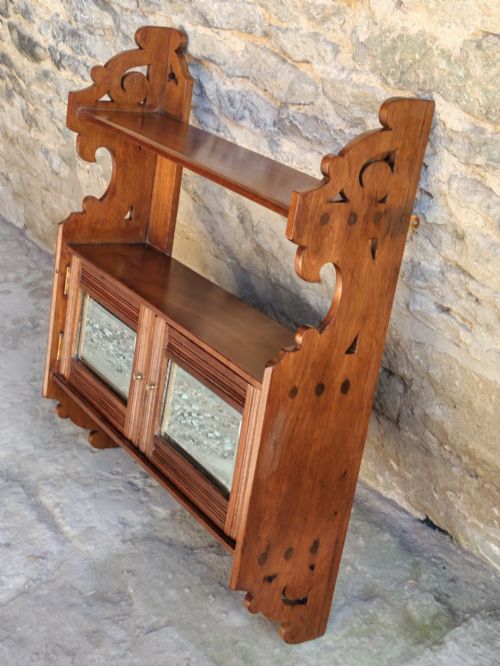
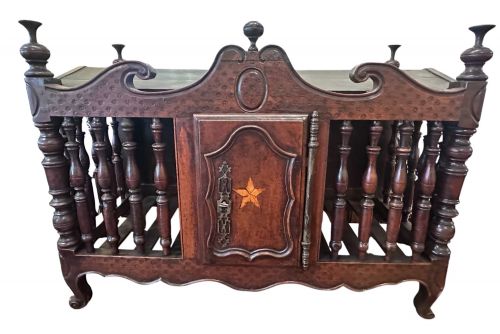
When you search for a carved wood wall cabinet, you encounter a variety of hanging cupboards, corner cupboards, and display cabinets spanning the eighteenth, nineteenth, and early twentieth centuries. The version you are most likely to meet on this page is the nineteenth-century or Victorian oak wall cupboard, often featuring panelled doors and carved detailing.
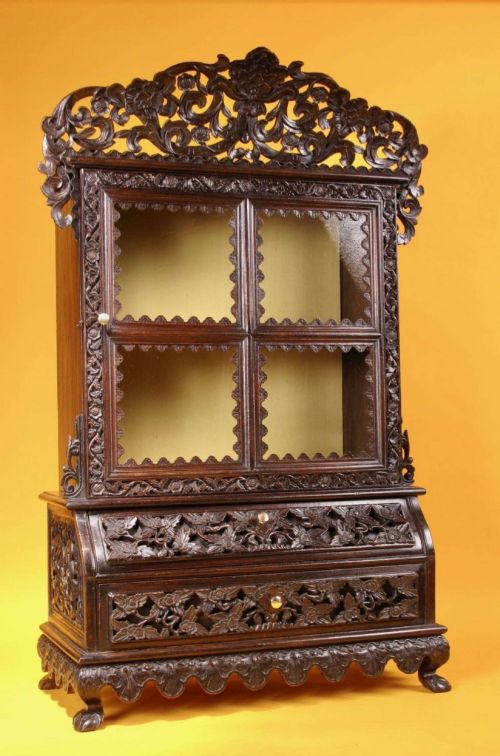
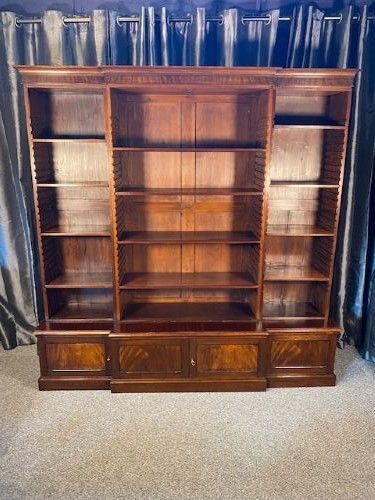
Beyond standard cupboards, the selection includes Georgian corner units, Edwardian mahogany models, and continental fruitwood pieces designed to hang securely from walls or fit neatly into room junctions. Regional variations such as French Provincial styles and Anglo-Indian hardwood pieces also appear, widening the scope of timber species and decorative carving.
These items served diverse historic domestic functions, from storing food and tableware in kitchens to holding keys, toiletries, or small display items in parlours and hallways. Their compact wall-mounted formats allowed households to maximise floor space while keeping everyday essentials within easy reach.
Materials and construction
Cabinet makers relied predominantly on native and imported timbers, with oak, mahogany, walnut, and fruitwood forming the primary structural bodies of these hanging pieces. Secondary woods such as beech or pine often feature in internal shelving and back panels, reflecting traditional workshop economy.
Joinery techniques combined pegged mortise and tenon frames with hand-cut dovetails for drawers and carcases, ensuring durability under the strain of wall mounting. Surfaces were shaped using hand chisels and gouges to create low-relief linenfold panels, scrolling foliage, or geometric mouldings directly into the solid wood.
Carved Wood Wall Cabinet Retail Price Guide 2026
Typical asking prices for carved wood wall cabinet among the pieces listed under this phrase on Sellingantiques today, from the lower quarter to the upper quarter. They describe what is for sale here now, not the wider market.
The listings span from the early eighteenth century through the Edwardian era, featuring woods like oak, mahogany, walnut, and fruitwood configured as cupboards, shelves, and corner units.
Evaluating the craftsmanship
The distinction between standard domestic utility pieces and finer examples lies chiefly in the depth, crispness, and ambition of the carving. Hand-carved details with undercut elements and balanced proportions indicate a more skilled hand than repetitive machine moulding or shallow stamping.
Selection of timber grain also dictates quality, particularly in pieces utilising burr walnut, figured mahogany, or quarter-sawn oak where the natural figure is positioned symmetrically across doors and panels. Original brass hinges, working locks with period keys, and sound internal structure preserve the integrity of the piece.
The Carved Wood Wall Cabinet Glossary
- Corner cupboard
- A triangular storage unit designed to fit snugly into the internal corner of a room. These saved valuable floor space in smaller historic interiors.
- Linenfold
- A style of wood carving that imitates folded linen cloth, frequently seen on late medieval and revival oak panels. It gives flat wooden surfaces a textured, textile-like appearance.
- Fruitwood
- A generic term for timber harvested from fruit-bearing trees such as pear, apple, or cherry. It offers a dense, fine grain favoured by continental cabinet makers for detailed carving.
- Pediment
- The decorative architectural structure surmounting the top of a cabinet. It provides a formal crown to the piece, drawing the eye upward.
- Etagere
- A set of open shelves for displaying small ornaments or books. Originating in France, these tiered stands often feature slender supports and decorative woodwork.
Carved Wood Wall Cabinet: Frequently Asked Questions
How do I hang a heavy wall cabinet safely?
Heavy wooden cabinets require secure attachment directly into structural wall studs or masonry using appropriate heavy-duty fixings. Distributing the weight evenly prevents strain on the historic joints and the hanging brackets.
Professional installation is recommended, especially for larger oak or mahogany cupboards that carry considerable weight even before objects are placed inside.
What rooms suit a hanging wall cabinet best?
These cabinets work well in kitchens for storing glassware, in bathrooms for toiletries, or in hallways for holding everyday items. Their elevated position keeps floor space clear while adding focal interest to blank walls.
In living rooms or dining areas, smaller glazed or open versions provide ideal display space for ceramics and small collections.
How can I tell a Victorian piece from an 18th-century one?
Eighteenth-century pieces often display hand-sawn timber marks, pegged joinery, and simpler internal construction using native hardwoods like oak and fruitwood. Their proportions tend to reflect earlier utilitarian domestic requirements.
Victorian examples frequently incorporate machine-assisted elements, richer exotic veneers like walnut or mahogany, and heavier revival carving styles influenced by Gothic or Renaissance motifs.
How should I care for antique wood finishes?
Maintain the timber by dusting regularly with a soft, dry cloth and applying traditional beeswax sparingly to nourish the grain. Avoid placing cabinets near direct heat sources or strong sunlight, which can dry out and fade the wood.
Keeping room humidity stable prevents the timber from expanding or contracting excessively, protecting old glue joints and door alignments.