




Carved Wood Tidy
A carved wood tidy gathers your desk clutter with the rich character of nineteenth-century craftsmanship.
Carved Wood Tidy
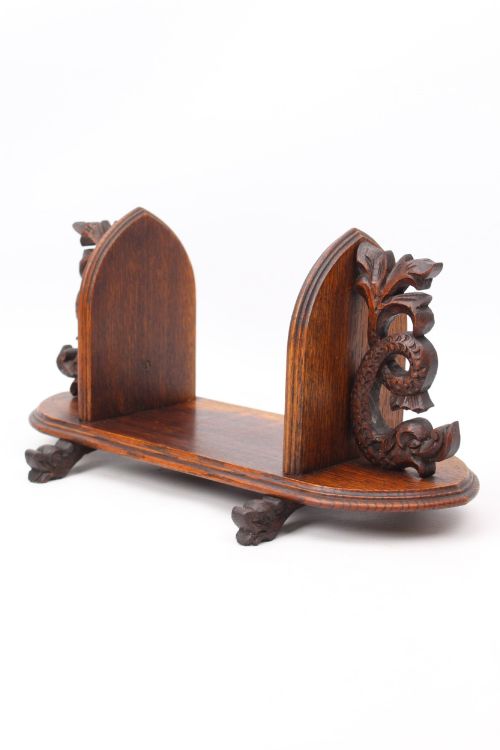
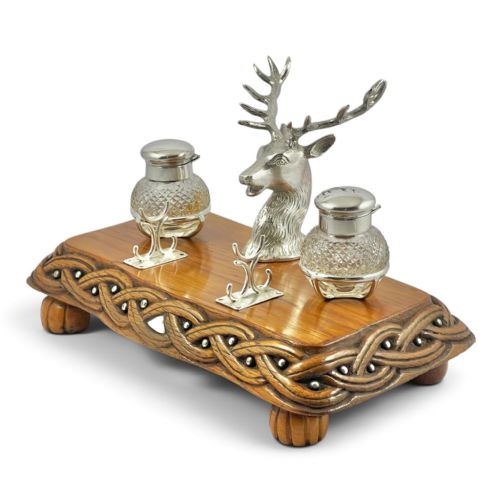
The selection ranges from Regency rosewood newspaper stands and Edwardian Gothic revival book stands to intricately carved Black Forest inkwells. These functional objects served domestic and study spaces across Britain and beyond.
How they were made
Carpenters utilised durable hardwoods such as oak, mahogany, walnut, and rosewood, often shaping them with deep relief carving or clean architectural lines. Workshops combined these timbers with brass, glass inserts, and bone or silver details.
Black Forest pieces showcase elaborate figural and animal carvings, whilst Anglo-Indian items integrate contrasting bone inlay into wooden surfaces. Frames and feet feature turned bun feet, stepped tiers, or wall-mounting brackets.
Carved Wood Tidy Retail Price Guide 2026
Typical asking prices for carved wood tidy among the pieces listed under this phrase on Sellingantiques today, from the lower quarter to the upper quarter. They describe what is for sale here now, not the wider market.
Functional forms range from desktop inkstands and stationery boxes to floor-standing newspaper racks and wall-mounted coat stands.
What varies in quality
The depth and crispness of the carving dictate visual distinction, with hand-chiselled detailing far surpassing shallow machine work. High-grade items display thoughtful proportion, secure joinery, and well-integrated secondary materials like original glass inkwells.
Provenance and regional style also influence worth, as seen in specialised Scottish silver mounts or distinct Irish castle motifs. Well-preserved surfaces retain their original polish without obscuring the grain of the timber.
The Carved Wood Tidy Glossary
- Inkstand
- A desk tray fitted to hold inkwells, pens, and sometimes sanders or wafers. These were essential writing accessories before the invention of the fountain pen.
- Black Forest carving
- Highly decorative woodwork originating from the mountainous regions of central Europe, typically featuring naturalistic animal and foliage motifs.
- Canterbury
- A low wooden stand with partitions designed for holding sheet music, newspapers, or magazines. The form dates back to the late eighteenth century.
- Gothic Revival
- An architectural and decorative style that draws inspiration from medieval design, featuring pointed arches and heavy timber construction.
- Stationery box
- A desk box with internal slots or tiers for organising envelopes and writing paper. They often feature sloping lids and lockable compartments.
Carved Wood Tidy: Frequently Asked Questions
What is a carved wood tidy used for?
These pieces organise stationery, letters, newspapers, and writing implements on desks or tables. They keep loose papers and daily clutter neatly contained.
Historically, they sat on writing desks in studies and drawing rooms to maintain order among correspondence.
How do I date a wooden desk tidy?
Examine the timber species, joinery methods, and overall decorative style to determine age. Victorian pieces often use heavy oak or walnut with Gothic or naturalistic carving.
Later Edwardian examples tend towards lighter construction or simpler forms, while Regency items display refined rosewood veneering.
What makes Black Forest carvings different?
Black Forest pieces are characterised by deep, pictorial wood carving, often depicting animals such as dogs or bears amongst foliage. They originated in nineteenth-century Switzerland and Germany.
These items prioritise sculptural presence alongside their practical desk use.