

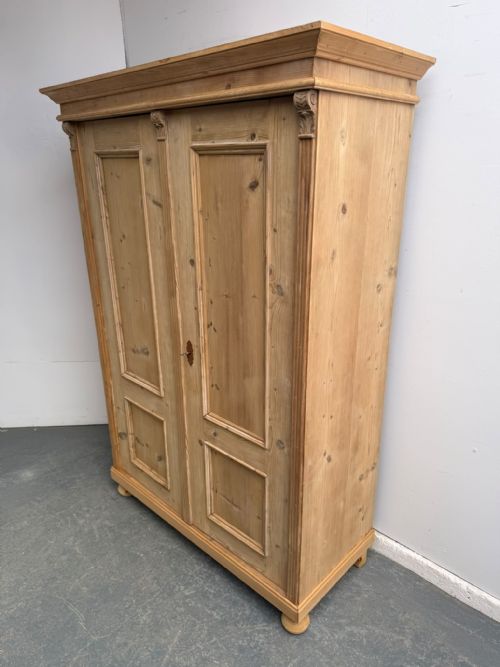


Carved Wood Storage Unit
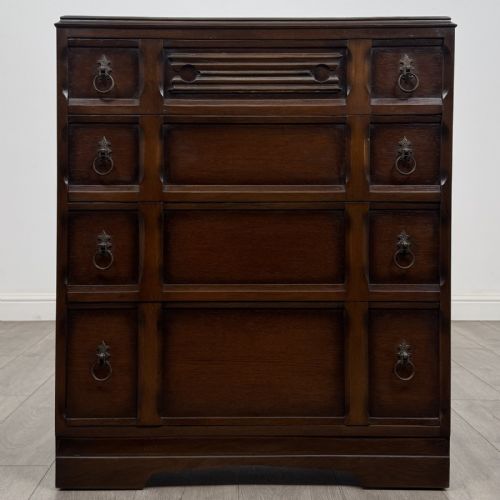
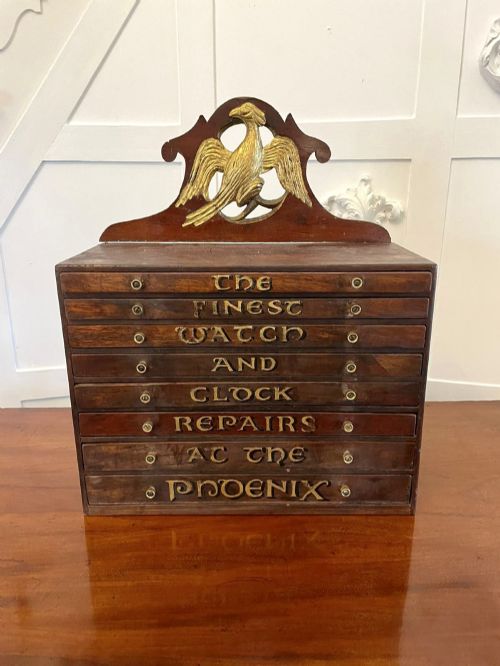
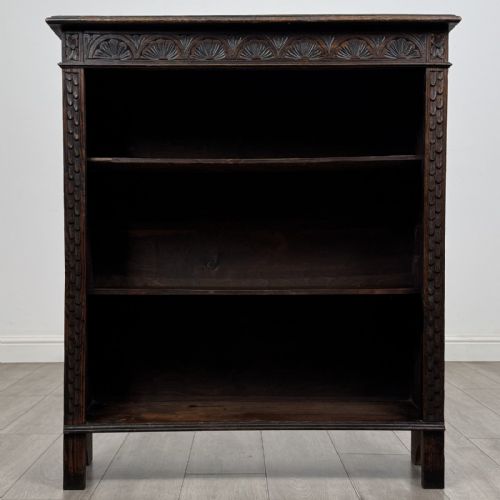
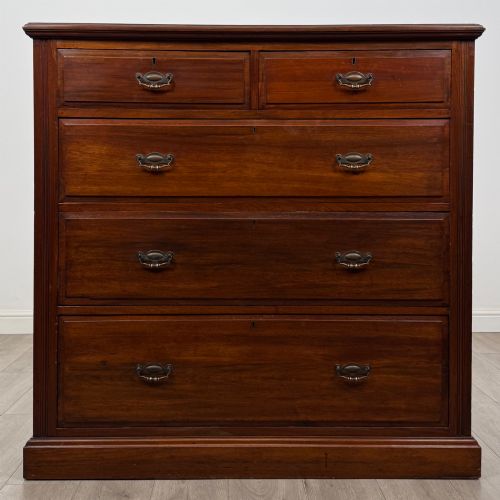
These carved wood storage unit pieces range from sturdy oak bookcases to walnut chests of drawers, offering practical storage with period character.
Carved Wood Storage Unit
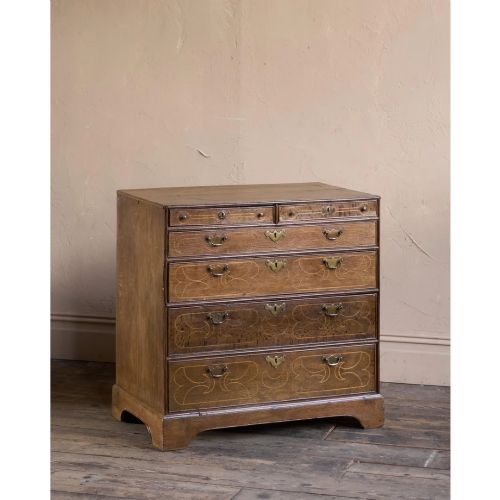
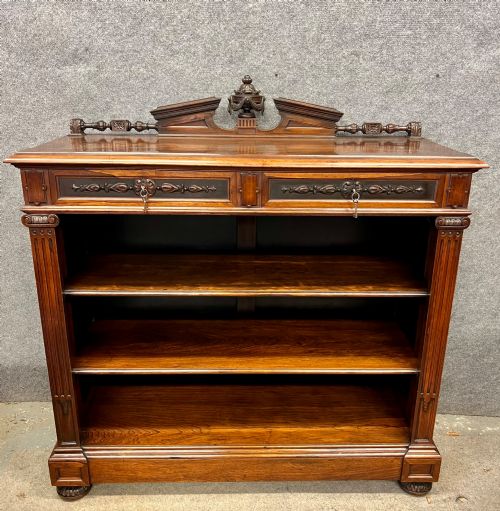
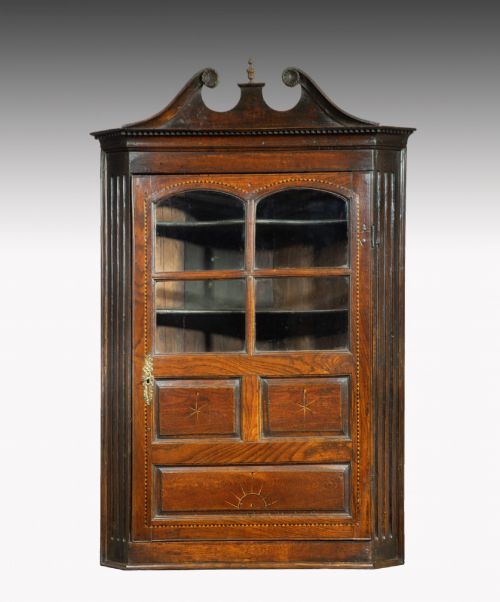
A carved wood storage unit encompasses everything from Victorian oak open bookcases and Edwardian walnut chests of drawers to corner cupboards and armoires. Buyers seeking this phrase encounter versatile furniture designed to hold books, clothing, or household items while adding distinct period style to a room.
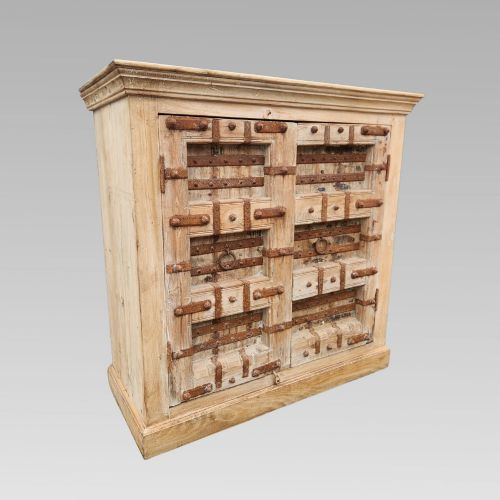
The selections available lean heavily toward nineteenth century and early twentieth century British and European forms, particularly oak and mahogany pieces featuring carved details, raised galleries, or adjustable shelves. Alongside these traditional designs, international variants such as reclaimed teak storage cupboards and Chinese cabinets appear.
Forms span large two-door side cabinets and dressing table chests of drawers down to compact wall shelves and corner cabinets on stands. This variety ensures that whether the requirement is for a tall bookcase or a low chest, a suitable period option exists.
Materials and construction methods
Makers relied on solid timbers such as oak, mahogany, walnut, teak, and pine, often complemented by brass handles, iron hardware, and glass panels. Wood selection dictated the method of construction, with dense hardwoods utilised for detailed carving on panels, drawer fronts, and cornices.
Joinery techniques matched the period and timber, ranging from traditional panel-and-frame construction in seventeenth century style oak pieces to dovetail joints in nineteenth century chests of drawers. Surfaces were finished to highlight natural grain, sometimes incorporating inlay work or wax polish.
Carved Wood Storage Unit Retail Price Guide 2026
Typical asking prices for carved wood storage unit among the pieces listed under this phrase on Sellingantiques today, from the lower quarter to the upper quarter. They describe what is for sale here now, not the wider market.
Design influences include Jacobean Revival, William and Mary, French Provincial, and Traditional Indian styles across various cabinet forms.
Factors that define quality
Quality rests in the crispness of the carved ornamentation, the integrity of the timber, and the balance of proportions. Pieces with deep, hand-carved relief work and well-figured oak or mahogany stand apart from plainer utilitarian examples.
Construction details such as smooth-running drawers, original brass or iron fittings, and tight joints distinguish superior examples. The presence of secondary timbers and the retention of an original surface finish further separate standard items from finer masterworks.
The Carved Wood Storage Unit Glossary
- Raised gallery
- A low decorative railing or shelf fitted to the top surface of a chest of drawers or cabinet. It prevents items from sliding off and adds vertical visual interest.
- Corner cabinet
- A storage piece specifically built with a triangular footprint to fit neatly into the corner of a room. These utilise otherwise neglected space for display or concealed storage.
- Dovetail joint
- A traditional interlocking woodworking joint used in drawer construction. Its interlocking wedge shape provides exceptional tensile strength without metal fasteners.
- Inlay
- A decorative technique where contrasting strips of wood or other materials are embedded into the primary surface. This creates flat patterns or borders.
- Armoire
- A large freestanding cupboard with doors, originally intended for storing arms but later used for clothing. European examples often feature single or double panelled doors.
Carved Wood Storage Unit: Frequently Asked Questions
What is a carved wood storage unit?
A carved wood storage unit is a functional piece of furniture made primarily from timber, featuring decorative carving and designed to hold household goods, books, or garments. These items include chests of drawers, bookcases, and cupboards.
They originate from various periods including the nineteenth and early twentieth centuries, reflecting styles from Jacobean Revival to French Provincial.
How do I choose the right size?
Measure the available floor space and ceiling height carefully before selecting a piece, keeping in mind that corner cabinets utilise awkward angles while bookcases require wall clearance. Consider the depth of drawers and the swing space needed for cabinet doors.
Matching the scale of the furniture to the proportions of the room ensures it functions practically without overwhelming the space.
How do I care for antique wood?
Maintain antique wooden furniture by keeping it away from direct sunlight and sudden temperature fluctuations, which can cause timber to warp or split. Dust regularly with a dry cloth and apply appropriate wax sparingly to nourish the finish.
Avoid using silicone-based polishes or placing damp items directly onto unsealed wooden surfaces.