


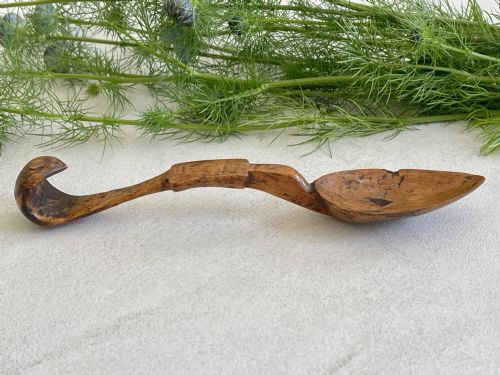


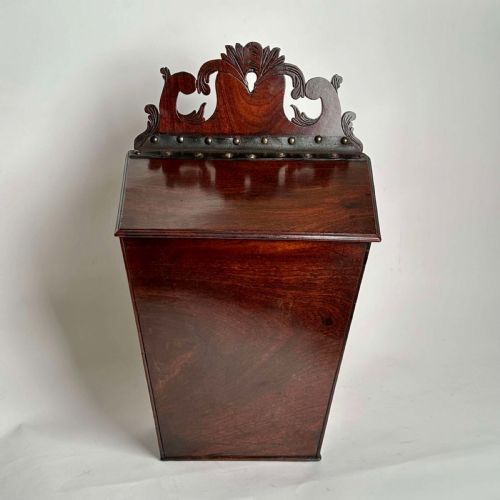


Carved Wood Spoon
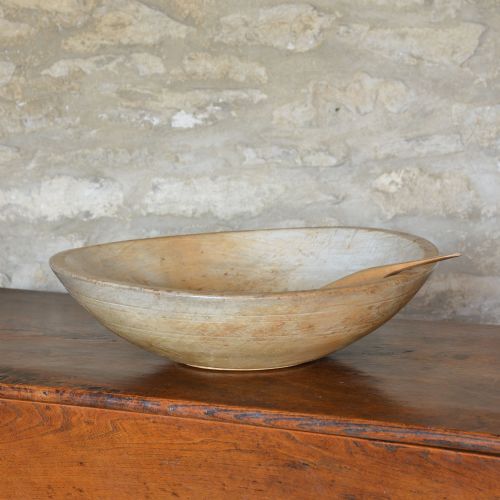
When you handle a carved wood spoon, you hold centuries of domestic craft and folk tradition in your palm.
Carved Wood Spoon
A carved wood spoon encompasses domestic utensils, decorative objects, and symbolic folk art spanning several centuries. The selection here ranges from utilitarian kitchenalia to intricate love spoons and snuff spoons created across Britain, Europe, and beyond.
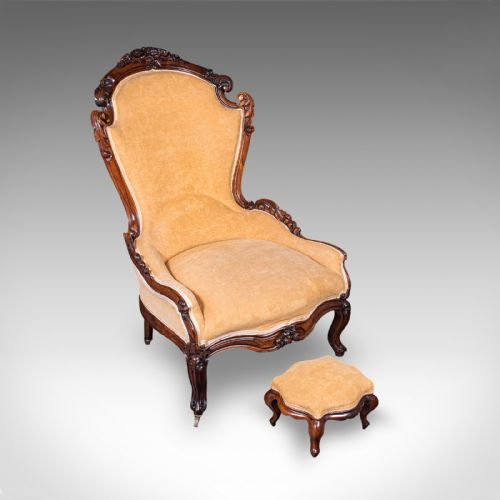
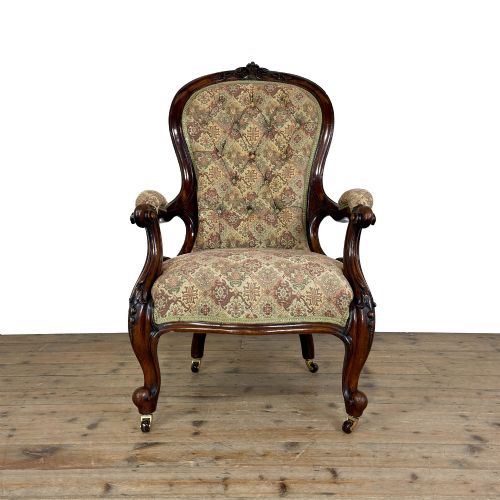
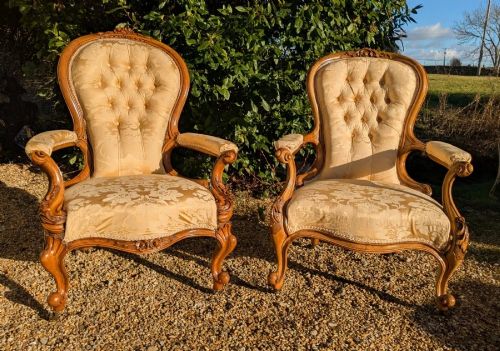
Buyers will most frequently encounter nineteenth-century Welsh love spoons carved from single pieces of hardwood, alongside utilitarian treen, eighteenth-century specimens, and armchairs sharing the distinct spoon-back contour.
The objects cross multiple vernacular traditions, including Welsh and Swiss folk art, alongside utilitarian items grouped under kitchenalia and treen. Each piece reflects the specific domestic or ceremonial purpose intended by its maker.
How they were made
The makers utilised regional hardwoods available to them, including walnut, mahogany, cherrywood, birch, pear wood, yew, and sycamore. These dense timbers allowed carvers to execute deep piercing, delicate chain links, and smooth bowls without splitting.
Utilitarian spoons and decorative love spoons were whittled and shaped by hand from single blocks of timber using knives and gouges. Surface embellishments often incorporated wax decoration, polychrome paint, or glass inserts alongside detailed incised motifs like hearts and vine leaves.
Carved Wood Spoon Retail Price Guide 2026
Typical asking prices for carved wood spoon among the pieces listed under this phrase on Sellingantiques today, from the lower quarter to the upper quarter. They describe what is for sale here now, not the wider market.
The listings show wooden items spanning the seventeenth, eighteenth, and nineteenth centuries, alongside regional folk art traditions from Wales and Switzerland.
What varies in quality
Quality rests in the crispness of the carving and the ambition of the design, distinguishing standard domestic kitchenalia from presentation pieces intended as tokens of affection. A love spoon featuring intricate pierced work, dated inscriptions, or retained polychrome pigment shows superior handiwork.
The choice of timber and the natural patina developed through handling and age also dictate the standing of a piece. Well-figured hardwoods with smooth, untouched surfaces command greater attention than heavily weathered or later repaired examples.
The Carved Wood Spoon Glossary
- Treen
- Small handmade wooden domestic objects and utensils. This broad category includes items like spoons, ladles, and snuff boxes carved for everyday household use.
- Lovespoon
- A traditional wooden spoon carved as a token of affection or courtship. These pieces often feature complex symbols such as hearts, chains, and interlaced stems.
- Spoon-back
- A chair design featuring an oval upholstered backrest curved to resemble the bowl of a spoon. This silhouette appears frequently in Victorian seating furniture.
Carved Wood Spoon: Frequently Asked Questions
What is a lovespoon?
A lovespoon is an ornamental wooden spoon traditionally carved by a suitor to present to a person of romantic interest.
These pieces display intricate symbols cut from a single piece of timber, reflecting the carver's skill and devotion.
How were wooden spoons used?
While many wooden spoons served practical roles in the kitchen for stirring broth or measuring dry goods, others had social functions.
Smaller examples served as snuff spoons, while decorative love spoons hung on cottage walls as symbols of affection.
What woods are common?
Carvers utilised local regional hardwoods such as walnut, mahogany, birch, pear wood, sycamore, and fruitwood.
These dense timbers provided the stability needed for fine incisions and prolonged domestic handling without splintering.
How do I date a spoon?
Dating relies on tool marks, timber choice, regional style, and occasionally carved dates or initials directly on the piece.
Comparison with documented examples from nineteenth-century folk art traditions helps narrow down the period of origin.
Why are some spoons painted?
Certain nineteenth-century love spoons and ceremonial objects received polychrome wax decoration or painted finishes to highlight specific motifs.
Surviving pigment adds significant visual interest and indicates the piece was intended for display rather than utility.