





Carved Wood Spice
These carved wood spice containers and related treen bring centuries of domestic utility into modern rooms through tactile craftsmanship.
Carved Wood Spice
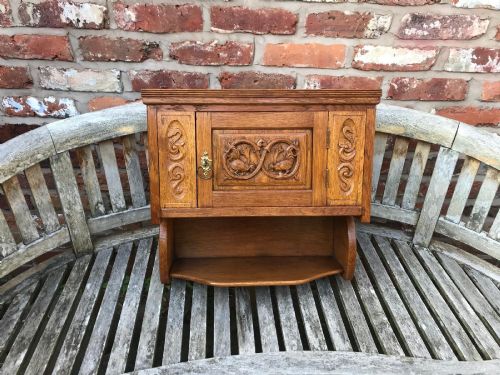
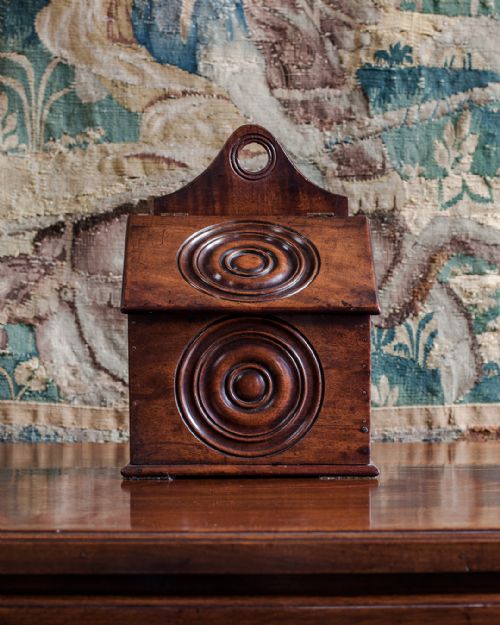
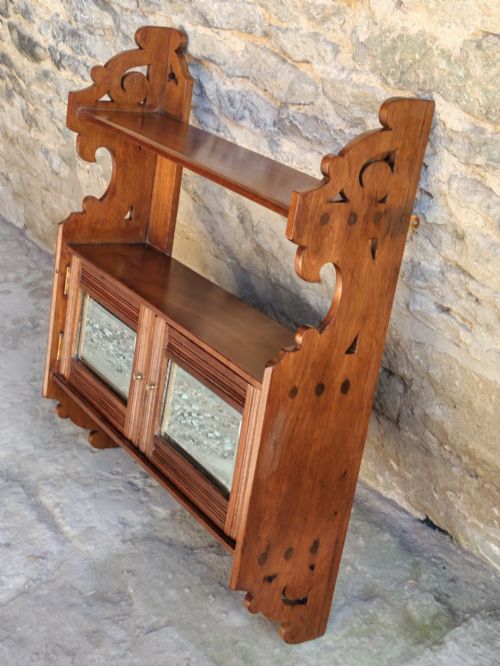
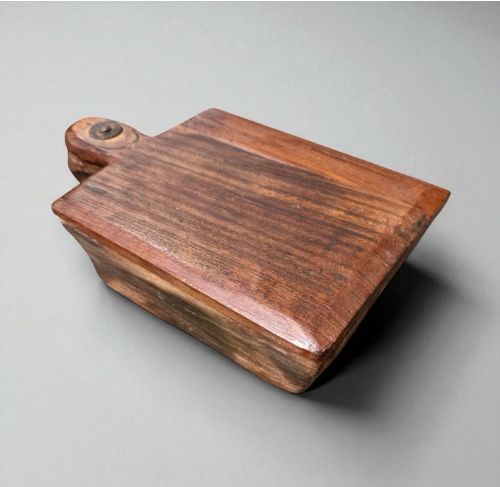
Carved wood spice pieces encompass domestic containers, grinders, and small cabinets designed for storing and preparing kitchen aromatics. Buyers exploring carved wood spice options will find objects ranging from seventeenth-century sycamore grinders to Victorian wall-hanging cupboards.
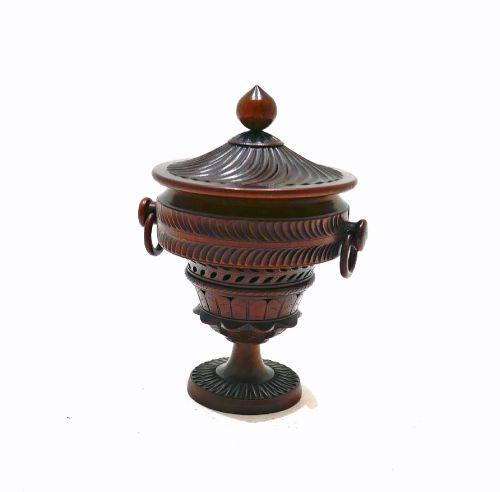
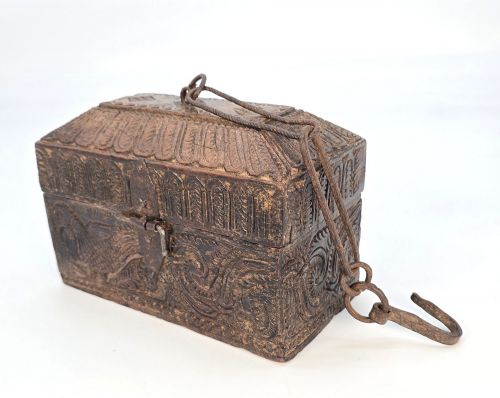
The selection leans heavily toward British and continental treen alongside Indian carved teak boxes and cabinets. Functional forms dominate, including lidded pomanders, nutmeg graters shaped like wine bottles, and locking table cabinets.
Earlier examples display seventeenth-century and eighteenth-century origins in fruitwood and oak, while later pieces stretch into the Edwardian era and the twentieth century. These items reflect the historical importance of spices in domestic life through enduring woodworking traditions.
How they were made
Craftsmen utilised dense domestic hardwoods such as oak, mahogany, fruitwood, sycamore, and walnut to ensure longevity in daily kitchen use. Turning on a lathe shaped cylindrical items like mortars, pestles, and grinders, while cabinetry required precise joinery for doors and wall-mounting.
Carving added surface decoration, ranging from floral mahogany reliefs to intricate Indian vernacular geometric patterns on teak and soft wood. Metal elements such as brass hinges, locks, and iron components frequently reinforced the wooden structures.
Carved Wood Spice Retail Price Guide 2026
Typical asking prices for carved wood spice among the pieces listed under this phrase on Sellingantiques today, from the lower quarter to the upper quarter. They describe what is for sale here now, not the wider market.
One clever treen nutmeg grater takes the playful disguise of a miniature wine bottle.
What varies in quality
Quality rests in the crispness of the hand-carving and the integrity of the original timber. Pieces displaying deep, deliberate tool work and well-preserved surface patination stand apart from simpler utilitarian items.
The sophistication of the mechanical form dictates distinction, such as the precise threading in two-part grinders or the complexity of lockable table cabinets. Intact original hardware and uncompromised structural joinery elevate the standing of any piece.
The Carved Wood Spice Glossary
- Treen
- Small handmade wooden domestic objects intended for functional use in the household. This category includes items like spice grinders, spoons, and lidded containers.
- Pomander
- A small container or perforated sphere used to hold aromatic substances and spices. They freshened interior spaces and clothing in domestic settings.
- Delft Rack
- A wall-mounted wooden shelving unit designed to display plates and ceramics. These fixtures belonged to traditional kitchens alongside hanging food cupboards and spice cabinets.
- Mortar and Pestle
- A bowl and heavy club used for crushing and grinding dry spices and ingredients. Turned fruitwood and olive wood examples survive from multiple centuries.
Carved Wood Spice: Frequently Asked Questions
How were spice grinders used?
Spices arrived in whole forms such as nutmegs and seeds to preserve volatile oils and flavours until the moment of culinary preparation.
Users operated handheld treen grinders and graters directly over dishes or bowls to release fresh aromas into food.
What is treen?
Treen describes small wooden household objects made before the advent of mass plastics and widespread metal kitchenware.
These pieces combined practical utility with decorative turning and carving suited to daily domestic life.
How do I date an oak spice cabinet?
Dating relies on examining construction methods, timber choice, and the style of surface carving present on the doors and frame.
Earlier seventeenth and eighteenth-century examples exhibit pegged joints and hand-planed boards, whereas Victorian and Edwardian pieces show machine-sawn elements.
Where were spice boxes placed?
Spice boxes and small cabinets sat on tabletops or hung securely from kitchen and parlour walls to keep valuable ingredients accessible yet protected.
Lockable cabinets secured expensive imported aromatics away from household servants and pests.