

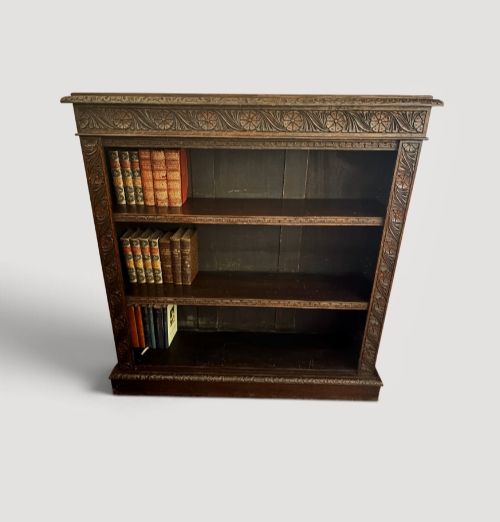
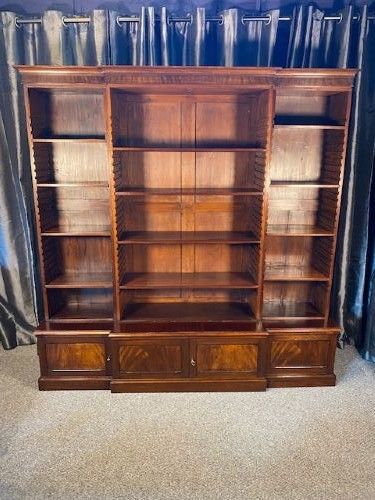
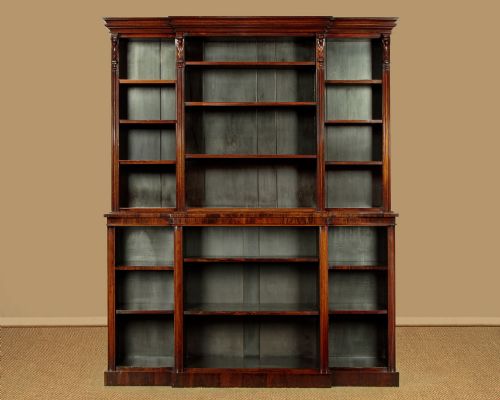

Carved Wood Shelving Unit
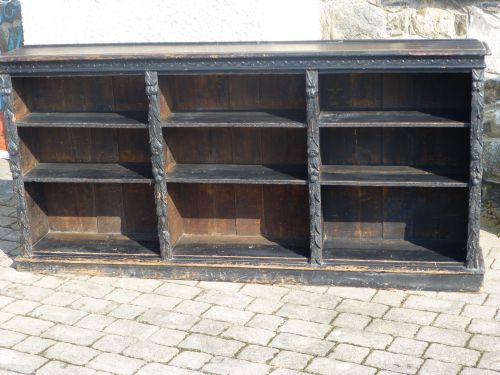
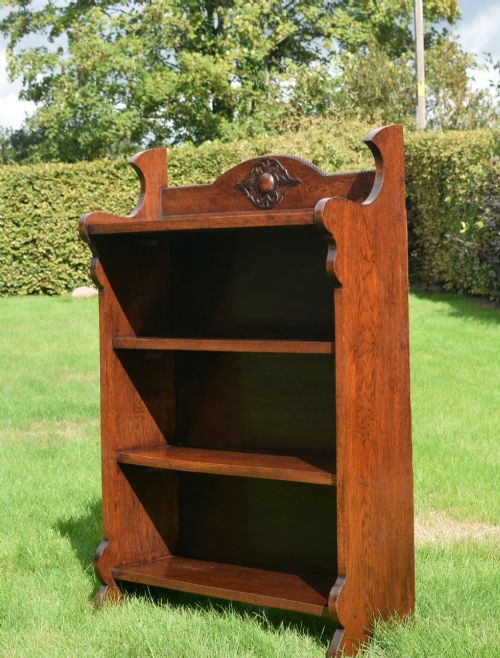
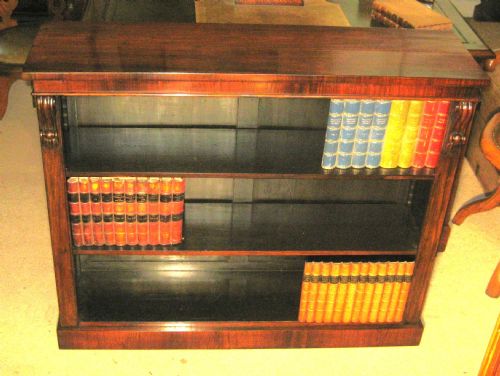
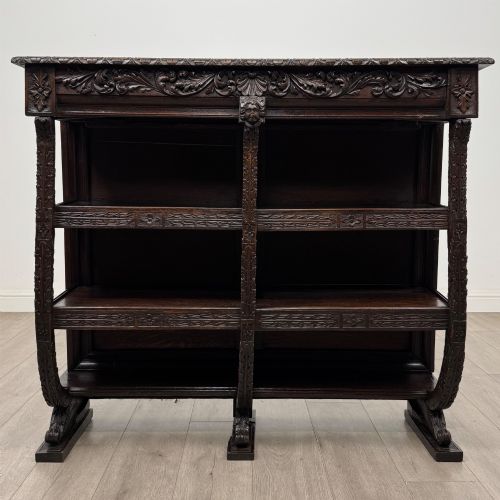
A carved wood shelving unit organises your volumes and displays, combining sturdy practical timber with decorative detail.
Carved Wood Shelving Unit
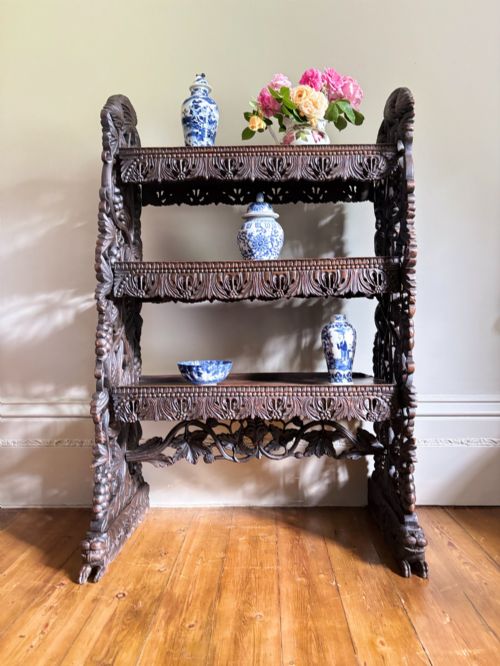
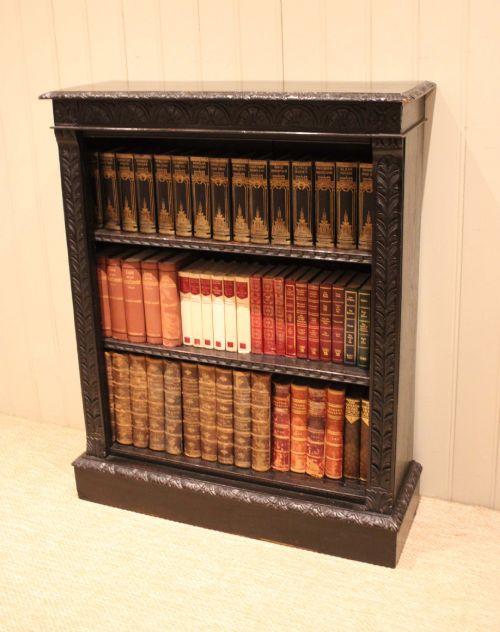
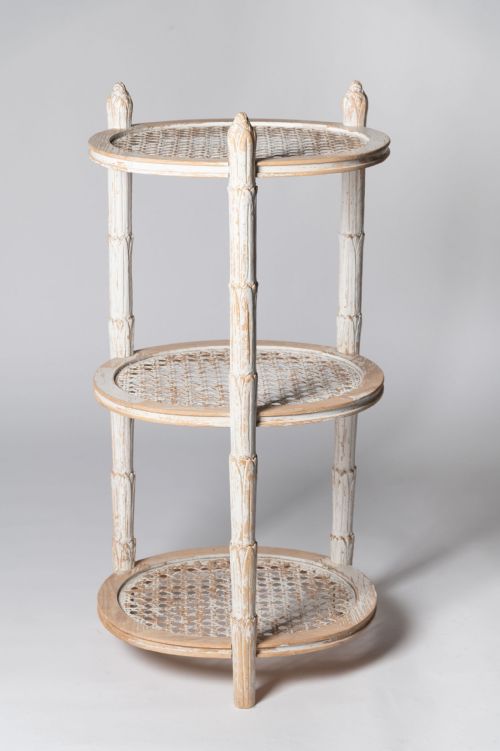
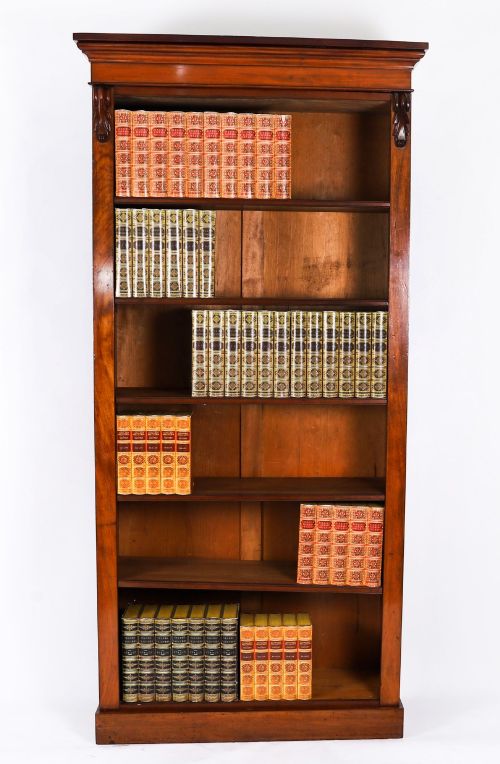
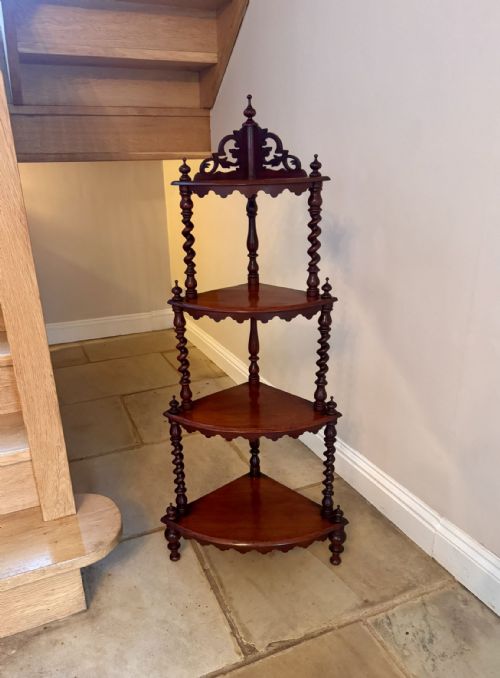
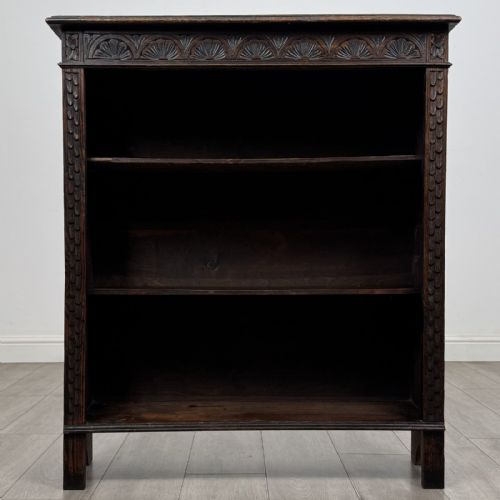
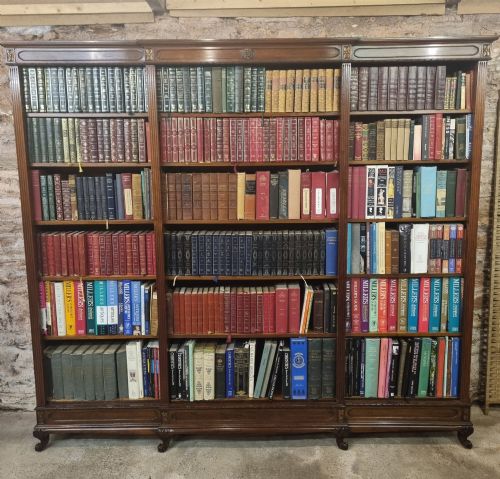
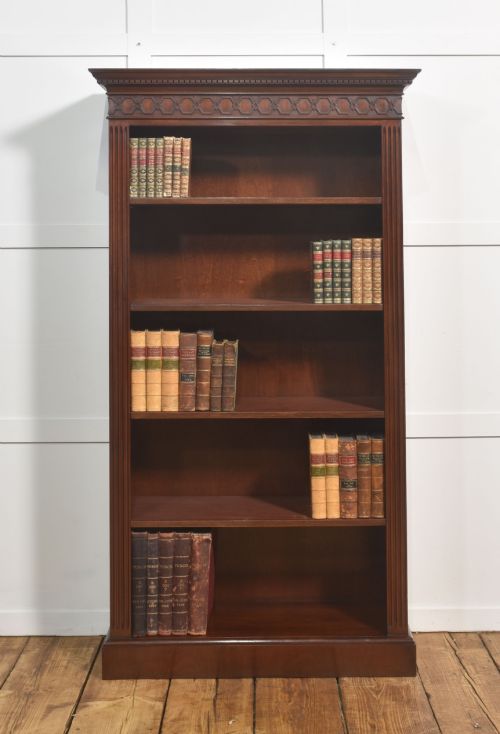
A carved wood shelving unit appears in multiple forms across this selection, including open bookcases, corner whatnots, wall shelves, and tiered étagères. Buyers looking for a carved wood shelving unit most frequently encounter Victorian and Edwardian examples constructed from mahogany, walnut, and oak.
The objects range from compact corner units designed to utilise awkward spaces to large breakfront open bookcases with adjustable shelves. Pieces often incorporate specific decorative elements such as green man carvings, pierced galleries, or ormolu mounts alongside the primary timber structure.
Materials and construction
Cabinet makers utilised dense hardwoods like mahogany, rosewood, walnut, and oak to build these tiers and cases, frequently applying flame mahogany or burr walnut veneers to prominent surfaces. Brass hardware, ormolu mounts, and inlaid olive wood details appear alongside hand-carved motifs on structural pillars and pediments.
Joinery techniques focus on supporting heavy volumes and display objects safely through stable shelving systems, which sometimes include adjustable brackets or fixed vertical partitions. Back panels and secondary elements often employ pine or other supportive timbers beneath the decorative exterior woods.
Carved Wood Shelving Unit Retail Price Guide 2026
Typical asking prices for carved wood shelving unit among the pieces listed under this phrase on Sellingantiques today, from the lower quarter to the upper quarter. They describe what is for sale here now, not the wider market.
Listings span the nineteenth and early twentieth centuries, featuring woods such as mahogany, rosewood, burr walnut, padauk, and olive wood.
Distinctions in quality
Quality separates simple utility furniture from masterworks through the choice of timber figure, such as highly burr walnut or rich rosewood, and the depth of hand-carving. Finer pieces demonstrate precision in the joinery of adjustable shelving mechanisms and the crispness of applied mouldings or brass mounts.
The integrity of the timber veneer and the balance of secondary woods reveal the original workshop standard. Superior examples maintain structural rigidity and refined proportions regardless of whether they take the form of a low dwarf bookcase or a tall étagère.
Edwards and Roberts
The Carved Wood Shelving Unit Glossary
- Whatnot
- A set of open shelves standing on legs, designed for displaying ornaments and small books. These tiered pieces often feature turned supports and delicate galleries.
- Étagère
- A piece of furniture consisting of a series of open shelves for holding ornaments. French in origin, these structures prioritise display over book storage.
- Breakfront
- A piece of furniture where the central section projects forward from the flanking wings. This architectural arrangement creates depth and shadow on larger bookcases.
- Green man
- A sculptural face carved from foliage or branches, often appearing as a decorative motif on nineteenth-century oak furniture. This mask symbolises rebirth.
- Ormolu
- Gilded bronze applied as a decorative mount to furniture pieces. Makers used this technique to accent the corners and borders of fine walnut and mahogany cabinets.
Carved Wood Shelving Unit: Frequently Asked Questions
What is a carved wood shelving unit?
A carved wood shelving unit is a piece of furniture designed for storage or display, encompassing open bookcases, wall shelves, and multi-tiered étagères.
These pieces feature decorative timber carving and originate predominantly from the nineteenth and early twentieth centuries.
How do I date a carved wood shelving unit?
Dating relies on identifying the prevailing style, timber choices, and construction methods associated with periods like the Victorian, Edwardian, and Regency eras.
Details such as adjustable shelf mechanisms and specific veneer types help narrow the decade of manufacture.
Are the shelves adjustable?
Many of the open bookcases and shelving units included here feature adjustable shelves supported by brass pegs or wooden ratchets.
This adaptability allowed owners to accommodate books of varying heights within the same case.
Where should I place a corner whatnot?
A corner whatnot is designed to fit snugly into room angles, making use of space that standard rectangular furniture leaves empty.
These tiered pieces suit studies or living rooms for displaying small collections and ceramics.