





Carved Wood Rack
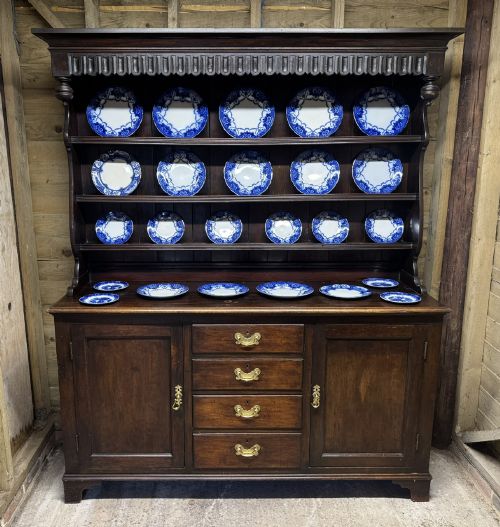
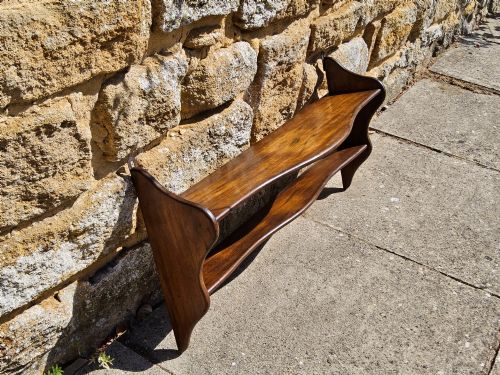
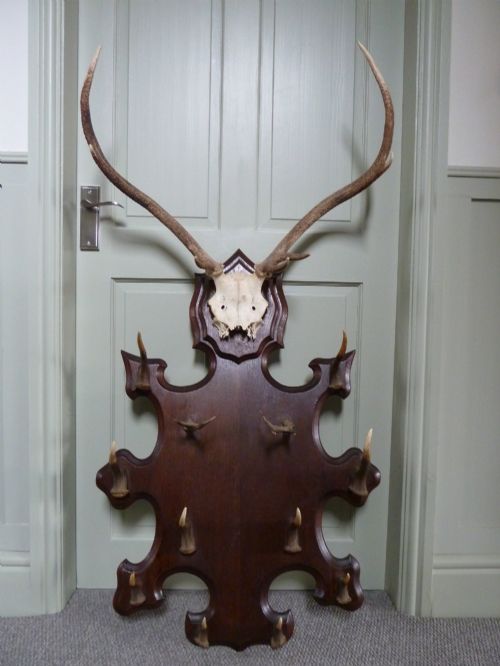
Carved wood rack examples bring together practical utility and period craftsmanship, spanning hall stands, coat hooks, and wall shelves through the nineteenth and twentieth centuries.
Carved Wood Rack
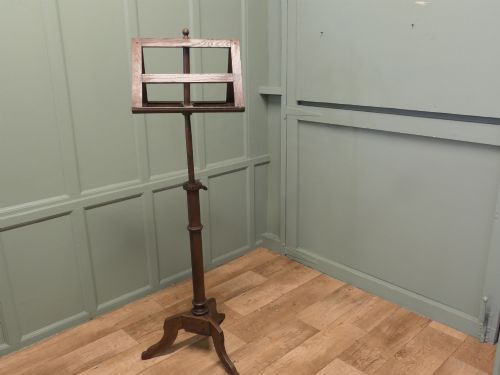
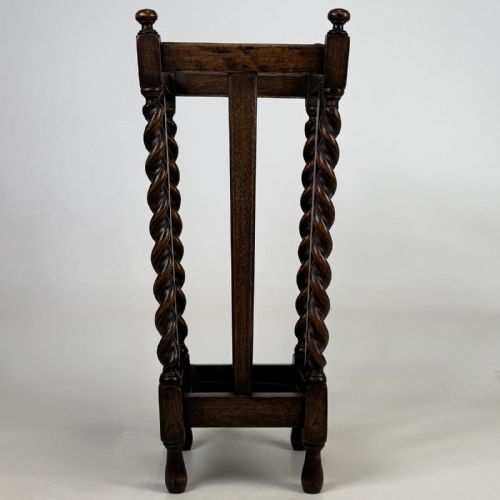
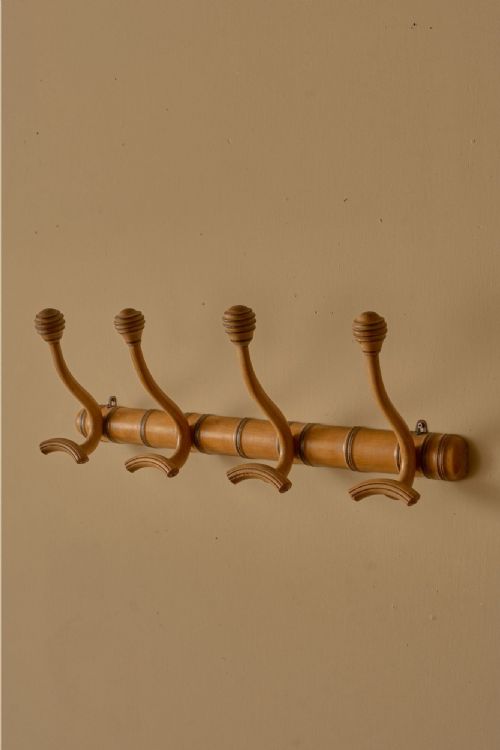
A carved wood rack serves multiple domestic functions across the Victorian, Edwardian, and nineteenth-century periods seen on this page. Pieces range from coat hooks and umbrella stands to wall shelves, magazine racks, and hall stands.
The most frequent examples combine storage utility with decorative carving, utilising timbers such as oak, mahogany, walnut, and rosewood. Makers applied these forms in entrance halls, libraries, and reception rooms to organise garments, books, and walking sticks.
Construction origins span English country houses, continental workshops, and Black Forest centres, demonstrating diverse regional interpretations of Gothic Revival, Arts and Crafts, and traditional styles.
Materials and construction methods
Workshops relied on dense hardwoods including oak, walnut, mahogany, and rosewood to support weight and hold intricate chisel work. Metal elements such as brass hooks, brackets, and mirrors frequently accompanied the timber frames.
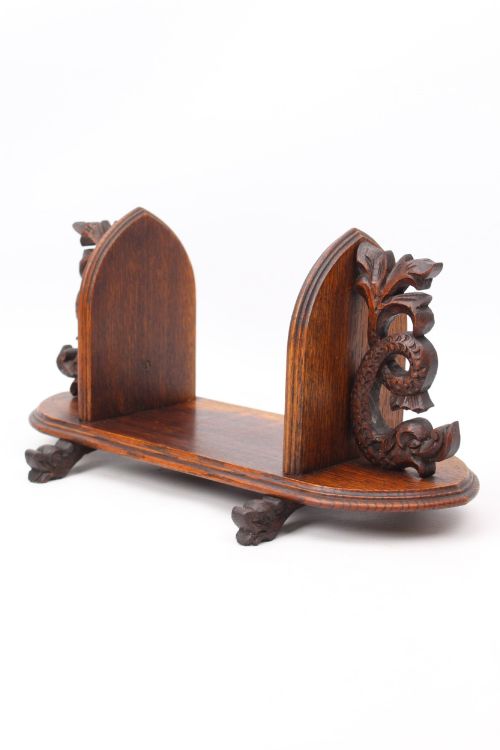
Carpenters joined structural components using traditional joints, while specialist carvers rendered high-relief naturalistic motifs, geometric patterns, and figural subjects. Surfaces received polished, ebonised, or wax finishes to protect the wood and highlight the grain.
Carved Wood Rack Retail Price Guide 2026
Typical asking prices for carved wood rack among the pieces listed under this phrase on Sellingantiques today, from the lower quarter to the upper quarter. They describe what is for sale here now, not the wider market.
A gnome whip hook waits ready to guard equestrian gear.
Judging quality in carved wood racks
Quality rests upon the depth, sharpness, and ambition of the carving rather than simple surface decoration. Crisp undercut foliage, expressive animal or human figures, and well-proportioned timber mouldings distinguish superior workshop output.
The choice and matching of wood grain also dictate standing, with burr walnut, figured mahogany, and quarter-sawn oak commanding attention. Original brass fittings, intact mirrors, and robust structural joinery complete the higher grade of domestic utility items.
J. Parker of Woodstock
The Carved Wood Rack Glossary
- Canterbury
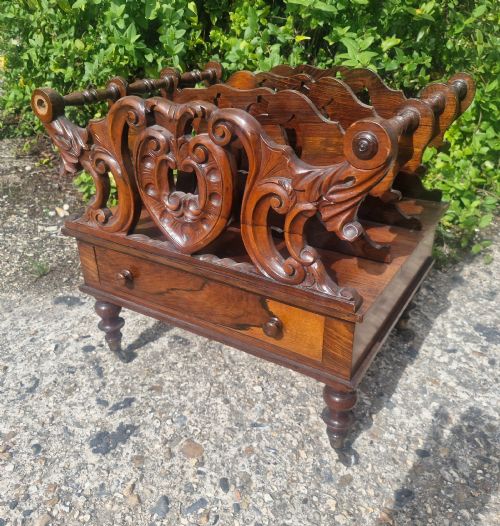
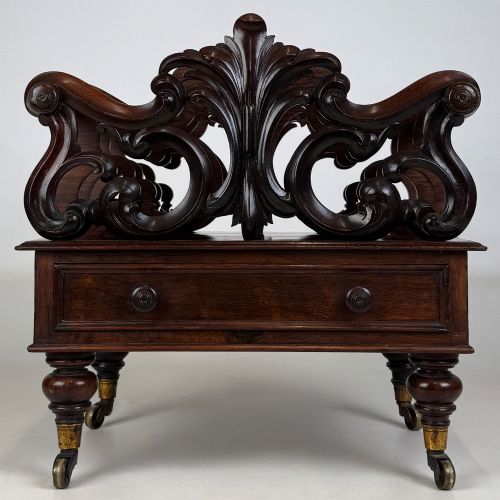
- A low multi-tiered stand designed for holding sheet music, newspapers, or magazines, often fitted with slatted or carved divisions.
- Hall Stand
- A tall piece placed in an entrance hall combining coat hooks, umbrella wells, and frequently a central mirror and glove drawer.
- Black Forest
- A style of deeply carved wooden furnishings originating from the Swiss and German mountain regions, characterised by naturalistic bears, foliage, and animals.
- Gothic Revival
- An architectural and decorative style drawing on medieval forms, featuring pointed arches, tracery, and heavy carved oak.
- Book Slide
- An adjustable or expanding desktop stand designed to hold a small row of books upright between two decorative ends.
Carved Wood Rack: Frequently Asked Questions
Where were carved wood racks placed in period homes?
These items found primary placement in entrance halls, corridors, and reception rooms where guests deposited coats, hats, and walking sticks.
Smaller iterations such as wall shelves, book slides, and magazine racks operated in studies, libraries, and parlours to manage daily literature.
What woods were commonly used for these racks?
Workshops utilised domestic and imported hardwoods suited to structural strength and detailed carving. Oak, mahogany, walnut, rosewood, and olive wood appear frequently across the periods represented here.
Secondary materials like brass, glass, and mother-of-pearl inlay often provided functional or decorative contrast to the main timber body.
How do I identify a Black Forest carved piece?
Black Forest pieces are characterised by deep, naturalistic animal carvings, most notably bears, stags, and foliage. They frequently take the form of stick stands, whip hooks, or novelty wall fixtures.
The carving style is expressive and relies on Swiss or German alpine workshop traditions from the nineteenth century.
Can these racks still hold coats and umbrellas today?
Period hall stands and coat racks retain their original structural capacity for hanging garments and storing walking sticks. Solid timber frames and robust brass hooks are built to withstand everyday domestic use.
Care should be taken to mount wall-hanging versions securely into wall studs to support the weight of heavy winter coats.