

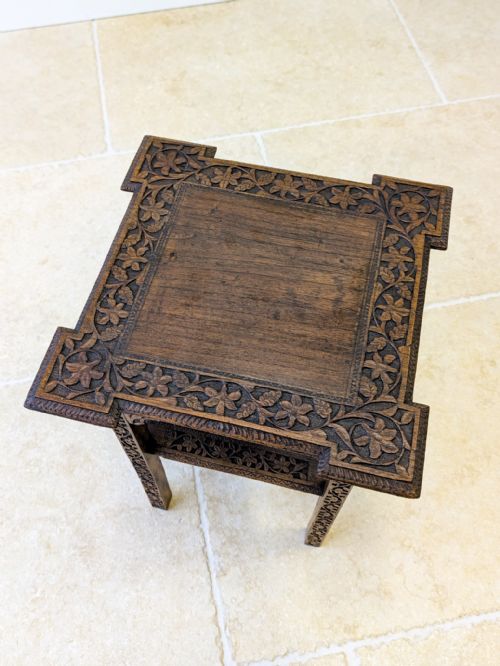
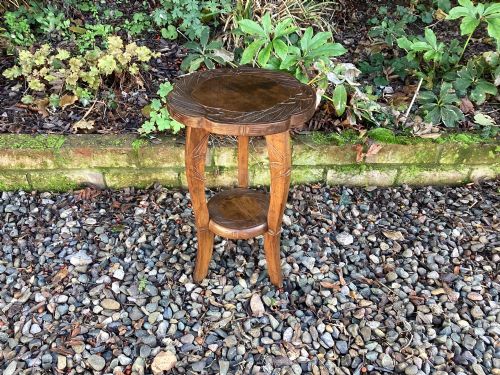
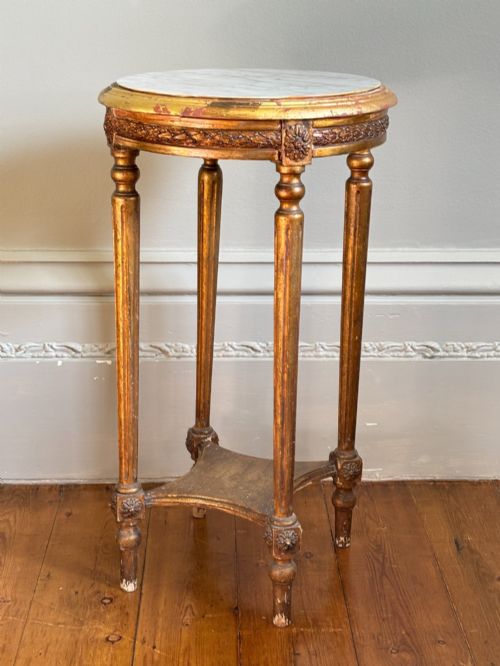
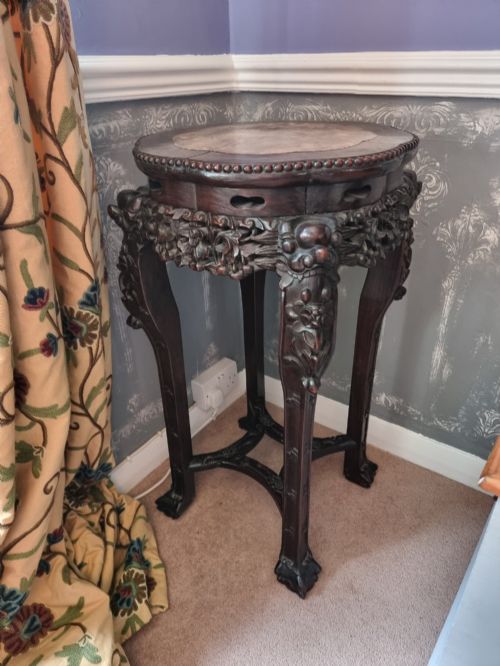
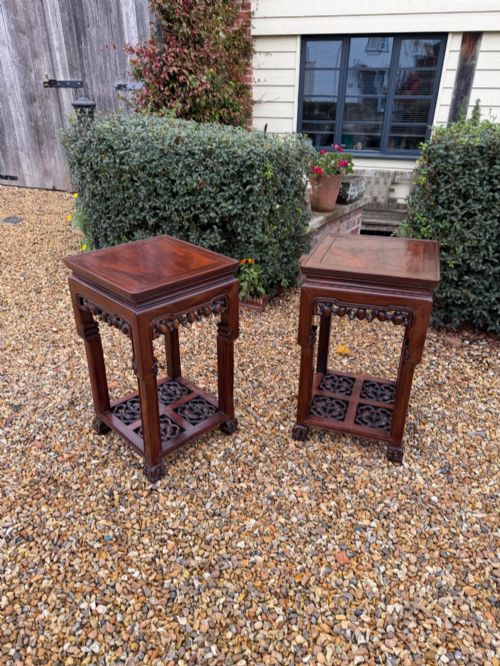
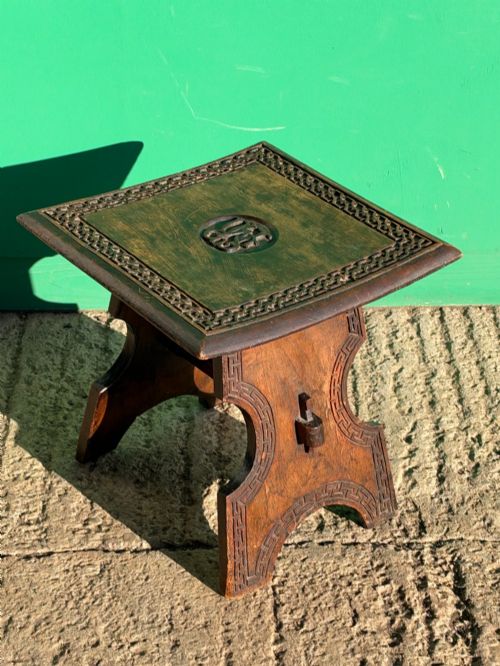
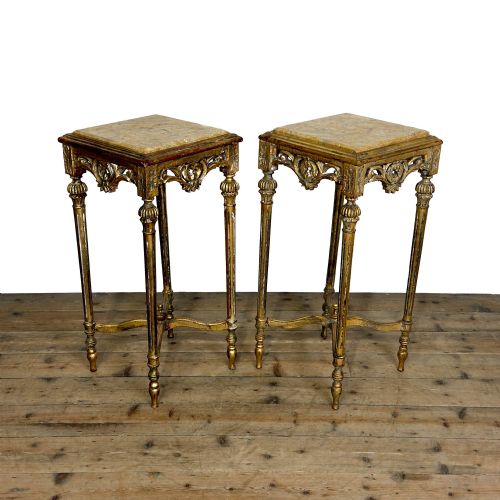
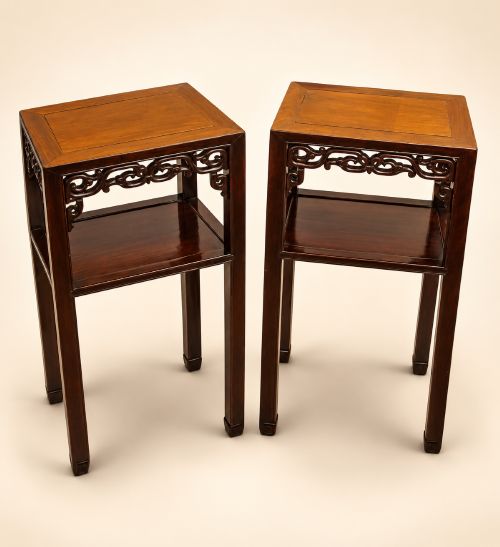
Carved Wood Plant Table
These carved wood plant table pieces bring nineteenth-century craftsmanship into domestic spaces, offering elevated surfaces for display.
Carved Wood Plant Table
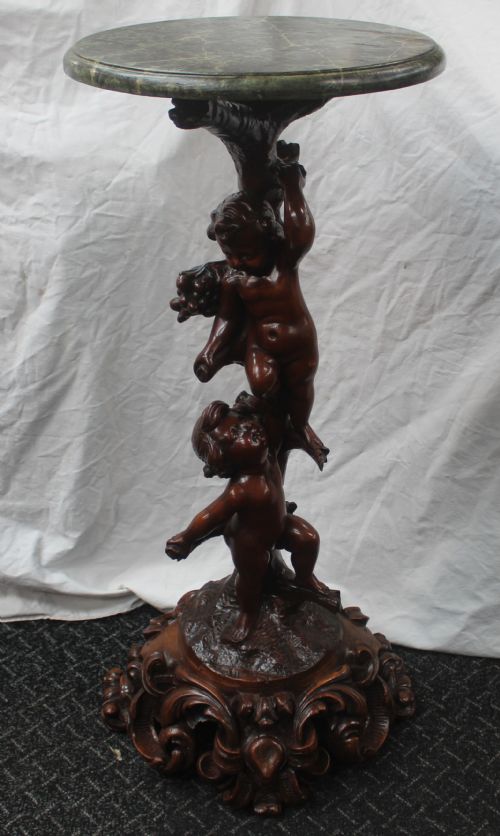
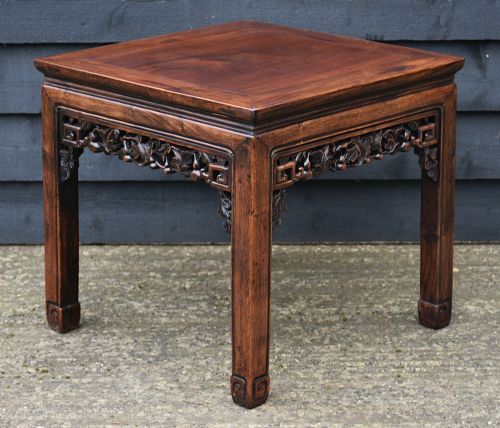
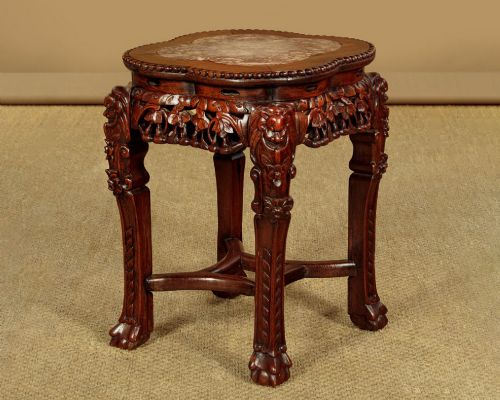
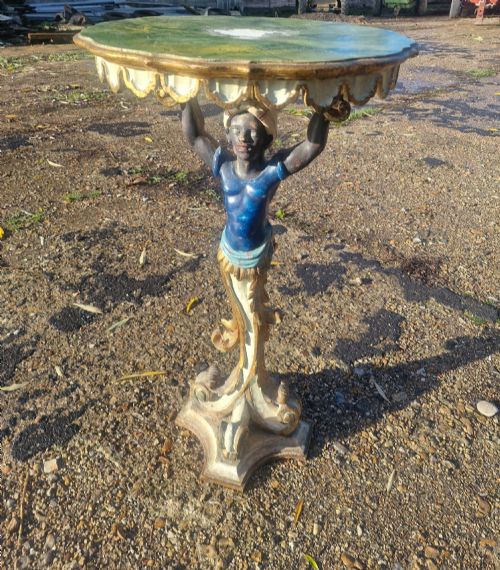
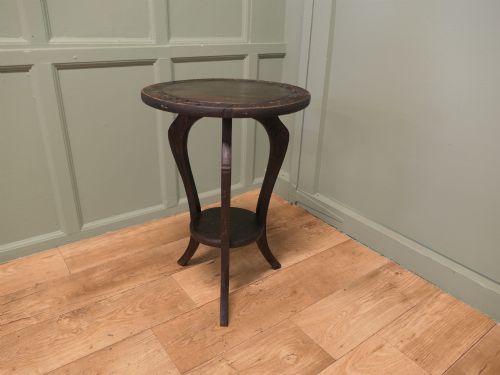
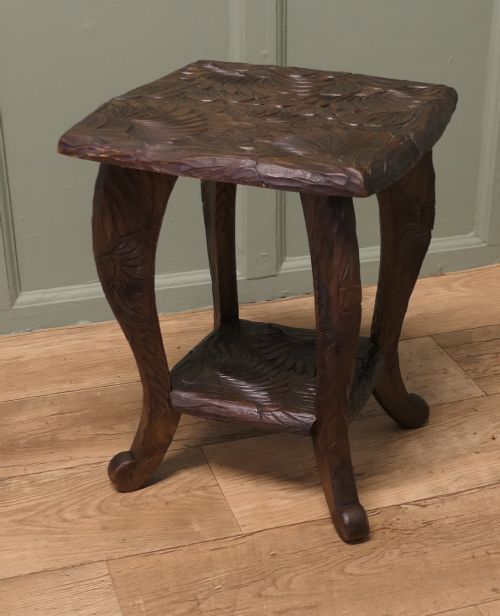
When searching for a carved wood plant table, buyers encounter a diverse selection of nineteenth and early twentieth-century forms, including occasional tables, plant stands, pedestals, and jardiniere tables. These items span Victorian and Edwardian periods alongside regional styles such as Anglo-Indian, Qing Dynasty, Moorish Revival, and Venetian Baroque. Such variety reflects international trade and domestic utility over successive design movements.
The most frequent examples on this page are circular, octagonal, or square occasional tables and plant stands produced from solid hardwoods. Pieces frequently integrate regional carving techniques, ranging from Burmese and Kashmiri detail to Dutch marquetry and English barley twist supports. Buyers select these works to serve functional display roles while introducing historical character to modern interiors.
Materials and Construction
Makers utilised a range of dense hardwoods including mahogany, walnut, oak, rosewood, teak, elm, and diverse rustic woods. These strong timbers supported intricate hand-carved ornamentation, deep relief work, and structural elements such as tripod bases, pedestal columns, and folding octagonal frames.
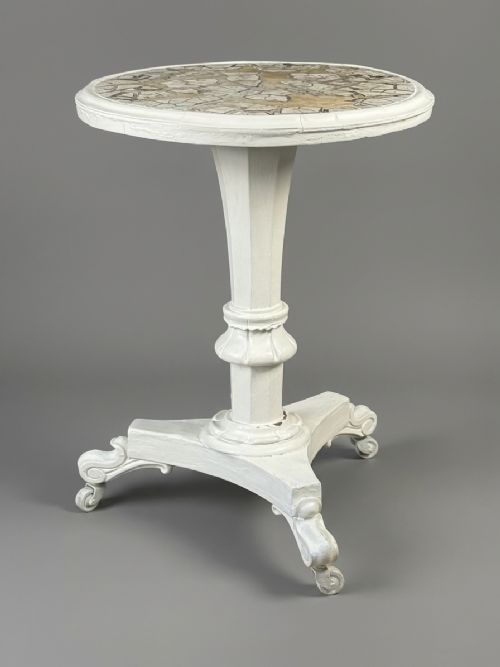
Selected pieces incorporate contrasting decorative elements, including inset marble tops, carved bone inlay, painted wooden details, and gilded finishes. Joinery methods matched the regional origins and workshop traditions of the maker, whether through European cabinetmaking standards or traditional Eastern wood-carving techniques.
Carved Wood Plant Table Retail Price Guide 2026
Typical asking prices for carved wood plant table among the pieces listed under this phrase on Sellingantiques today, from the lower quarter to the upper quarter. They describe what is for sale here now, not the wider market.
The selection includes regional forms from China, India, Burma, Syria, and the Netherlands alongside British Victorian and Edwardian items.
Judging Quality and Execution
The distinction between standard domestic production and superior output rests upon the depth, precision, and continuity of the hand-carving. Master carvers achieved crisp relief work and balanced symmetry across complex geometric or figurative motifs, whereas lesser examples display shallower cuts and simpler execution.
Material selection and structural integrity further differentiate the range. High-grade items utilise finely figured solid rosewood, mahogany, or walnut paired with stable joinery, integrated stone inlays, or documented workshop provenance, maintaining both decorative impact and functional balance.
Liberty & Co·Trevor Page & Co·Shapland and Petter
The Carved Wood Plant Table Glossary
- Gadrooned edge
- A decorative carved border detail featuring parallel curved or rounded lobes. This ornamentation frequently appears along the perimeters of table tops.
- Barley twist
- A turned column or table leg shaped into a spiral resembling barley stalks. This turning technique gained popularity during the Victorian and Edwardian periods.
- Jardiniere table
- A specialised low table or stand designed to hold plant pots or flower arrangements. These pieces often incorporate waterproof liners or inset marble tops.
- Marquetry
- The art of applying small pieces of veneer to a structure to form decorative patterns or pictures. Dutch workshops frequently employed this technique on occasional tables.
- Bone inlay
- A decorative method where small pieces of carved bone are set flush into the wooden surface. This technique characterises specific regional furniture traditions such as Anglo-Indian Hoshiarpur pieces.
Carved Wood Plant Table: Frequently Asked Questions
What distinguishes a plant stand from an occasional table?
Plant stands and pedestals were constructed with narrow tops specifically intended to elevate botanical displays, jardiniere bowls, or decorative ornaments above floor level. Their proportions favour vertical stability over expansive surface area.
Occasional tables provide wider surfaces suited for lamps, books, or serving drinks, though many historic examples performed dual functions depending on room layout and domestic needs.
How do I identify an Anglo-Indian table?
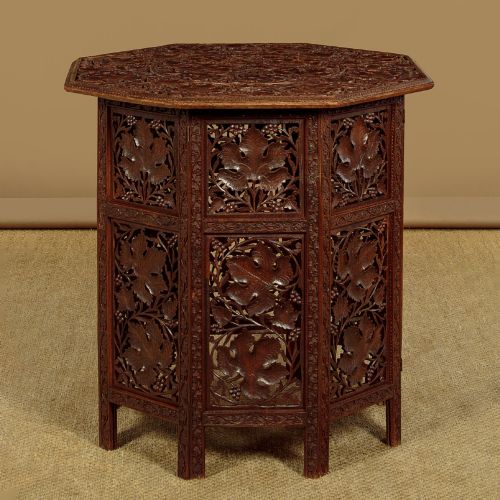
Anglo-Indian tables typically feature dense, intricate hand-carving across octagonal or circular folding frames. They frequently combine hardwoods with bone inlay or intricate pierced wood lattices.
These works reflect nineteenth-century British design influence intersecting with traditional Indian craftsmanship, particularly from workshops in regions such as Hoshiarpur.
Where should I place a marble top table?
Marble top tables suit spaces where moisture resistance or a cool, solid surface is advantageous. Historically, these pieces functioned as washstands or plant tables where damp pots posed a risk to standard wood.
In contemporary settings, they serve effectively as lamp tables or occasional surfaces in living rooms and hallways.
How can I tell Victorian pieces from Edwardian ones?
Victorian furniture generally exhibits heavier proportions, darker woods, and deep, elaborate carvings influenced by Gothic, Renaissance, or regional revival styles. Details like barley twist legs and rich walnut or mahogany predominate.
Edwardian pieces often display lighter construction, simpler lines, and influences from the Arts and Crafts movement or Art Nouveau, favoring elm, lighter mahogany, or inlaid decoration.