

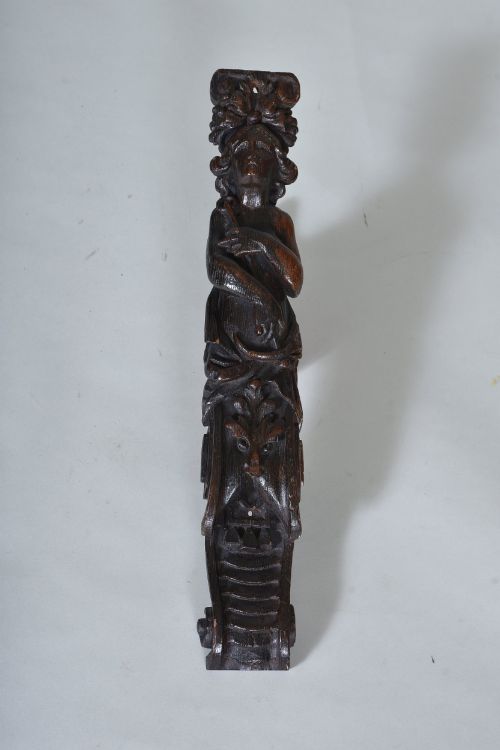
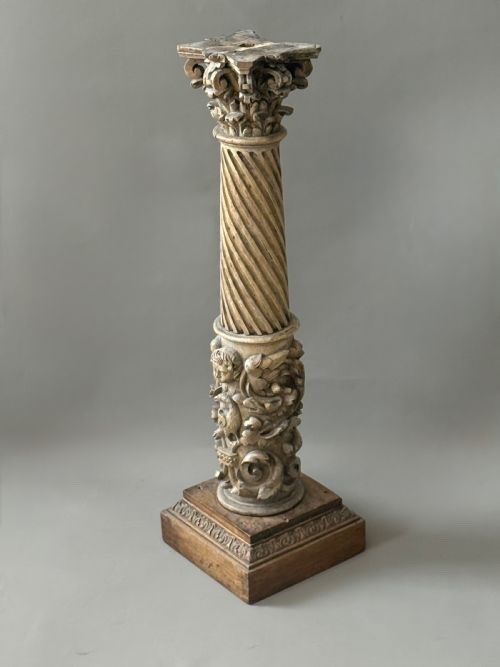
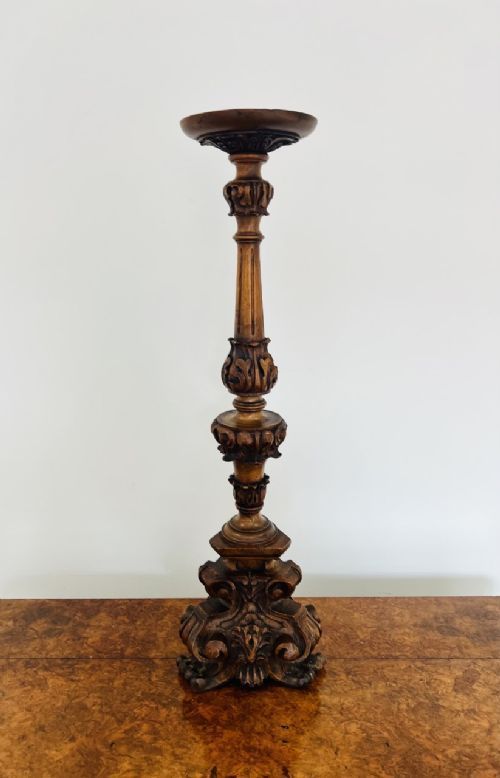


Carved Wood Pillars
These carved wood pillars bring architectural dignity and rich texture to an interior, whether encountered as grand scale columns, bed posts, or converted lamp bases.
Carved Wood Pillars
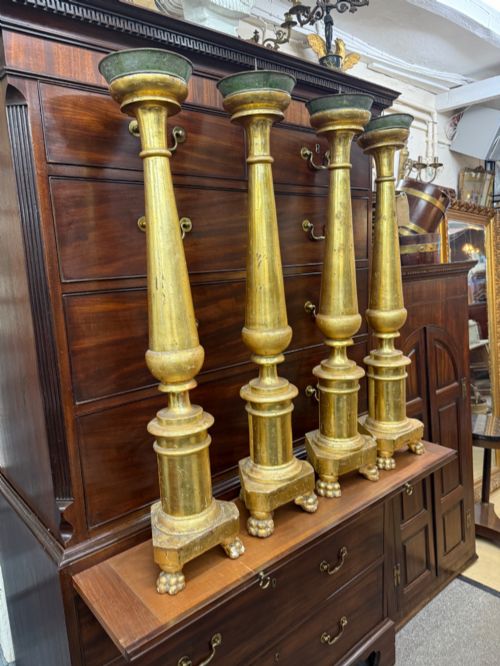
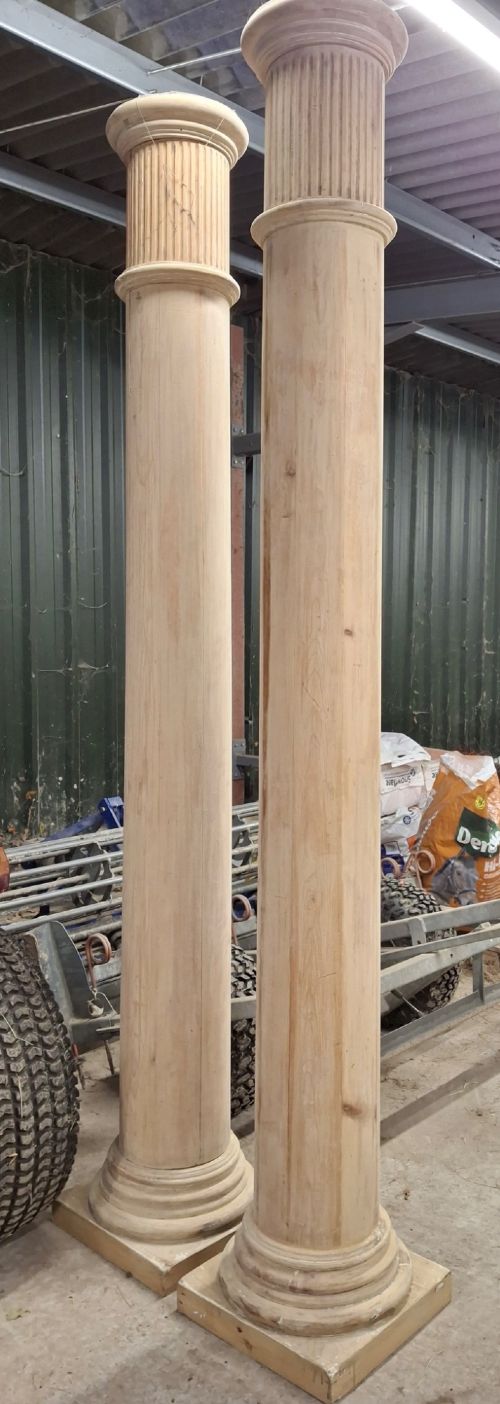
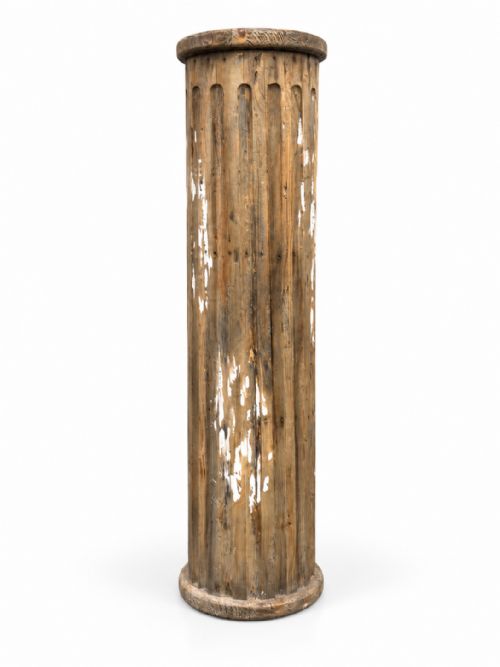
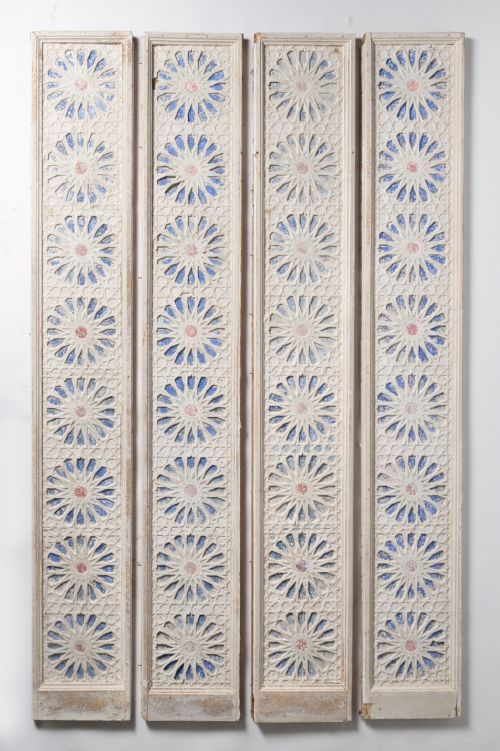
When searching for carved wood pillars, buyers encounter a diverse selection of architectural elements, furniture components, and decorative supports drawn from centuries of craftsmanship. The options span architectural salvage and architectural carvings alongside functional forms like pedestals, dining tables, and candle stands.
The most common examples on this page date from the nineteenth century, including Victorian and Regency pieces, alongside earlier seventeenth century survivals and Edwardian items. Materials range from mahogany and walnut to oak, hardwood, and gesso, reflecting varied domestic and ecclesiastical origins.
How they were made
The construction of these pieces relies on solid timbers such as mahogany, walnut, oak, and various hardwoods, chosen for their structural strength and capacity to hold intricate chisel work. Craftsmen shaped these materials into monumental columns, bed posts, and architectural supports using traditional joinery and turning techniques.
Surface treatments vary across the selection, incorporating carved wood details, painted and parcel gilt finishes, silvering, and gesso layers. These finishes highlight the depth of the carving, from Baroque revival flourishes to classical ionic capitals.
Carved Wood Pillars Retail Price Guide 2026
Typical asking prices for carved wood pillars among the pieces listed under this phrase on Sellingantiques today, from the lower quarter to the upper quarter. They describe what is for sale here now, not the wider market.
Styles range across Victorian, Regency, Edwardian, Baroque Revival, and seventeenth-century Jacobean influences.
What varies in quality
The distinction between standard items and the top of the range lies in the depth, crispness, and ambition of the carving. Pieces displaying confident handling of form, such as grand scale columns or finely detailed capitals, demonstrate superior artisan skill.
Quality also rests on the integrity of the timber and the preservation of original finishes, whether painted, gilded, or polished wood. Intact proportions and harmonious design elevate items originating from stylistic revivals and architectural salvage.
The Carved Wood Pillars Glossary
- Architectural salvage
- Building elements rescued from structures slated for alteration or demolition, repurposed for interior decoration. These pieces often retain the weathering and character of their original structural context.
- Ionic capital
- The decorative upper portion of a column featuring spiral scroll motifs known as volutes. This classical detail appears frequently on turned wooden shafts.
- Torchere
- A tall decorative stand designed to support a light source, candle, or small ornament. They frequently take the form of slender carved wooden pillars.
- Parcel gilt
- A surface decoration technique where specific areas of an object are highlighted with gold leaf. This method contrasts the warm tones of wood or painted surfaces with bright metallic sheen.
- Gesso
- A plaster-like material applied to wood surfaces as a smooth base for painting or gilding. It allows for crisp, intricate surface moulding before finishing.
Carved Wood Pillars: Frequently Asked Questions
How were carved wood pillars originally used?
These pillars served multiple functions in historic interiors, acting as structural load-bearing supports in buildings, grand bed posts, or decorative torchere stands for lighting.
Over time, many architectural elements have been adapted into lamp bases or freestanding sculptural objects for modern display.
What periods do these carved wood pillars date from?
The selection spans several centuries, with a strong representation of nineteenth-century Victorian and Regency pieces alongside earlier seventeenth-century works and Edwardian examples.
Stylistic revivals heavily influence the dating, incorporating Baroque, Neoclassical, and Continental design vocabularies into domestic items.
How do I care for antique wood pillars?
Maintenance requires keeping wooden surfaces away from direct heat sources and sudden humidity changes to prevent timber movement or cracking.
Gentle dusting with a dry cloth preserves the finish, avoiding harsh commercial polishes that might degrade historic gesso or gilt layers.
Can these architectural columns be integrated into modern rooms?
These pieces function effectively as vertical accents in contemporary spaces, used either as freestanding decorative elements or paired as pedestals for art.
Their substantial presence adds architectural weight and historical texture to plain interior walls or corners.