




Carved Wood Partition
A carved wood partition shapes an interior with depth, structure and architectural gravity.
Carved Wood Partition
A carved wood partition divides living space with hinged panels, folding screens and freestanding architectural divisions.
The pieces appearing on this page span the nineteenth and twentieth centuries, originating from English, Continental, Chinese, Japanese, Indian and Burmese workshops.
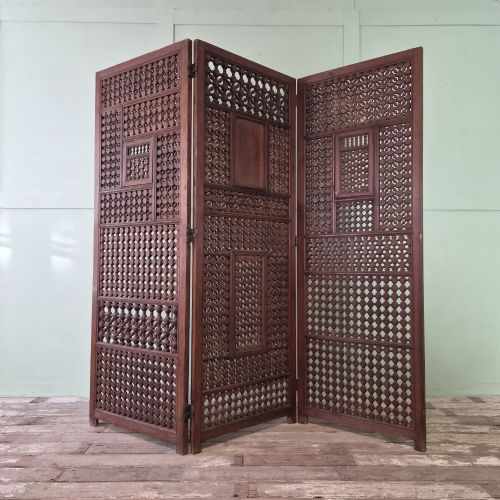
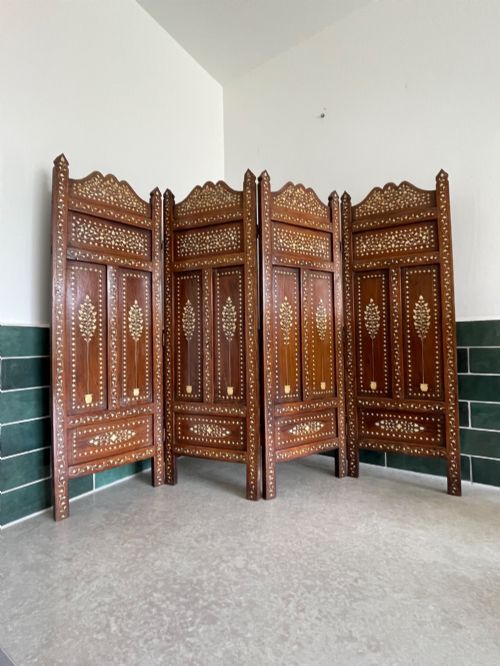
Most examples encountered here take the form of folding screens, four-panel room dividers and tabletop screens utilising intricate fretwork or carved joinery.
Materials and construction
Makers constructed these partitions from dense hardwoods like rosewood and teak, alongside giltwood and lacquered timber frameworks.
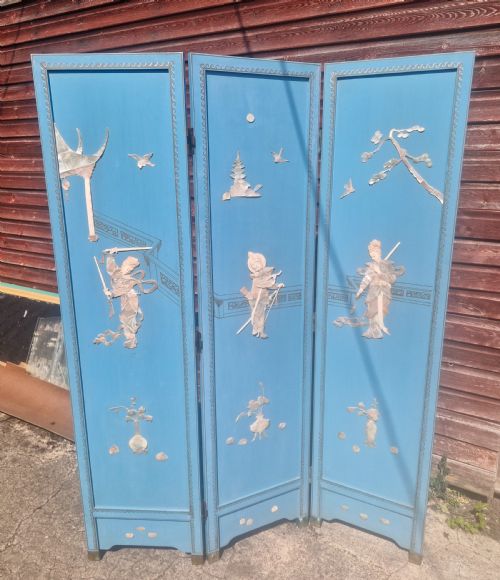
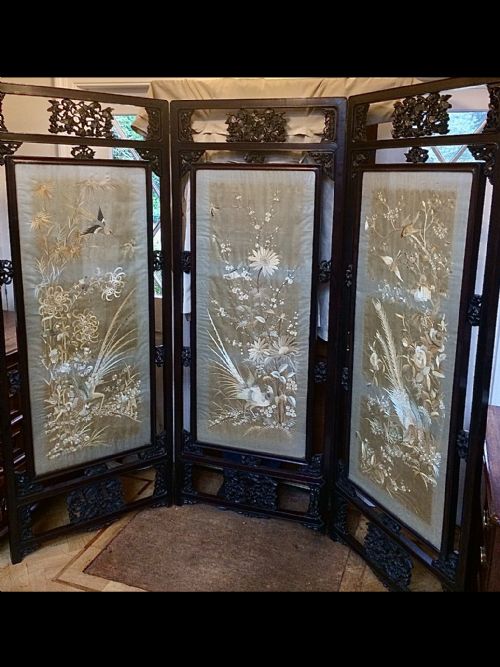
Decoration relies on traditional techniques including deep relief carving, fretwork, bone inlay, needlepoint and hand-painted silk panels.
Hinges join multiple panels together, allowing the screens to fold flat or stand in zig-zag configurations across a room.
Carved Wood Partition Retail Price Guide 2026
Typical asking prices for carved wood partition among the pieces listed under this phrase on Sellingantiques today, from the lower quarter to the upper quarter. They describe what is for sale here now, not the wider market.
Periods represented across the page span from the Regency and Victorian eras through to the mid-twentieth century.
What separates the finest examples
Quality rests in the crispness of the carving and the depth of the pierced fretwork, where crisp execution distinguishes master workshops from simpler production.
The selection of timber matters greatly, as dense hardwoods hold sharp carving details much better than softer secondary woods over decades of folding and movement.
Original integrated details such as untouched lacquer, early silk inserts and intact brass hardware elevate an example above pieces with later alterations.
The Carved Wood Partition Glossary
- Mashrabiya
- A decorative wooden lattice screen used for architectural division and light filtration. It appears in Islamic revival and Anglo-Indian designs.
- Fretwork
- Ornamental perforated woodwork cut in geometric or floral patterns. This technique allows light to pass through the panels.
- Giltwood
- Timber coated with a thin layer of gold leaf or gilt paint. It is seen on nineteenth-century Continental vanity screens.
- Table screen
- A smaller decorative panel mounted on a supportive wooden base for display on furniture. These pieces often feature intricate carving or silk work.
Carved Wood Partition: Frequently Asked Questions
How do I stabilise a folding screen?
Stand the screen in a gentle zig-zag formation rather than pulling the panels straight. This geometric arrangement provides natural balance on flat floors.
Avoid placing folding screens in heavy draft corridors where sudden air movement might tip the panels over.
Can these partitions divide an open room?
These partitions work well to zone large rooms, create private dressing areas or mask unused corners. Their folding panels adapt to various floor layouts.
Ensure the panels remain supported at angles so the weight distributes evenly across the hinges.
How do I clean carved wooden panels?
Dust the intricate carvings gently with a soft dry brush to lift dirt from recessed areas. Avoid using liquid polishes that build up within the carved channels.
Keep wooden screens away from direct radiators and bright sunlight to prevent the timber from drying and cracking.
What periods do these screens represent?
The pieces span the nineteenth and twentieth centuries, incorporating Victorian, Regency, Edwardian and mid-century modern eras. Stylistic influences include Chinese, Japanese, Indian and Islamic traditions.
Design motifs range from dragon carvings and lacquer to silk cotton inserts and needlepoint panels.