



Carved Wood Fruit
Carved wood fruit brings tactile natural forms indoors, offering intricate timber craftsmanship shaped into decorative pears, apples, and bowls.
Carved Wood Fruit
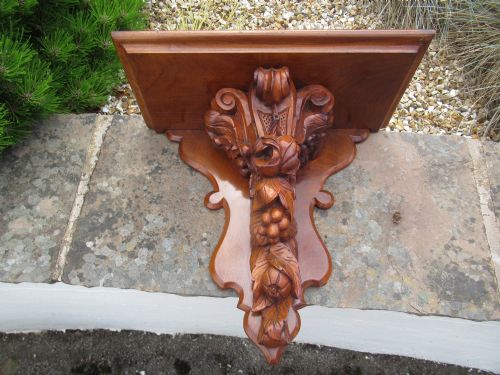
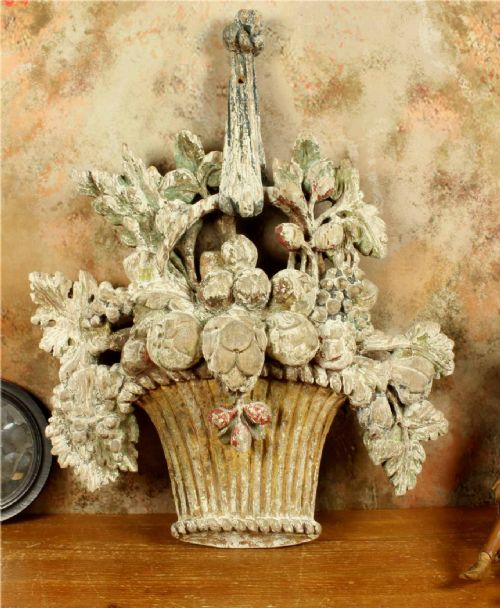
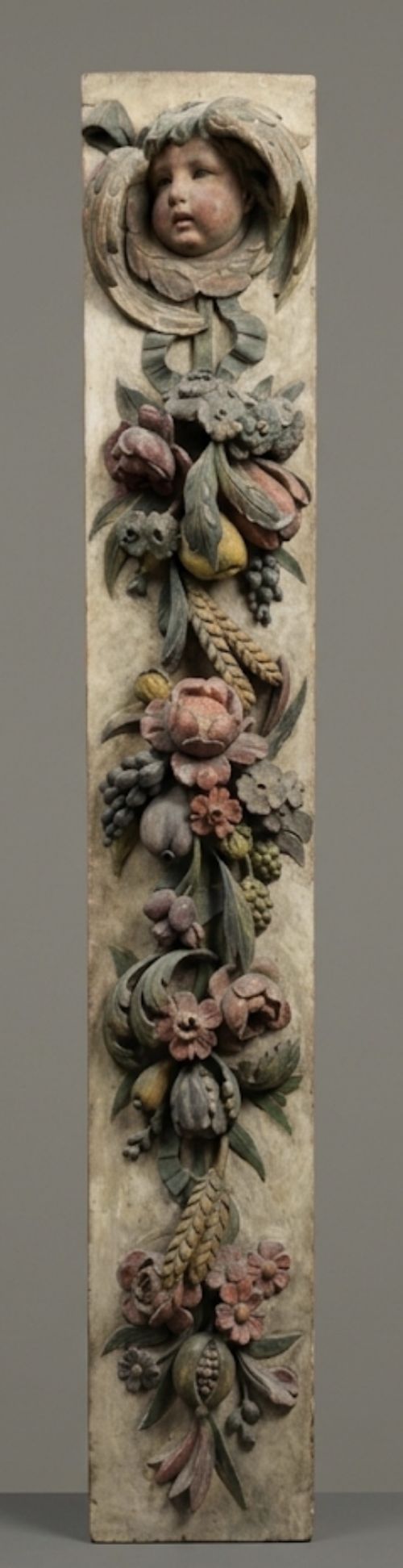
Carved wood fruit encompasses sculptural representations and utility items shaped from timber, often appearing within Swiss Folk Art, Black Forest, and Victorian traditions. These objects range from freestanding bowls and troughs filled with turned specimens to detailed wall reliefs and panels depicting seasonal harvests.
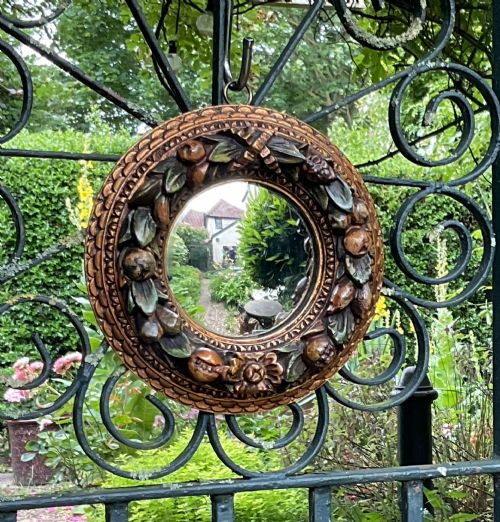
Origins span across British, French, German, and Swiss workshops, showcasing regional carving techniques from rural folk traditions to elaborate continental designs. Pieces often intersect with related items like mirrors, commodes, and sewing cases adorned with botanical motifs.
Materials and construction methods
Craftsmen utilised dense local hardwoods, primarily fruitwood, walnut, and oak, selecting timber for its grain and workability. These woods allowed carvers to achieve smooth curves for individual fruit specimens and deep relief for decorative panels.
Hand carving required specialist gouges and chisels to render realistic textures on surfaces such as apples, pomegranates, and pheasants. Polychrome paint was occasionally applied to enhance naturalism, whilst brass or metal fixtures appeared on associated wall sconces and mirrors.
Carved Wood Fruit Retail Price Guide 2026
Typical asking prices for carved wood fruit among the pieces listed under this phrase on Sellingantiques today, from the lower quarter to the upper quarter. They describe what is for sale here now, not the wider market.
Listings feature items from the eighteenth, nineteenth, and early twentieth centuries, utilising walnut, oak, fruitwood, and polychrome paint.
Distinctions in craftsmanship
Quality rests upon the depth and anatomical precision of the carving, distinguishing lifelike organic contours from rigid or mechanical shaping. Superior examples display subtle shifts in timber grain that follow the natural form of the subject.
The integration of the carving with its structural support defines the tier of an item, whether integrated into a solid wood frame, a serpentine commode, or a dedicated musical bowl. Finer pieces maintain crisp edges and preserved polychrome pigmentation without obscuring the underlying wood.
The Carved Wood Fruit Glossary
- Fruitwood
- Timber sourced from fruit-bearing trees such as pear, apple, or cherry, prized by carvers for its fine, even grain and warm hue. It takes fine detail exceptionally well.
- Black Forest
- A nineteenth-century style originating in the mountainous regions of central Europe, characterised by deeply carved animal and botanical subjects in dark woods.
- Polychrome
- Painted in several colours, a technique applied to wood panels and wall lights to bring realistic vibrancy to carved fruit, flowers, and foliage.
- Trug
- A shallow wooden basket traditionally used for gathering garden produce or foraging, often fashioned from split oak or fruitwood.
Carved Wood Fruit: Frequently Asked Questions
How were these wooden items used?
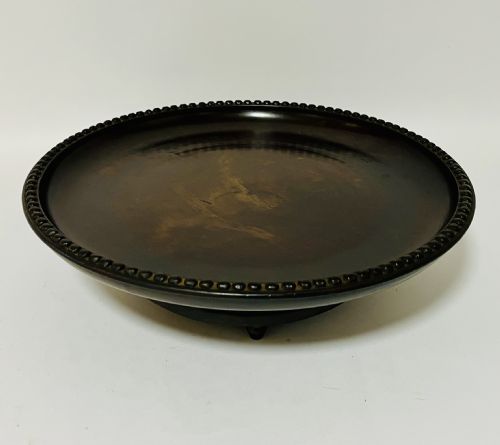
Many carved fruit items served as decorative centrepieces in dining rooms or parlours, often displayed in wooden bowls, troughs, or tazzas.
Other pieces functioned as architectural wall reliefs, sewing cases, or components of larger furnishings such as sideboards and mirrors.
How do I identify Black Forest carvings?
Black Forest pieces are typically rendered in dark walnut or fruitwood, featuring deeply undercut foliage, animals, and realistic fruit displays.
They often originate from Swiss or German workshops active during the Victorian era and the late nineteenth century.
How should I care for carved wood?
Keep carved wooden objects away from direct sunlight and dramatic changes in humidity to prevent the timber from splitting or warping.
Dust gently with a dry, soft cloth, avoiding commercial polishes that can build up within intricate carved recesses.