





Carved Wood Finials
These carved wood finials are architectural and furniture elements that lend historic character to a room.
Carved Wood Finials
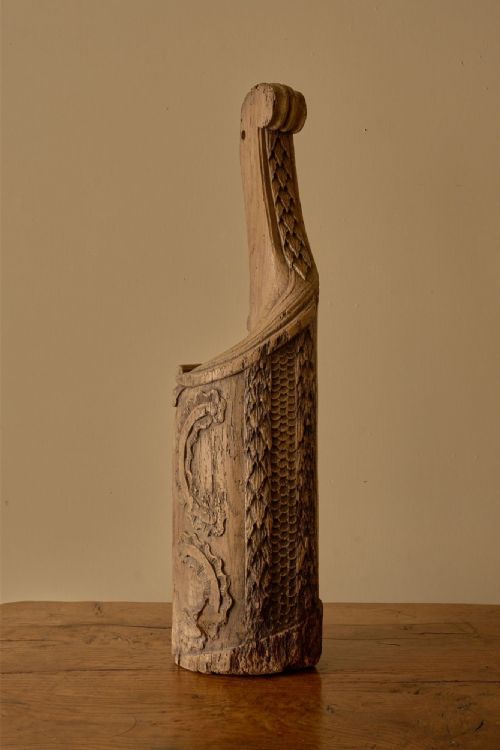
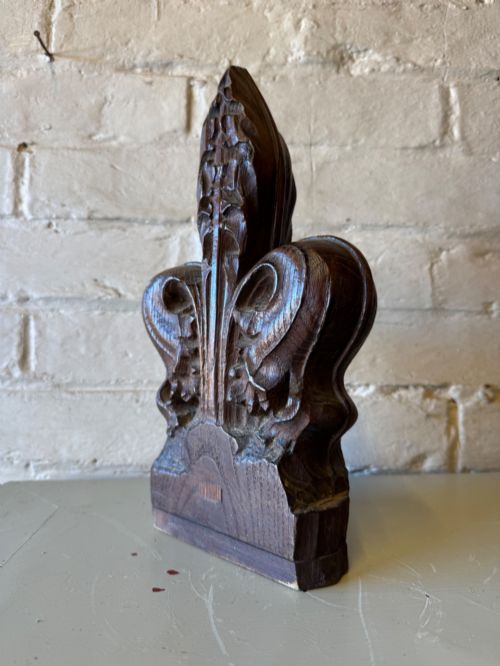
When you search for carved wood finials, you are looking at architectural elements and furniture components that once crowned posts, mirrors, and panels. The pieces on this page span several centuries, including 17th-century oak and 18th-century Gothic examples.
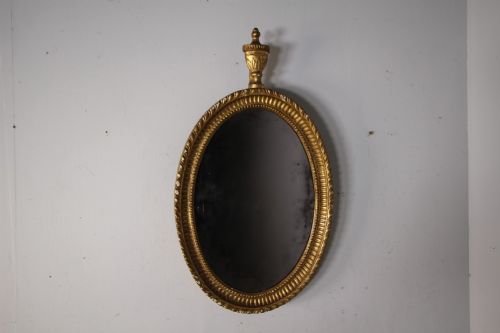
You are most likely to meet oak and giltwood items derived from larger furnishings and architectural salvage. These range from early poppy head carvings to later architectural fragments and mirror crestings.
How they were made
The makers of these items worked primarily in solid oak and mahogany, shaping the dense timber with gouges and chisels. Many surfaces received a layer of gesso before being finished with gold leaf or left as bare timber.
Joining techniques relied on traditional pegged mortise and tenon joints or simple turned dowels to secure the finial to its original post or pediment.
Carved Wood Finials Retail Price Guide 2026
Typical asking prices for carved wood finials among the pieces listed under this phrase on Sellingantiques today, from the lower quarter to the upper quarter. They describe what is for sale here now, not the wider market.
Listings for carved wood finials span the 17th, 18th, and 19th centuries, utilising materials such as oak, mahogany, and giltwood.
What varies in quality
The distinction between ordinary and superior pieces rests on the crispness of the hand-carving and the depth of the relief work. Finer examples display confident tool marks and balanced proportions that reflect the skill of the original carver.
Conservation history also plays a role in the overall standard, as untouched timber surfaces retain more character than heavily restored or later re-carved elements.
The Carved Wood Finials Glossary
- Finial
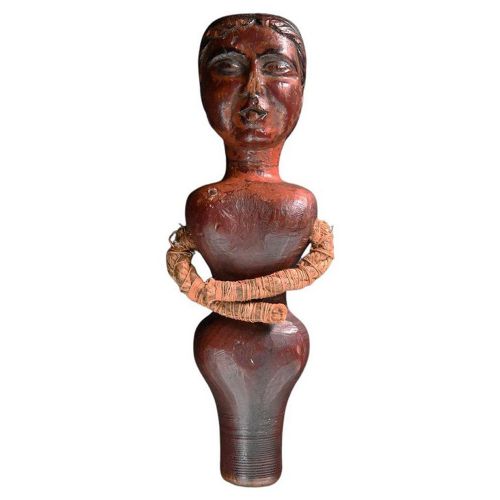
- A decorative ornament that terminates the peak of a roof, canopy, furniture post, or mirror frame. They often take the form of urns, foliage, or figural carvings.
- Newel post
- The principal post at the foot or landing of a stair, frequently capped with a substantial carved finial.
- Poppy head
- An ornamental finial, typically found in Gothic church woodwork, shaped like a stylised bud or leaf motif.
- Giltwood
- Timber that has been coated with gold leaf over a prepared gesso ground. It appears frequently on 18th-century mirror frames and decorative carvings.
- Architectural salvage
- Building components rescued from demolition or alteration for reuse in interior decoration.
Carved Wood Finials: Frequently Asked Questions
Where were carved wood finials placed?
These decorative elements typically sat atop furniture posts, stair newels, and mirror pediments. They marked the termination point of vertical supports.
In ecclesiastical and domestic architecture, they anchored the corners of paneling and architectural joinery.
How do I date an oak finial?
Dating relies on tool marks, timber shrinkage, and stylistic indicators such as Gothic or Jacobean carving conventions. Early pieces often show hand-adzed or pit-sawn surfaces.
Comparing the wear patterns and oxidation of the wood against known period examples helps confirm the age.
Can I mount a loose finial?
Most loose finials feature an integrated dowel or threaded peg for insertion into a pre-bored hole on a furniture post. New fixings can be discreetly added if necessary.
Care should be taken not to split historic timber when securing them to modern mounts.
What is the difference between oak and giltwood finials?
Oak finials rely on the natural grain and deep relief carving of the hardwood for their visual impact. They belong predominantly to earlier centuries.
Giltwood items combine carved timber with metallic leaf, offering a brighter decorative finish often associated with Georgian mirrors and frames.