
Carved Wood Dresser
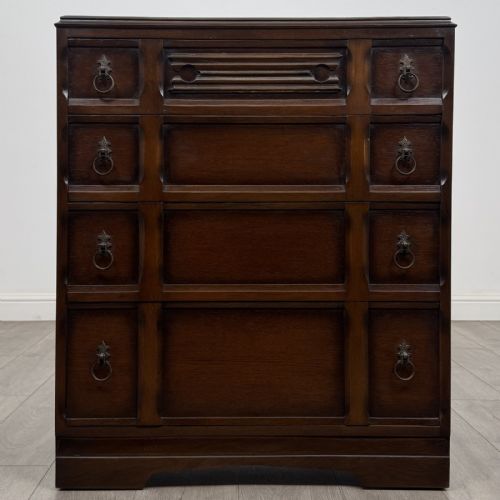
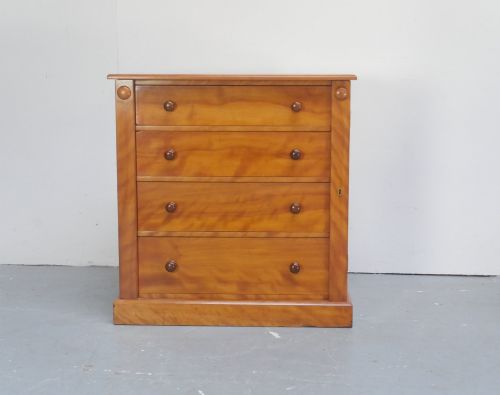
These pieces of carved wood dresser encompass robust oak and mahogany storage forms shaped by centuries of British and European cabinet-making.
Carved Wood Dresser
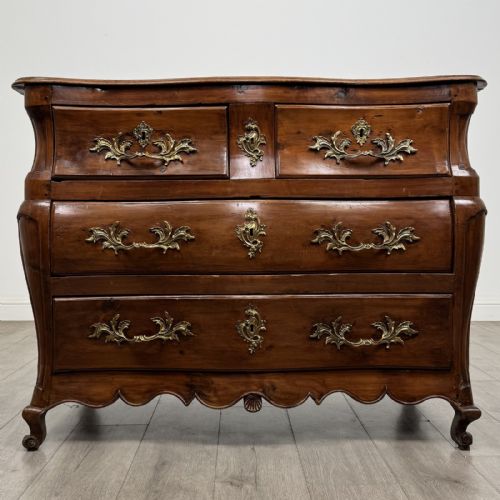
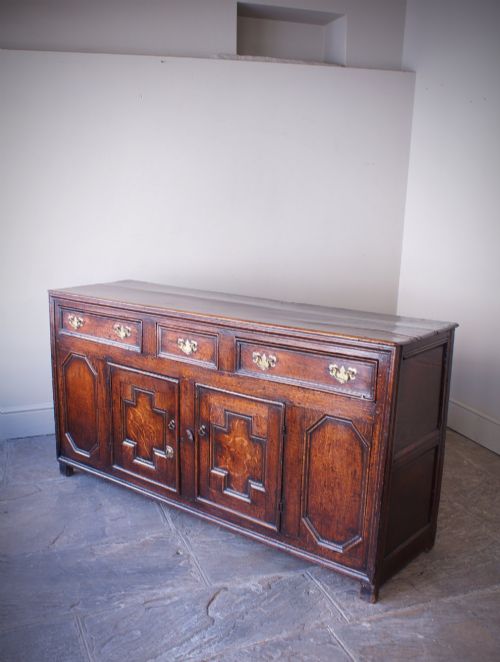
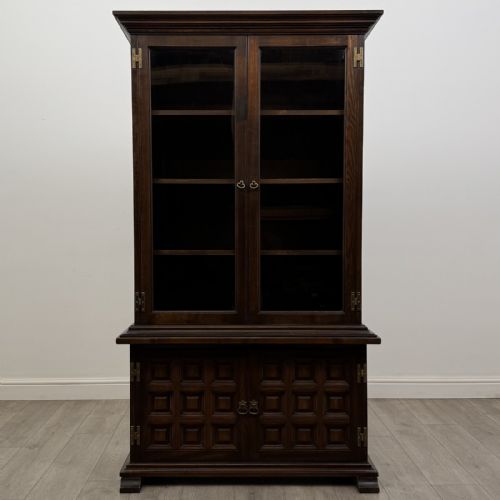
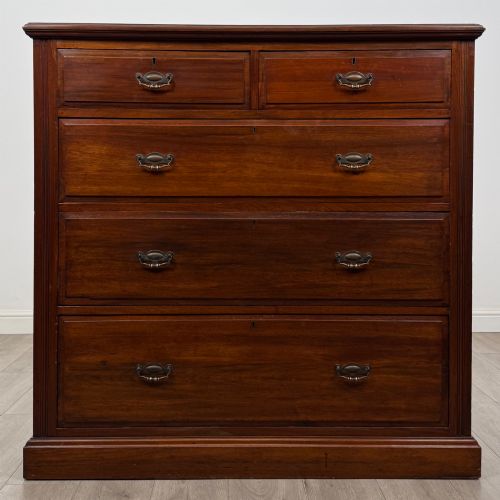
A carved wood dresser brings substantial presence and functional storage to domestic interiors through various historical forms. Buyers exploring this category encounter a diverse selection ranging from early seventeenth-century dresser bases to later Edwardian and Victorian sideboards, chests of drawers, and display cabinets.
The material record shows a strong prevalence of solid oak and mahogany alongside walnut, cherry, and burr elm. English, French, and American origins appear across the listings, with revival styles such as Jacobean, Gothic, and Arts and Crafts heavily represented in the decorative motifs.
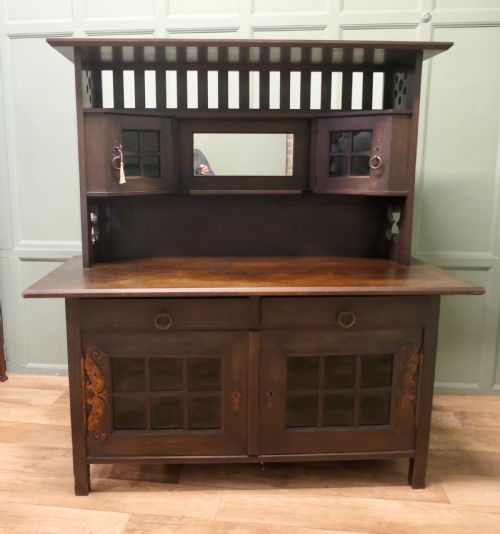
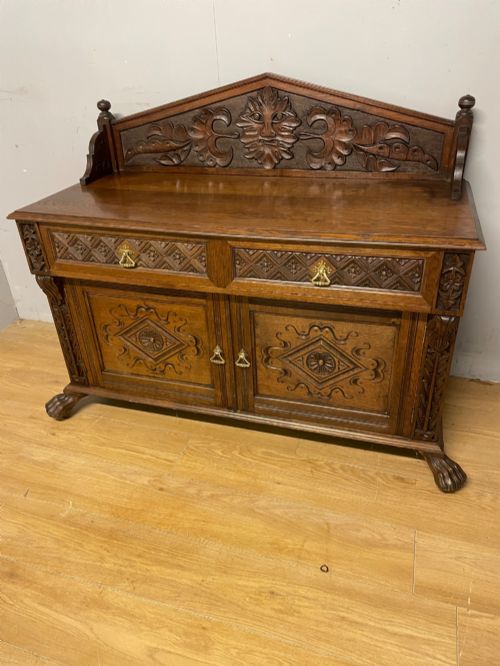
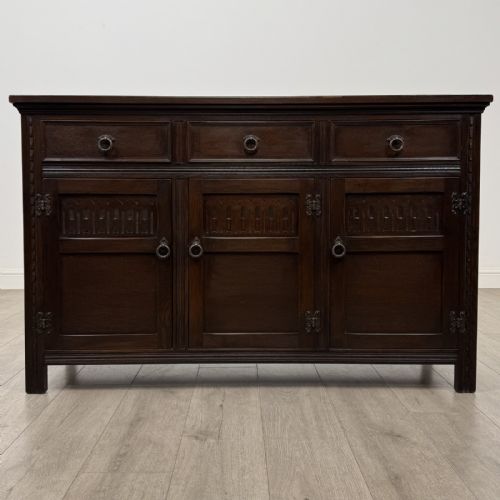
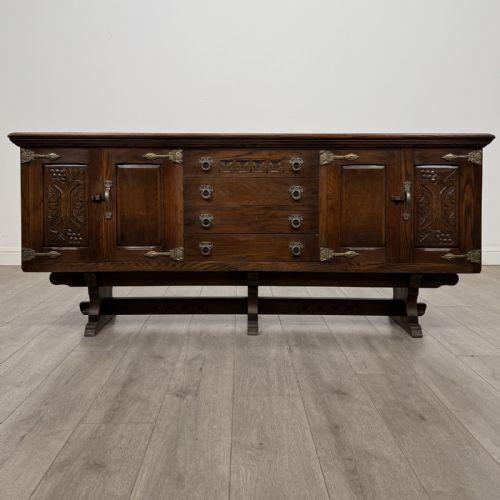
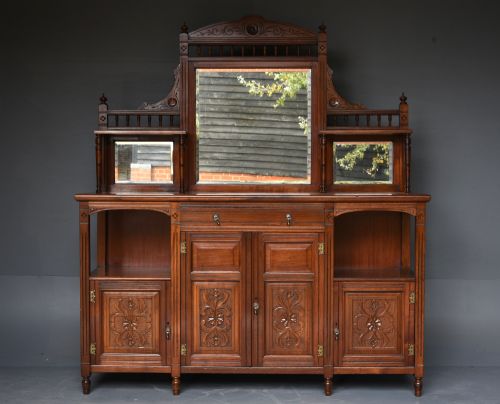
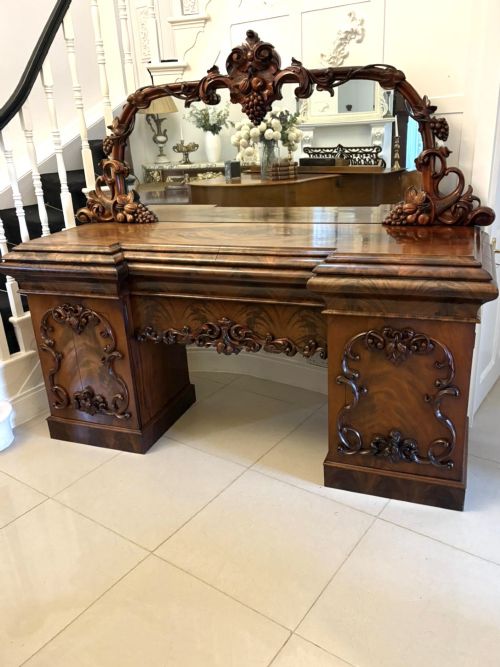
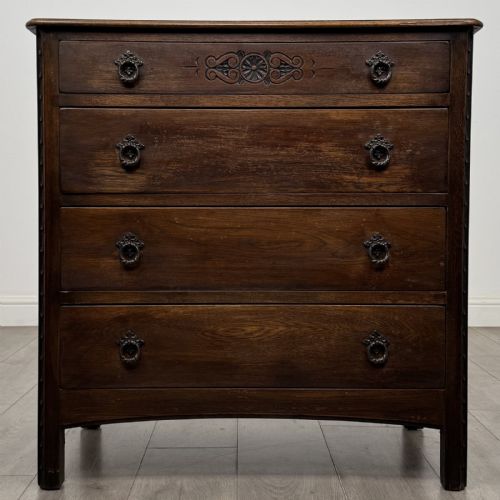
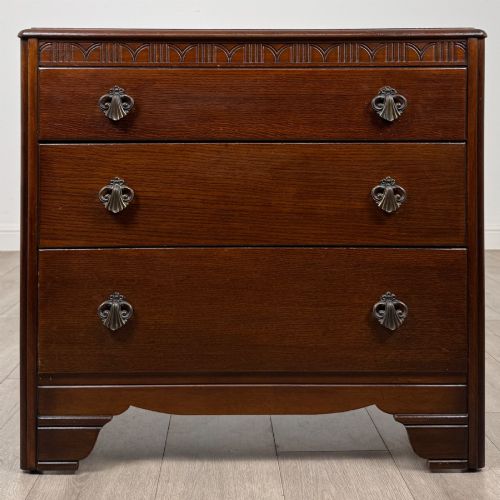
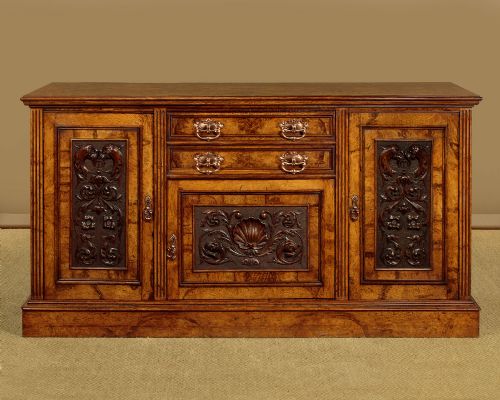
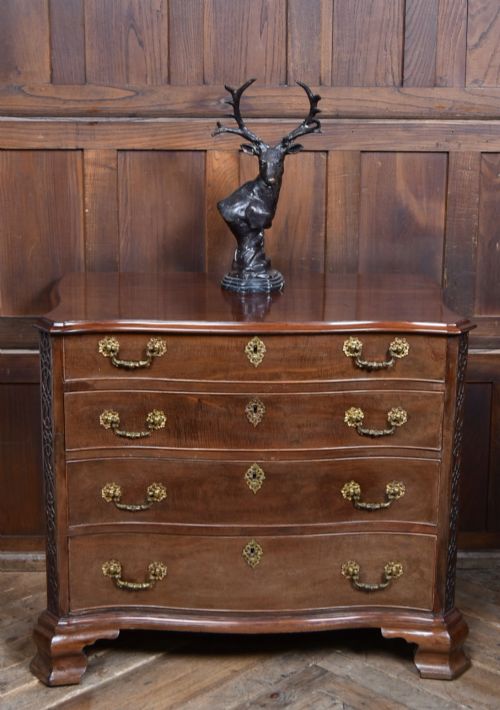
Chest of drawers and sideboard configurations dominate the current selection, frequently incorporating carved panels, raised galleries, stretcher bases, and mirror backs. The heavy carving on many examples reflects specific revival movements and regional hunting cabinet traditions.
What varies in quality
Quality separates through the depth and crispness of the hand-carved detail and the selection of figured or pollard timbers. Superior examples exhibit harmonious proportions, clean integration of added mirror backs or galleries, and robust joinery that maintains structural integrity across large sideboards and chests.
The handling of secondary woods and the precision of drawer construction distinguish standard production items from exceptional cabinet-maker commissions. Finer pieces retain original hardware and unaltered surfaces where the grain of the oak or mahogany remains prominent beneath the finish.
The listings span periods from the 17th century through the Edwardian era, featuring materials like oak, mahogany, walnut, and cherry.
Leonard Wyburd for Liberty & Co.
The Carved Wood Dresser Glossary
- Dresser base
- A low wooden storage unit with drawers, lacking the upper shelving tiers typical of a traditional kitchen dresser. These early forms served essential service and storage functions in historic dining rooms and halls.
- Mirror back
- An upright wooden frame holding a large mirror plate attached to the rear of a sideboard or credenza. This feature gained widespread popularity during the Victorian period to reflect light and display decorative objects.
- Stretcher base
- A system of horizontal wooden bars connecting the lower legs of a table, cabinet, or dresser. This construction method provides additional stability to heavy oak and walnut furniture.
- Green man
- A sculptural architectural ornament depicting a human face surrounded by or entwined with leaves, vines, and foliage. This motif appears frequently on nineteenth-century revival oak carving.
- Raised gallery
- A low decorative wooden upstand fixed to the top rear edge of a chest of drawers or sideboard. It prevents items from sliding off the surface and frames the upper profile.
Carved Wood Dresser: Frequently Asked Questions
What distinguishes a dresser base from a standard sideboard?
A dresser base typically originates from earlier vernacular traditions, featuring open or enclosed lower storage designed for utility in country houses and halls. Sideboards evolved later into more formal dining room furniture often incorporating decorative mirror backs and cellarette drawers.
Both forms utilise heavy timbers like oak and mahogany, but their proportions and internal layouts reflect the different domestic requirements of their respective centuries.
How do I identify a Victorian piece from an Edwardian one?
Victorian examples often display heavier, more exuberant carving with dark finishes, mirror backs, and substantial proportions influenced by Gothic and Jacobean revivals. Edwardian pieces tend to introduce lighter framing, simpler lines, and varied revival styles such as Arts and Crafts or Sheraton influences.
Examining the secondary woods and interior drawer construction also helps clarify the manufacturing decade.
Where should I place a large carved sideboard in a modern home?
A substantial carved oak or mahogany sideboard functions effectively as a focal point in a dining room, hallway, or spacious living area. Its deep drawers and surface area provide practical storage for tableware or linens while anchoring the room's decorative scheme.
Ensure adequate wall space and clearance for doors and drawers before positioning these heavy timber forms.
How should I care for antique oak and mahogany furniture?
Maintain these wooden surfaces by keeping them away from direct heat sources and strong sunlight, which can dry out the timber and fade the polish. Regular dusting with a soft, dry cloth preserves the finish without requiring heavy chemical polishes.
Applying a traditional beeswax occasionally helps nourish older wood and maintains its natural lustre.