


Carved Wood Display Unit
A carved wood display unit brings together practical storage and decorative timberwork from the nineteenth and early twentieth centuries.
Carved Wood Display Unit
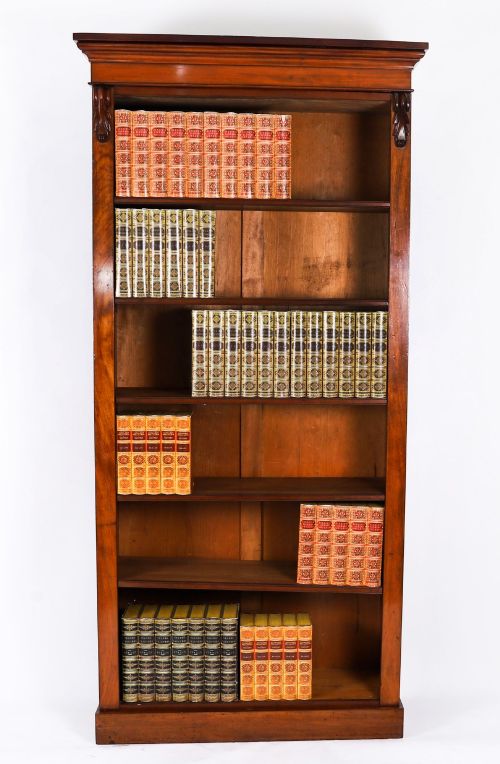
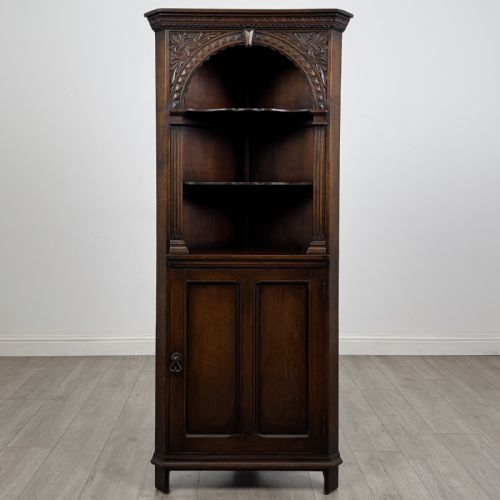
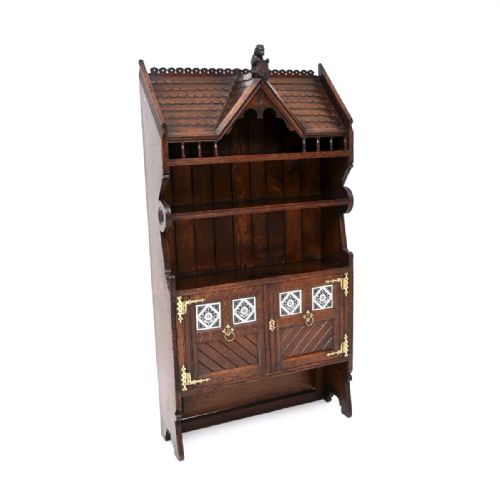
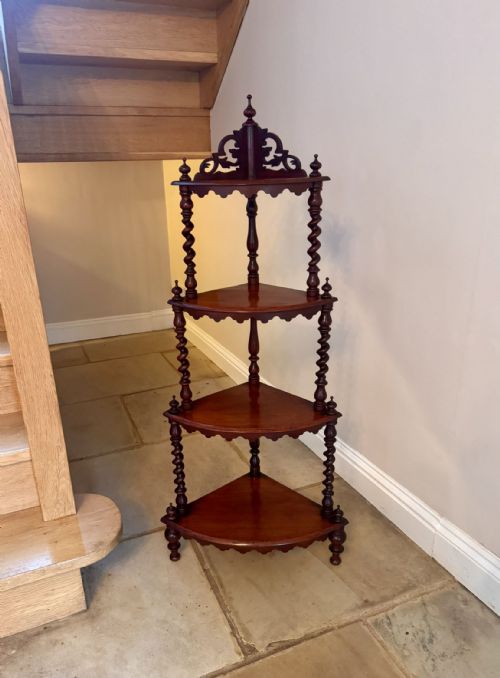
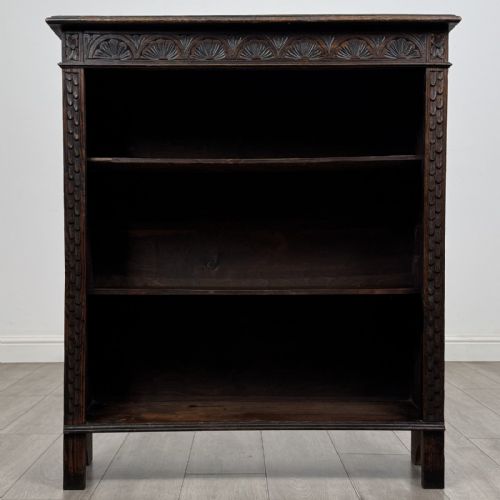
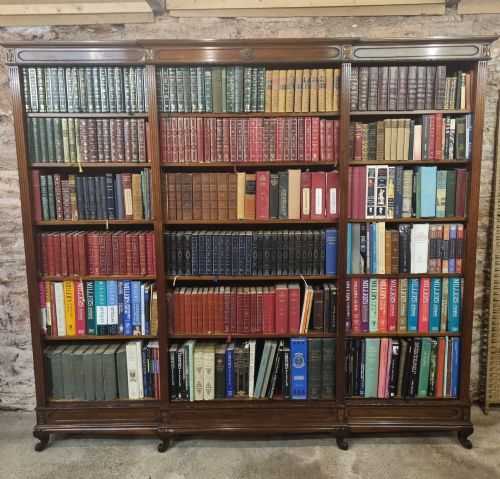
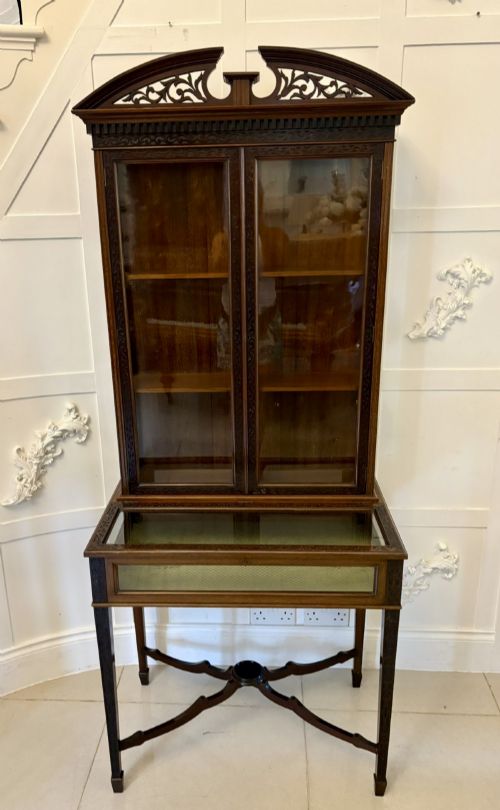
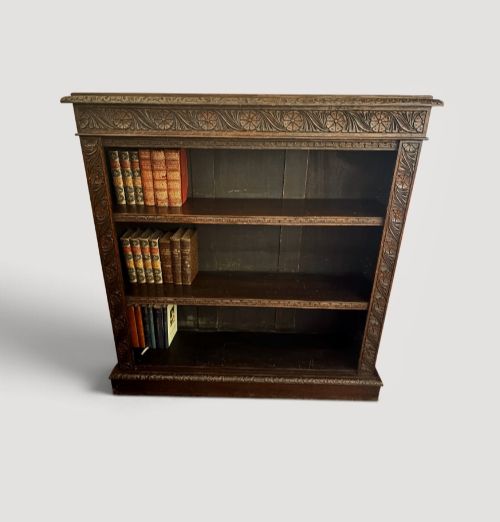
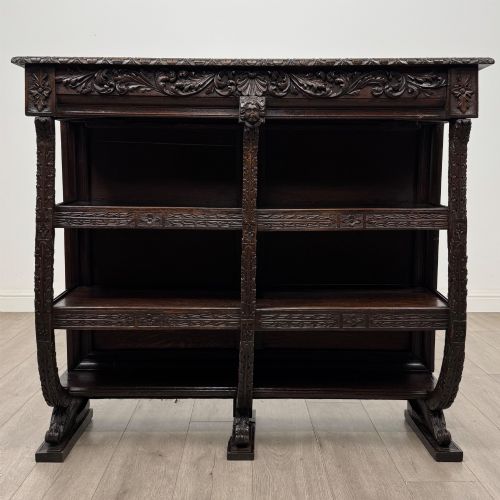
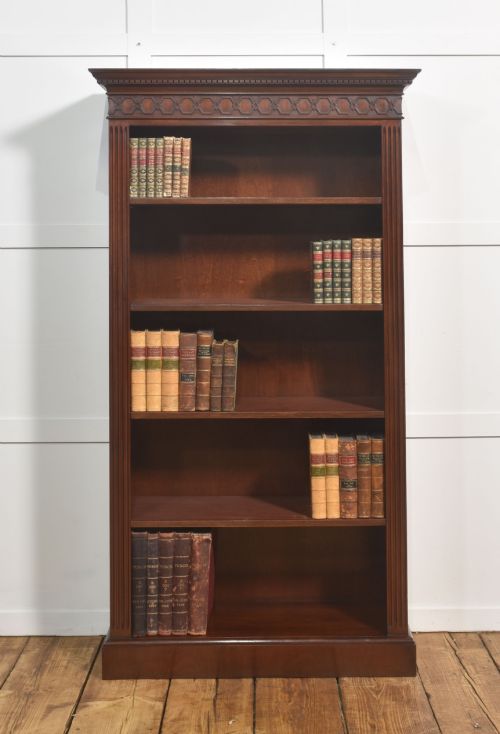
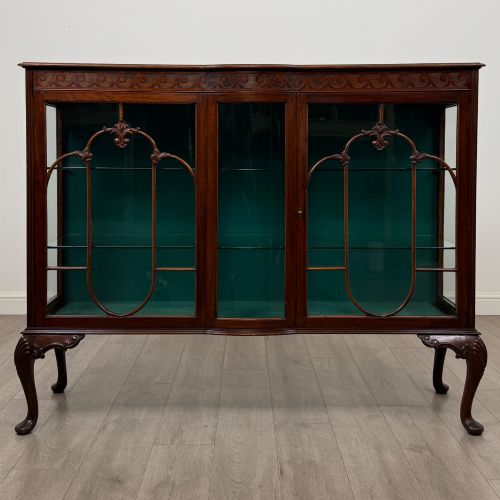
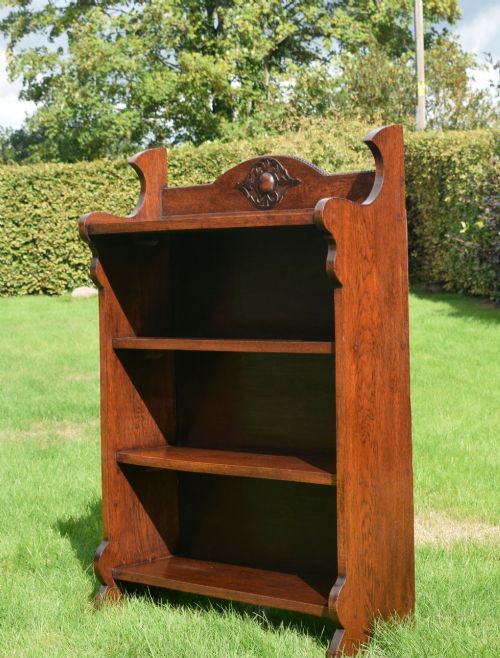
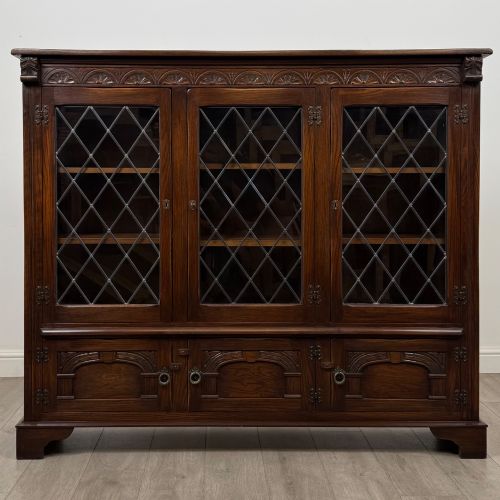
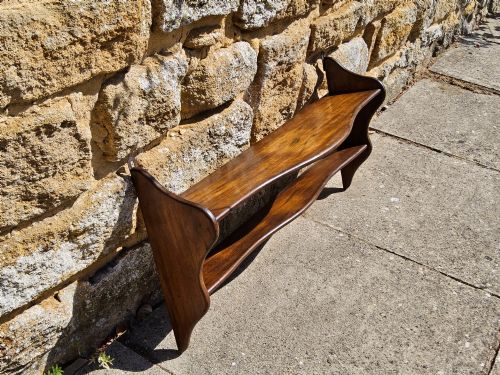
A carved wood display unit encompasses a variety of forms designed to hold books, ceramics, or small ornaments. The selections span open bookcases, enclosed display cabinets, wall shelves, and multi-tiered whatnots.
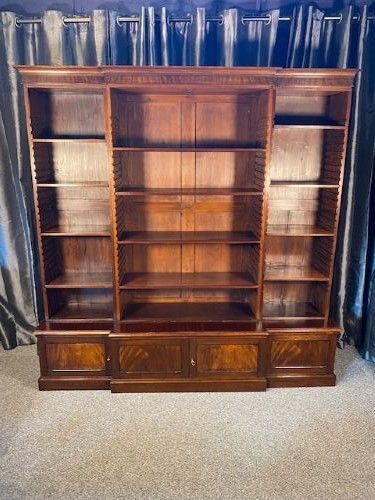
Victorian and Edwardian versions dominate the offerings, frequently rendered in mahogany, oak, or walnut. Pieces range from modest corner shelves to large breakfront bookcases and specialised bijouterie cabinets.
Origins stretch beyond standard British furniture to include Anglo-Indian padauk pieces, Japanese Meiji period cabinets, and Sorrento inlaid olive wood items. These provide alternative carving traditions and exotic timber selections within the same functional category.
How they were made
Construction relies heavily on dense hardwoods such as mahogany, oak, walnut, and rosewood, often selected for their grain and structural stability. Secondary woods like pine appear in internal framing and drawer linings.
Carving and joinery define the surface decoration, varying from geometric Jacobean revival motifs to flowing Chippendale revival flourishes. Glass panels, leaded doors, and brass fittings are integrated into cabinets and bijouterie units to protect and display the contents.
Carved Wood Display Unit Retail Price Guide 2026
Typical asking prices for carved wood display unit among the pieces listed under this phrase on Sellingantiques today, from the lower quarter to the upper quarter. They describe what is for sale here now, not the wider market.
Listings feature items constructed from mahogany, oak, walnut, rosewood, pine, padauk, and olive wood.
What varies in quality
The degree of hand-carved detail and the selection of timber figures, such as burr walnut or figured mahogany, distinguish standard items from finer examples. Cabinet work incorporating specialised elements like adjustable shelving, leaded glass, or inlaid Sorrento wood demonstrates greater workshop skill.
Proportion and structural integrity separate robustly built library bookcases from lighter decorative wall shelves or étagères. Maker attribution, as seen in pieces originating from established firms like Edwards & Roberts, elevates the standing of a unit.
John Moyr Smith·Edwards & Roberts
The Carved Wood Display Unit Glossary
- Whatnot
- A multi-tiered piece of freestanding furniture used for displaying ornaments or books, popular throughout the nineteenth century.
- Bijouterie cabinet
- A glazed display case specifically designed for small valuable objects and curiosities.
- Breakfront
- A piece of furniture featuring a central section that projects forward from the flanking sections.
- Étagère
- A set of open shelves for displaying small objects, often standing freely or mounted to a wall.
- Padauk
- A heavy tropical hardwood with a reddish hue, utilised in Anglo-Indian furniture production.
Carved Wood Display Unit: Frequently Asked Questions
How do I use a corner cabinet?
Corner cabinets and shelves utilise awkward room junctions to provide extra display or storage space without crowding a floor plan.
They work well in dining rooms or studies for holding china, books, or small collections.
What distinguishes a bijouterie cabinet?
A bijouterie cabinet incorporates glass panels on the top and sides to allow items to be viewed from multiple angles.
These units were traditionally used in drawing rooms to exhibit small valuables, medals, or trinkets.
How can I tell a Victorian bookcase from an Edwardian one?
Victorian bookcases tend to feature heavier timbers, darker finishes, and denser carving, reflecting nineteenth-century tastes.
Edwardian pieces often appear lighter in construction, occasionally utilising satinwood inlay or cabriole legs influenced by earlier revival styles.