
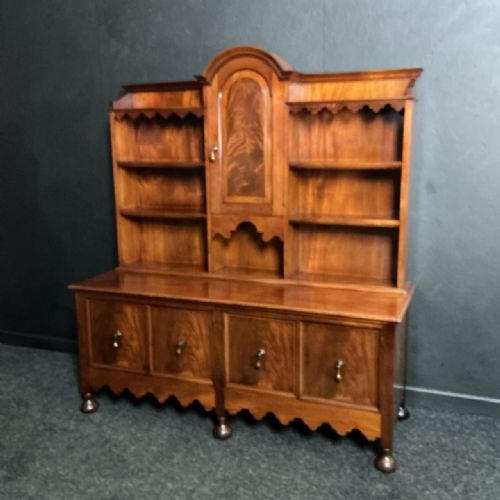
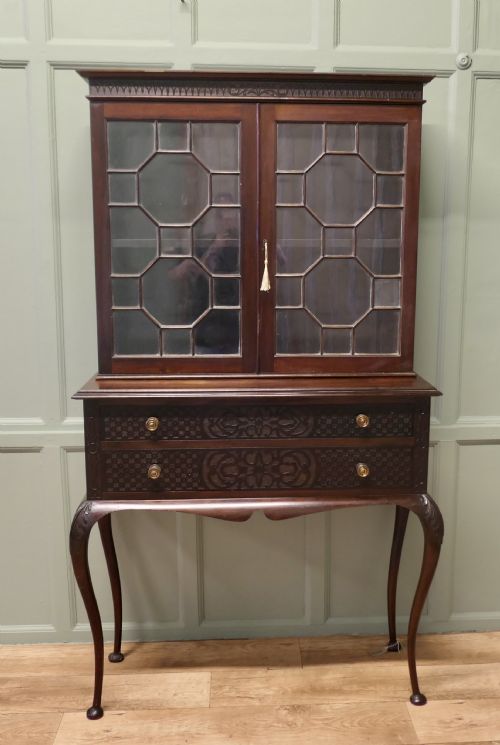
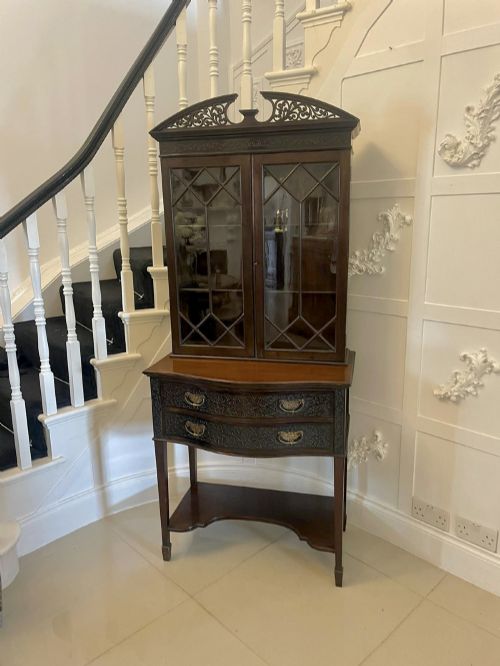
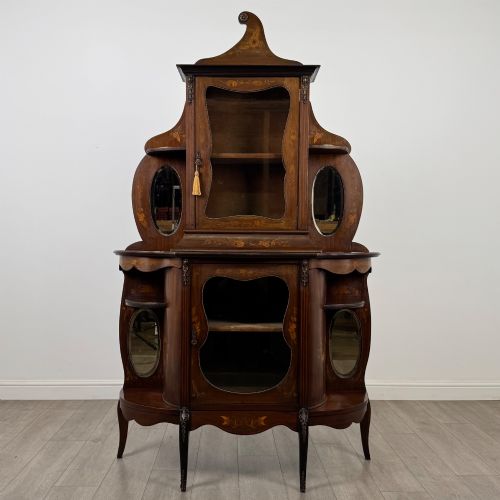
Carved Wood Display Cabinet
A carved wood display cabinet brings warmth and structure to a room while holding porcelain and books securely behind glass.
Carved Wood Display Cabinet
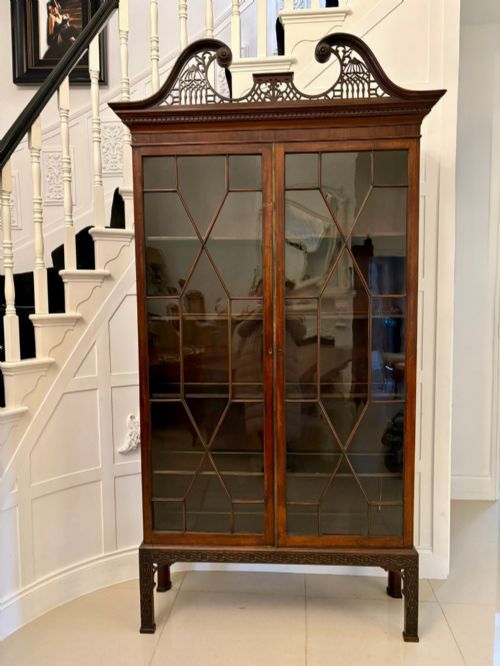
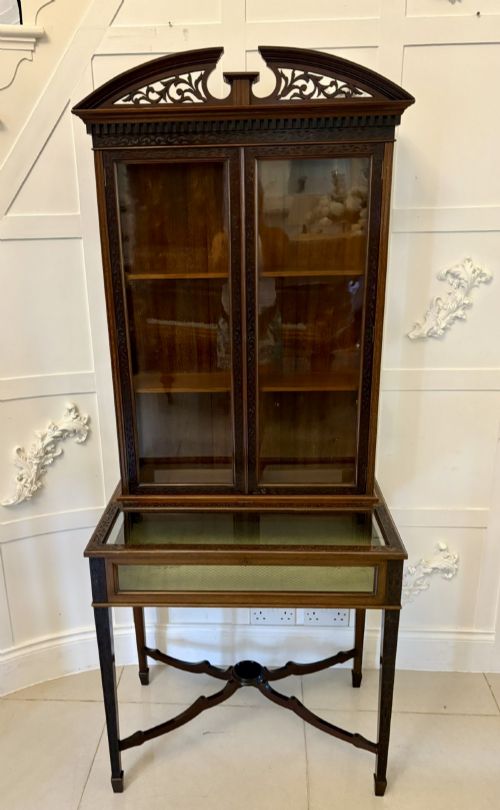
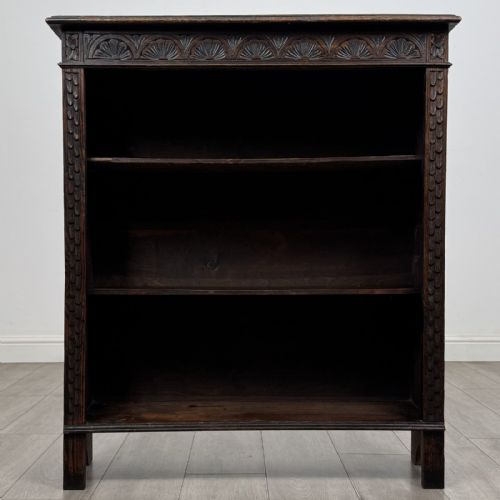
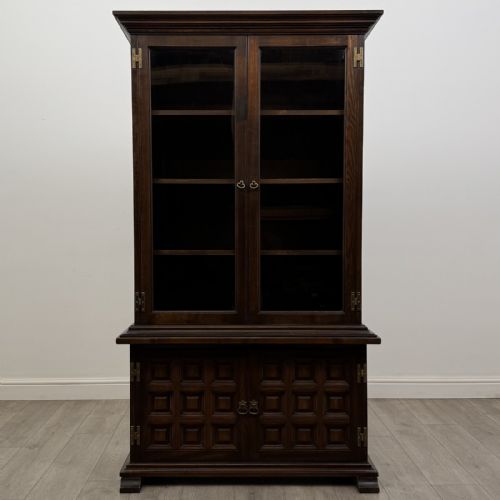
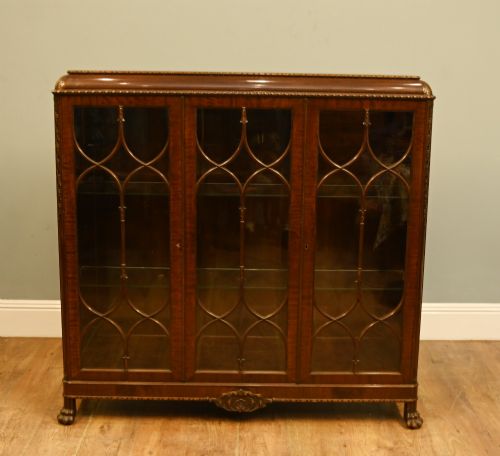
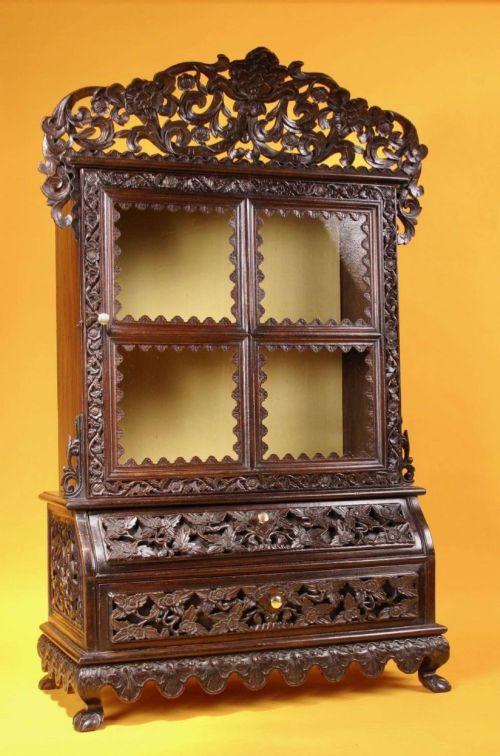
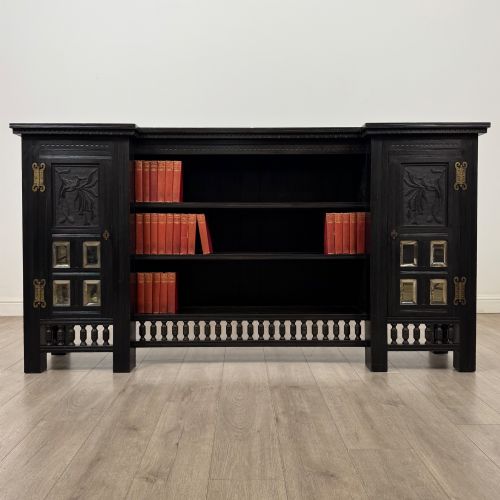
A carved wood display cabinet is a storage piece designed primarily to exhibit objects of interest behind glazed doors or within open shelving. When searching for a carved wood display cabinet, buyers frequently encounter Victorian, Edwardian, and nineteenth-century examples alongside specific revival styles like Chippendale and Jacobean.
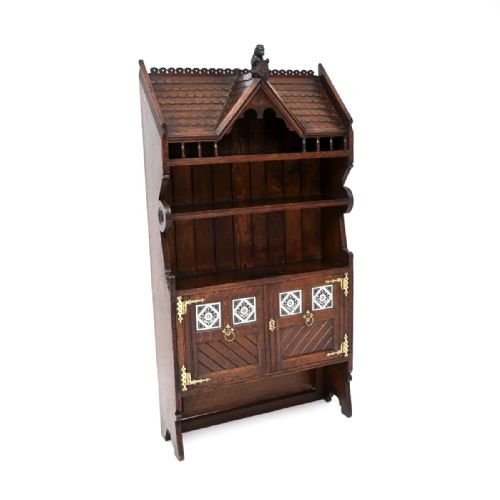
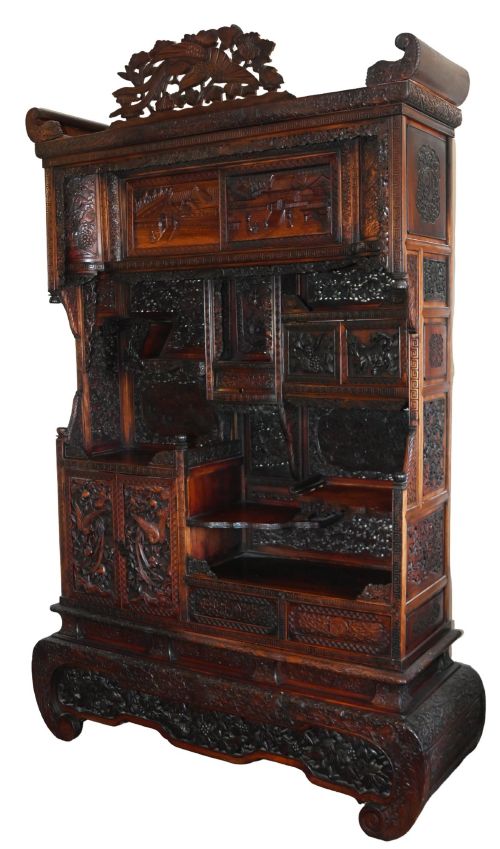
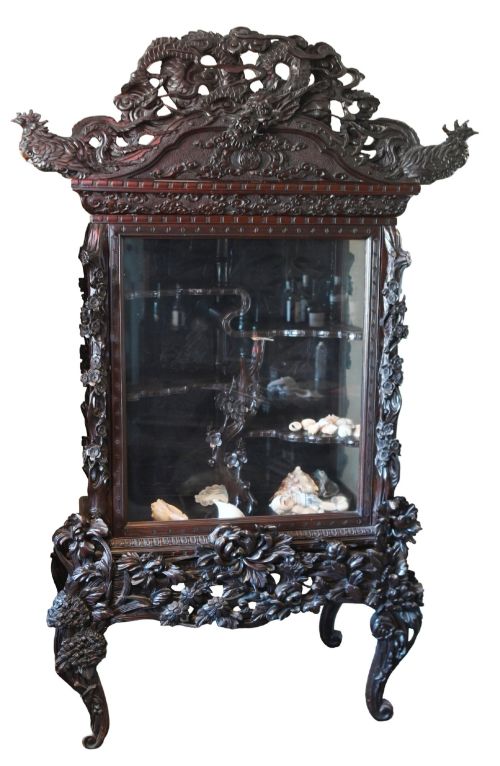
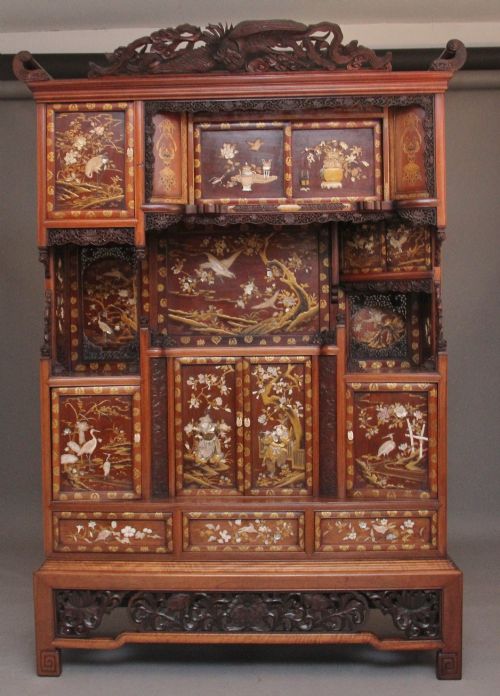
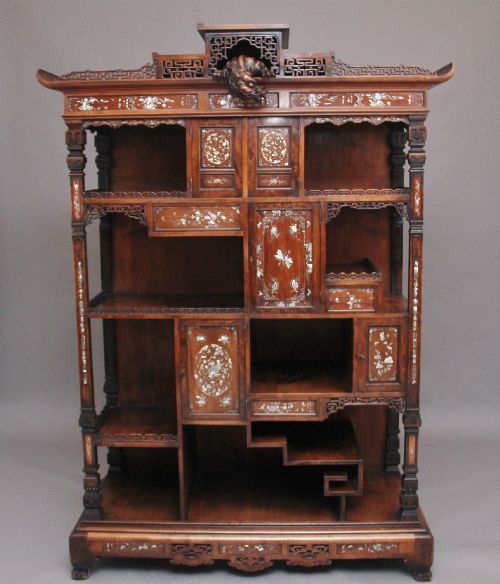
The form ranges from tall bookcases with astral glazing to small corner cabinets, bijouterie tables, and Japanese shodonas. Mahogany and oak dominate the offerings, often complemented by walnut, rosewood, and various hardwoods.
Most pieces date from the nineteenth and early twentieth centuries, reflecting diverse regional aesthetics from British revival designs to continental and Japanese workmanship.
Materials and construction methods
Cabinet makers utilised dense timbers such as mahogany, oak, walnut, and rosewood to construct the structural carcasses and decorative facades. These woods provided both the stability required for large glazed doors and the firm base necessary for intricate hand-carved panels.
Glass panels were secured within wooden frames using glazing bars, while brass fittings, mother of pearl inlay, and leaded glass frequently appeared as decorative enhancements. Joinery relied on traditional methods to support heavy shelving and mirrored backs.
Several cabinets include hidden compartments behind carved panels, originally intended for stashing private letters or small family heirlooms.
Assessing quality in construction and design
Quality rests in the crispness and depth of the hand-carved ornamentation, the selection of figured timber veneers, and the integrity of the original glass. Pieces featuring complex fretwork, well-fitted drawers, and substantial brass hardware distinguish themselves from simpler utilitarian examples.
The proportion of the architectural elements, such as swan neck pediments and cabriole legs, dictates the visual success of the cabinet. Original finishes and intact glazing bars further elevate the standing of an individual piece.
John Moyr Smith·Gabriel Viardot
The Carved Wood Display Cabinet Glossary
- Astral glazing
- A method of dividing glass panes within a door using thin wooden bars arranged in geometric patterns. This technique provides structural support while offering an unobstructed view of the interior shelves.
- Shodona
- A type of multi-tiered Japanese display cabinet featuring asymmetrical shelving and closed cupboards. These pieces often incorporate elaborate carved hardwood and influenced nineteenth-century European aesthetic movements.
- Bijouterie cabinet
- A specialised display case with glass panels on the top and sides, designed specifically for showcasing small valuables, jewellery, and curiosities.
- Pediment
- The decorative architectural structure surmounting the top of a bookcase or cabinet. Common variations include swan neck and broken pediment designs.
- Fretwork
- Ornamental perforated woodwork created by cutting patterns through thin timber boards. It appears frequently on galleries, brackets, and friezes of Victorian furniture.
Carved Wood Display Cabinet: Frequently Asked Questions
What is a carved wood display cabinet used for?
These cabinets serve to protect and exhibit collections of ceramics, glassware, books, and small decorative items behind glass doors. They keep dust away from delicate objects while allowing them to remain visible in principal living spaces.
Many examples include adjustable wooden shelves to accommodate items of varying heights, alongside lower enclosed cupboards for additional storage.
How do I date a Victorian display cabinet?
Dating relies on observing a combination of timber selection, construction techniques, and stylistic revivals. Mid-nineteenth-century pieces often utilise solid mahogany with heavy carved mouldings, whereas later Victorian items may incorporate ebonised details or lighter satinwood inlay.
Hardware types, drawer dovetailing, and the presence of registration marks can also help narrow the decade of manufacture.
How should I care for an antique wood cabinet?
Maintain a stable room temperature away from direct sunlight and heat sources to prevent the timber from warping or splitting. Regular dusting with a soft, dry cloth preserves the finish without requiring heavy polishes.
Check the stability of adjustable shelf supports periodically and treat the wood with appropriate microcrystalline wax sparingly when the surface appears dry.