

Carved Wood Dining Furniture
These carved wood dining furniture pieces bring genuine period character to a room, ranging from robust oak tables to graceful rosewood chairs.
Carved Wood Dining Furniture
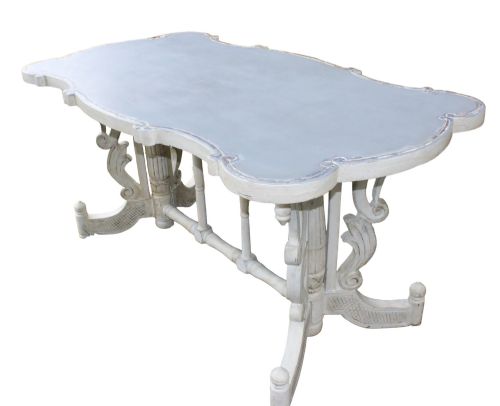
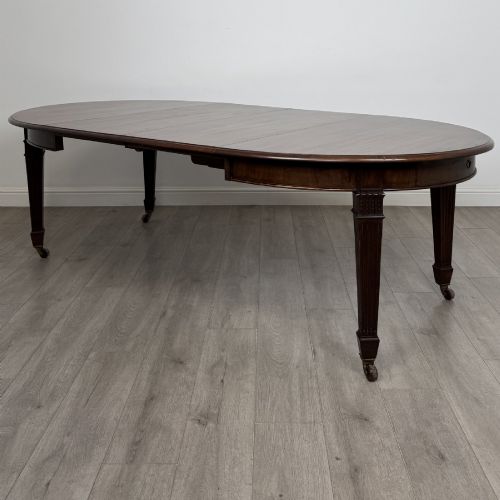
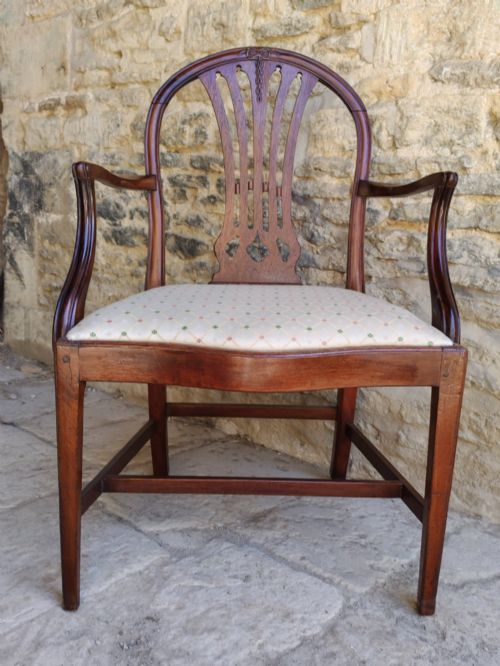
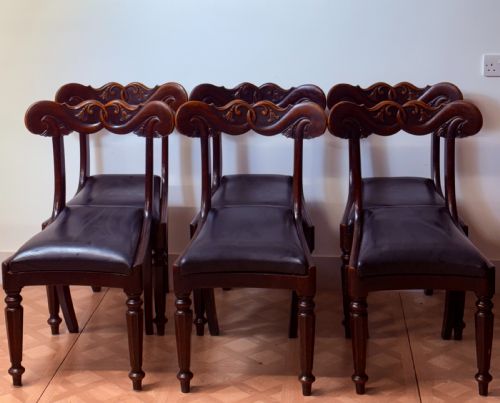
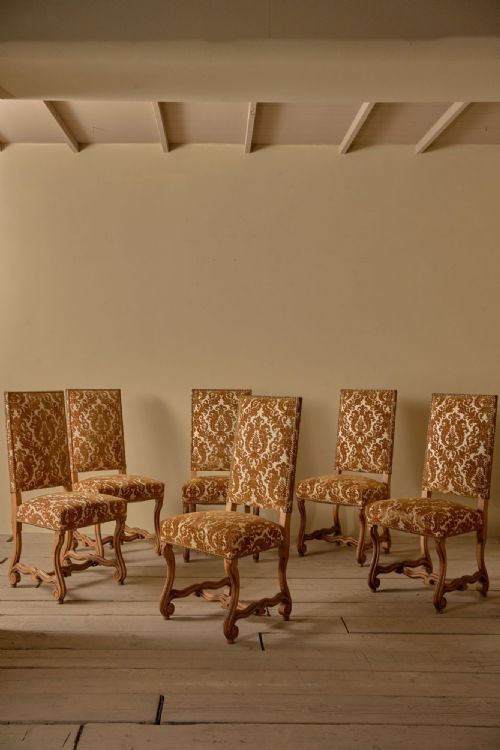
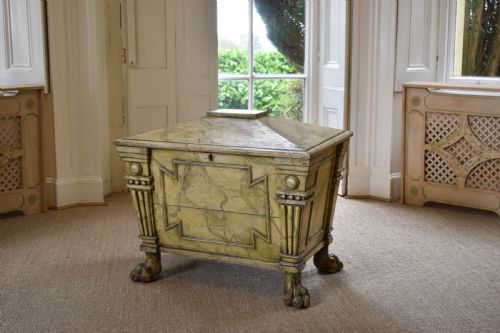
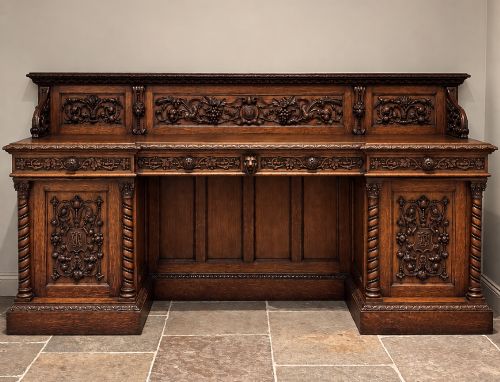
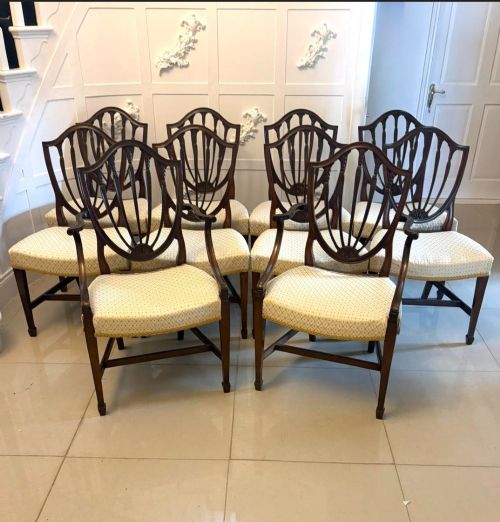
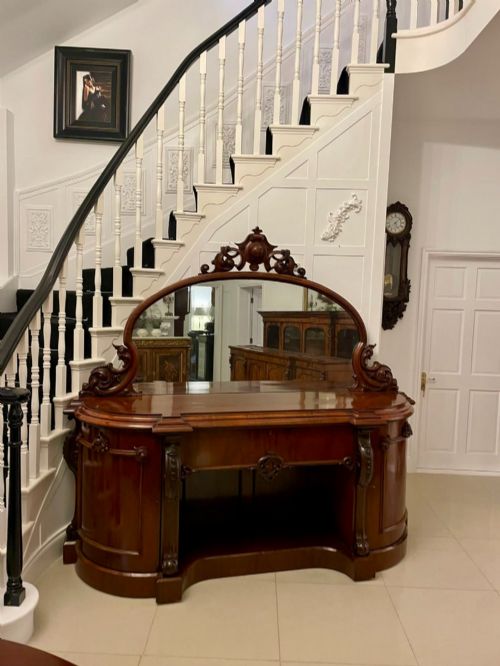
When searching for carved wood dining furniture, buyers encounter a diverse selection of seating and dining surfaces spanning multiple centuries. The inventory includes formal sets of dining chairs alongside substantial extending tables and large sideboards designed for storage and display.
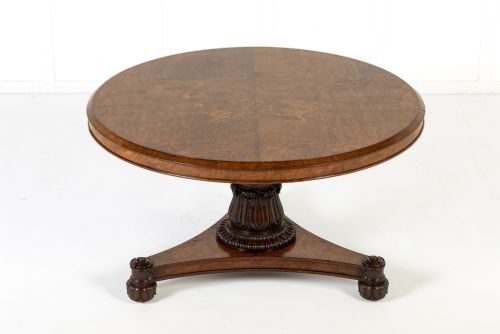
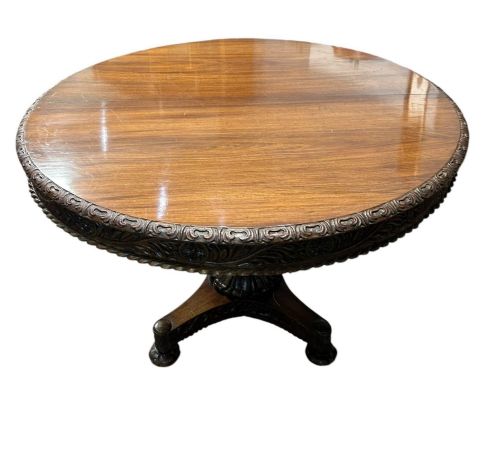
The selection ranges from eighteenth-century George III mahogany chairs to Edwardian mahogany dining tables and Victorian rosewood centre tables. Regional and international influences appear frequently, featuring Anglo-Indian, Burmese, and Chinese pieces alongside traditional British craftsmanship.
How they were made
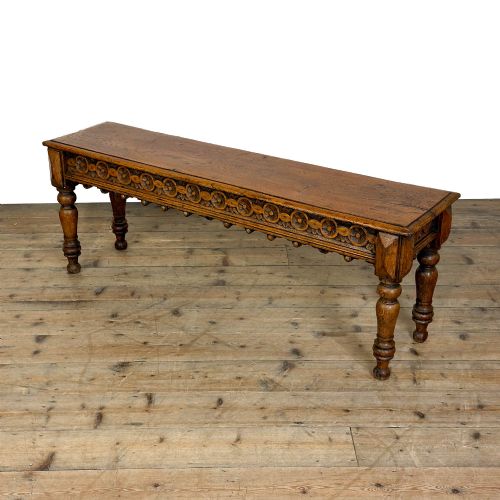
Cabinet makers utilised dense hardwoods such as mahogany, rosewood, walnut, and oak to construct these items. Many surfaces incorporate intricate hand carving, geometric panels, or marquetry details executed directly into the timber.
Tables often feature tilt mechanisms, pillar supports, and drop-leaf designs, while seating incorporates upholstered pads in fabric, leather, or velvet. Additional structural integrity is provided by brass fittings and sturdy joinery techniques suited to heavy daily use.
Carved Wood Dining Furniture Retail Price Guide 2026
Typical asking prices for carved wood dining furniture among the pieces listed under this phrase on Sellingantiques today, from the lower quarter to the upper quarter. They describe what is for sale here now, not the wider market.
What varies in quality
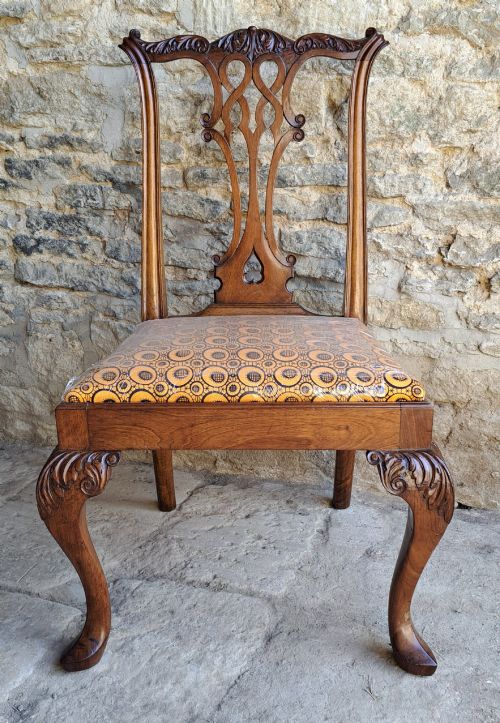
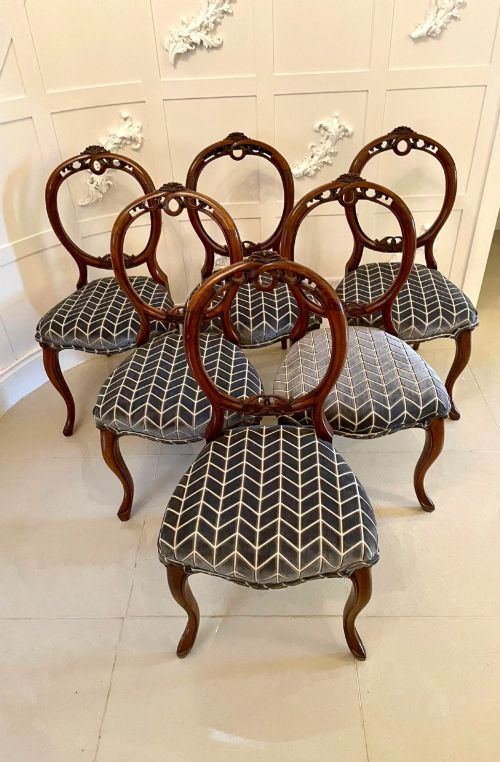
The depth and crispness of the hand-carved details distinguish finer items from simpler production pieces. Crisp lines on shield backs, balloon backs, and cabriole legs indicate skilled execution by the maker.
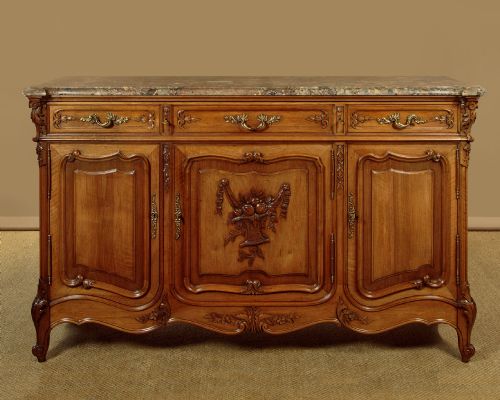
The choice of primary timber and secondary framing woods affects the overall substance of each piece. Superior examples retain matching grain patterns across large surfaces such as sideboard doors and table leaves.
Maple and Co·Wheelers of Arncroach
The Carved Wood Dining Furniture Glossary
- Cabriole leg
- A furniture leg that curves out and then in, resembling an animal's front leg. This form often terminates in hoof or claw feet on eighteenth-century tables.
- Shield back
- A chair back shaped like a heraldic shield, popular in late eighteenth-century dining chair designs. This style often incorporates intricate carved splats.
- Tilt top
- A table top hinged to a pillar support so it can be tilted vertically when not in use. These mechanisms are common on nineteenth-century rosewood centre tables.
- Marquetry
- The art of applying decorative veneer pieces to a structure to form geometric or pictorial designs. This technique adds ornamental surface patterns to side chairs and tables.
- Balloon back
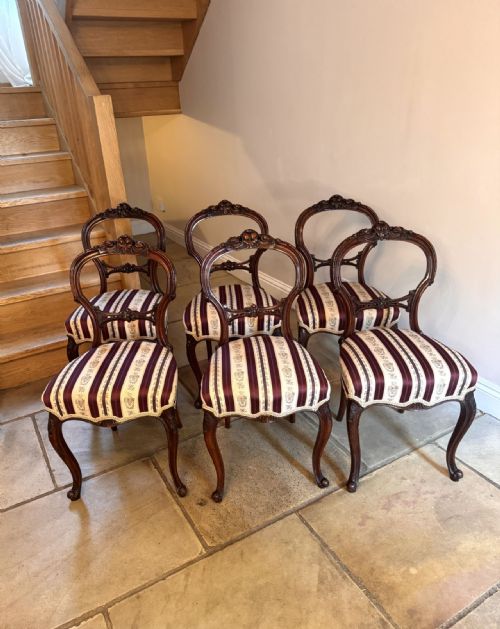
- A rounded, upholstered chair back resembling the profile of a hot air balloon. This silhouette is characteristic of Victorian dining chair sets.
Carved Wood Dining Furniture: Frequently Asked Questions
How do I date a mahogany dining table?
Dating relies on examining the timber selection, leg styles, and construction methods used beneath the surface. Eighteenth-century examples often feature solid mahogany with hand-carved cabriole legs, while later Victorian and Edwardian versions utilise extending mechanisms.
Secondary woods and edge finishes also help determine the era of manufacture. Consulting the specific period markers listed for each item provides further clarity.
Are rosewood tables suitable for daily dining?
Rosewood is a dense, durable timber well suited to the practical demands of a dining room. Tables from the Victorian and Regency periods were built for regular entertaining and heavy use.
Care should be taken with heat and moisture to protect the polished surface. Using coasters and table mats preserves the original timber finish.
What is an Anglo-Indian centre table?
An Anglo-Indian centre table combines British furniture forms with traditional Indian carving techniques and exotic hardwoods such as padauk. These pieces were often produced during the nineteenth century for export or colonial residences.
They feature elaborate botanical or figural carvings and deep reddish-brown timber tones. Their scale makes them striking focal points in a modern interior.
How do I maintain carved wooden sideboards?
Maintenance involves regular dusting with a soft, dry cloth to prevent particles from settling in the carved recesses. Periodic application of appropriate beeswax feeds the timber and maintains a soft sheen.
Direct sunlight and sudden temperature changes should be avoided to prevent the wood from warping or cracking. Proper placement ensures the antique finish remains stable over time.