


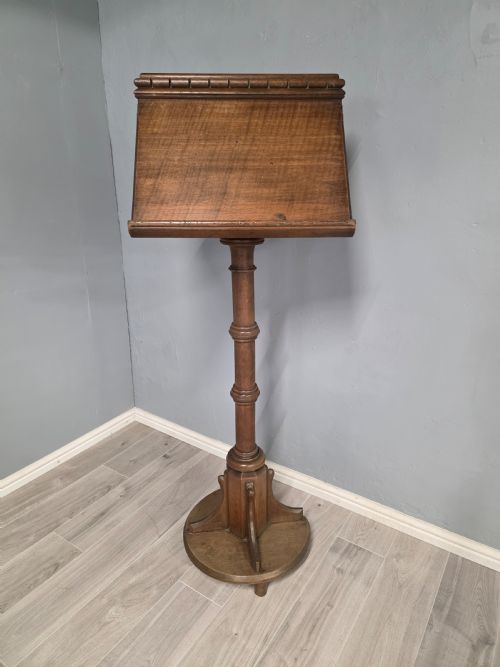

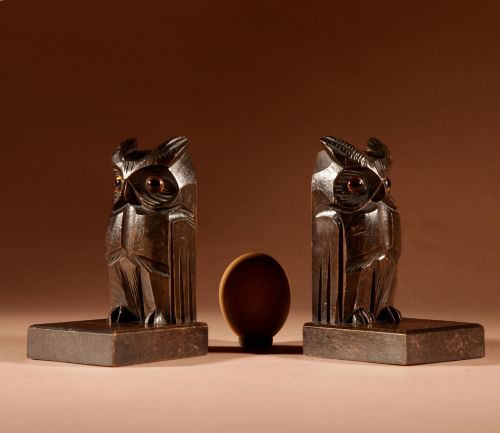
Carved Wood Desk Stand
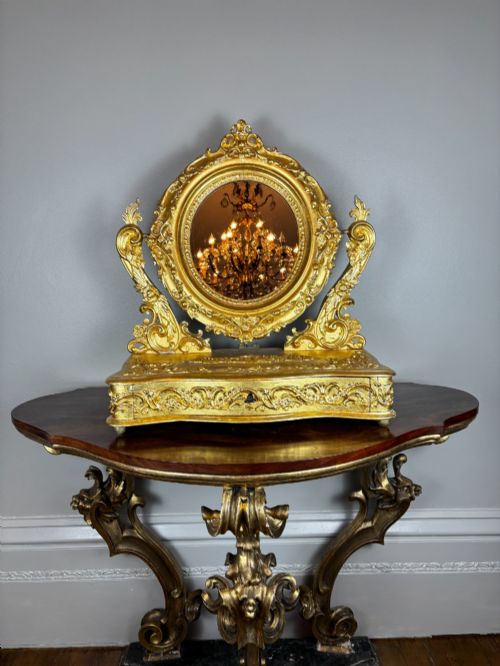
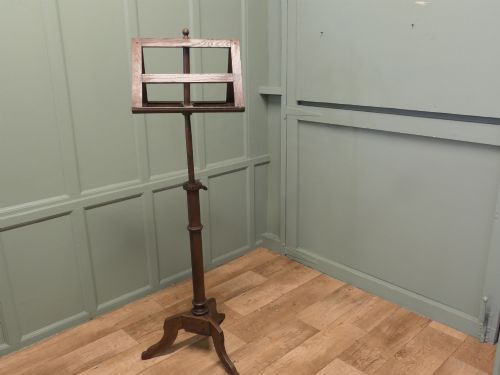
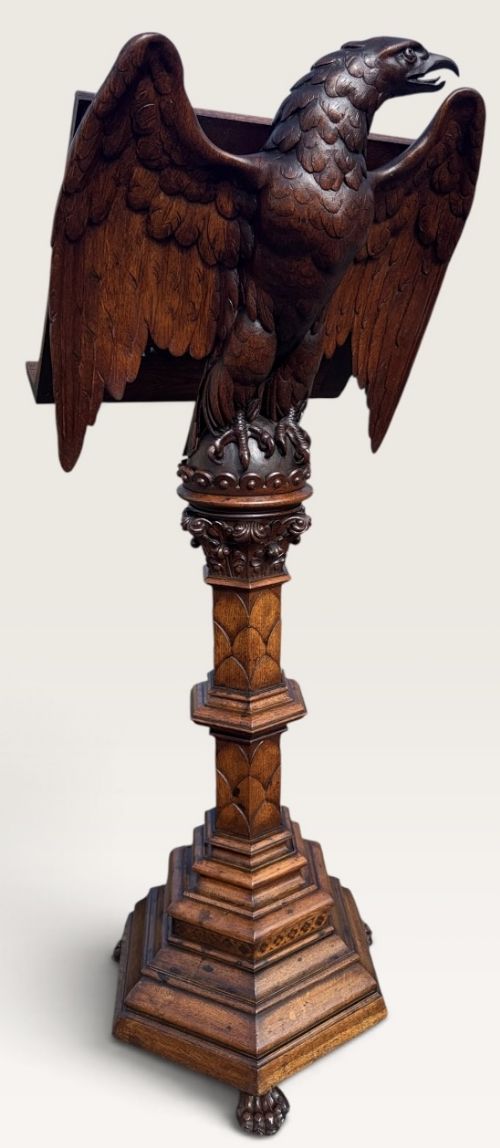
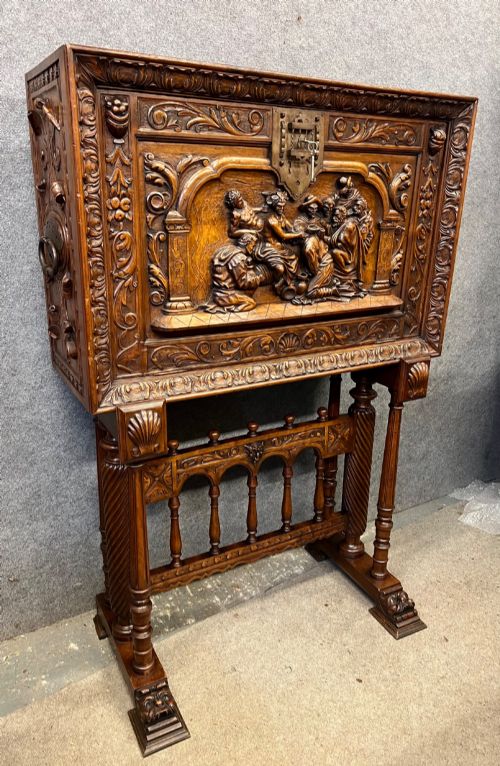
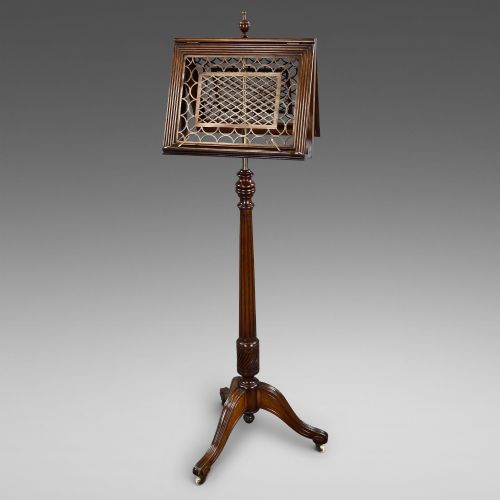
These carved wood desk stand pieces bring solid timbers and intricate animal or Gothic forms directly to the writing table.
Carved Wood Desk Stand
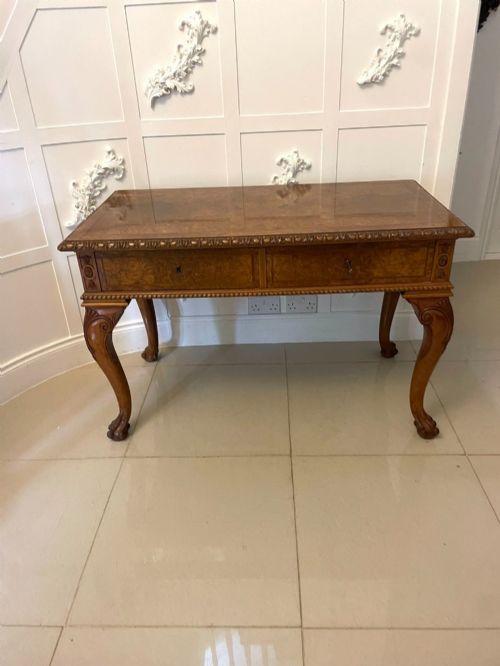
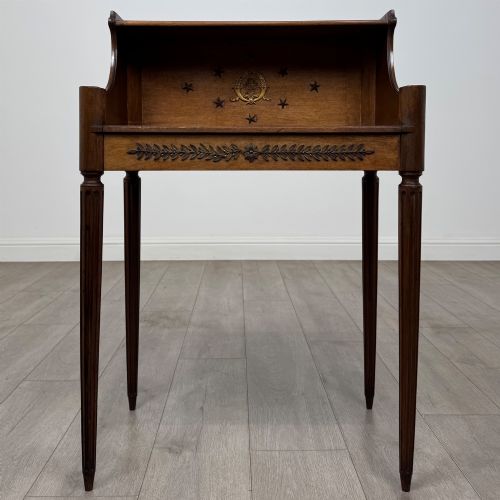
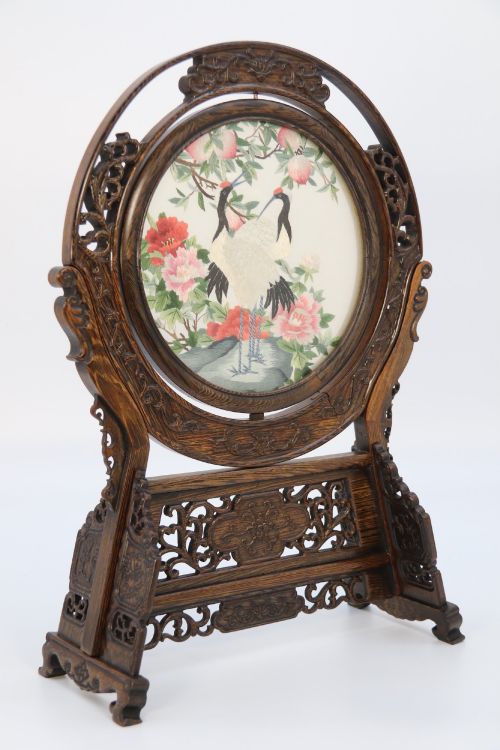
A carved wood desk stand encompasses a range of functional desk accessories and small writing supports produced across the Victorian, Edwardian, and Georgian periods. These items incorporate compartments for ink, pens, and letters, often shaped from dense timbers like oak, mahogany, walnut, and linden wood. The selection relies heavily on Black Forest animal carvings, Gothic Revival architectural motifs, and Anglo-Indian or Chinese export craftsmanship.
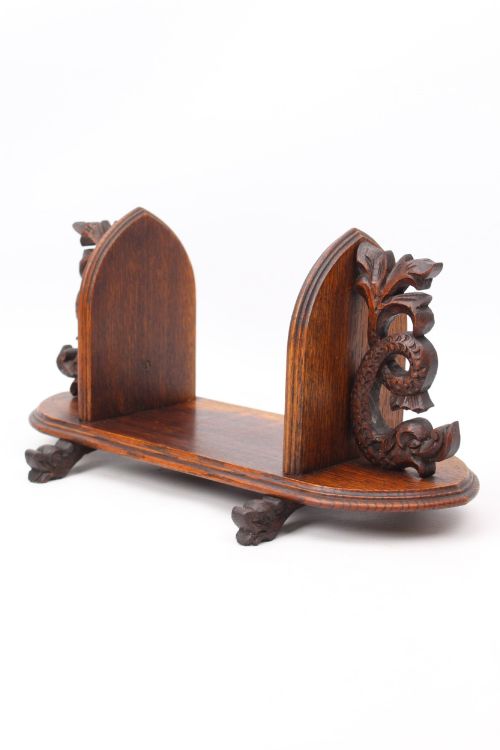
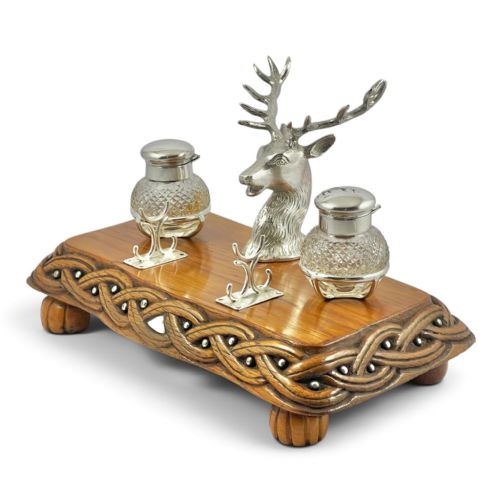
The versions most frequently met on this page include inkstands, inkwells, and letter stands executed in the Black Forest style, alongside extending book slides and tiered desk tidies. Form follows function closely in these domestic items, providing dedicated wells for glass ink inserts and channels for dip pens. Surviving examples demonstrate the nineteenth-century preference for ornamented desktop accessories that maintained order while displaying sculptural hand-carving.
Materials and Construction
Construction relies upon native and exotic hardwoods selected for density and figure, including oak, mahogany, rosewood, walnut, and linden wood. Cabinetmakers utilised dovetail joints for small drawers and compartments, while carvers worked directly into solid blocks of timber for animal and botanical subjects. Glass inserts for inkwells and applied brass fittings such as hinges, galleries, and striker plates appear regularly alongside the carved wooden structures.
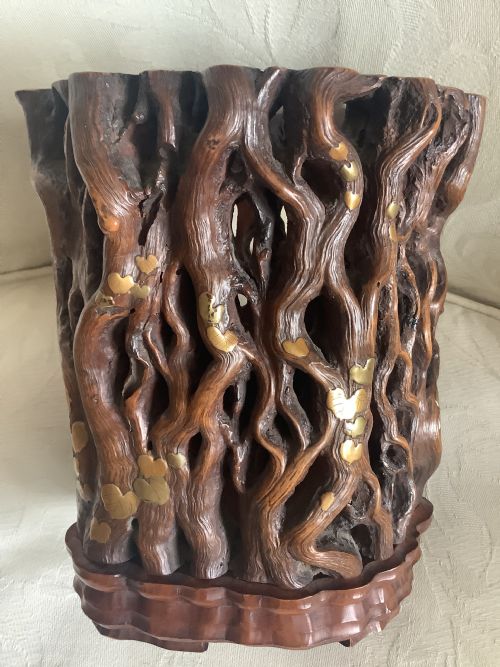
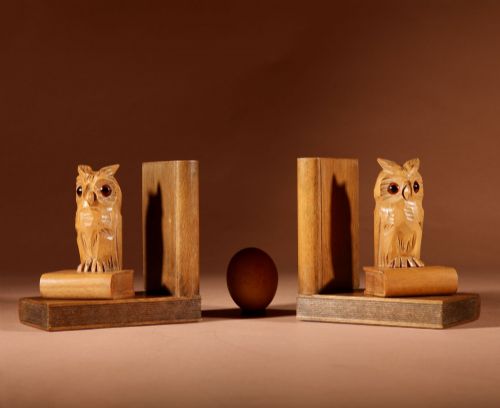
Techniques combine precision joinery with deep relief carving, piercing, and turning. Black Forest items display skilled hand-carving in soft linden wood to render realistic fur and feather textures on owls, cats, and eagles. Anglo-Indian and Chinese pieces exhibit intricate pierced work and dense foliage patterns carved into teak, sandalwood, and hard woods.
Carved Wood Desk Stand Retail Price Guide 2026
Typical asking prices for carved wood desk stand among the pieces listed under this phrase on Sellingantiques today, from the lower quarter to the upper quarter. They describe what is for sale here now, not the wider market.
Listings feature oak, walnut, mahogany, and linden wood across Victorian, Edwardian, and Georgian periods.
Factors Defining Quality
Quality rests upon the depth, sharpness, and anatomical accuracy of the hand-carving. Pieces with high sculptural definition in feathered or floral motifs demonstrate superior craftsmanship compared to mechanical or shallow stamp-carving. The crispness of undercut details in Black Forest animals or Gothic tracery distinguishes finer workshop output.
Material selection and structural integrity further determine standard. Solid timber construction utilising well-figured oak, walnut, or rosewood outweighs lesser secondary woods. Retaining original glass ink inserts, matching brass mounts, and stable hinges without replaced elements preserves the integrity of the piece.
The Carved Wood Desk Stand Glossary
- Black Forest
- A style of wood carving originating in the Swiss and German regions during the nineteenth century, characterised by realistic animal and naturalistic subjects. Pieces frequently depict bears, owls, dogs, and foliage.
- Gothic Revival
- An architectural and decorative style drawing inspiration from medieval design, featuring pointed arches, trefoils, and heavy tracery. This aesthetic appears frequently on nineteenth-century oak desk accessories and lecterns.
- Inkstand
- A desktop tray or stand fitted to hold one or more inkwells, pen grooves, and occasionally sanders or stamp boxes. They are constructed in solid woods such as oak and mahogany.
- Book Slide
- An extending desktop rack designed to hold a variable number of upright books between two bookends. They often feature hinged or sliding mechanisms in walnut, olive wood, or teak.
- Linden Wood
- A pale, fine-grained hardwood commonly utilised by nineteenth-century carvers for its uniform texture and lack of prominent grain. It allows for deep, intricate undercut relief work.
Carved Wood Desk Stand: Frequently Asked Questions
What is a carved wood desk stand used for?
These items serve to organise writing implements, paper, and correspondence on a desktop. They typically incorporate designated wells for liquid ink and channels to hold dip pens.
Beyond simple storage, they function as decorative objects that reflect period tastes for naturalism and architectural revival styles within the study or library.
How do I date a carved wood desk stand?
Dating relies upon stylistic markers such as Gothic Revival architectural motifs, Victorian proportions, or Edwardian manufacturing techniques. Timber choice also offers clues, with rosewood and heavy mahogany common in earlier nineteenth-century pieces.
Hardware provides further evidence, as hand-beaten brass, turned glass inserts, and specific hinge types align with distinct manufacturing decades.
Are inkwells included with these stands?
Many desk stands retain their original fitted glass inkwells with hinged brass or wooden lids. Some pieces show empty wells where the original glass insert is now missing.
Checking the interior of the ink recess reveals whether the well sits securely within the carved wooden housing provided by the maker.
How should I care for antique wood desk accessories?
Maintenance requires keeping the items away from direct heat sources and strong sunlight to prevent the timber from drying and splitting. Regular dusting with a dry, soft cloth preserves the carved surface detail.
Applying occasional conservative wax feeds the wood without building up heavy residues that obscure fine carving lines.