






Carved Wood Deity
These carved wood deity figures bring centuries of devotion, mythology and master craftsmanship directly into your home.
Carved Wood Deity
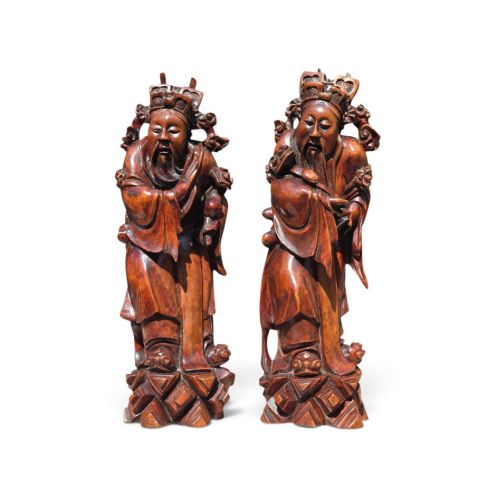
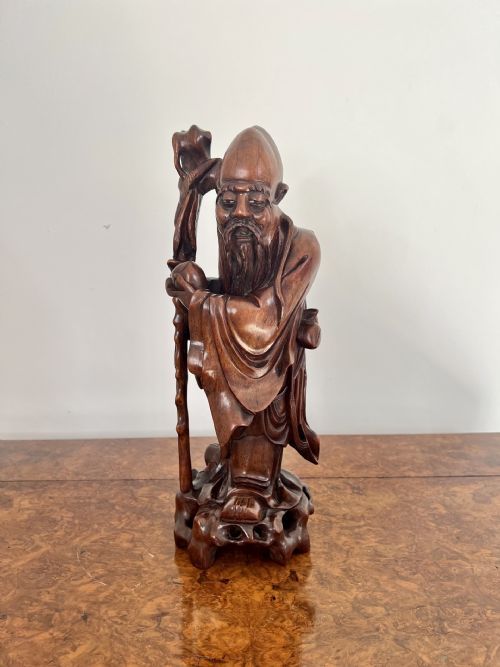
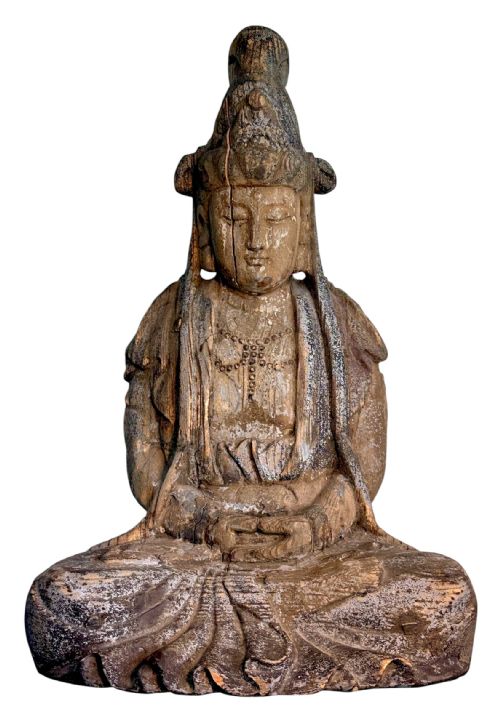
A carved wood deity represents sacred figures, mythological characters and cultural icons originating from diverse Asian and European traditions. When you search for carved wood deity, you encounter sculptural works ranging from small desktop figures to monumental temple guardians. The selection includes representations of Chinese scholars, Daoist immortals, and Hindu and Buddhist deities.
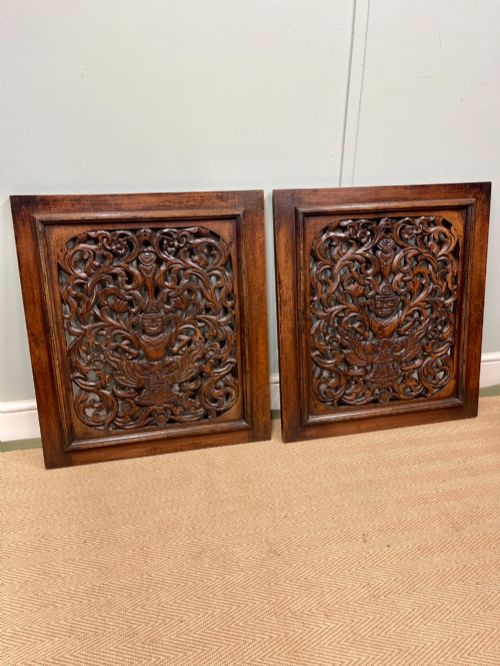
Most examples date from the nineteenth century, reflecting periods such as the Qing Dynasty and the Meiji period. Forms vary from freestanding statues and okimono to architectural wall panels and root carvings. These pieces embody both religious reverence and decorative artistry from regions spanning China, Burma, Bali, India, Japan and Tibet.
How they were made
Artisans carved these figures primarily from dense hardwoods, boxwood, teak and bamboo. The raw timber was shaped using specialised chisels and gouges to define facial expressions, flowing robes and intricate ornamentation. Many pieces incorporate root carving techniques that utilise the natural contours of the wood.
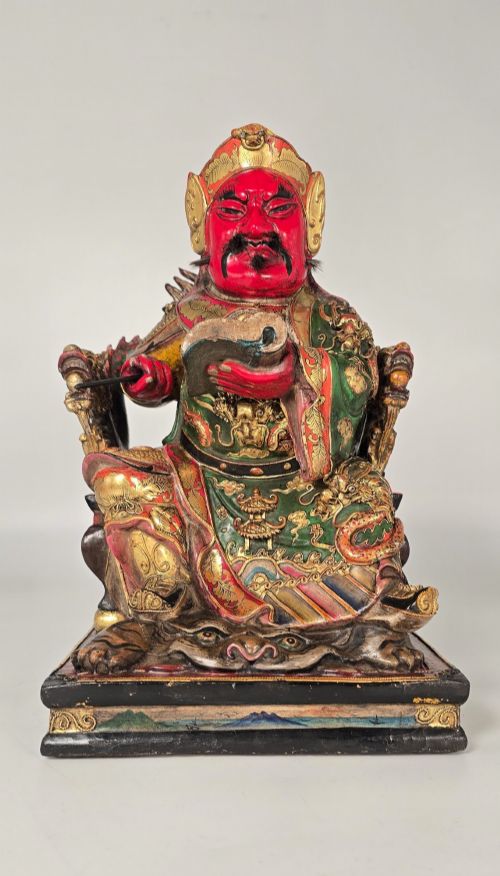
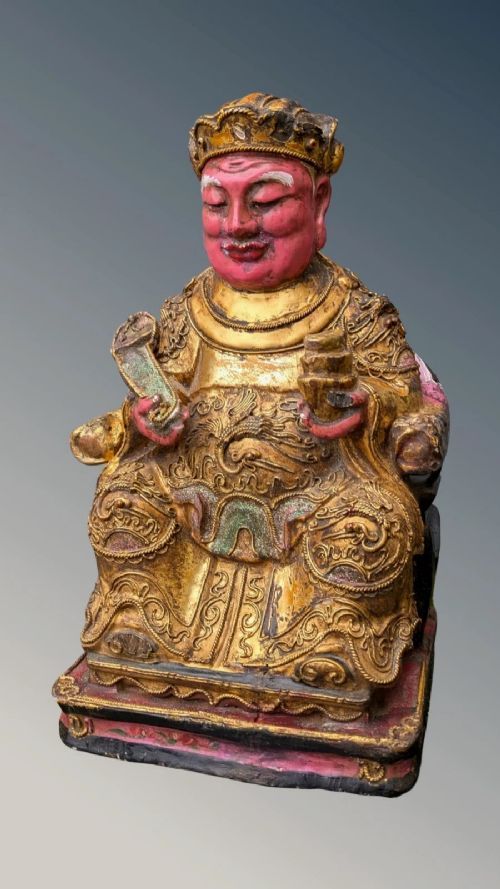
Surface decoration frequently involves layers of gesso, lacquer, gold leaf and polychrome pigment to enhance visual depth. Gilt wood finishes and hand-painted details were applied to highlight specific garments and attributes of the deities.
Carved Wood Deity Retail Price Guide 2026
Typical asking prices for carved wood deity among the pieces listed under this phrase on Sellingantiques today, from the lower quarter to the upper quarter. They describe what is for sale here now, not the wider market.
One desktop cabinet even snuck in among the deities, proving that wooden furniture sometimes likes to play guardian.
What varies in quality
The preservation of original surface treatments contributes significantly to a piece's character. Intact layers of polychrome pigment, lacquer or gold leaf that retain their subtle textures indicate careful historic stewardship. A deep, warm patina developed through decades of handling also elevates the tactile presence of the wood.
The Carved Wood Deity Glossary
- Okimono
- A Japanese freestanding ornamental carving intended for display on a shelf or cabinet. These small sculptures often depict deities, folklore figures or animals.
- Polychrome
- Painted in several colours. This surface treatment brings realistic detail and vibrancy to wooden temple sculptures and deity figures.
- Gesso
- A plaster-like mixture applied to wood as a smooth base for painting or gilding. It allows for crisp surface relief before the application of gold leaf or pigment.
- Root carving
- A sculptural technique that incorporates the natural twists and knots of tree roots into the form of the final object. Chinese artisans excelled at transforming these organic shapes into figures and scholars' items.
- Patina
- The surface sheen and coloration developed on wood through age, exposure and handling. A rich patina reveals the history and tactile quality of antique pieces.
Carved Wood Deity: Frequently Asked Questions
How were these wooden figures originally used?
Many of these figures served as objects of veneration in domestic shrines, temples or ancestral halls. Others functioned as protective guardians or philosophical reminders for scholars and collectors.
Over time, many transitioned into decorative artworks appreciated for their intricate craftsmanship and cultural narratives.
Where should I display a carved deity sculpture?
These sculptures suit prominent positions on sideboards, mantels or dedicated display cabinets where their detailed carving can be appreciated. Placing them away from direct sunlight and sudden temperature shifts helps protect the wood and any historic polychrome surfaces.
Pairing freestanding statues with complementary objects or leaving them as solitary focal points allows the craftsmanship to stand out.
How do I care for antique carved wood?
Maintenance requires gentle dusting with a soft, dry brush to remove particles from recessed crevices without disturbing the wood or surface pigment. Avoid using liquid polishes, oils or chemical cleaners that might soften lacquer or gesso layers.
Maintaining stable indoor humidity prevents the timber from drying out or splitting over time.
How can I tell the period of a carved sculpture?
Dating relies on stylistic markers associated with specific eras like the Qing Dynasty or the Meiji period, combined with the tool marks left by the carver. Examining the wood's composition, the wear patterns on the base, and the ageing of surface layers such as lacquer or gold leaf provides further clues.
Comparing construction methods with documented regional pieces helps establish an approximate timeframe of origin.