



Carved Wood Bin
These carved wood bin examples bring robust utility and rich grain to any fireside or interior.
Carved Wood Bin
When you search for a carved wood bin, you are looking at utilitarian containers designed for fuel, flour, or refuse that now serve as characterful storage. These pieces range from Georgian and Regency forms to Victorian and Edwardian iterations.
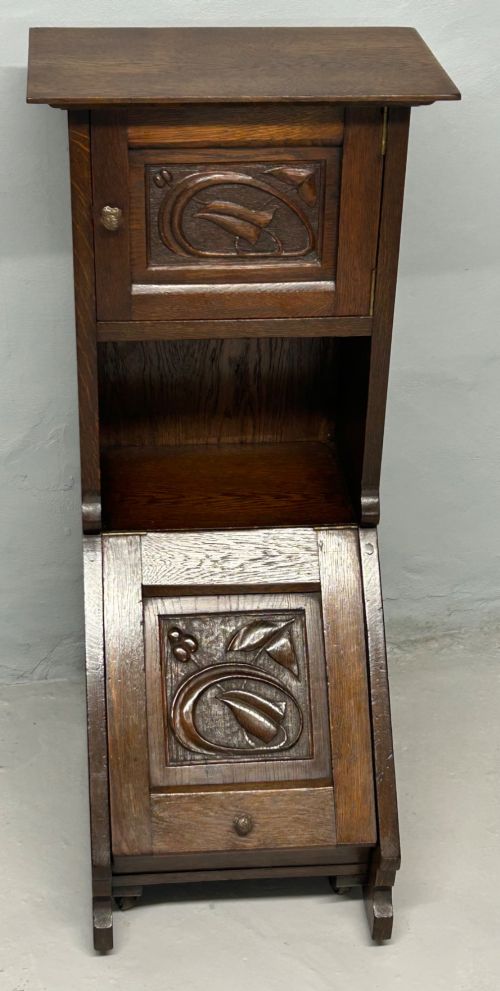
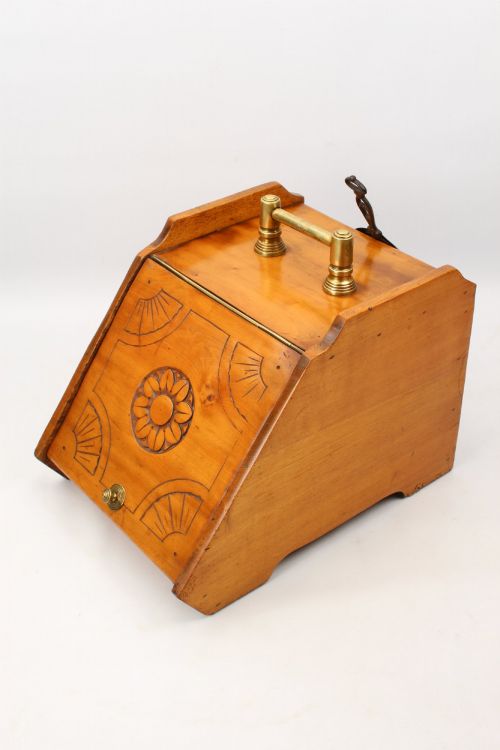
The versions you are most likely to encounter on this page include oak purdoniums, mahogany coal boxes, and rustic country log bins. Such objects bridge the gap between practical household necessity and decorative antique furniture.
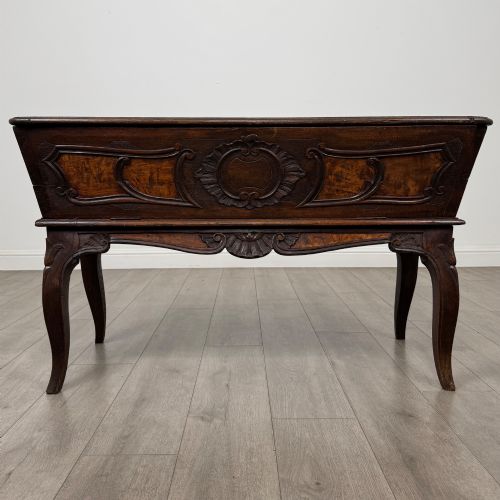
Makers adapted these containers to suit specific domestic tasks, producing specialised shapes like dough bins, wine coolers, and coal scuttles. Each survivor demonstrates how everyday items received careful ornamentation during the nineteenth and early twentieth centuries.
How they were made
Craftsmen utilised dense timbers such as oak, mahogany, and walnut to construct these sturdy containers. Selected boards were shaped and joined to withstand the heavy wear of holding coal, wood, or dough.
Carving and turning added decorative relief to the wooden surfaces, transforming plain boxes into ornaments. Metal components like brass handles, hinges, and iron mounts were integrated to reinforce the structures and aid lifting.
Carved Wood Bin Retail Price Guide 2026
Typical asking prices for carved wood bin among the pieces listed under this phrase on Sellingantiques today, from the lower quarter to the upper quarter. They describe what is for sale here now, not the wider market.
The current selection spans multiple periods, including Georgian, Regency, Victorian, and Edwardian eras, utilising oak, mahogany, and walnut.
What varies in quality
The standard of a carved wood bin rests upon the crispness of its ornamentation and the selection of the timber. Finely figured burr walnut or deeply carved mahogany panels distinguish superior examples from plain utility boxes.
Original hardware such as brass handles and matching shovels elevates an object's integrity. Structural joinery that remains tight and honest through decades of heavy use defines the better tier of these pieces.
The Carved Wood Bin Glossary
- Purdonium
- A specialised coal box, typically featuring a sloping front and a compartment for a shovel. These cabinets kept household fuel neatly contained beside the fireplace.
- Dough bin
- A deep wooden trough once used for kneading and proving bread dough before baking. Many surviving examples feature fitted lids and stand on sturdy legs.
- Wine cooler
- A heavily insulated or lined vessel designed to chill bottles for the dining room. Regency and Georgian iterations often employ fine mahogany and metal liners.
- Coal scuttle
- A portable container used to carry fuel from a cellar to a hearth. They frequently incorporate sturdy metal mounts and swing handles for daily handling.
- Burr walnut
- A highly prized wood veneer showing intricate, swirling grain patterns caused by tree growths. Cabinetmakers reserved this material for the most decorative surfaces of furniture.
Carved Wood Bin: Frequently Asked Questions
What is a carved wood bin used for?
These pieces served practical roles in historic households, primarily holding coal, logs, dough, or wine. Today, they function as versatile storage containers for blankets, firewood, or modern clutter.
Placing one beside a hearth or in a living space adds historical texture while concealing everyday items out of sight.
How do I date a wooden coal box?
Dating relies on observing the stylistic markers, secondary woods, and hardware associated with specific eras like the Victorian or Edwardian periods. Examining the construction techniques inside the box reveals the period of manufacture.
Matching the carved motifs to known design movements such as Arts and Crafts or Regency provides further chronological context.
Are these bins suitable for modern firesides?
Many examples remain robust enough to hold logs or kindling beside a working fireplace. Their sturdy timber construction was originally built to endure heavy fuel loads.
Care should be taken to protect antique interior linings from moisture and heavy impacts when loading logs.
What woods were commonly used?
Oak and mahogany appear frequently across these listings, prized for their strength and durability. Walnut and fruitwood also feature in specific regional or decorative items.
Brass and iron hardware frequently complement these timbers to provide structural reinforcement.