

Carved Wood Base
A carved wood base provides structural support and sculptural detail to tables, cabinets, and display stands.
Carved Wood Base
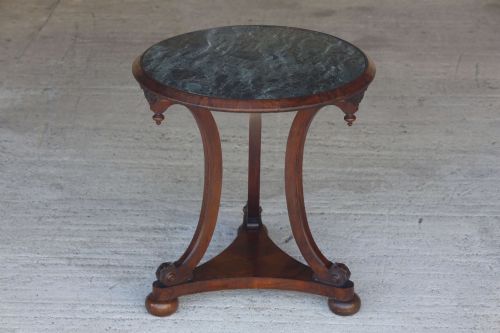
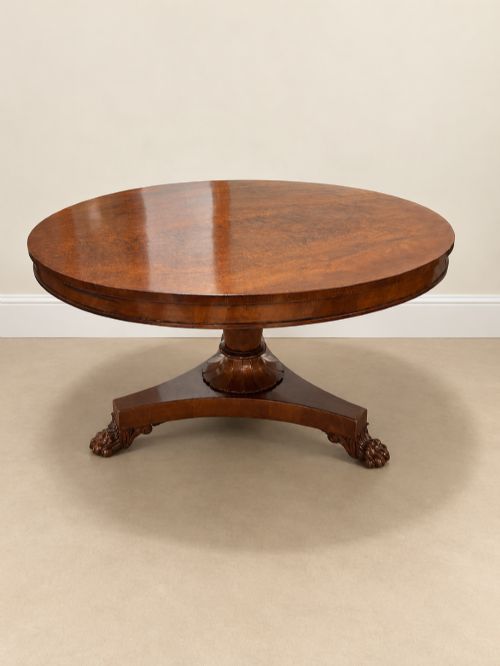
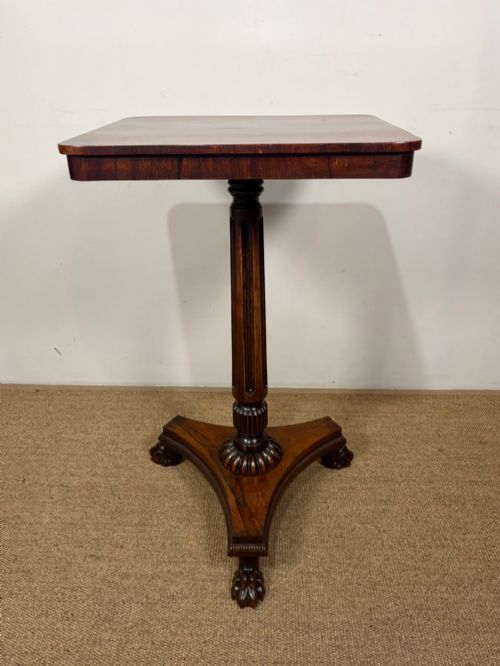
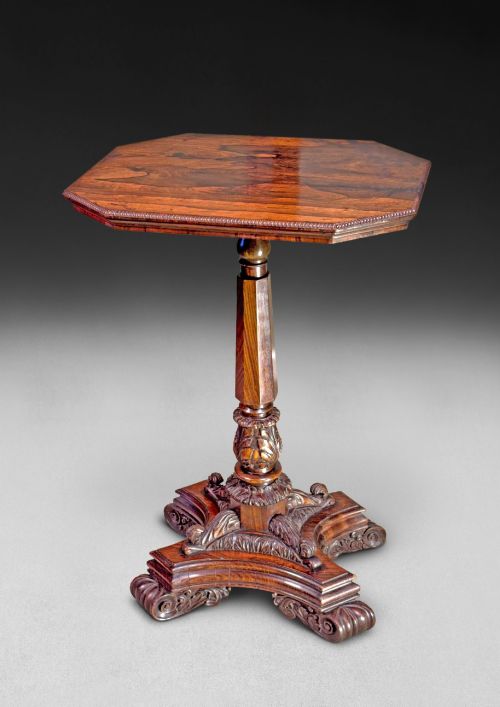
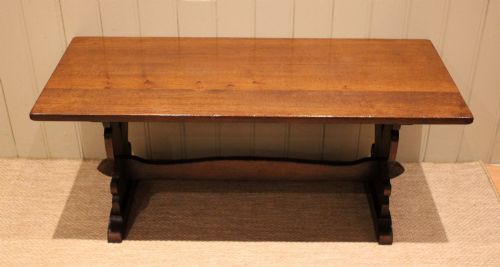
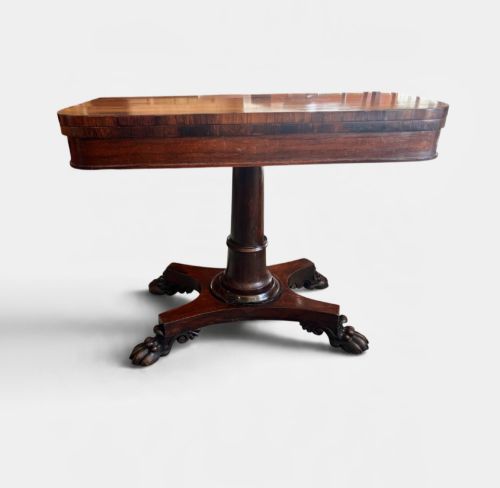
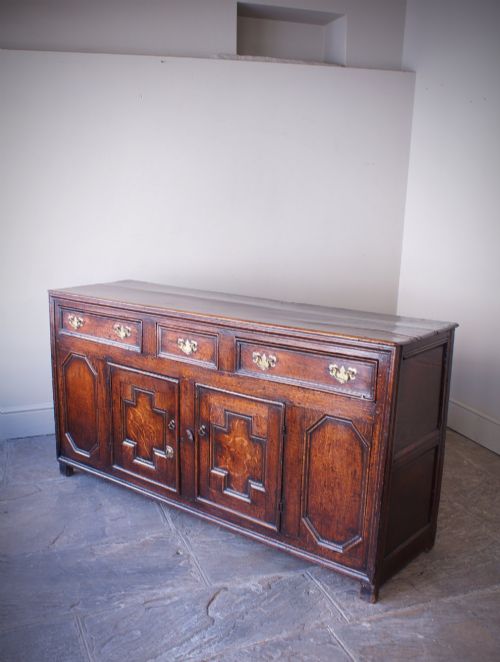
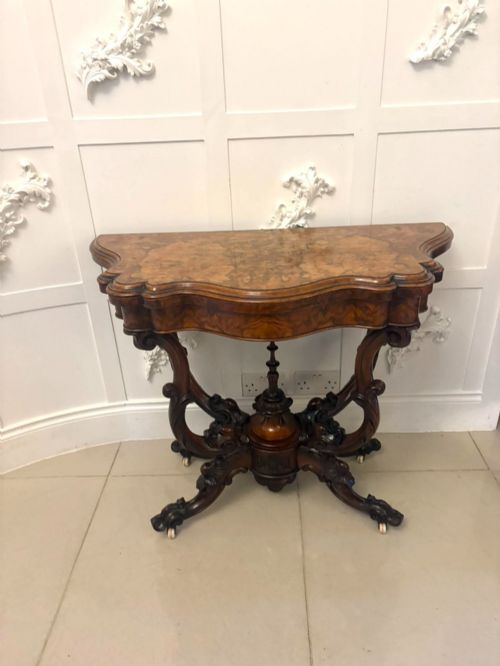
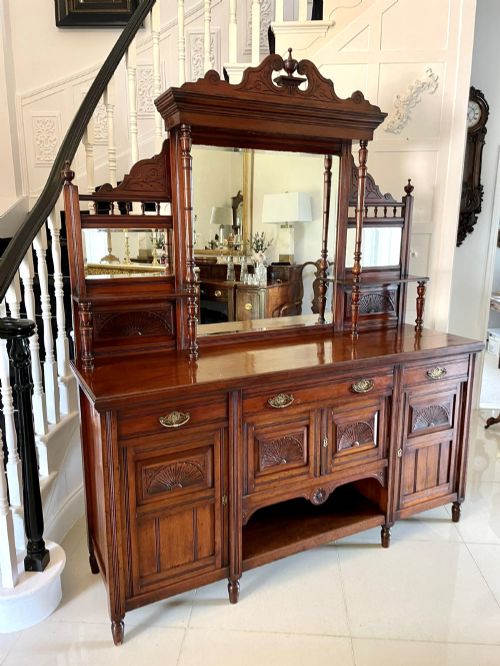
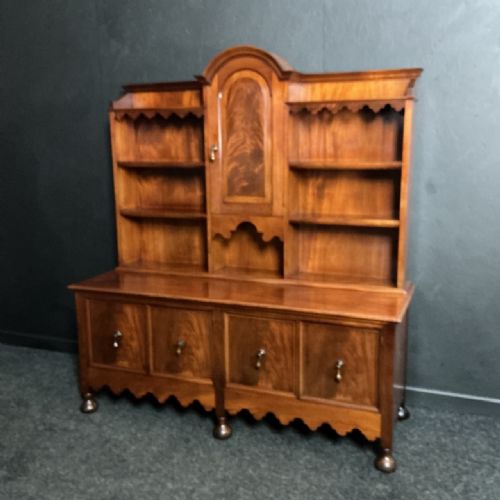
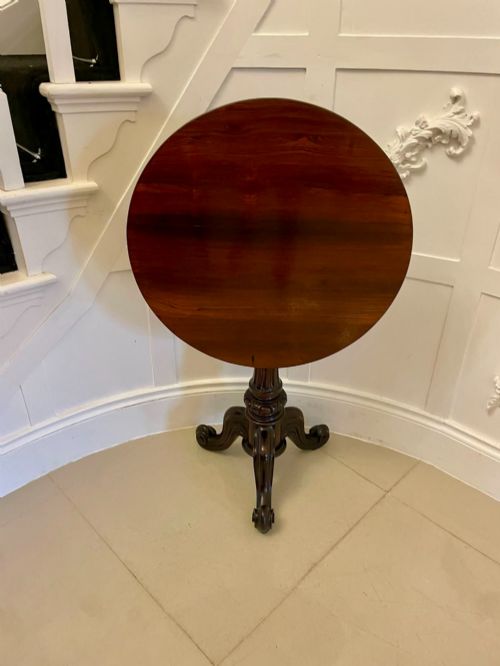
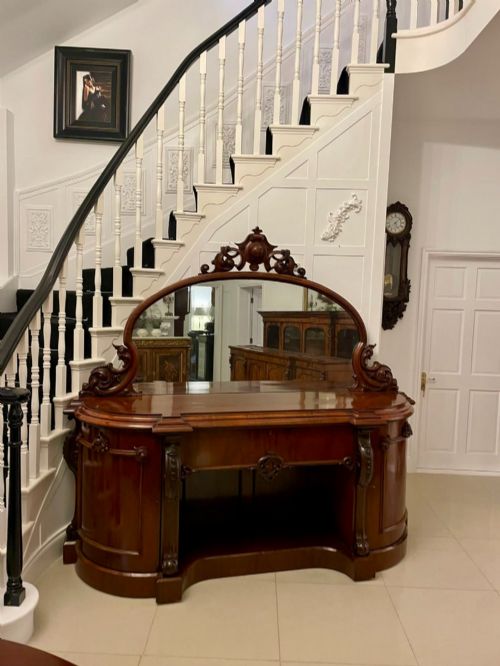
A carved wood base appears beneath dining tables, console tables, sideboards, and display cabinets across multiple centuries. These supports range from heavy oak refectory legs and stretcher bases to intricate rosewood console frames and pedestal columns.
The pieces on this page span the 17th century through the early 20th century, encompassing Victorian, Edwardian, and regional revival styles. Buyers encounter both robust vernacular oak furniture and polished mahogany or walnut centre tables with shaped pedestals.
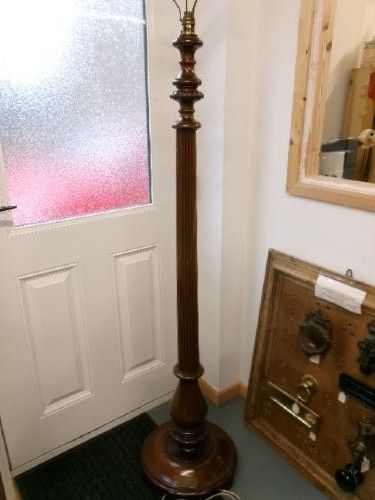
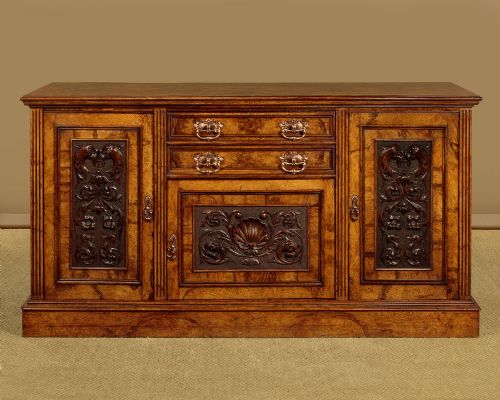
Many examples integrate the base directly into larger furniture forms, such as dresser bases, mirror-backed sideboards, and breakfast tables. Others function as independent stands for lamps, torchieres, or decorative cabinets.
Materials and construction
Makers utilised dense timbers including oak, mahogany, rosewood, and walnut to handle the structural loads demanded by heavy table tops and case furniture. Solid construction techniques involved mortise and tenon joints, turned uprights, and hand-carved decorative motifs.
Surface ornamentation relied on depth of relief and grain pattern, utilising burr walnut figures, Pollard oak sections, and gilt wood finishes. Carvers cut foliage, geometric panels, and figural elements directly into the structural timber of the base.
Carved Wood Base Retail Price Guide 2026
Typical asking prices for carved wood base among the pieces listed under this phrase on Sellingantiques today, from the lower quarter to the upper quarter. They describe what is for sale here now, not the wider market.
Listings feature oak, mahogany, rosewood, and walnut across Victorian, Edwardian, and 18th-century periods.
Judging execution and design
Distinction in quality rests upon the depth, sharpness, and proportion of the carved ornament relative to the main structure. Superior pieces display crisp hand-carved detail in high-density hardwoods rather than shallow machine routing or applied composition ornaments.
Structural integrity and the harmonious integration of the base with its upper section determine the piece's standing. Refined proportions in pedestal turns, stretcher placements, and timber matching separate workshop productions from standard commercial output.
Felix Alfred Ternisien
The Carved Wood Base Glossary
- Refectory table
- A long dining table traditionally supported by substantial legs connected by floor stretchers. This form originates in monastic dining halls and heavy domestic use.
- Console table
- A wall-mounted or freestanding table designed to sit against a flat surface, often featuring an elaborate front base or leg arrangement.
- Triform base
- A three-sided pedestal support system commonly found on circular breakfast tables and torchieres from the 19th century.
- Stretcher base
- Horizontal wooden rails connecting the legs of a table or chair near the floor to provide additional rigidity and load-bearing strength.
- Gilt wood
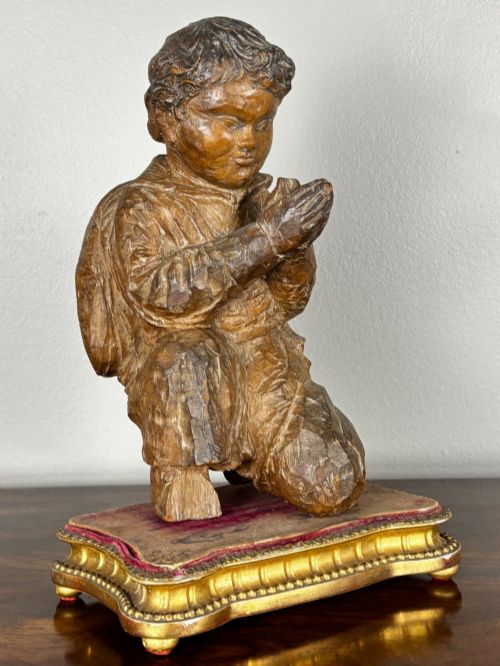
- Timber coated with a thin layer of gold leaf or metallic paint over a prepared gesso ground, frequently seen on decorative Italian and French bases.
Carved Wood Base: Frequently Asked Questions
What is a carved wood base?
A carved wood base is the structural support framework of a table, cabinet, or display stand featuring hand-chiselled or moulded ornamentation. These elements lift furniture off the floor while adding distinct decorative profiles.
They appear across various periods, from 17th-century oak dresser frames to Victorian rosewood centre table pedestals.
How do I identify the period?
Period identification relies on timber choice, construction methods, and stylistic carving conventions. Oak and heavy stretcher supports typically point towards earlier centuries or revival styles, whereas rosewood and burr walnut with shaped pedestals often indicate Victorian manufacture.
Examining the tool marks and joint construction beneath the surface provides further clues to age.
Where should I place these pieces?
These items fit well in hallways, living rooms, and dining spaces where their structural and sculptural qualities remain visible. Console tables and lamp bases suit tighter perimeters, while large dining tables and sideboards anchor principal rooms.
Ensure adequate floor space exists to walk around projecting stretcher bases or wide pedestal feet.
Can these bases support heavy items?
Most antique bases are constructed from solid hardwoods such as oak, mahogany, or walnut designed to bear substantial weight. They successfully support thick timber tops, marble slabs, and heavy sideboards without structural strain.
Checking the stability of joints and feet ensures the framework remains capable of holding large weights safely.