
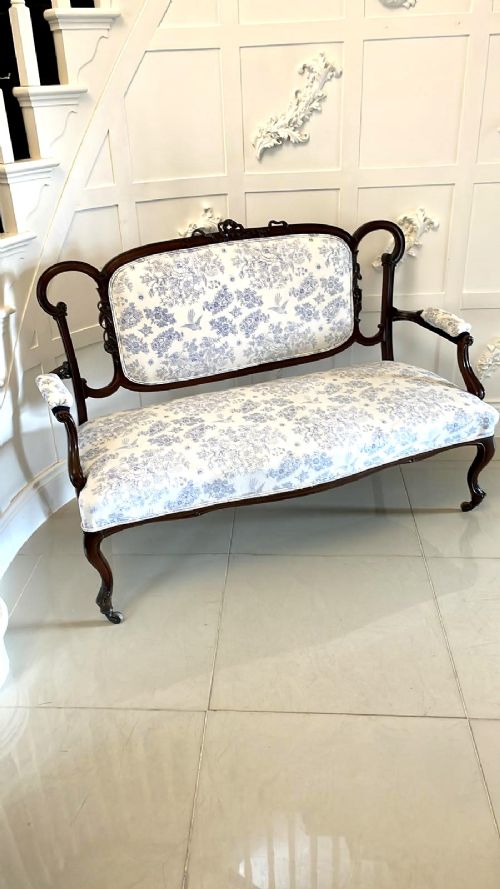
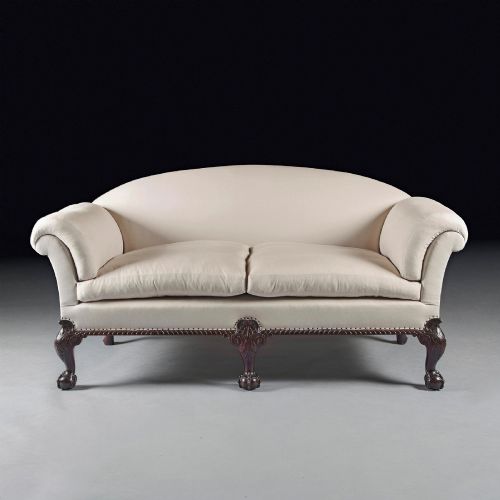


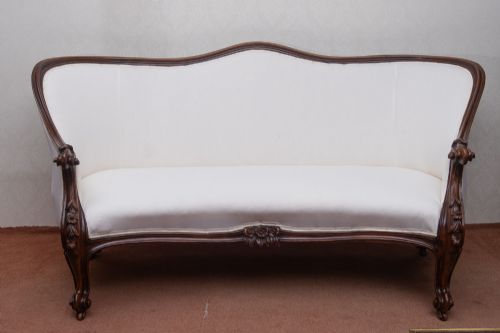


Carved White Settee
A carved white settee brings elegant seating to a room, offering period charm and classic forms.
Carved White Settee
A carved white settee provides grand seating inspired by European traditions and historic revival movements. These pieces range from Swedish Gustavian forms to French Louis XVI and Victorian styles, reflecting diverse design histories.
Buyers encounter settees and sofas fashioned from painted wood, cane, and mahogany. The selection includes triple back settees, love seats, and settle benches dating across the eighteenth, nineteenth, and early twentieth centuries.
How they were made
Cabinetmakers utilised timber such as mahogany, pine, and painted wood to construct sturdy frames. Skilled hands carved intricate details into the wood before applying white paint or preserving natural grain.
Upholstery involved fabrics like cotton calico and cream fabric to finish the seating. Caning was also woven into frames to create light, breathable panels on backs and seats.
Current listings feature pieces spanning the eighteenth century through to 1920, incorporating painted wood, cane, and mahogany materials.
What varies in quality
The refinement of the wooden carving distinguishes exceptional examples from simpler workshop output. Crisp lines and balanced proportions show the maker's confidence.
Original painted surfaces and preserved caning elevate a piece above later repaintings and replacements. Authenticity of period materials determines the enduring character of each settee.
The Carved White Settee Glossary
- Gustavian
- A Swedish neoclassical style characterised by pale painted finishes and restrained classical ornamentation. This aesthetic emerged during the reign of Gustav III.
- Caning
- A woven lattice made from rattan or cane material used for seat panels and chair backs. It provides a lightweight and decorative alternative to solid wood or upholstery.
- Canape
- A French term for an upholstered sofa, typically featuring an exposed wooden frame and padded backrest. These forms often reflect Louis XV or Louis XVI design idioms.
- Settle bench
- A traditional wooden bench with high backs and arms, designed to block draughts in older interiors. Examples can feature painted finishes and integrated storage.
Carved White Settee: Frequently Asked Questions
What is a carved white settee?
A carved white settee is an antique or vintage seating piece featuring a wooden frame finished in white paint and decorative carving. These items draw on styles like Gustavian, Victorian, and French Louis XVI.
They function as decorative and practical focal points in drawing rooms, hallways, and bedrooms. Their varied forms include love seats, triple back settees, and caned sofas.
How do I choose the right period?
Selecting a period depends on whether you prefer the restrained neoclassical lines of the eighteenth century or the heavier ornamentation of the nineteenth century. Examining construction techniques helps confirm the era.
Eighteenth-century pieces often display hand-carved details and early paint surfaces, while nineteenth-century items may reflect revival styles such as Victorian Chippendale.
How should I care for painted wood?
Care for painted wooden frames by dusting gently with a soft, dry cloth. Avoid harsh chemical cleaners that can damage historic paint finishes.
Keep the settee away from direct sunlight and extreme humidity fluctuations to protect both the timber and any applied paint layers.
Are these settees comfortable for daily use?
Many of these settees offer supportive seating, though comfort varies depending on the original padding and upholstery condition. Some pieces prioritise decorative form over deep cushioning.
Adding matching cushions can enhance comfort while preserving the historic character of the seat.