



Carved Walnut Parlor Set
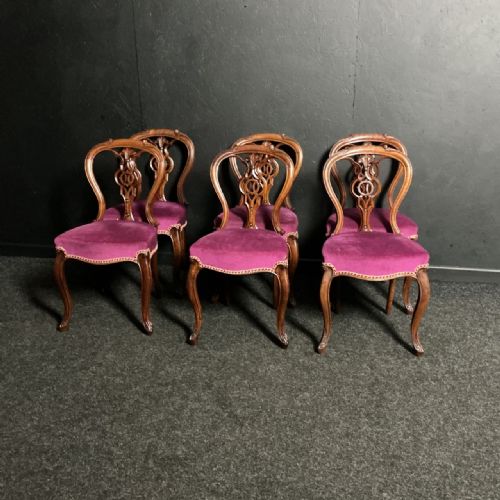
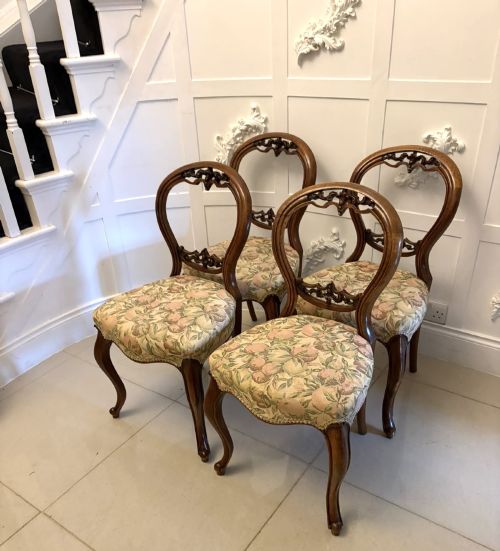
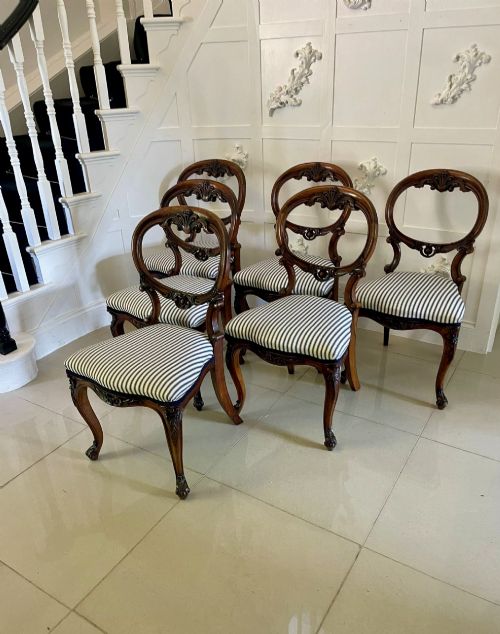
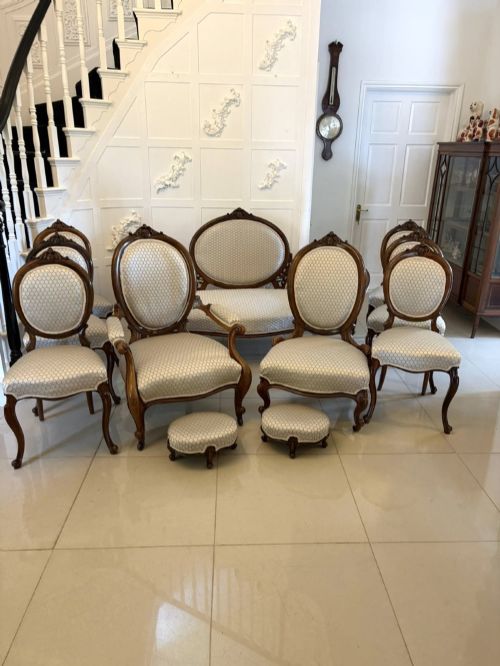
A carved walnut parlor set brings substantial Victorian character and deep timber tones into a formal reception room.
Carved Walnut Parlor Set
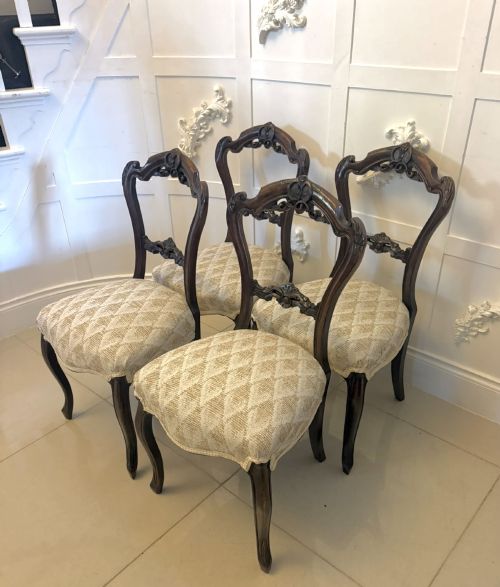
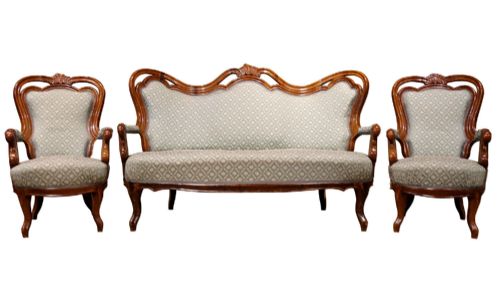
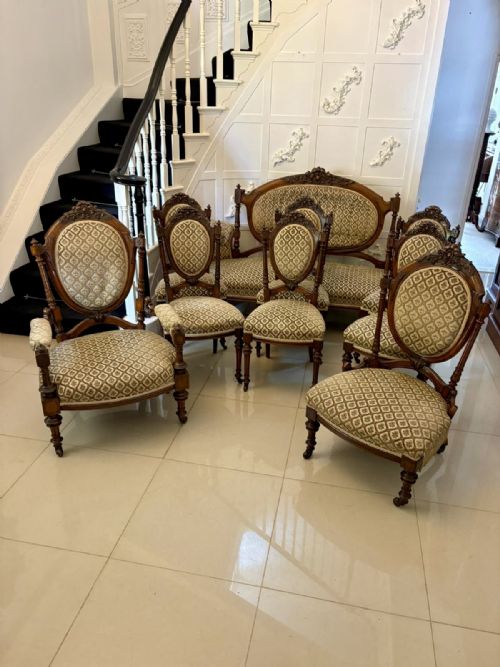
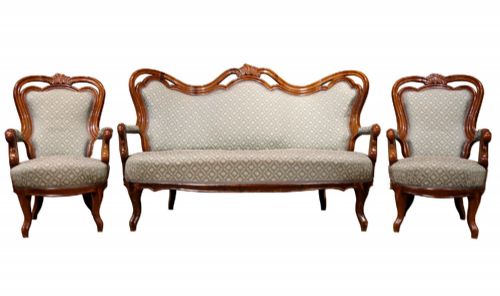
A carved walnut parlor set comprises matching groups of seating for formal reception rooms, ranging from compact three-piece arrangements to extensive eleven-piece salon suites. These groupings typically include settees, armchairs, and side chairs designed to coordinate in finish and upholstery.
The versions most commonly found here date from the Victorian era, spanning mid-nineteenth-century revival styles through to early twentieth-century interpretations. They reflect the period's preference for matched domestic seating with decorative woodwork.
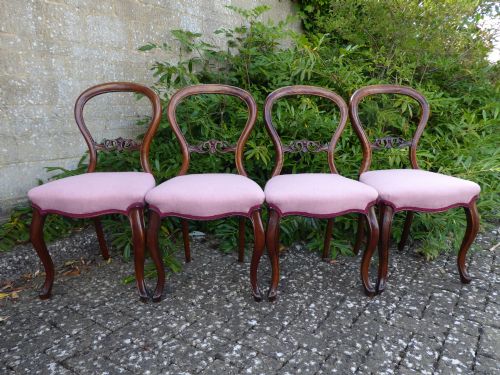
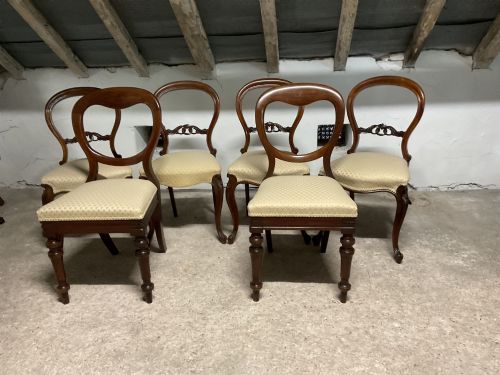
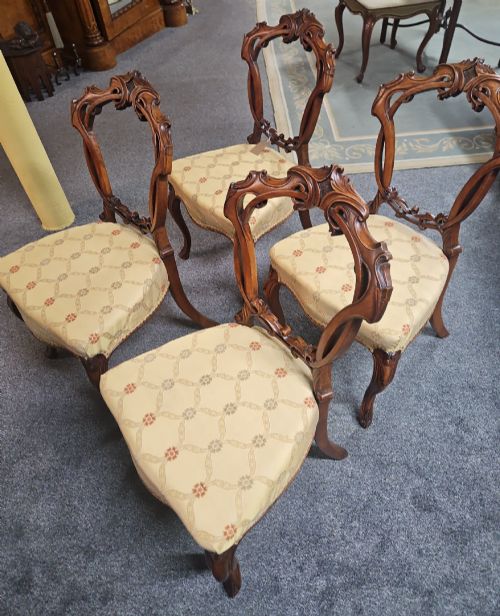
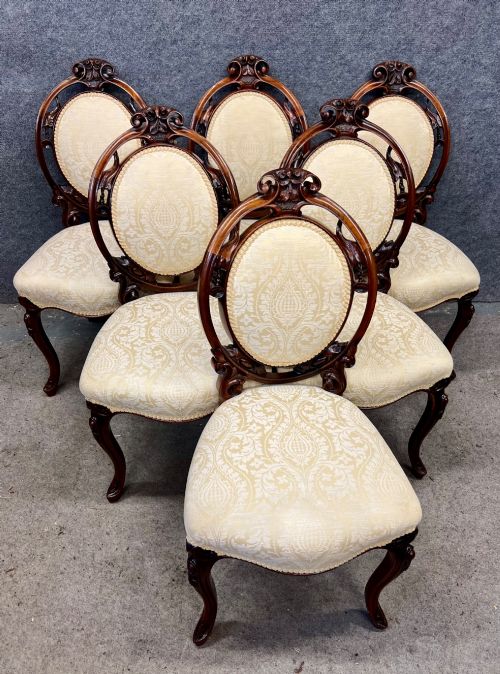
Makers often drew inspiration from French design movements, producing pieces that combine architectural timber frames with comfortable padded seats. Buyers encounter everything from small sets of four dining or salon chairs to complete drawing-room suites.
How they were made
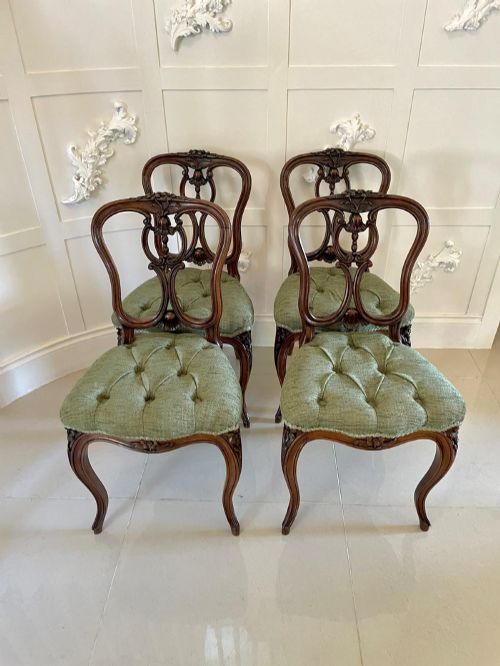
Craftsmen shaped these frames from solid walnut, utilising the dense timber to carve elaborate floral and scroll motifs along the crest rails and cabriole legs. The wood was frequently polished to a rich, dark lustre that highlights the natural grain.
Upholstery formed an integral part of construction, with fabric, velvet, and textile coverings secured over springs and stuffing. Brass details sometimes appeared in castors or decorative hardware supporting the heavier frames.
Carved Walnut Parlor Set Retail Price Guide 2026
Typical asking prices for carved walnut parlor set among the pieces listed under this phrase on Sellingantiques today, from the lower quarter to the upper quarter. They describe what is for sale here now, not the wider market.
Victorian parlor sets were engineered so guests could sit upright in stiff conversation while admiring the host's excellent walnut woodwork.
What varies in quality
The distinction between standard domestic seating and exhibition-quality suites lies primarily in the depth and crispness of the timber carving. Superior examples feature hand-sculpted details with sharp relief work across the crests and frames.
The scale and completeness of the suite also dictate its standing, with larger multi-piece drawing-room sets representing greater ambition in design. Additionally, the integration of matching upholstery fabrics across every chair and settee marks a higher standard of original execution.
Morison and Co of Edinburgh
The Carved Walnut Parlor Set Glossary
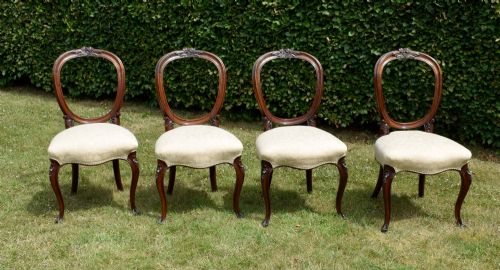
- Balloon back
- A rounded, oval-shaped chair back resembling a balloon, frequently seen on Victorian dining and salon chairs. This profile became a dominant stylistic choice during the mid-nineteenth century.
- Rococo Revival
- A nineteenth-century design movement mimicking the curved, asymmetric ornamentation of the French eighteenth century. It utilises scrollwork, floral motifs, and serpentine lines.
- Salon suite
- A matched collection of furniture intended for a formal drawing room or parlor, usually comprising a settee and several coordinating chairs. These suites provided uniform seating for guests.
- Cabriole leg
- A furniture leg that curves outward in a convex arc before tapering inward in a concave sweep, typically ending in a scroll or plain foot. It is a defining feature of revival seating.
Carved Walnut Parlor Set: Frequently Asked Questions
What pieces belong in a parlor set?
A standard parlor set typically includes a matching settee alongside a pair of armchairs or multiple side chairs. Larger suites can expand to include drawing-room chairs, footstools, and larger sofa arrangements.
These collections were designed to furnish formal reception rooms with a cohesive decorative scheme. Every piece shares the same timber, carving style, and upholstery treatment.
How do I date a walnut parlor suite?
Dating relies on stylistic revival cues, frame construction, and the specific silhouette of the chair backs. Mid-nineteenth-century examples often feature elaborate Rococo or Louis XV revival carving.
Later Victorian and early twentieth-century pieces shift toward simpler Empire revival lines or heavier proportions. Examining the timber grain and joining methods also helps place the suite within its proper decade.
Were these sets used for dining?
While some matching walnut groups served around dining tables, larger parlor suites were intended strictly for formal entertaining and conversation. Their upholstered seats and delicate frames suited drawing rooms rather than heavy daily dining use.
Smaller sets of four or six chairs often functioned as salon seating rather than dining furniture. Their design prioritized aesthetic presence during social calls.
How should I care for walnut frames?
Maintain the walnut timber by dusting regularly with a soft, dry cloth and avoiding direct sunlight. Excessive heat and moisture can damage both the polished wood finish and the underlying joinery.
Upholstery requires gentle vacuuming with a brush attachment to preserve fabric textures. Professional cleaning is recommended for antique textiles and delicate period velvet.