



Carved Walnut Low Bench
These carved walnut low bench examples combine dense timber frames with traditional upholstery, offering compact seating rooted in nineteenth century craftsmanship.
Carved Walnut Low Bench
When you search for a carved walnut low bench, you encounter a selection of compact seating forms that trace back primarily to the nineteenth century, including Victorian examples alongside revival interpretations of earlier eras. These pieces bridge the gap between functional household seating and decorative low furniture, appearing frequently as footstools, fender stools, salon stools, and low hall seats.
The objects listed under this description span various stylistic revivals, with Queen Anne style and Louis XIV revival designs appearing alongside traditional English forms. Makers of these periods drew upon historical timber framing techniques to produce sturdy, low platforms designed for hearthsides, dressing rooms, and windowsills.
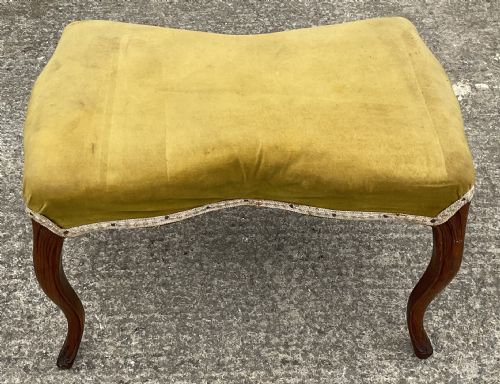
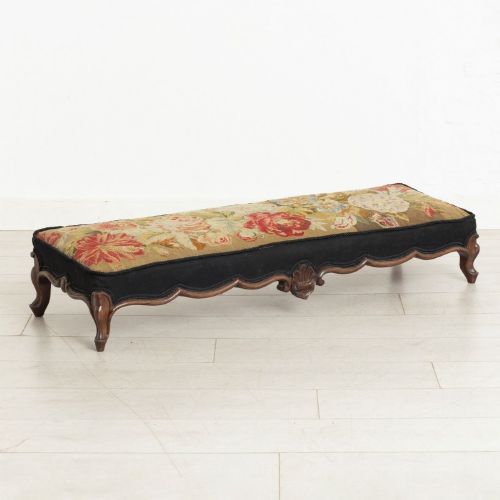
Most entries maintain a low profile, supported by short cabriole or turned legs that elevate the timber frame just above the floor. Textile upholstery, ranging from needlepoint and tapestry to velvet and original fabric, completes the primary configuration of these domestic items.
How they were made
The primary structural material across these listings is walnut, chosen for its rich grain and capacity for intricate carving along the legs and rails. Joinery techniques from the period ensure stability in low-slung frames without relying on excessive metal fixings.
Surfaces frequently feature hand-carved details, particularly on cabriole legs where knee scrolls and pad feet emerge directly from the timber. Upholstered sections incorporate traditional textile coverings such as wool tapestry, needlepoint, and velvet, secured over padded foundations.
Carved Walnut Low Bench Retail Price Guide 2026
Typical asking prices for carved walnut low bench among the pieces listed under this phrase on Sellingantiques today, from the lower quarter to the upper quarter. They describe what is for sale here now, not the wider market.
The listings span periods from the mid-nineteenth century through the Edwardian era, incorporating walnut frames paired with wool, velvet, and brass elements.
What varies in quality
Differentiation across these pieces stems from the depth and crispness of the timber carving, particularly along the cabriole legs and frame rails. Master carvers executed details with sharper definition and greater relief, separating finer workshop production from simpler commercial pieces.
The integrity of the walnut timber and the preservation of original upholstery materials also influence the character of each piece. Intact period needlepoint, tapestry covers, and stable frame construction represent higher rungs of historical survival.
The Carved Walnut Low Bench Glossary
- Cabriole leg
- A furniture leg that curves outward at the knee and tapers inward toward the ankle, ending in a foot. This form draws heavily on eighteenth-century design vocabulary revived during the Victorian period.
- Fender stool
- A long, low stool designed to sit in front of the hearth fender. These pieces kept feet warm away from cold stone or tile floors.
- Needlepoint
- A type of canvas work embroidery used extensively for historical stool covers. Artisans stitched intricate patterns with wool yarn over an open-weave mesh ground.
- Carolean style
- A revival furniture style referencing the reign of Charles II, characterised by rich carving, scrolling details, and turned woodwork. Pieces in this idiom often utilise walnut timbers.
- Window seat
- A long stool or bench built to fit within the recess of a window bay. These forms often feature low upholstered tops and decorative wooden frames.
Carved Walnut Low Bench: Frequently Asked Questions
Where did people use low benches?
These low seats functioned primarily near hearths, dressing tables, and deep windowsills where compact dimensions were required. Their height made them suitable for resting feet or sitting near low furniture without obstructing views.
In larger reception rooms, they served as flexible seating that could be moved easily across floorboards as needed during social gatherings.
How do I identify the period?
Dating relies on examining the timber frame construction, the style of the carved legs, and the nature of the upholstery beneath the top cover. Victorian examples often blend revival motifs like Queen Anne cabriole legs with nineteenth-century joining methods.
Comparing the secondary woods and any visible tool marks helps distinguish mid-nineteenth century production from later Edwardian revivals.
Are the fabric covers original?
Some pieces retain their period needlepoint, tapestry, or velvet upholstery, while others have received replacement textiles over time. Original fabrics show authentic wear patterns consistent with age.
Inspecting the underside reveals whether webbing and stuffing materials date from the original construction period or reflect later restoration work.
How do I care for walnut wood?
Walnut benefits from minimal intervention, requiring only a soft, dry cloth to remove dust from carved surfaces. Avoiding direct sunlight and sudden temperature shifts preserves the moisture level in the timber.
Applying wax polish occasionally helps protect the grain without building up heavy residues on the carved details.