
Carved Walnut Dressing
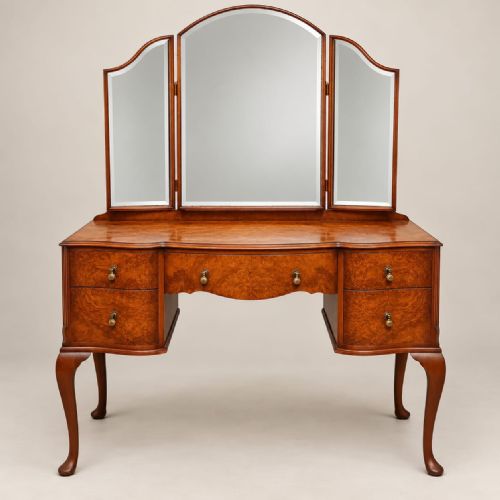
When you search for carved walnut dressing pieces, you are looking at vanity tables, matching stools, and cheval mirrors shaped from dark timber.
Carved Walnut Dressing
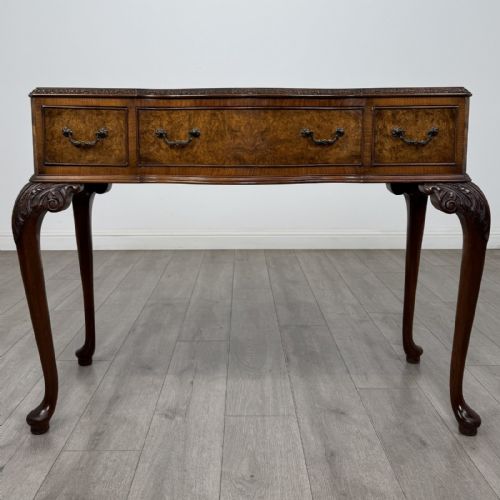
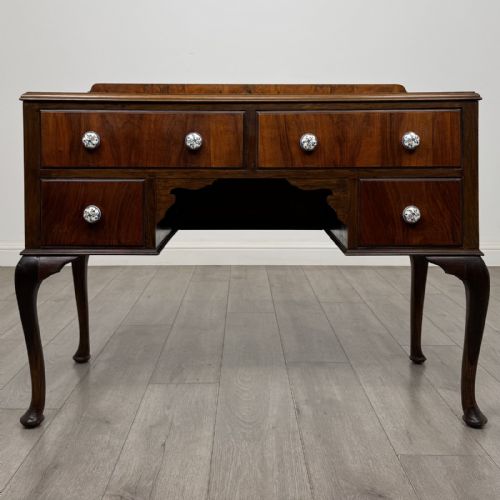
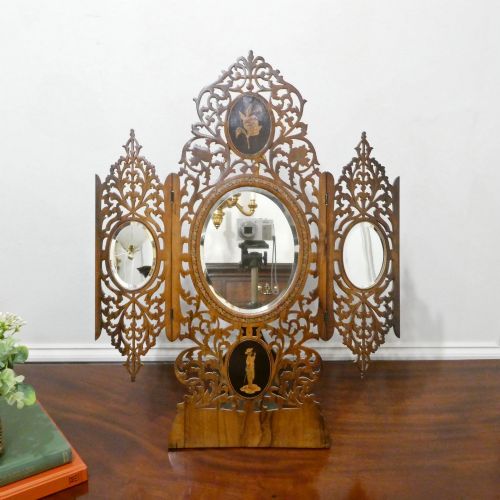
A carved walnut dressing search reveals a distinct group of furniture created for the bedroom, combining tables, mirrors, and companion seats. The pieces on this page span the Victorian era, the Edwardian years, and the early twentieth century, showing a strong preference for revivalist aesthetics.
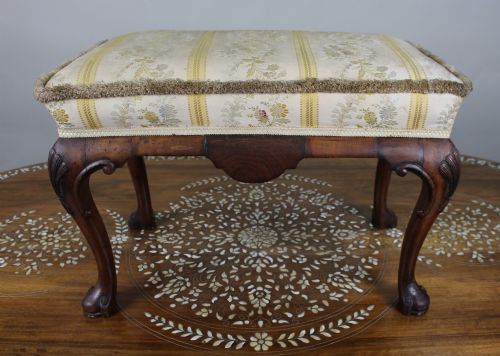
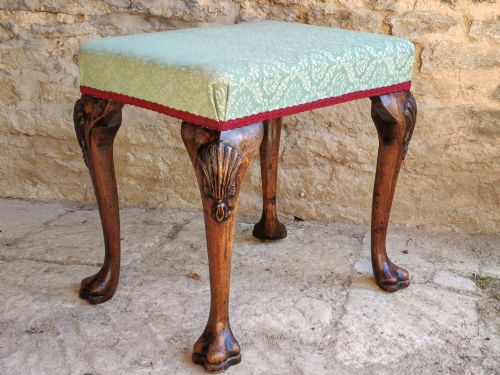
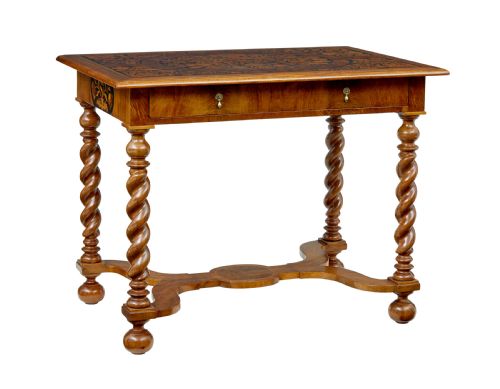
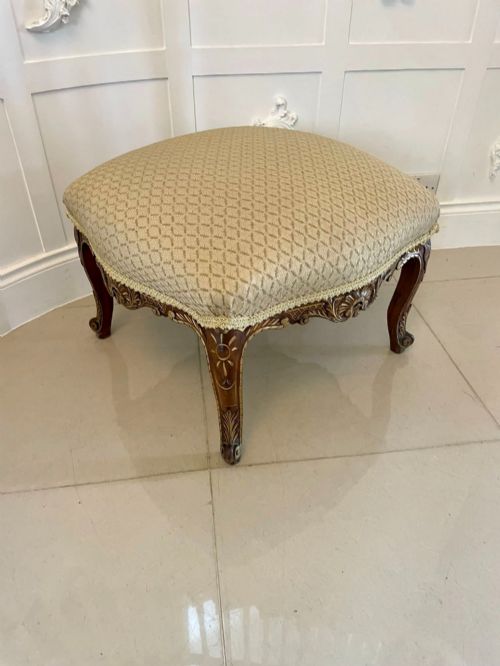
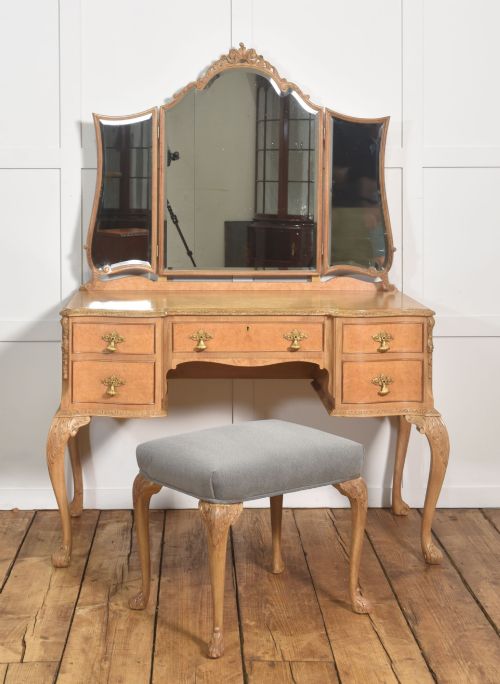
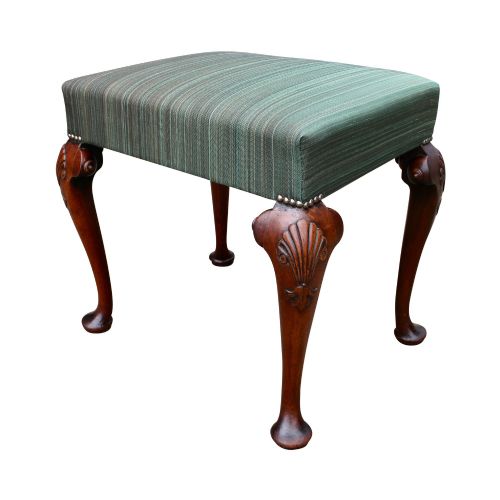
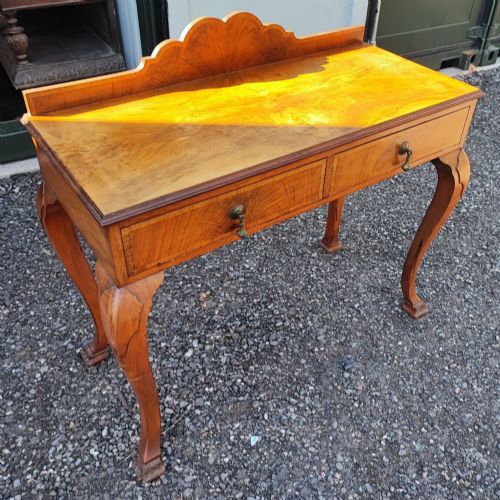
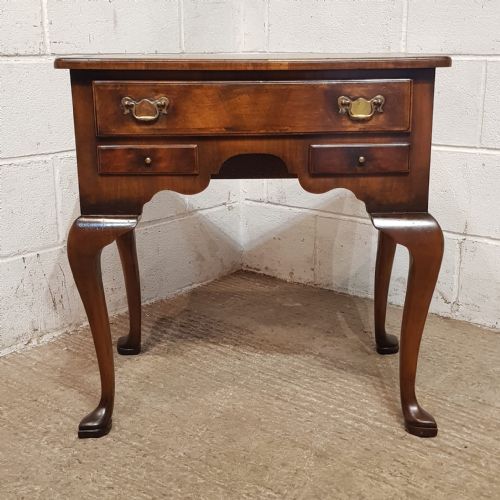
Stools and dressing tables dominate the selection, often appearing together as matched or associated sets. You will frequently encounter cabriole legs, lowboy forms, and cheval mirrors designed to swivel within upright frames.
The origins stretch from English workshops to French studios, encompassing styles that draw heavily on Queen Anne and Rococo revivals. These items served daily domestic routines in prosperous homes, which explains their survival in varied states of preservation.
How they were made
Cabinetmakers utilised solid walnut and decorative burr walnut veneers applied to stable secondary timbers, pairing the rich grain with brass hardware and bevelled mirror glass. Upholstered elements rely on traditional textiles, leather, and needlepoint inserts secured to the wooden frames.
Carving was executed by hand, shaping cabriole legs, scrollwork, and decorative motifs directly into the dense walnut. Frames frequently employ traditional joinery such as mortise and tenon joints to support the weight of marble tops and heavy swing mirrors.
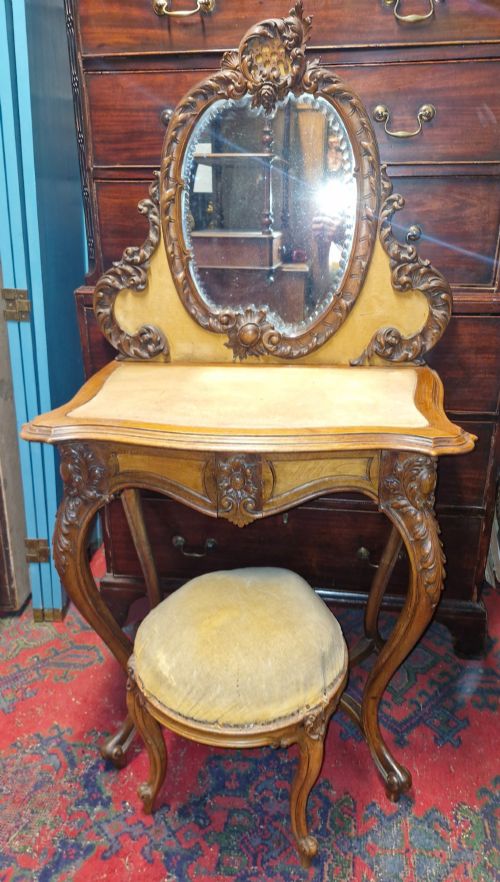
Several dressing tables retain their original velvet cushions, having spent a century supporting powder boxes and modest morning routines.
What varies in quality
The distinction between average and exceptional pieces lies in the crispness of the timber carving and the selection of the veneer. Superior examples display deeply articulated motifs without softening, alongside book-matched burr walnut panels that demonstrate careful planning by the cabinetmaker.
Proportion and structural integrity set the finer pieces apart from standard production items. Well-executed cabriole legs flow naturally from the apron, whereas lesser items can appear heavy or disjointed in their transitions.
Wylie & Lochhead Glasgow·Waring & Gillows
The Carved Walnut Dressing Glossary
- Cabriole leg
- A furniture leg that curves outward at the knee and tapers inward to an ankle, mimicking an animal limb. This form appears frequently on eighteenth-century designs and later revival pieces.
- Burr walnut
- A specialised wood veneer taken from the warted excrescences of a walnut tree. It produces intricate, swirling patterns highly prized by cabinetmakers for drawer fronts and tabletops.
- Cheval mirror
- A freestanding full-length mirror suspended on a vertical frame with pivots. It allows the glass to tilt to various angles.
- Lowboy
- A small oak, walnut, or mahogany table with drawers, resembling the lower section of a highboy. They frequently function as dressing or side tables.
- Tooled leather
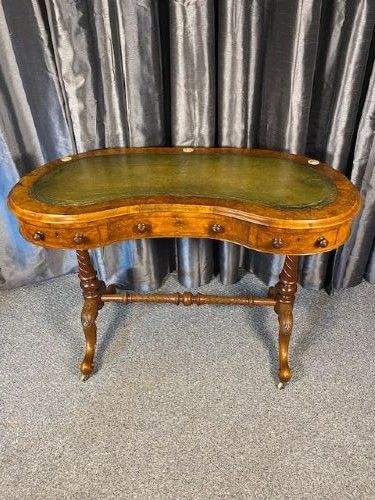
- Leather decorated with blind-stamped or gold-leaf impressions using heated metal tools. It provides a durable, finished writing surface on desks.
Carved Walnut Dressing: Frequently Asked Questions
What is a dressing stool?
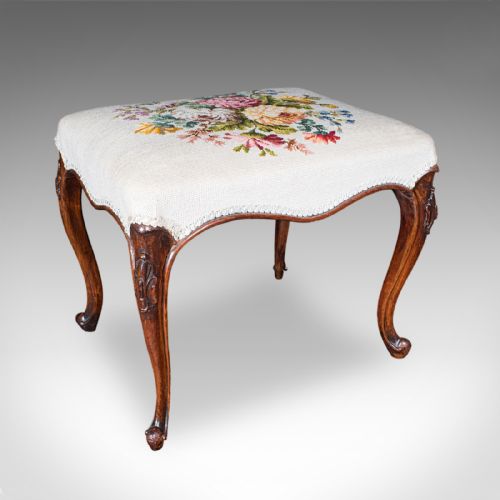
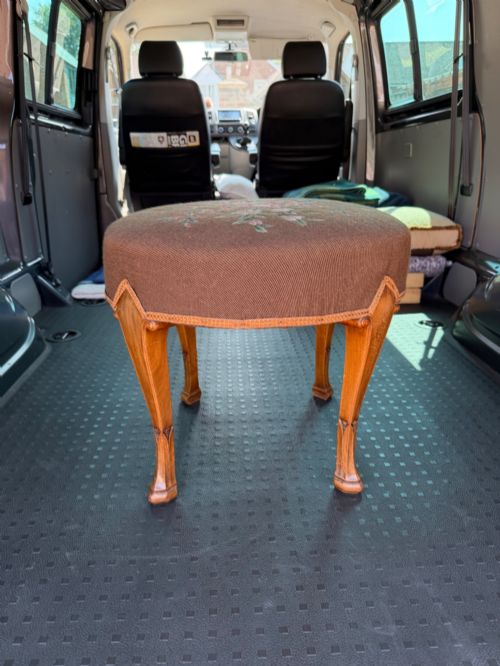
A dressing stool is a low seat designed to sit beneath a dressing table or vanity. They usually feature upholstered tops that match the upholstery of the associated bedroom suite.
These seats were built to be compact so they could tuck away completely when not in use. Many surviving examples retain their original needlepoint or fabric covers.
How do I identify Queen Anne style?
Queen Anne style furniture is characterised by curved lines, cabriole legs, and pad or claw-and-ball feet. The aesthetic avoids heavy carving in favour of smooth, sweeping surfaces that highlight the grain of the walnut.
Revival pieces from the Victorian and Edwardian periods adopted these eighteenth-century hallmarks. Cabinetmakers recreated the restrained elegance of the earlier era for modern bourgeois homes.
What is a cheval mirror?
A cheval mirror is a tall looking glass mounted in a freestanding frame with vertical side supports. The frame rests on four feet, allowing the glass to pivot back and forth.
These mirrors became popular for bedroom dressing when full-length reflections were required. Walnut versions often incorporate matching decorative carvings on the crest and uprights.
How do I care for walnut furniture?
Walnut requires stable indoor humidity and protection from direct sunlight to prevent the timber from drying or fading. Regular dusting with a soft, dry cloth maintains the surface without building up residue.
Avoid placing these pieces near active heat sources or damp areas. Wax polishes applied sparingly can nourish the wood and preserve the depth of the grain.