
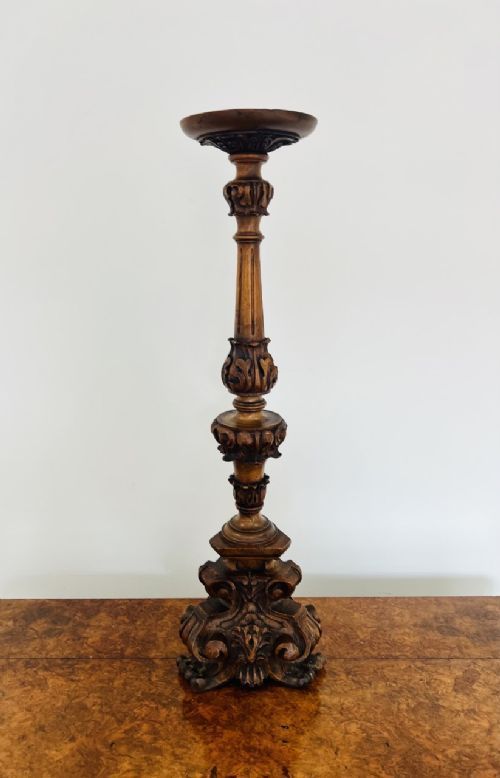


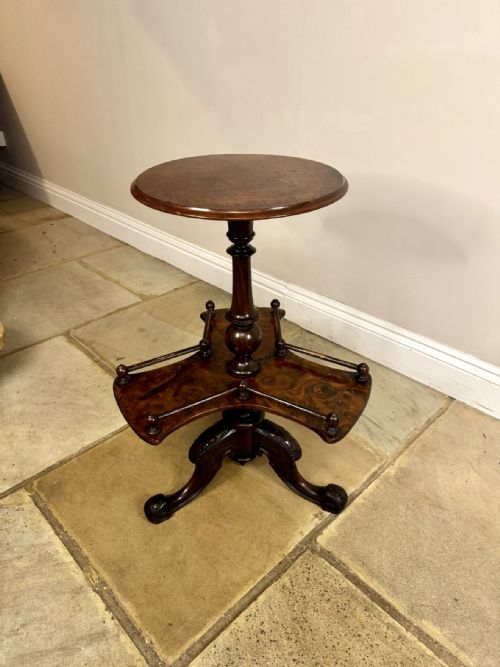


Carved Walnut Candle Stand
A carved walnut candle stand brings warmth and vertical interest to a room, offering a sturdy yet graceful perch for illumination.
Carved Walnut Candle Stand
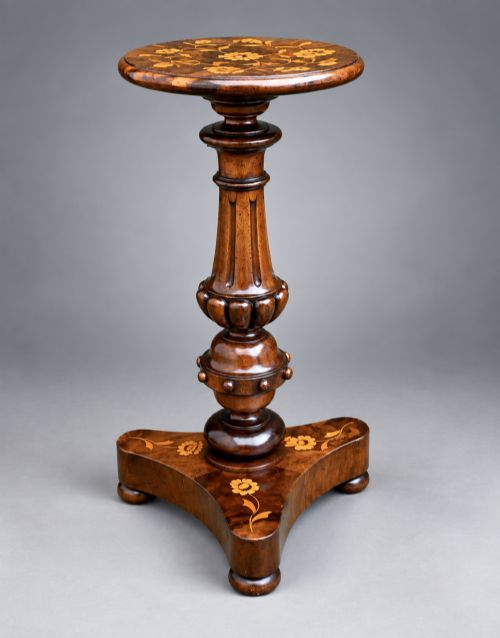
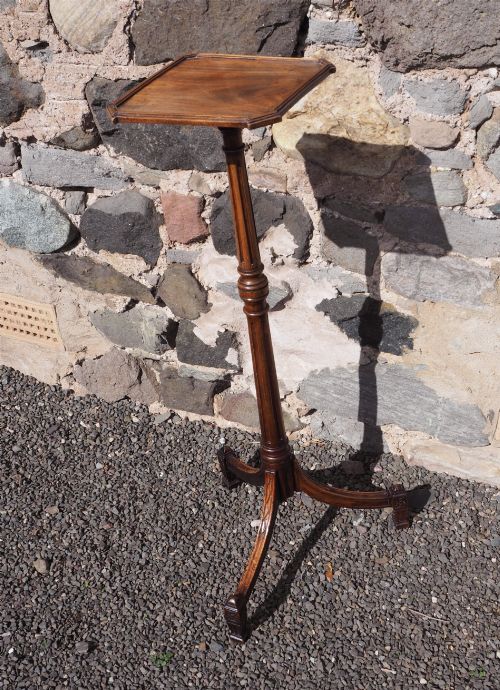
When you search for a carved walnut candle stand, you are looking at tall pedestals, torchieres, and compact tripod tables designed to elevate a light source or display an object. These pieces serve as functional sculpture in a room, drawing the eye upward with slender stems and carved supports.
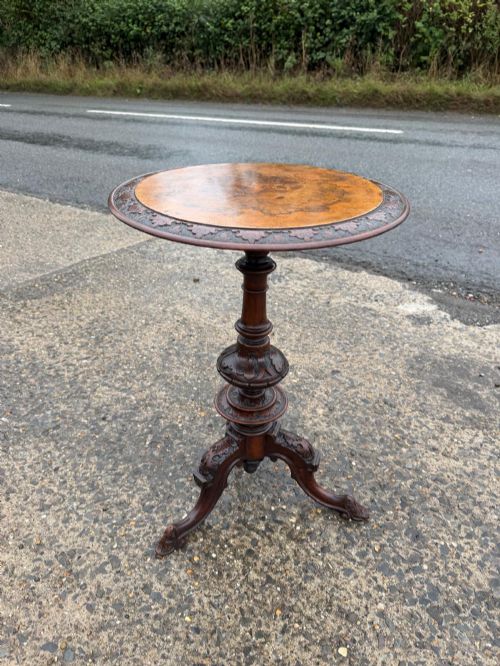
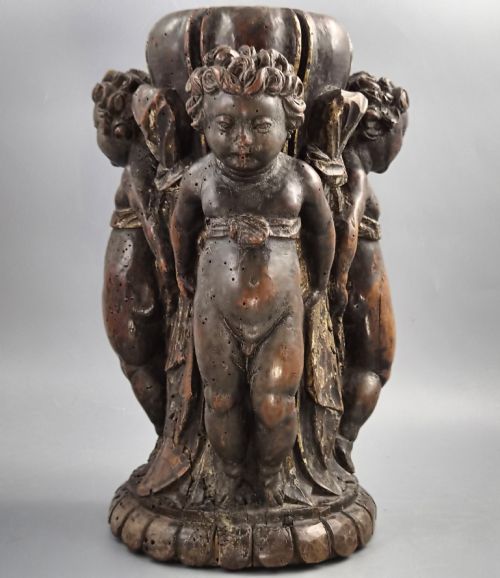
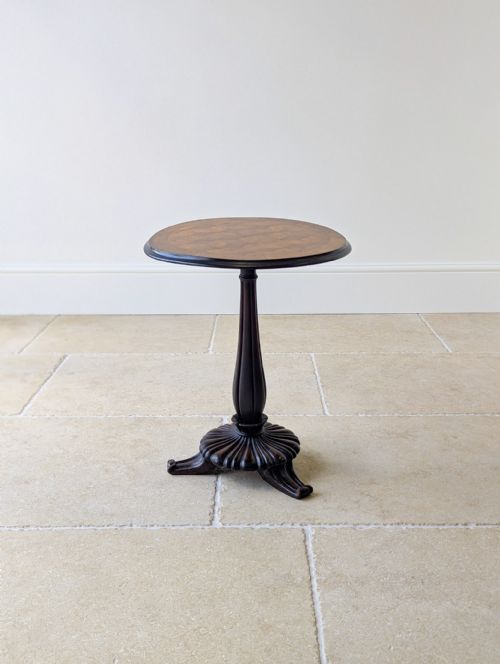
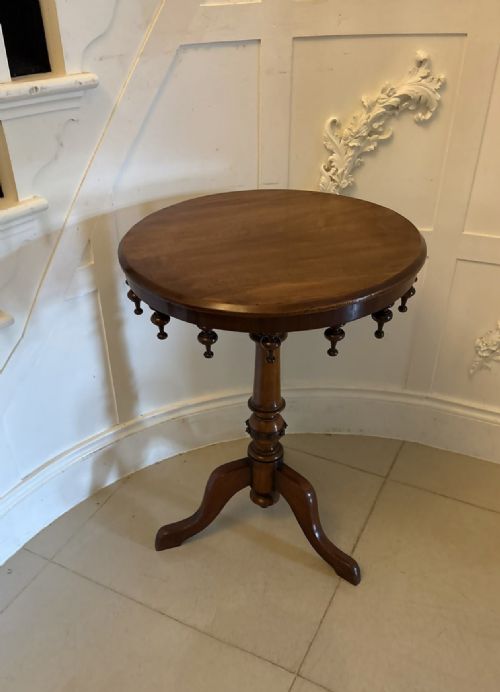
The selections available range from 17th-century Italian Baroque torcheres featuring putti to 19th-century Victorian tripod tables and Dutch marquetry wine tables. You are most likely to meet Victorian and 19th-century examples on this page, often finished with circular tops and turned or carved pedestals.
Originating as practical lighting supports before the advent of electricity, these stands transitioned into decorative occasional tables for lamps and ornaments. Their diverse forms reflect centuries of changing domestic habits, shifting from grand continental reception rooms to intimate Victorian parlours.
Indicators of quality
Quality rests in the crispness of the hand-carving and the choice of timber, where figured burr walnut and deep relief work distinguish finer examples from plain production pieces. The proportion between the slender stem and the weighted base determines the visual balance and stability of the stand.
Construction methods also separate the tiers, evident in the snugness of the tripod joints and the integrity of the marquetry inlay. Superior pieces retain their original surface patination, showing age through a soft sheen rather than heavy modern refinishing.
Listings feature walnut, burr walnut, and fruitwood marquetry applied to occasional tables, torcheres, and candlesticks spanning the 17th to 20th centuries.
Holland & Son
The Carved Walnut Candle Stand Glossary
- Torchere
- A tall ornamental stand designed to carry a candle or lamp. These elevated pieces often feature elaborate carving and slender vertical shafts.
- Marquetry
- Decorative veneer work arranged in pictorial or geometric patterns using various coloured woods. Craftsmen assemble these precise cuts to adorn table tops and panels.
- Tripod table
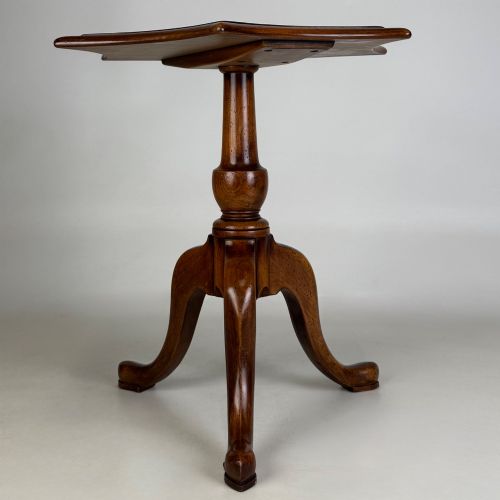
- A small occasional table supported by three legs radiating from a central pillar. This design ensures stability on uneven older floors.
- Putti
- Depictions of plump, winged toddlers derived from classical art and frequently carved into baroque furniture bases. They add a theatrical, sculptural element to continental torchere stems.
- Burr walnut
- Wood taken from a tree growth that produces swirling, highly figured grain patterns. Cabinet makers prize this timber for creating decorative, premium table tops.
Carved Walnut Candle Stand: Frequently Asked Questions
What is a candle stand used for?
Historically, these tall stands held wax candles or oil lamps to illuminate dark corners of a room before electric lighting existed. Today, collectors use them to display table lamps, floral arrangements, or small sculptures.
Their compact footprint makes them ideal for filling awkward spaces beside seating or in hallways without crowding the floor plan.
How do I date a walnut stand?
Dating relies on examining the construction joints, timber selection, and decorative style relative to known periods like the Victorian era or 17th-century Baroque. Tool marks, secondary woods, and the type of screw threads or fixings offer further clues to the decade of manufacture.
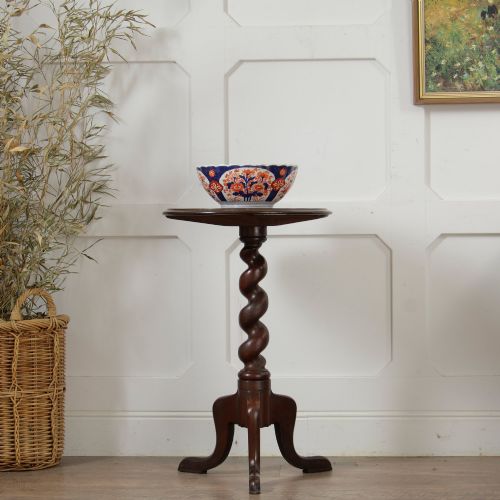
Stylistic shifts, such as the transition from heavy carved putti to slender barley twist pedestals, help narrow down the origin.
Are these tables stable enough for lamps?
Most tripod and pedestal stands are well-balanced for moderate weights like a small table lamp or decorative bowl, provided they stand on a level surface. The heavy wooden bases and splayed legs are engineered to keep the structure upright during normal use.
Heavy or oversized shades should be avoided to prevent tipping, especially on slender antique stems.
How do I care for antique walnut?
Walnut benefits from occasional application of quality furniture wax to nourish the wood and preserve its natural sheen. Keep the timber away from direct heat sources and strong sunlight to prevent the grain from drying out or fading over time.
Dusting with a soft, dry cloth is sufficient for routine maintenance, avoiding harsh liquid cleaners that can strip the historic finish.