

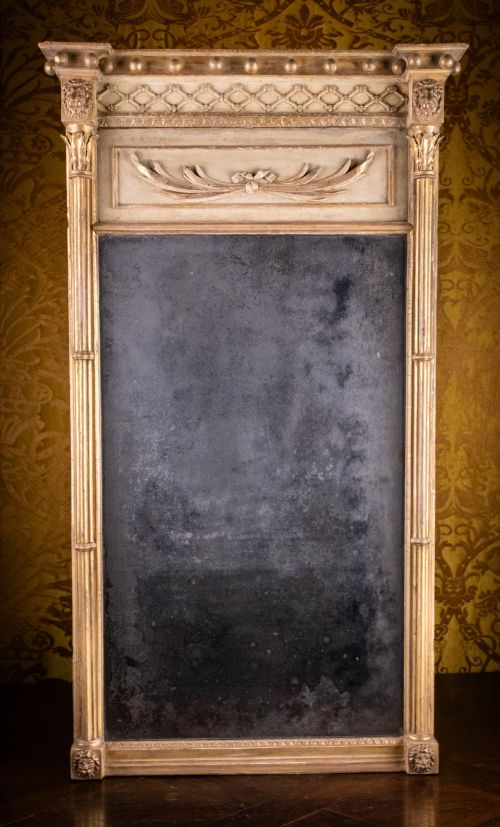
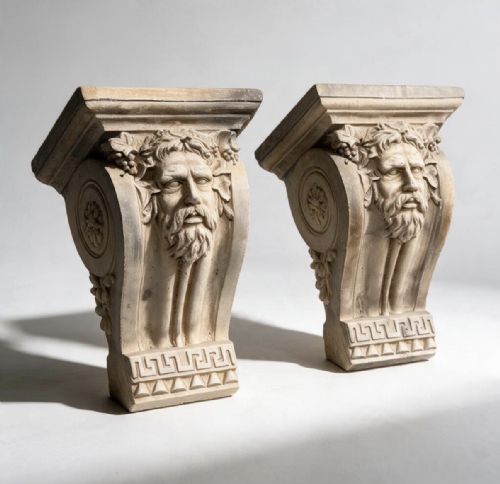

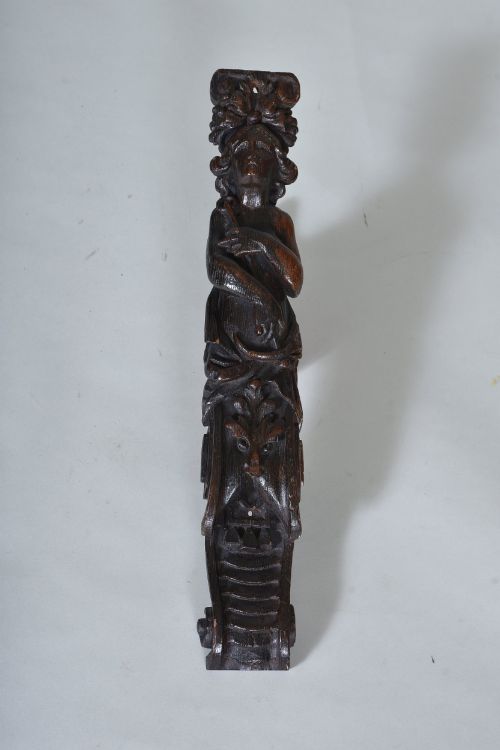
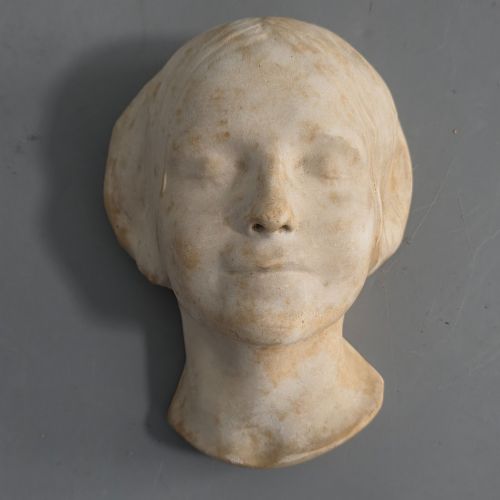


Carved Wall Mask
These carved wall mask examples bring historic sculpture and timber work straight into a room, offering striking faces from various global and European traditions.
Carved Wall Mask
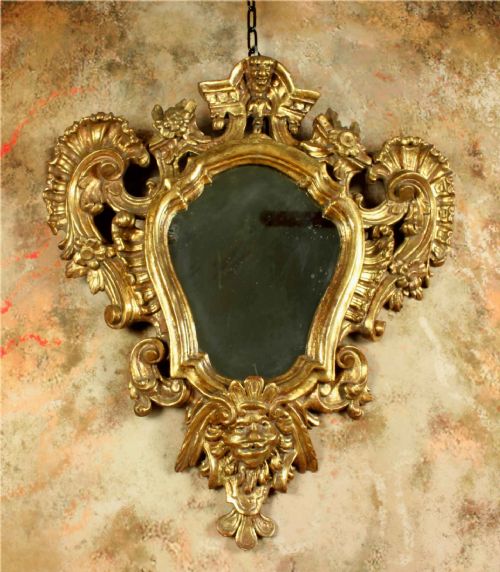
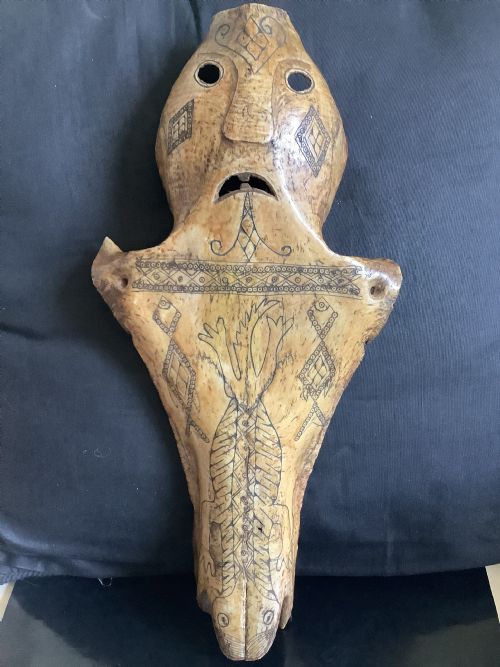
A carved wall mask brings sculptural human and animal faces into an interior, drawing on traditions ranging from 17th century European wood carving to 19th century tribal art. Buyers seek these pieces to mount directly onto walls as focal points of character and history.
The selections span diverse forms, including African tribal masks from the Baule and Songye peoples, Black Forest walnut animal heads, and classical lion masks in giltwood and oak. These items function equally well as standalone wall sculptures or as decorative architectural elements.
Origins stretch across multiple continents and centuries, encompassing Edwardian and Victorian works alongside older Jacobean and Baroque examples. This variety allows collectors to choose between European decorative revival pieces and traditional ritual carvings.
How they were made
Makers shaped these items primarily from solid woods such as oak, walnut, and carved wood, utilising hand chisels and gouges to build deep relief. Artisans also worked with bone, alabaster, stone, and plaster to create varied textures across different periods.
Carved Wall Mask Retail Price Guide 2026
Typical asking prices for carved wall mask among the pieces listed under this phrase on Sellingantiques today, from the lower quarter to the upper quarter. They describe what is for sale here now, not the wider market.
Materials span wood, giltwood, oak, walnut, glass, gesso, alabaster, stone, bone, and kaolin pigment across periods from the 17th century to 1920.
What varies in quality
The depth and precision of the hand carving dictate the artistic success of a carved wall mask, separating vigorous master work from simpler production. Strong anatomical definition and confident tool marks show the hand of a skilled sculptor.
The integrity of the original surface finish, whether aged giltwood, natural walnut, or tribal pigment, preserves the historic character of the piece. Surviving patination and honest wear reflect the age and authenticity of the sculpture.
The Carved Wall Mask Glossary
- Giltwood
- Wood that has been coated with a thin layer of gold leaf or powder over a preparation of gesso. This technique was widely utilised on Baroque and Regency mirrors and architectural carvings to create a brilliant metallic sheen.
- Gesso
- A plaster mix applied to wood surfaces as a smooth base for gilding or painting. It allowed artisans to crisp up fine decorative details before applying gold leaf.
- Black Forest
- A regional style of wood carving originating in Switzerland and Germany during the 19th century. These pieces typically depict lifelike animals, such as lions and tigers, rendered in dark walnut.
- Pier Mirror
- A tall wall mirror designed to hang on the narrow section of wall between windows. Regency and later makers often incorporated carved console tables or gilt frames into these pieces.
Carved Wall Mask: Frequently Asked Questions
How do I hang a heavy carved wall mask?
Heavy wooden and giltwood sculptures require secure wall fixings anchored directly into studs or masonry. Using appropriate weight-rated brackets ensures the piece remains safely supported.
Consulting a professional installer is advisable for substantial architectural carvings or dense timber animal heads to prevent damage to both the wall and the antique.
Where should I place a carved wall mask at home?
These sculptures suit hallways, living rooms, and studies where wall space allows them to serve as focal points. Positioning them away from direct heat sources protects the timber and gesso.
Pairing a tribal mask or a Black Forest animal head with plain background walls lets the carved details stand out clearly in the room.
How do I clean an antique carved wooden mask?
Dust the surface gently with a dry, soft-bristled brush to remove settled particles from recessed carved areas. Avoid using liquid cleaners or commercial polishes on historic timber and painted surfaces.
Water and chemical solvents can strip original patination, pigments, or delicate water gilding from 17th and 19th century pieces.
How can I tell the age of a carved wall mask?
Examine the back of the wood for tool marks, fixing methods, and signs of age shrinkage that reveal period manufacturing techniques. Oak and walnut pieces from the 17th century show different construction traits compared to Victorian or Edwardian items.
Comparing the style of the carving and the composition of the material against documented examples helps confirm whether a piece originates from the Regency era or earlier.